“Lawns are an American obsession,” says Matthew Ponsford of CNN in his article entitled “Designing an end to a toxic American obsession: The Lawn.” Ponsford calls them pristine carpets of green turf meticulously maintained by suburbanites according to bylaws and homeowners associations. Lawn history is rooted in wealth and status, writes the David Suzuki Foundations’s Queen of Green in an article entitled, “How to get your yard off grass.”
“North Americans have had a longstanding love affair with crisp blades of grass and the perfectly manicured lawns we shape them into,” writes Caitlin Stall-Paquet in a CBC Life article entitled The case for leaving the perfectly manicured lawn behind.
According to Taylor Logan in an article on CBC, the concept of a lawn originated in medieval times, on the land outside European castles. The short grass enabled watchmen to see friends of foes approaching from afar. Lawns soon evolved into status symbols among the wealthy. In 17th century England, only rich landowners had lawns (a monoculture of short, manicured grass).
The runoff of fertilizers and pesticides we put on our lawns pollute surrounding bodies of water. Nutrients such as nitrogen and phosphorus contaminate nearby lakes and streams and encourage noxious growths of oxygen-choking and even toxic algae and macrophytes. The monoculture–without wildflowers, shrubs, dead wood and trees–is less than ideal for pollinators such as bees, butterflies and birds that help plants reproduce. Lawns also require huge amounts of water to maintain and result in air pollution, spilled fuel and overuse of fossil fuels for motorized lawnmowers.

it’s high time we look at our lawns differently: as functional ecosystems, for urban wildlife, like bees and other pollinators, and for us.
I recently watched a wonderful instructional video called Eat Your Lawn by AdventureArchives that showed several edible plants and flowers found in most lawns. Inspired, I took to the ground to see just what else is growing in my lawn and other people’s lawns. I was astounded to find so many different tiny plants and flowers there. Several are discussed in the video Eat Your Lawn and all are edible and/or medicinal. I’ve added a few others I also found.
Common Dandelion

The Common Dandelion (Taraxacum officinale) is a common perennial lawn weed, long maligned as the poster weed requiring chemical eradication. However, Garden Culture Magazine writes, “With many of us now aware of declining bee populations, dandelions are making a remarkable comeback. Their yellow blooms are rich in nectar and pollen and are one of the first sources of food for bee and other pollinating insects following a long winter.” AdventureArchives shares that the entire plant is edible: flower, stem, leaves and tap root. Because they can be fairly bitter, AdventureArchives suggests blanching or boiling them. Foragers use all parts of the dandelion in salads but the floral sweetness of the flower is delightful. Foragers use the dried leaves as an infusion or a decoction of the dried roots. A tincture can also be made from the leaves to help with digestion.

Medicinal properties of the common dandelion could fill a page. After all, their name directly translates to “the official remedy for all disorders,” and this herb has been used medicinally for centuries. Key properties include high quantities of vitamins and minerals (e.g. vitamins C and E, iron, magnesium, niacin, phosphorus, proteins, silicon, boron, and zinc). Medicinal and wellness properties include: anti-inflammatory properties, appetite stimulation, and diuretic properties. Healthline lists thirteen potential health benefits of the dandelion, which include: high nutrition; antioxidants; fighting inflammation; blood sugar management; reduction of cholesterol and triglyceride levels; lowering blood pressure; promoting liver health; aid in weight loss; anticancer effects; support healthy digestion and treats constipation; boost immune health; skin care treatment; and healthy bones. Dandelions invigorate the digestive process, boosting the flow of bile while also protecting the liver and the pancreas, and promote skin and heart health.
Common Chickweed

Common Chickweed (Stellaria media) is a small edible plant with dainty white flowers in pairs of two. Several ways to identify this spreading plant, aside from the highly lobed five petals (that look like 10 petals), is by the single line of hairs on the stem and what Backyard Edibles describes as the ‘elastic band effect when you pull apart the stem.’ This last diagnostic is wild to try!
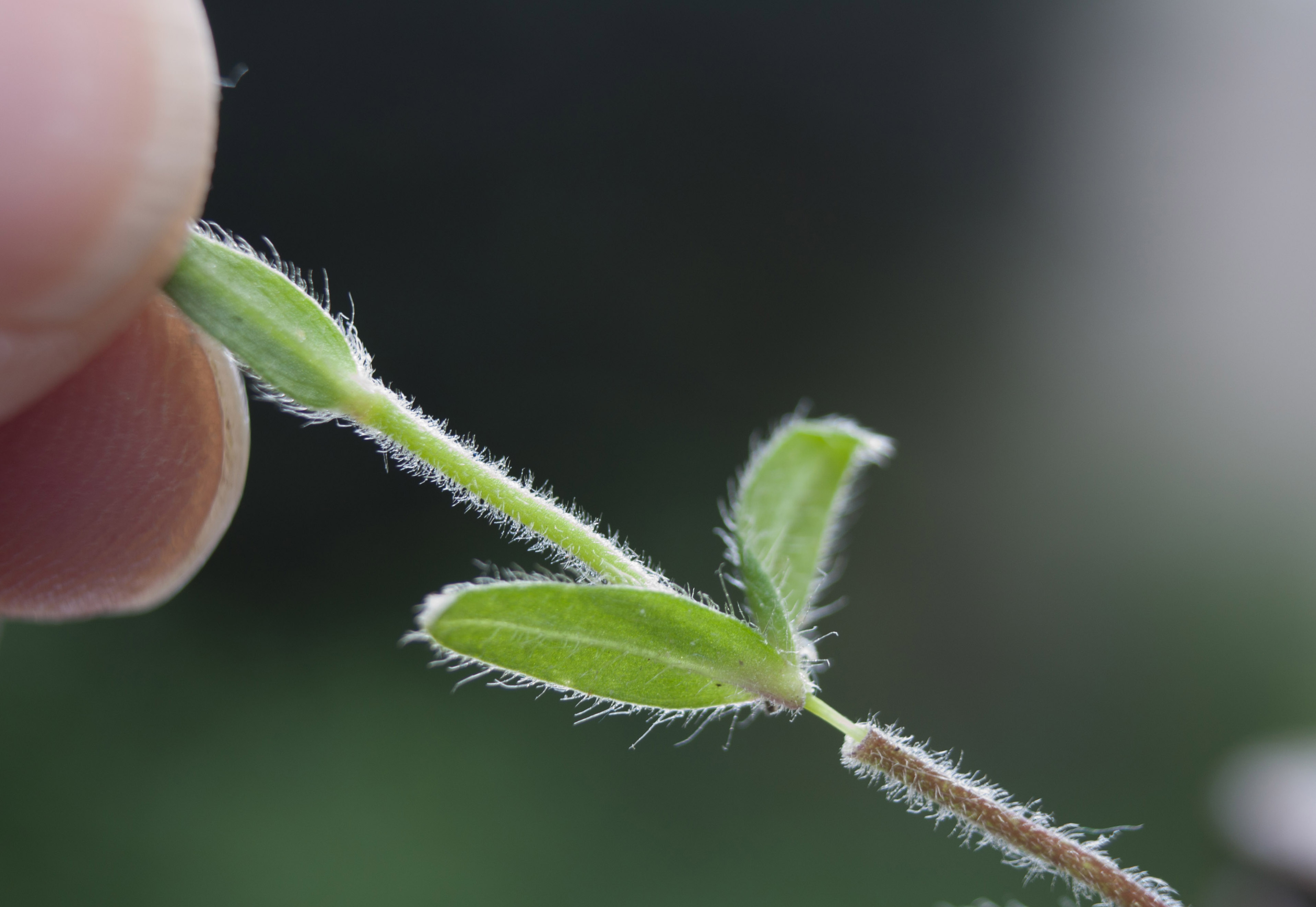
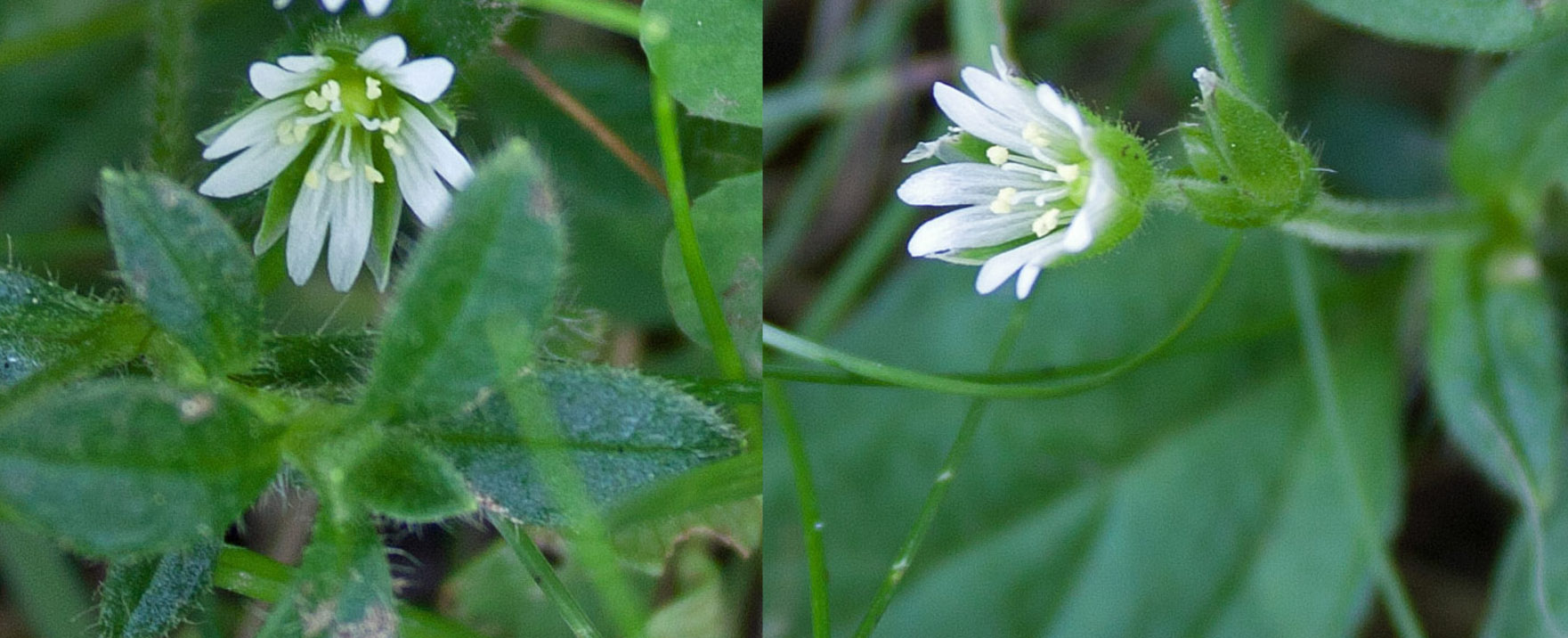
Chickweed can be eaten raw; AdventureArchives describes the taste as being similar to alfalfa sprouts, which is a good description. I found the tiny flowers sweeter then the rest of the plant. Grow Forage Cook Ferment suggests using both flower and leaves in a smoothy or a pesto sauce or in salads.
Medicinal uses of common chickweed are many. Because the plant contains saponins, it is cooling and soothing for the skin. Foragers suggest using it fresh for this purpose rather than dried. Grow Forage Cook Ferment makes a herbal salve used on rashes, bug bites, or dry itchy skin.
Broadleaf Plantain

Common or Broadleaf Plantain (Plantago major) is an edible and medicinal plant that grows all over lawns and edges where the ground has been compacted by foot traffic. Note the distinct parallel veins. AdventureArchives notes that its young, tender leaves can be eaten raw and that it has an unoffensive slightly bitter taste, good for a salad. Older leaves, which tend to get stringy, can be boiled in stews. Wilderstead focuses on the young flowering shoots, which he says taste like a cross between a fiddlehead and asparagus, and provides easy steps to forage and eat.
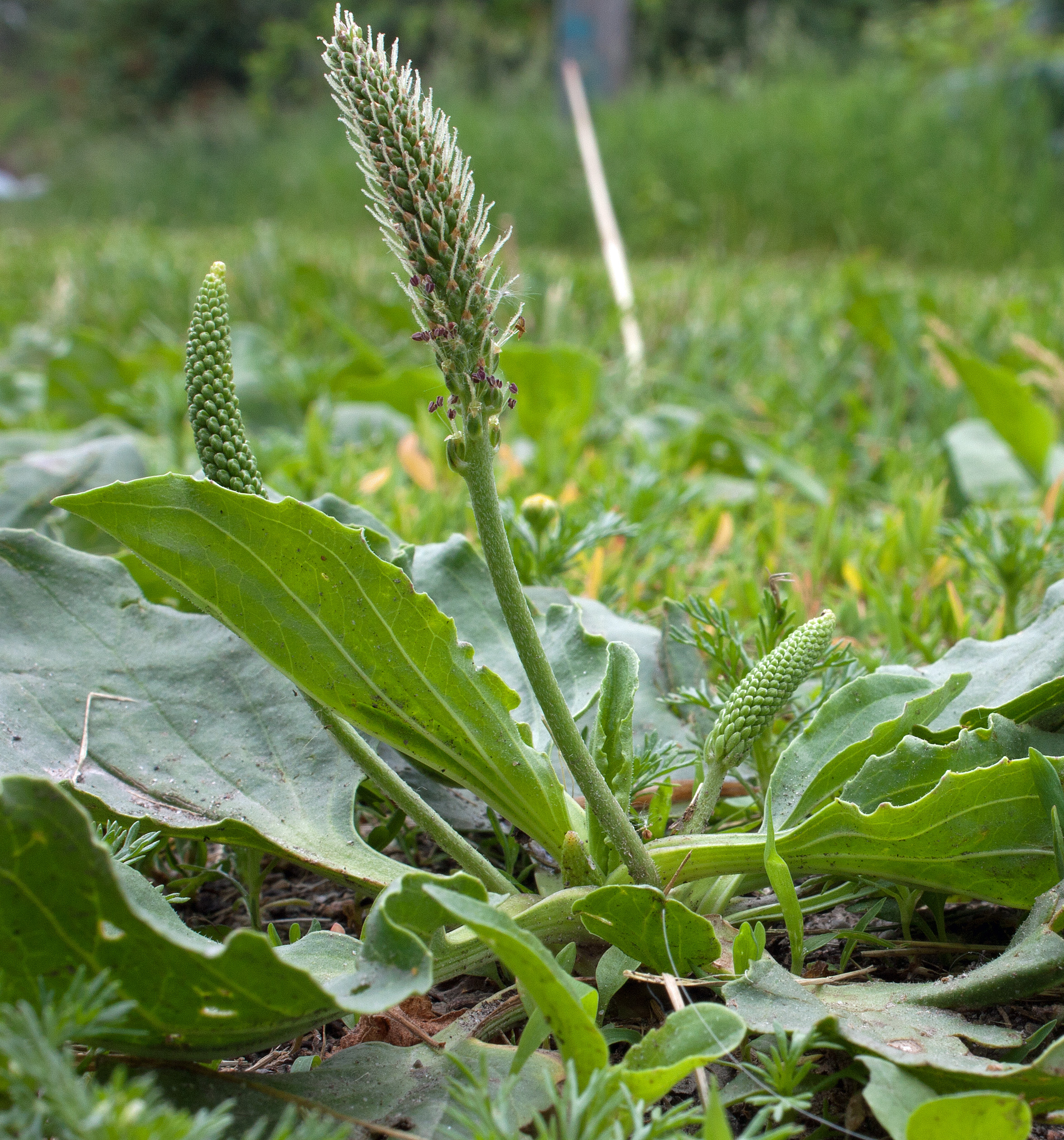

Within a week of seeing Wilderstead’s video, several broadleaf plantain plants flowered and I was able to collect enough young flower shoots to fry up my own.
Eating Broadleaf Plantain
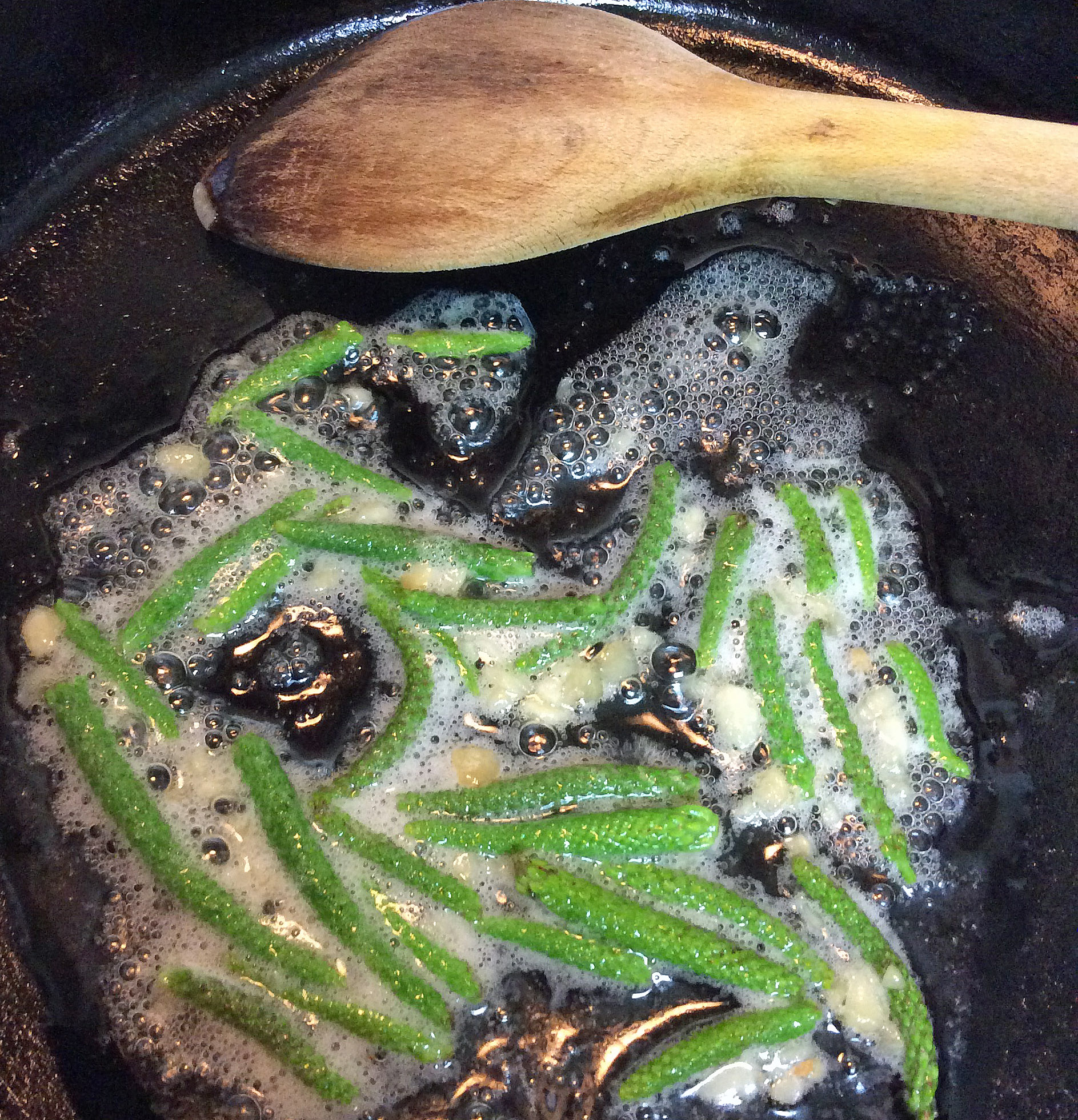
After collecting a dozen or so flower shoots, I rinsed them then added them to butter and garlic in a skillet and lightly stir-fried them. Then I served them with breaded haddock, carrots and roasted potatoes. I was astounded by how good they were! Lemony with a hint of pepper and a nutty after taste. So good! I will have these again.


Plantain is known for its medicinal properties, which act as an astringent among other things. Crush the leaves to make a kind of poultice and apply to burns, or rashes from poison ivy, bug bites, or other skin irritations to soothe the skin. A plantain tea can also help with ailments such as diarrhea, gastritis and colitis. Plantain helps restore acid balance and is known for aiding against coughs and bronchitis, dermatitis, peptic ulcers, urinary tract infections and wound healing. The list of its wellness uses seems endless and continues with: toothache, loose teeth, halitosis, oral lesions, mouth sores, epistaxis, hemoptysis, gingivitis, and tonsillitis (by gargling the juice of the leaves or its decoction).
Ribleaf Plantain
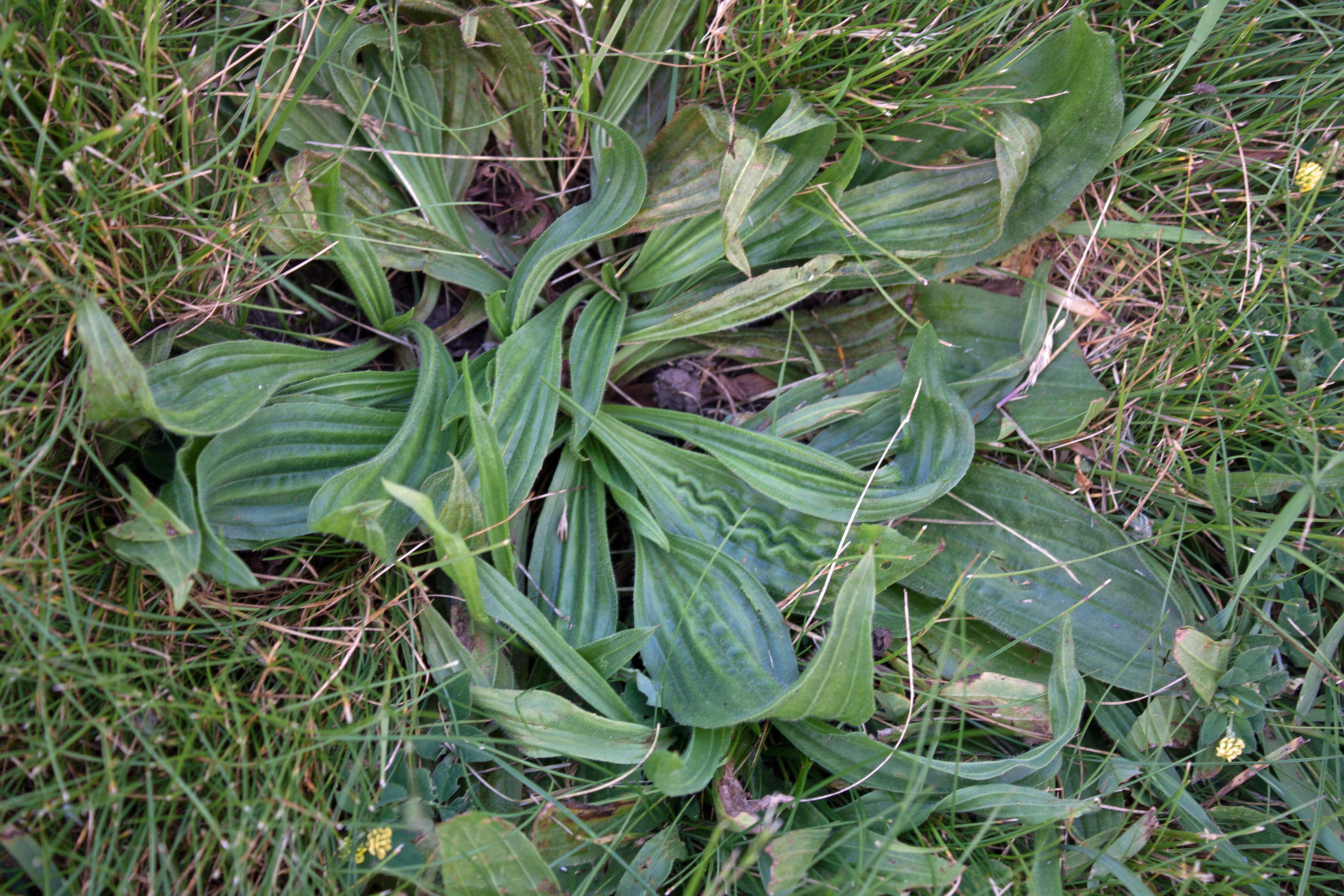
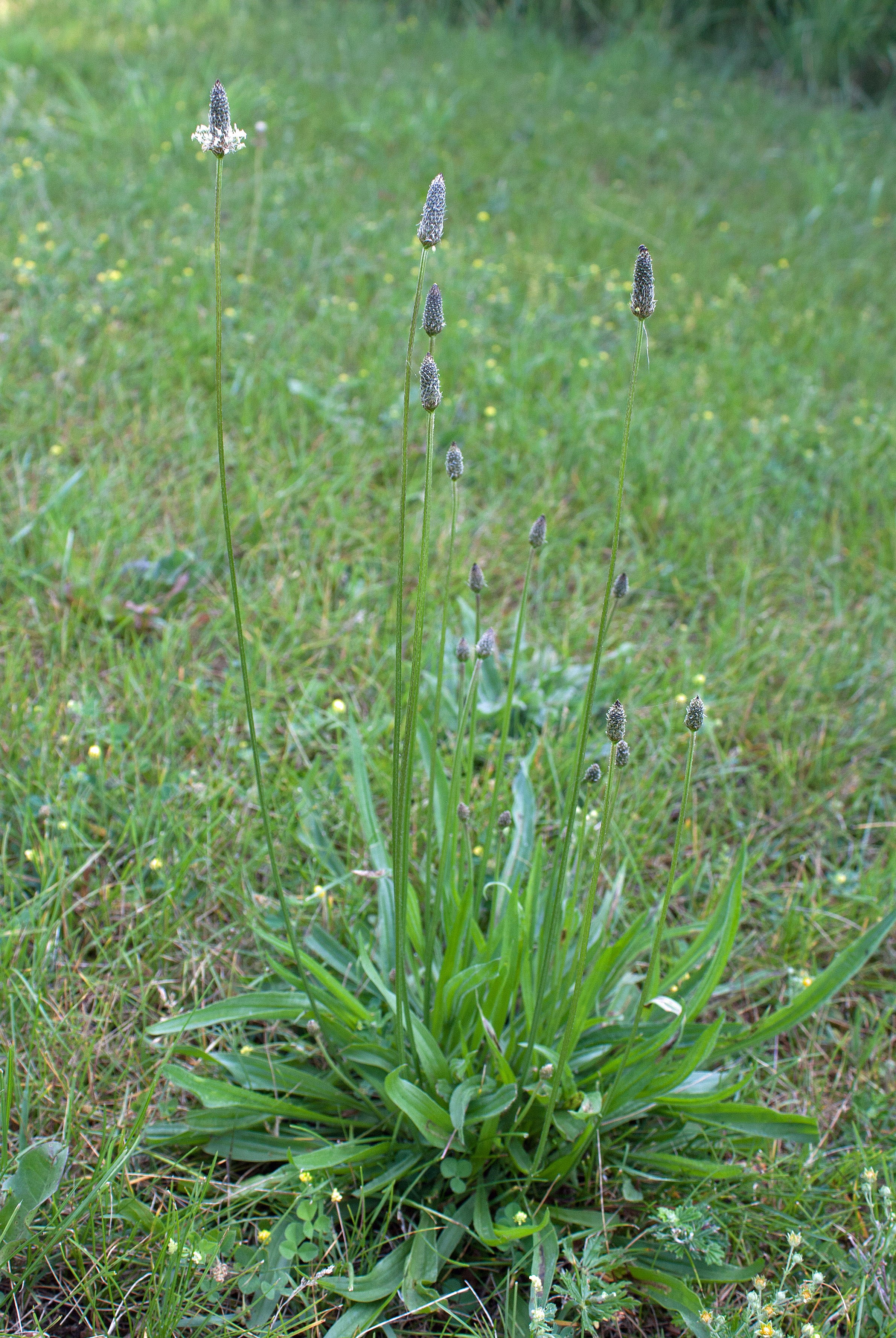
Ribwort or Ribleaf Plantain (Plantago lanceolata) or narrow leaf plantain is less common and not an edible, due to its extreme bitterness. However, as with common plantain, ribwort plantain has medicinal properties; it can be used to soothe the pain or itchiness of bites, cuts, and rashes. Hedgecombers demonstrate how to make a ribwort plantain salve for skin problems.
Red Clover

Red Clover (Trifolium pratense) is an edible and fairly common perennial in temperate climates that span from the tundra of the Arctic Circle to the meadows of Central Asia. Kate on Delishably provides a list of 25 edible flowers and describes red clover tasting sweet and slightly anise-like. I make a wonderful fresh floral tea with the flower heads and leaves. It is high in vitimin C, B-complex, phosphorus, potassium and calcium, beta-carotene, inositol, bioflavonoids, biotin, and choline.
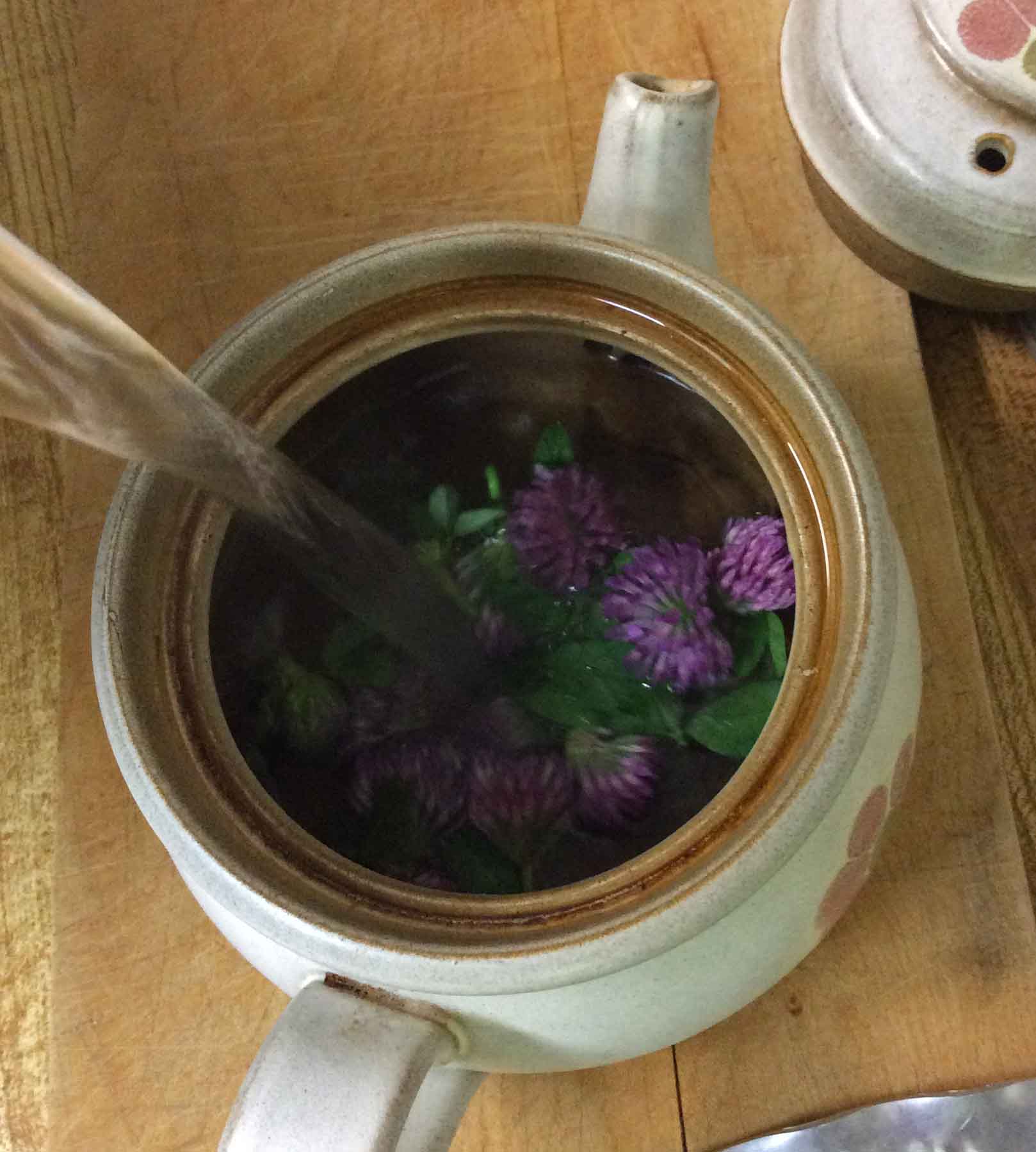
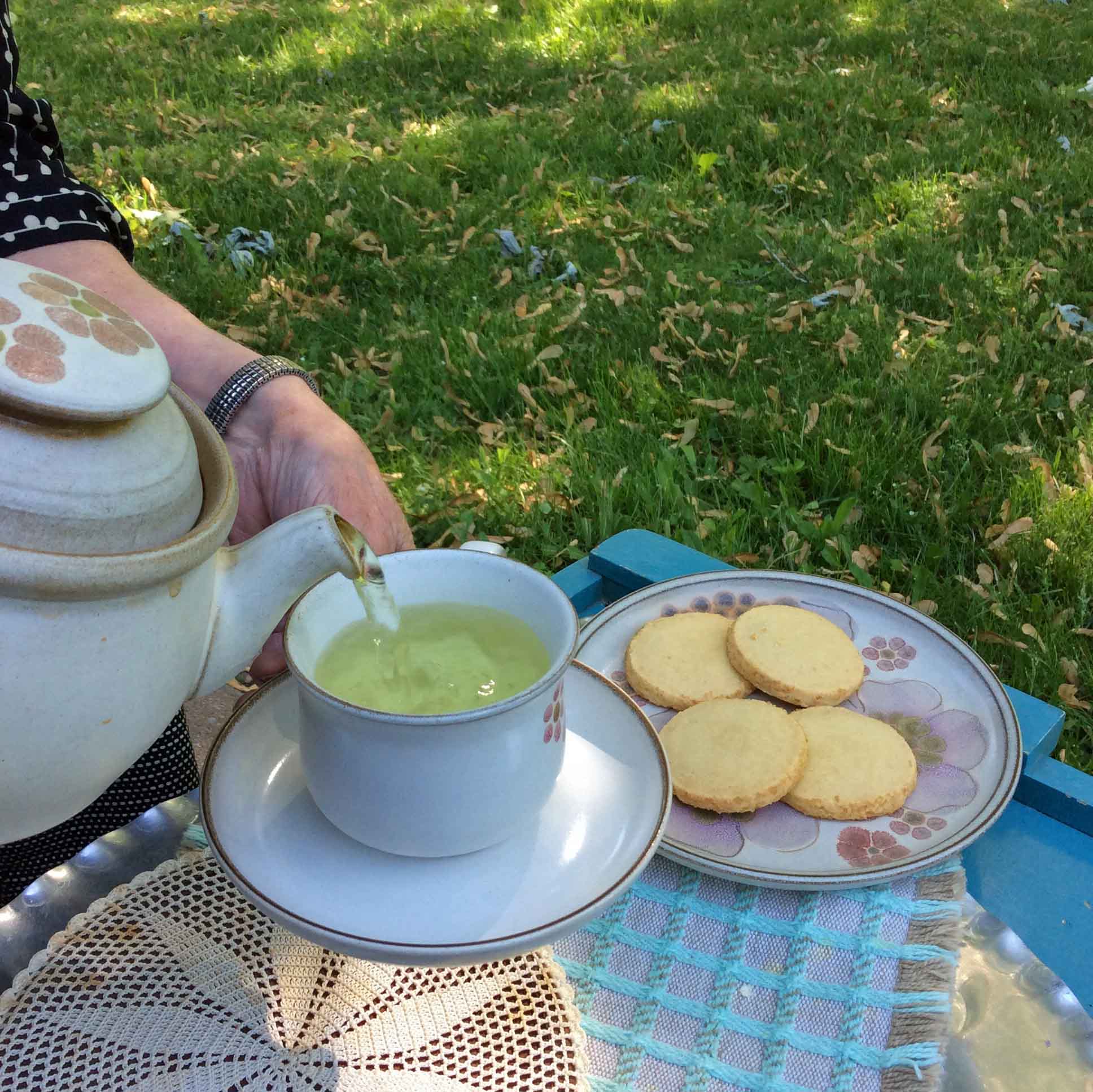

Red clover belongs to the legume family and flowers in bunches with a soft, brush-like ball of pink blossoms. Like other legumes, clover fixes nitrogen from the air and adds it to the soil. Farmers have for millennia cultivated it for this property. Given its high protein content it is sowed for cattle and used as a cover crop in fallow fields to enrich them.
Red clover was traditionally used in herbal medicine for its “blood cleansing or blood purifying” properties, helping to flush out toxins. Lavalheureuse tells us that red clover is rich in the flavonoids daidzein and Genistein, which have phyto-oestrogenic properties (making it good against menopausal hot flashes).
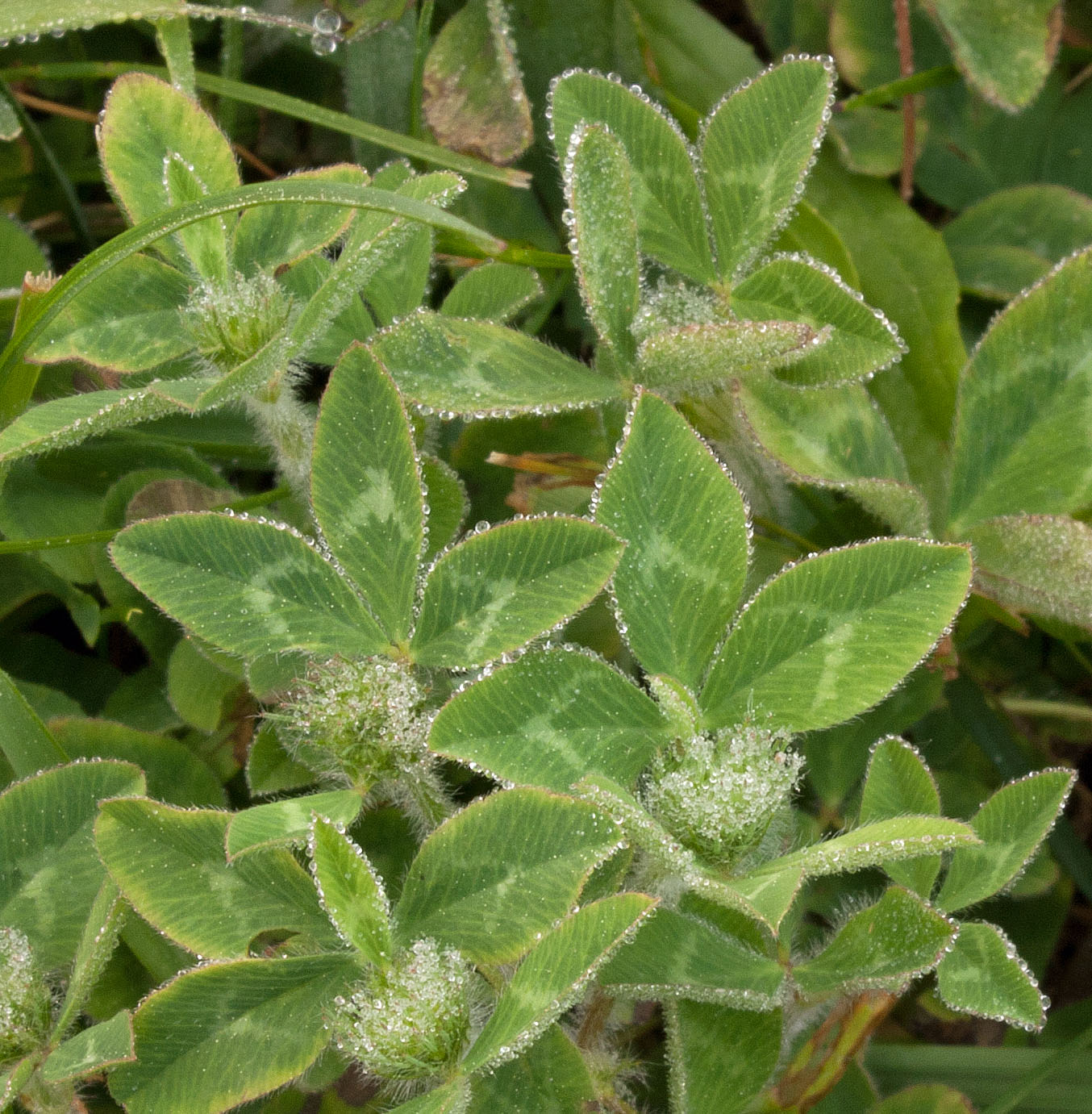
Earl Mindell’s Herb Bible writes that this plant was used as a tonic taken in the spring to promote good health and peace of mind. Health benefits include dealing with menopause, reducing bone loss, fighting cancer (particularly prostate cancer) and heart disease. Red clover also has blood-thinning abilities (given it contains coumarin), reduces (bad) cholesterol and triglycerids, and its isoflavones help reduce high blood pressure.
White Clover
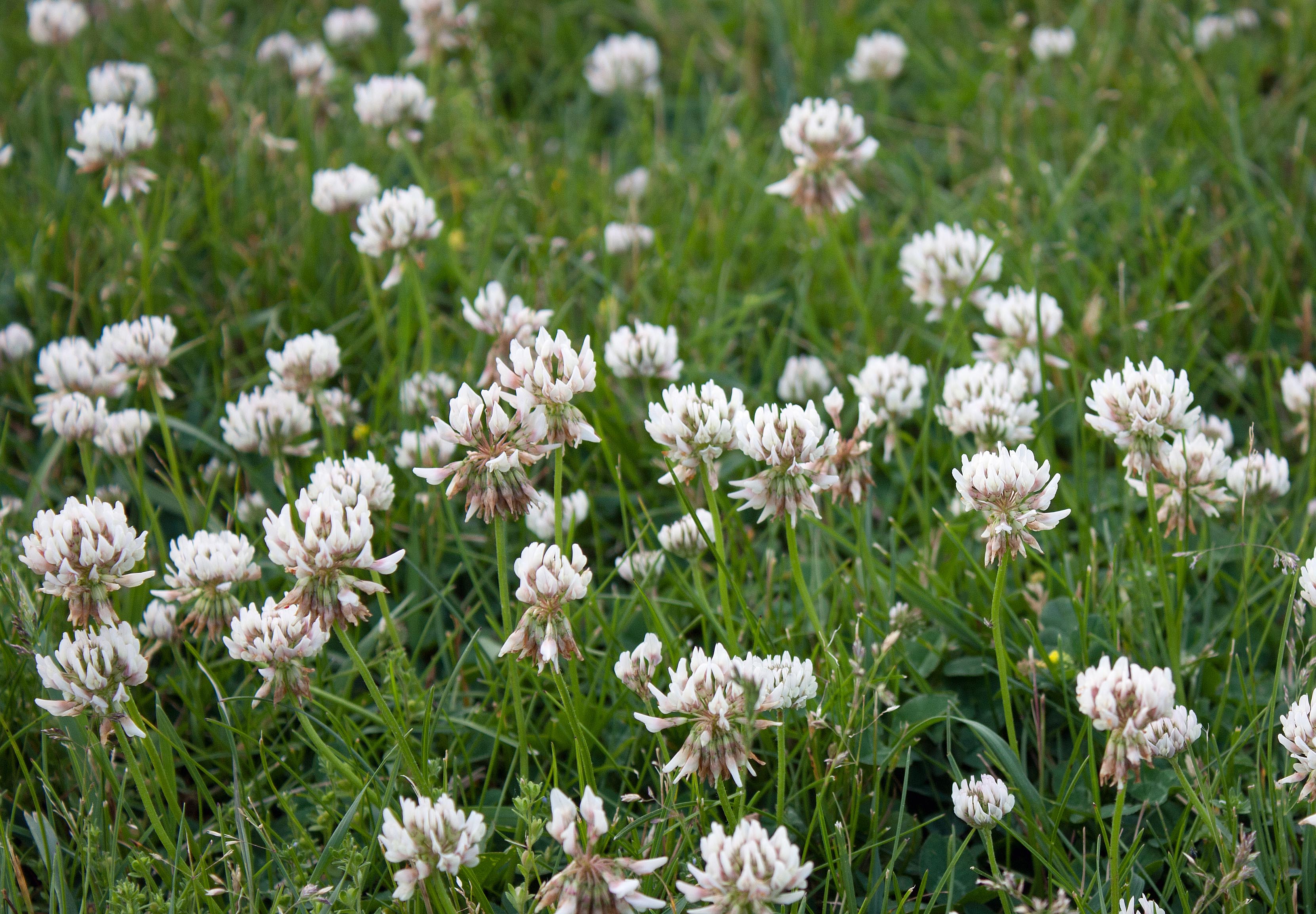
White clover (Trifolium repens), like red clover, has edible flowers, stems and shamrock-shaped, smooth, trifoliolate leaves. According to Earth Planet, white clover leaves and flowers have a delicate, sweet taste and can be used fresh right after harvesting or dried for later use. The most common way to consume leaves and flowers is to brew them to make a white clover herbal infusion.

Coleen at Grow Forage Cook Ferment shares an easy recipe to make white clover iced tea. Coleen also has a video on how to make fermented honey garlic: “a delicious way to boost your immune system!”

As with red clover, a white clover infusion can boost the immune system and treat fever, coughs, and colds–particularly congestion and headaches associated with common colds. White clover herbal tea can also treat rheumatic aches and joint pain. However, the isoflavones in red clover, found beneficial in reducing bone loss and menopausal symptoms, have not been found in white clover.
Heal-All

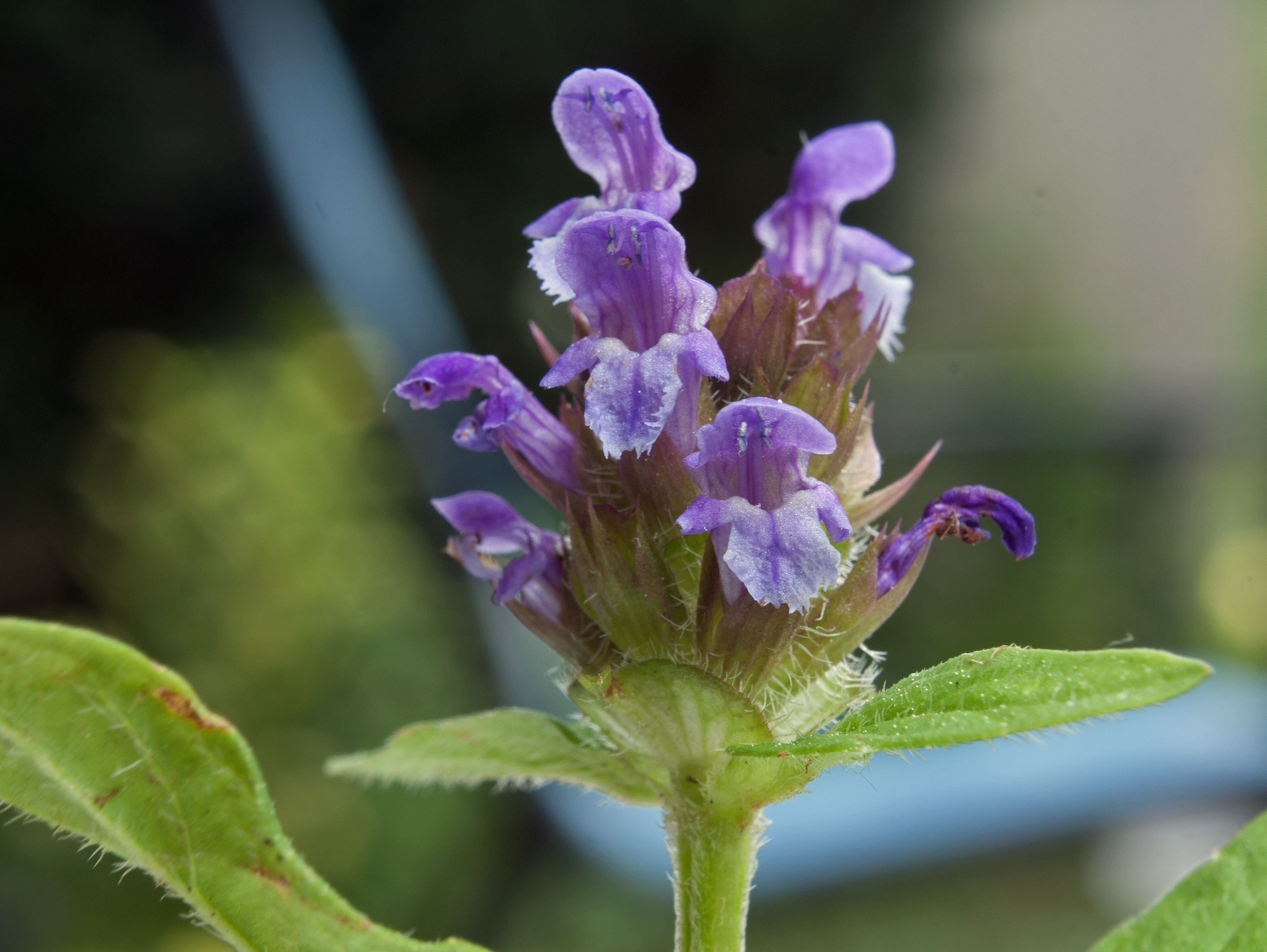
Heal-All (Prunella vulgaris)–also known as Self Heal and Woundwort–as its common names suggests–is a versatile stoloniferous perennial, often overlooked or dismissed as a weed, yet has been used for centuries as a healing plant, especially for skin health and respiratory ailments. Michigan State University tells us that Prunella reproduces through seeds and creeping stems. I found this small purple member of the mint family near the silver maple tree on my yard. The tiny purple Prunella flowers have petals fused into two-lipped tubes that resemble snap dragon flowers, arranged in rings around the spikes; the ‘hood’ or upper lip tends to be a darker purple; the middle of the three lobes of the lower ‘lip’ is often ‘bearded’ or fringed (toothed).

The stems are square (try rolling the stem between your fingers; you’ll feel the squareness) with a reddish to green hairy calyx. Leaves are sparsely opposite egg- to lance-shaped.

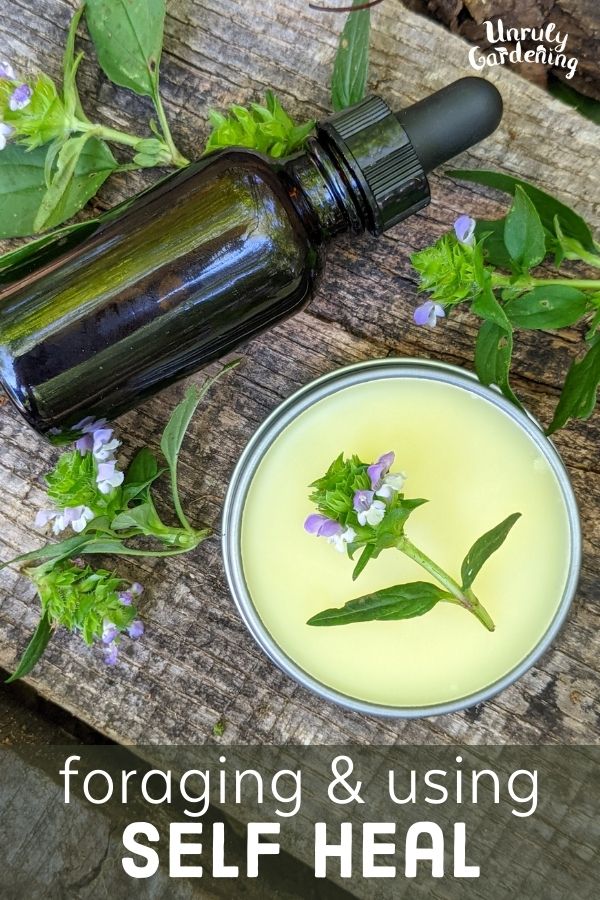
Unruly Gardening provides good diagnostics for identifying Self-Heal (Heal-All). The site also provides some excellent ways to use the plant.
Unlike other members of the mint family, Prunella does not carry the telltale ‘mint’ aroma. The genus name Prunella comes from the German word for quinsy, a sever sore throat caused by a tonsil abscess for which heal-all is said to be a cure. The species name vulgaris means ‘common’, indicating the plant’s ubiquitous nature.
The leaves and flowers are edible with a slightly bitter taste, similar to rosemary. Grow Forage Cook Ferment suggests using Heal-All sparingly in a salad or cooked, added to soups or stews as a potherb. Song of the Woods suggest using the dried stem, leaves and flowers as a cold infusion to make a drink. They add that in some traditions this tea is taken for processing grief. Eat Weeds share that the younger plants are most tender. They describe them as tasting like romaine lettuce. They add that the plant is high in vitamins A, B, C, and K, and also contains flavonoids and rutin.

Herbal Remedies Advice and Mehwer provide several ways Heal All can be used medicinally: to help heal minor scrapes, cuts and burns; to soothe sore throats, fever, diarrhea and headache; to support the immune system; protect skin cells from sun damage; allay the itchy, weepy redness of conjunctivitis and upper respiratory infections. It helps maintain thyroid health, contains anti-cancer properties, and antiviral properties against HIV, and herpes. Heal-All has strong cooling properties, which allow it to help agains sunstroke, sore throats, hot rashes and the like. Prunella contains strong antibacterial properties as well as anti-inflammatory properties and can strengthen the kidneys and diuresis..
Common Yellow Wood Sorrel

Yellow wood sorrel (Oxalis stricta) is a delicate low-growing spreading plant with yellow flowers and shamrock-like leaves, which are both edible. I didn’t find it in my or other lawns, but did see it beside the trail I walk past my lawn. All parts of the wood sorrel are edible: leaves, flowers, seed pods, and roots. They can be eaten raw or cooked. The leaves contain oxalic acid, which gives them a sharp lemony flavour, and why some call it sourgrass; note that spinach and broccoli also contain oxalic acid. The tart flavour of wood sorrel goes well with meat and fish. Wood sorrel is high in vitamin C and can be used to treat scurvy. It is also beneficial for treating influenza.


Medicinal uses for the wood sorrel include: anti-inflammatory, anxiolytic, anticonvulsant, antifungal, antiulcer, anticancer, antidiabetic, hepatoprotective, antimicrobial and wound healing properties.
Common Blue and Sweet Violet
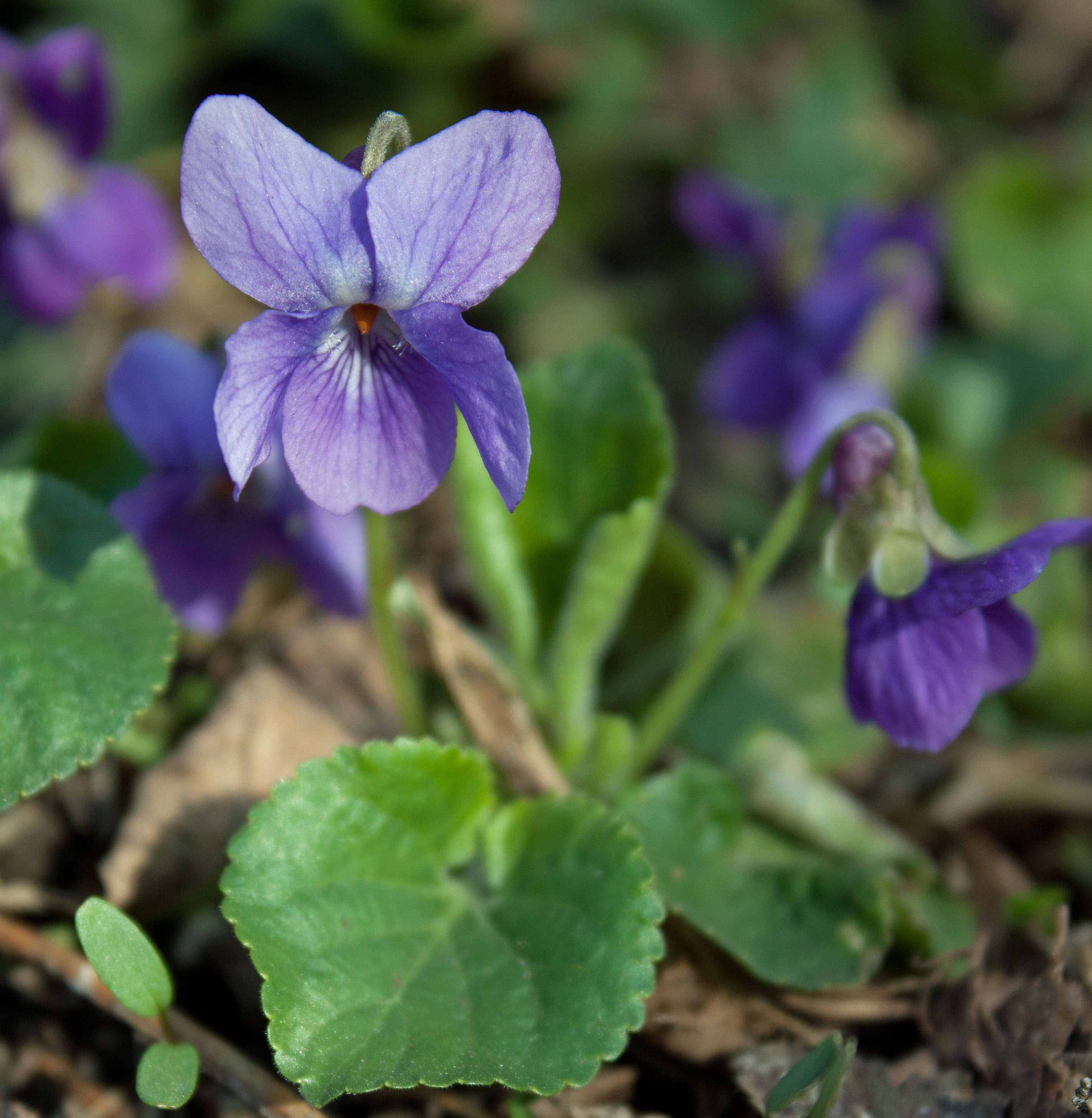
The Common Blue Violet (Viola sororia) is an edible native wildflower, living in forests and verges, and commonly found in lawns. Viola sororia, which looks and acts a lot like sweet violet (Viola odorata), introduced from Europe, has wider and rounder flowers and its leaves are generally more heart-shaped. Having said that, I’m told by Awkward Botany that Viola species are highly variable and notorious hybridizers. I saw both species during my walks and both are edible and delicious. About this early blooming spring flower, Awkward Botany shares that:
“In his entry on violets in The Book of Forest and Thicket, John Eastman refers to these early bloomers as “this low, blue flame in the woods.” They are like “a pilot light that ignites the entire burst of resurrection we call spring.”

Plants & Gardens Blog tells us that violets have several reproductive strategies, including vegetative reproduction through rhizome spread and through seeds; “their Y-shaped seedpods explode with surprising force, shooting seeds far and wide. They also employ myrmecocory, or dispersal by ants.” The seeds are coated with protein- and lipid-rich elaiosomes, which ants gather and bring back to their nests to feed their larvae. Once the coating is eaten, the seeds are discarded in the ants waste piles, effectively planting the seeds.
AdventureArchives tells us that both the leaves and the flower are edible. The flower is used to garnish, in salads and drinks, to flavour desserts with a flowery sweetness or as infusion in honey-making. Garden Culture Magazine describes the flowers as “lettuce-like and have a subtle peppery flavour.” Some candy the flowers or transform the petals into a vivid lavender-blue syrup. The flowers of Viola odorata, as its name attests, are distinctly fragrant and have a long history of being used in perfumes. Leaves of the violet can be used as a potherb and in a tea. Awkward Botany uses dried leaves as a tea. Others recommend, because of its bitterness, that violet leaves can be mixed with mint, dandelion, clover and/or chamomile to reduce the bitterness. Violet leaves contain high amounts of vitamin C and A and are rich in calcium and magnesium.
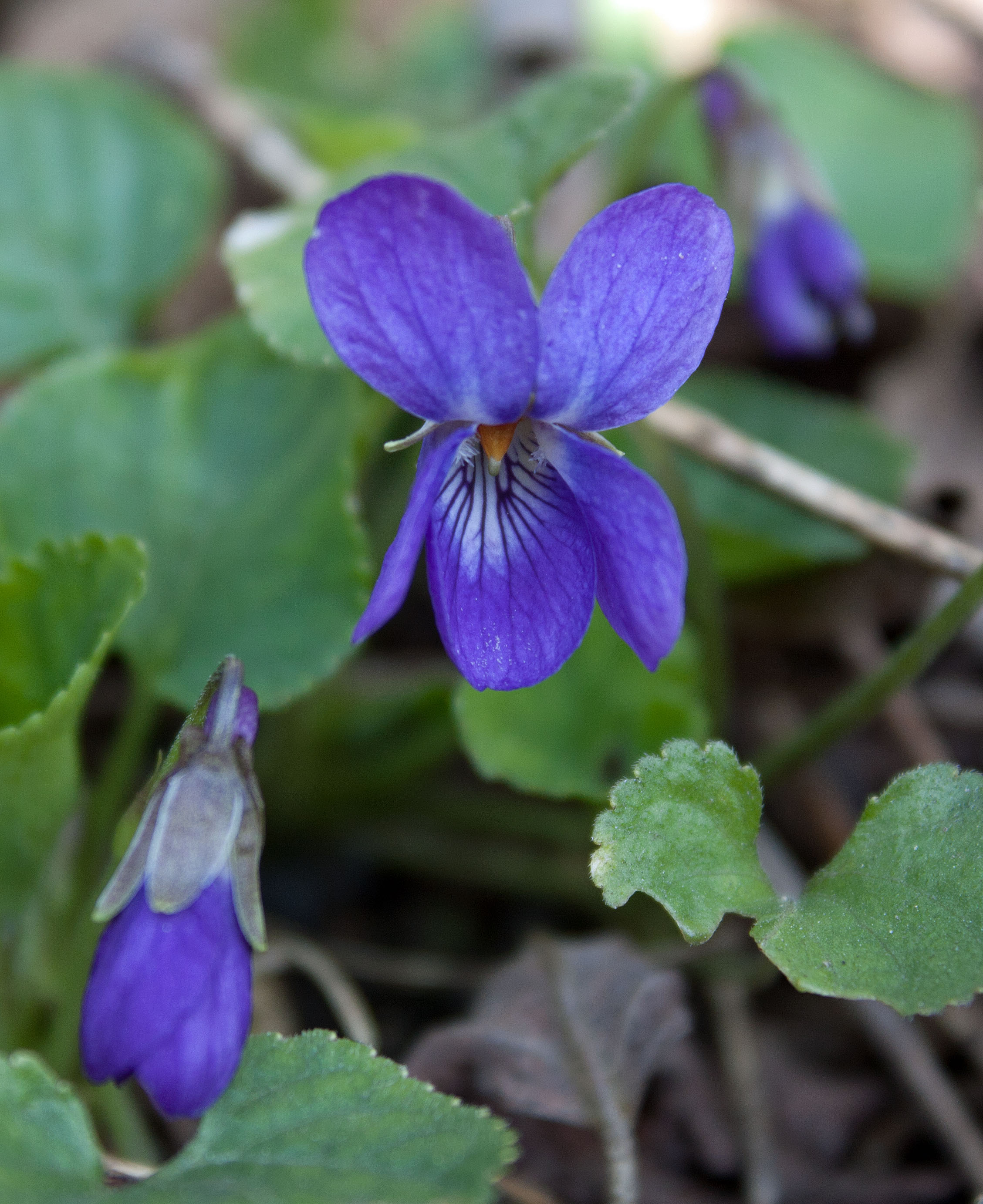
Medicinal topical uses of violet include using a poultice, compress, infused oil, and salve from flowers and leaves for dry or chafed skin, abrasions, insect bites, eczema, varicose veins and hemorrhoids. Preparations from violets act as a gentle immune system stimulant and taken as a strong tea can help promote sleep and aid in lung health. Salicylic acid content in wild violet tinctures help treat infections in the upper respiratory tract and congestion from colds and bronchitis. The violet’s phytochemical called rutin acts as an anti-inflammatory that helps neutralize damaging free radicals and prevent chronic diseases like cancer. The mucilage of wild violet leaves act to cool and soothe.
In addition to the edibles mentioned in Adventure Archives that I found in my lawn, I’ve added several others I also found in the lawns near my home.
Silvery Cinquefoil

The Silvery Cinquefoil (Potentilla argentea) is a small, creeping perennial herb with beautiful reticulated leaves that are silvery underneath.

Known as hoary cinquefoil or silvery cinquefoil (because of the leaf’s silvery hairy undersides), it was introduced to North America from Europe and does well in disturbed habitats, waste areas and roadsides as well as lawns. Like all its relatives in the Rose family, flowers of the silvery cinquefoil are edible, and can add a healthy creative touch to fruit or green salads.

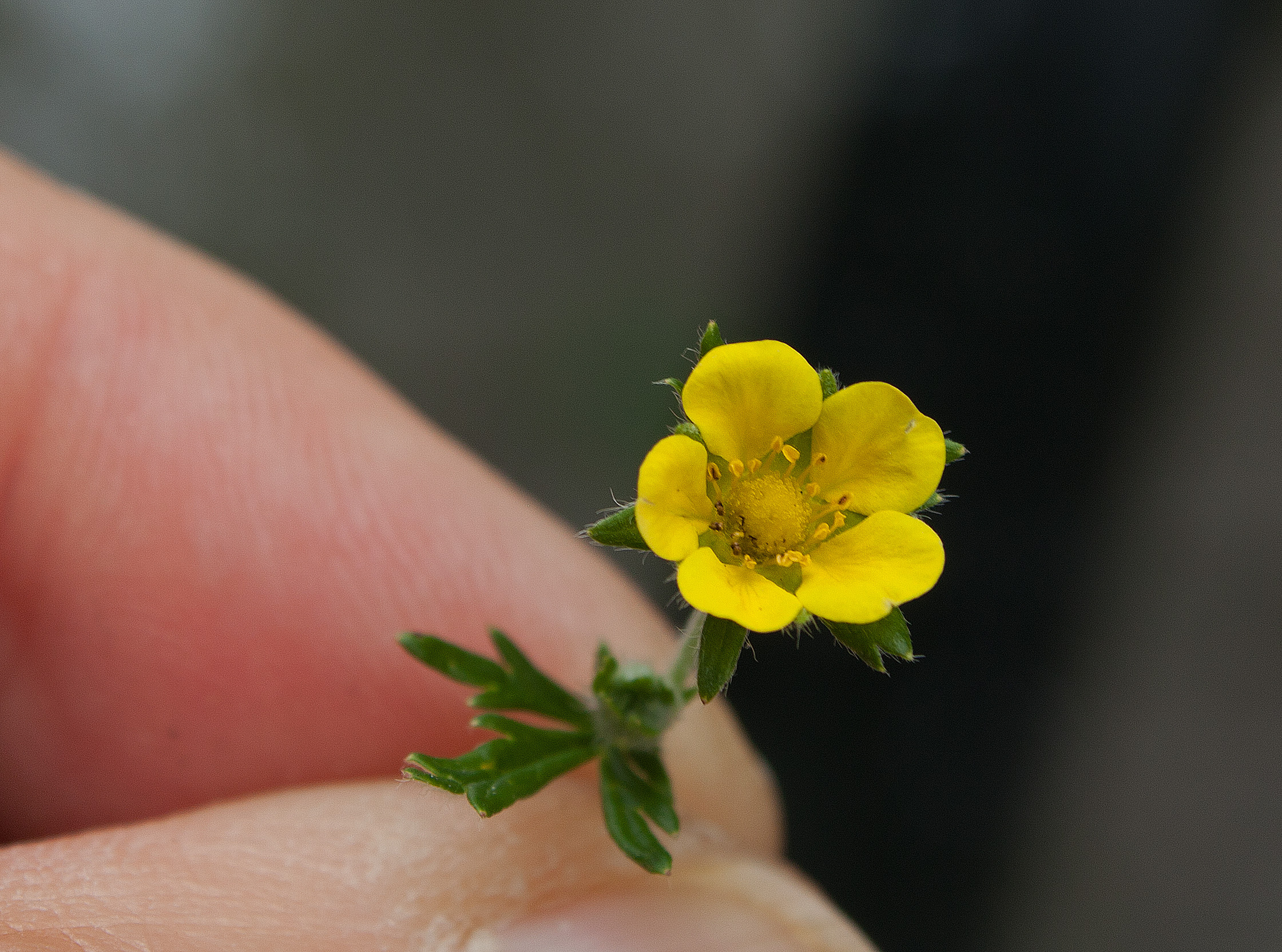
Raw, boiled or roasted, the spring roots have been likened to parsnips, chestnuts and sweet potatoes. The Silvery Cinquefoil is medicinally used as an astringent in gargles, washes and teas for reducing inflammation. It has been used as a diuretic, against nephritis, cystitis, kidney stones, prostatitis, ailments related to menstruation and climax, and uterine bleeding.
Common Cinquefoil
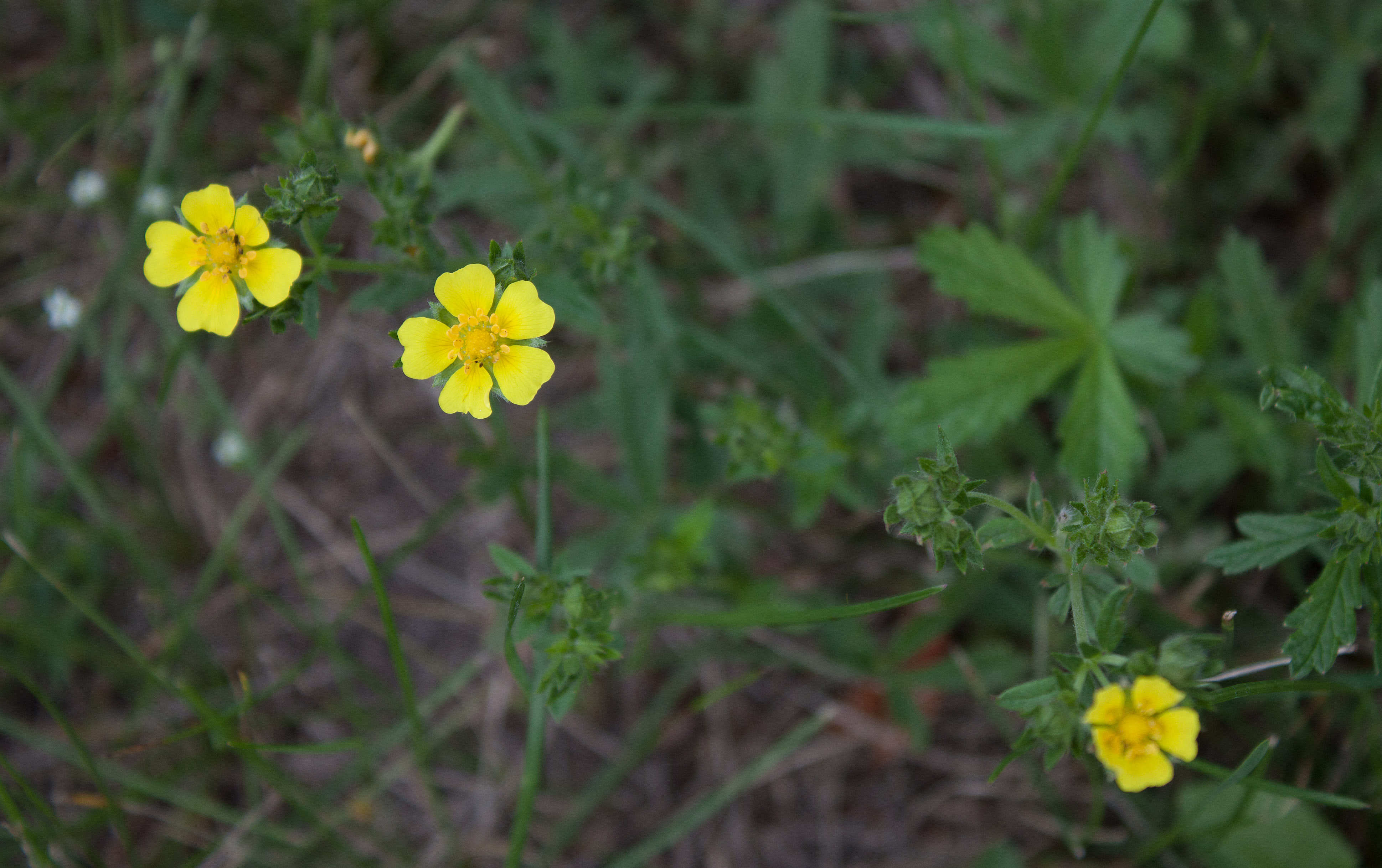
If a lawn is left not mowed for longer, another cinquefoil will grow. The native Common Cinquefoil (Potentilla simplex) is taller than the Silvery Cinquefoil, with prostate stems, rooting at the nodes. It can be distinguished from the smaller Dwarf Cinquefoil by the shape of its leaves (more elongated vs wedged-shaped). Its leaves do not show the diagnostic silvery hairy underside of Silvery Cinquefoil either.
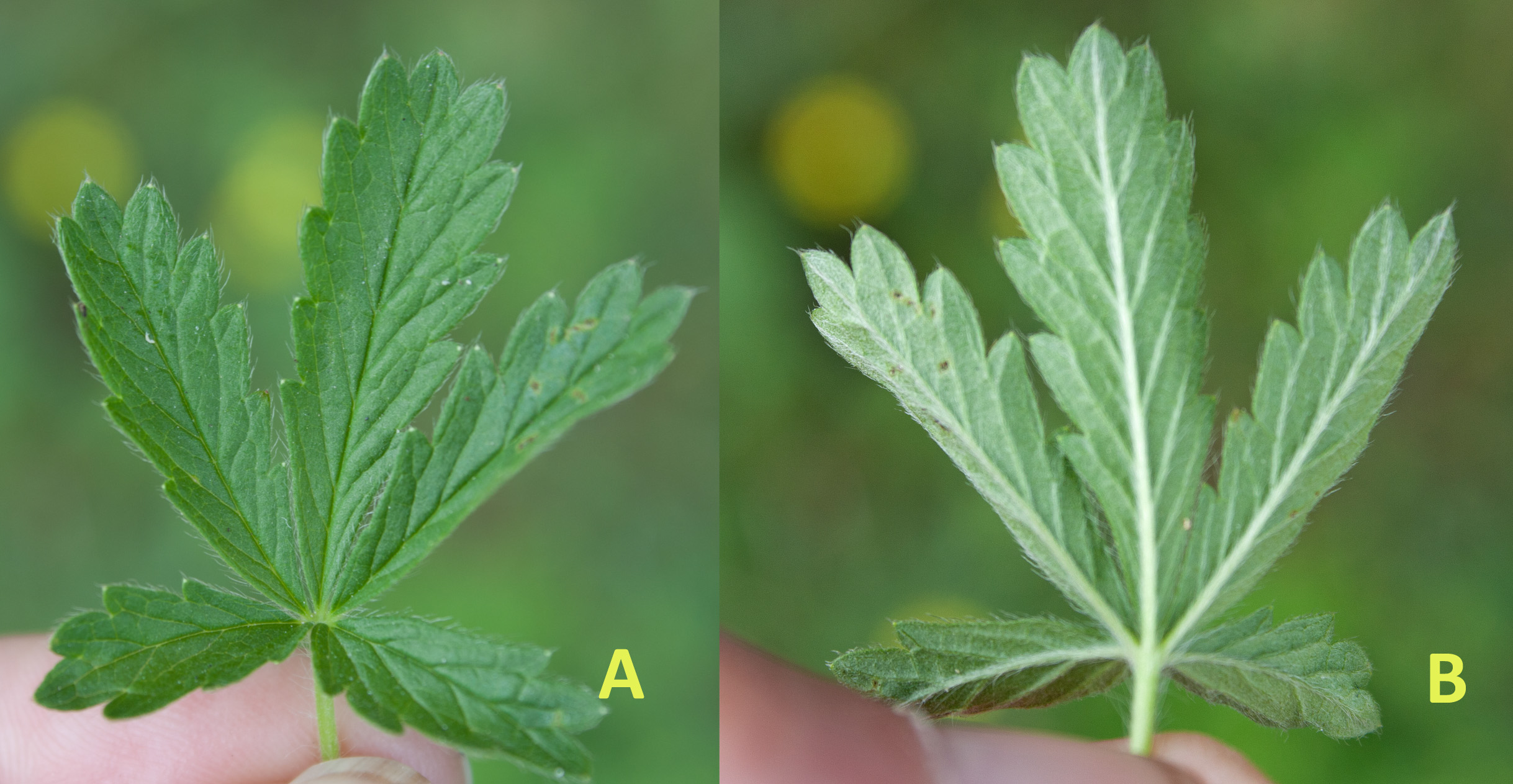

Flowers larger than the Silvery Cinquefoil rise from runners on separate stalks. Common in fields, open meadows, dry woods and unmanicured lawns, this Potentilla is also edible. Young shoots and leaves can be eaten as a pot herb or in a salad.
Freak of Naturals writes that all Potentillas are “considered to be one of the safest native astringents, widely used in herbal medicine in the treatment of dysentery and sore throats. The whole plant, and especially the roots, are antibiotic and strongly astringent.”
Common Storksbill

Common storksbill (Erodium cicutarium) is a tiny pink five-petal flower whose leaves, flowers, roots, and stems are edible. The young leaves, which look like parsley leaves in fact taste like parsley if picked young. I found them nestled among black medick and young yarrow and clover in a public lawn by the Rotary Trail. The beautiful tiny pink flowers that grew out of a deeply lobed leafy rosette caught my attention first. The stems are reddish and hairy. According to Specialty Produce, the flowers vary from gorgeous pink–as I saw them–to electric violet. The flowers have 5 petals, 5 styles and 10 filaments, blooming in clusters of 2 to 3 flowers. The plant gets its name from the long, slender pointed seed pods. As these needle-like seed pods dry, increased tension eventually causes the pod to explode, launching the seeds into the air.

Medicinal uses of this sweet plant act to calm the digestive tract. The greens are commonly used in some parts of the world in an infusion and consumed to alleviate constipation and to stimulate digestion. Some use it to treat uterine and other bleeding. The root and leaves are eaten by nursing mothers to increase the flow of milk. The plant can also be used as a wash on animal bites and skin infections. A poultice of the chewed root can be used on sores and rashes.
Wild Strawberry
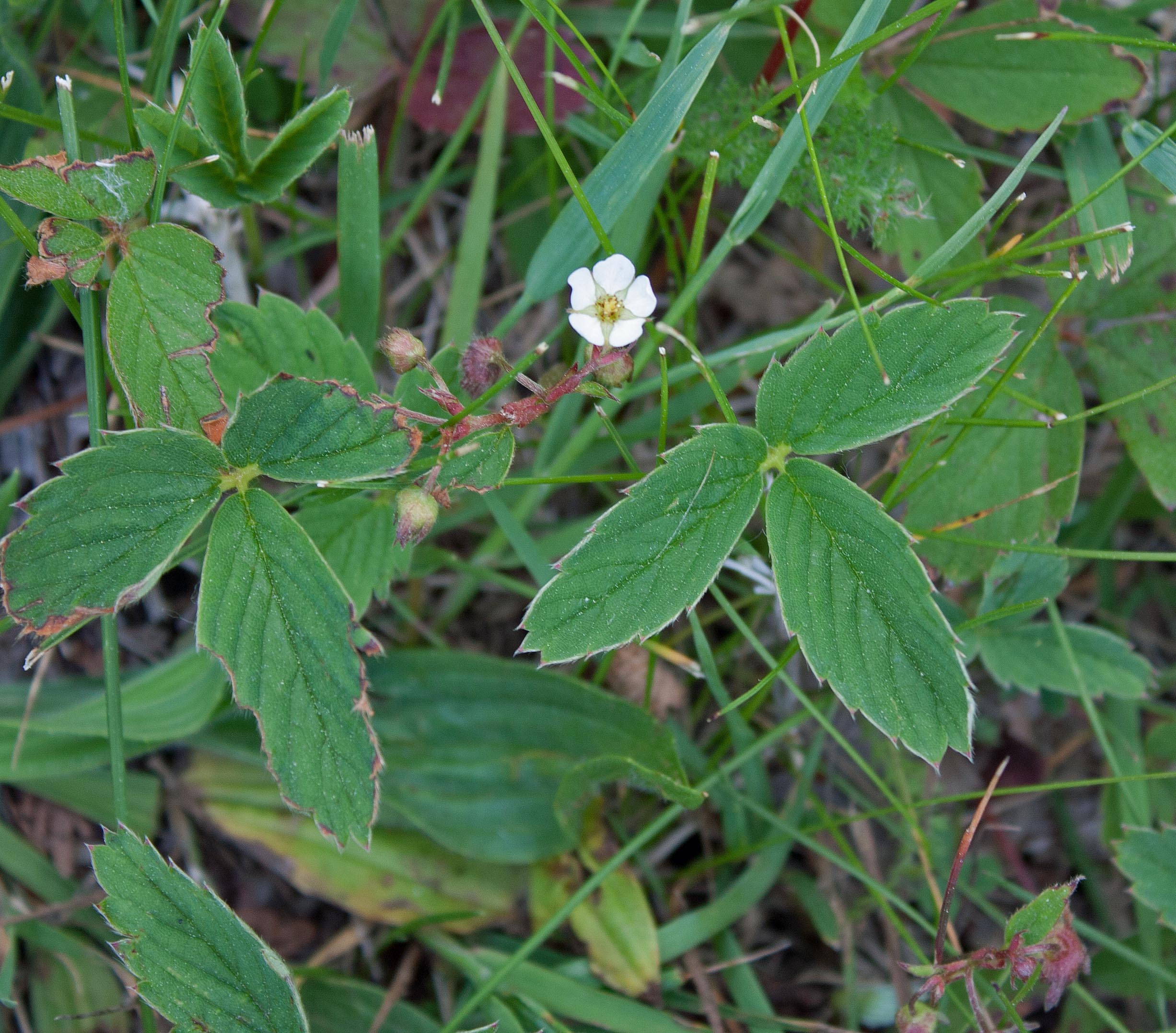
Wild Strawberry (Fragaria virginiana) is a ground-hugging perennial that rises from a fibrous root system and spreads by runners, growing in patches in fields and dry opening and sometimes in lawns. The edible part, of course, is the bright red fleshy receptacle of the flower that holds its tiny seeds.
Common Yarrow
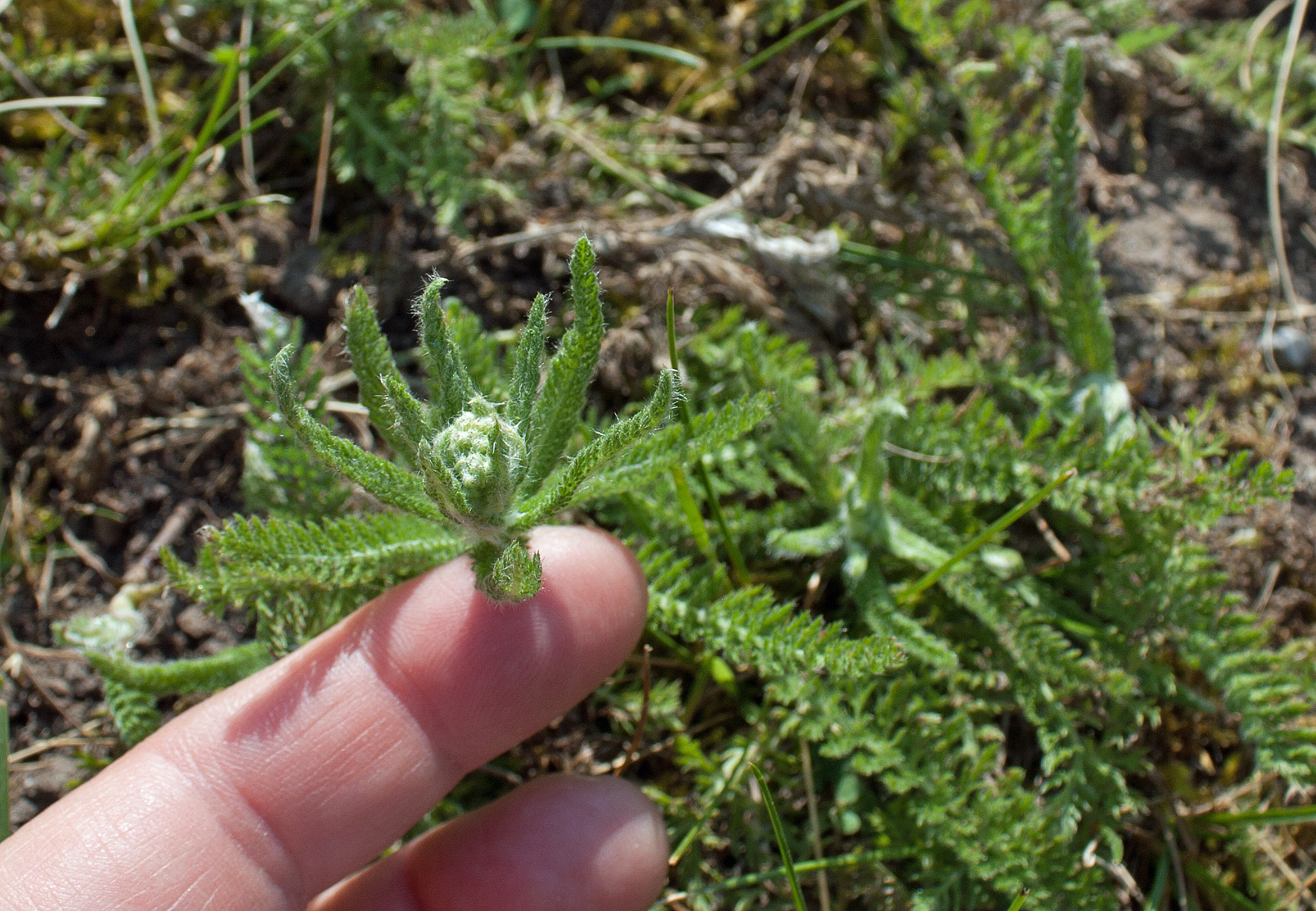
Common Yarrow (Achillea millefolium) is an edible perennial native found in meadows, grasslands, pastures and along roadsides. It is distinguished by its feathery leaves and clustered white flowers. Edible parts include the leaves and flowers. Its leaves, while bitter and peppery, bring an aromatic zest to a salad, soup or sauce. The flowering tops can be sprinkled on salads and dishes as a condiment or decoration. Eat Weeds shares a recipe for a yarrow puree.

Yarrow’s most prized medicinal property as an astringent and blood clotter links to its name, Achillea, from the legend in which Achilles used the herb to stop the bleeding of his wounded soldiers. Jesus was also said to have given Joseph yarrow to stop a wound from bleeding. It became one of the nine holy healing herbs used by Christians. Both leaves and flowers contain high amounts of vitimin A and C, potassium, zinc, magnesium, calcium, phosphorus, and niacin. Yarrow tea helps with nasal and sinus problems and provides relief from congestion, allergies, coughs, and upset stomachs. Yarrow salves help reduce swelling and bruising. Gardening Know How adds that “yarrow is also used to treat depression and emotional problems. It is generally regarded as a harmonizing and balancing herb plant.”
Pineapple Weed

Pineapple Weed (Matricaria discoidea) or wild chamomile is a low-growing edible that seems to prefer the compacted well-trodden soils of path or road edges. These diminutive herbs with cone-shaped green-yellow flower heads and frilly leaves are easy to identify. The frilly leaves are first to show up in spring and by early June are festooned with button flower heads that make an exquisite tea or nutritious cold drink. Simply nip off the flowerhead (without the papery bracts) for a pleasant drink. Both flowers and leaves are edible, but everything except the flowers can be bitter.

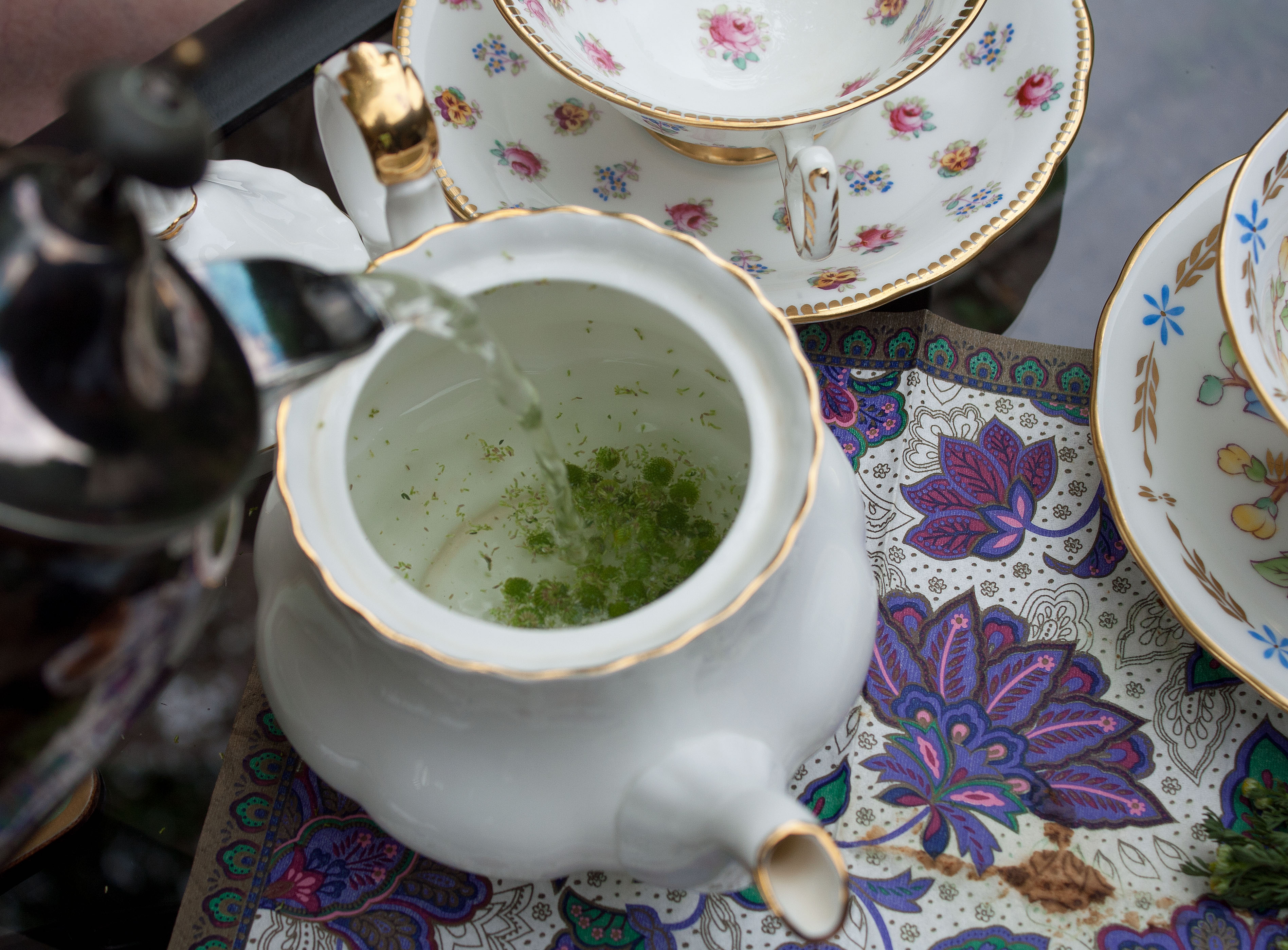
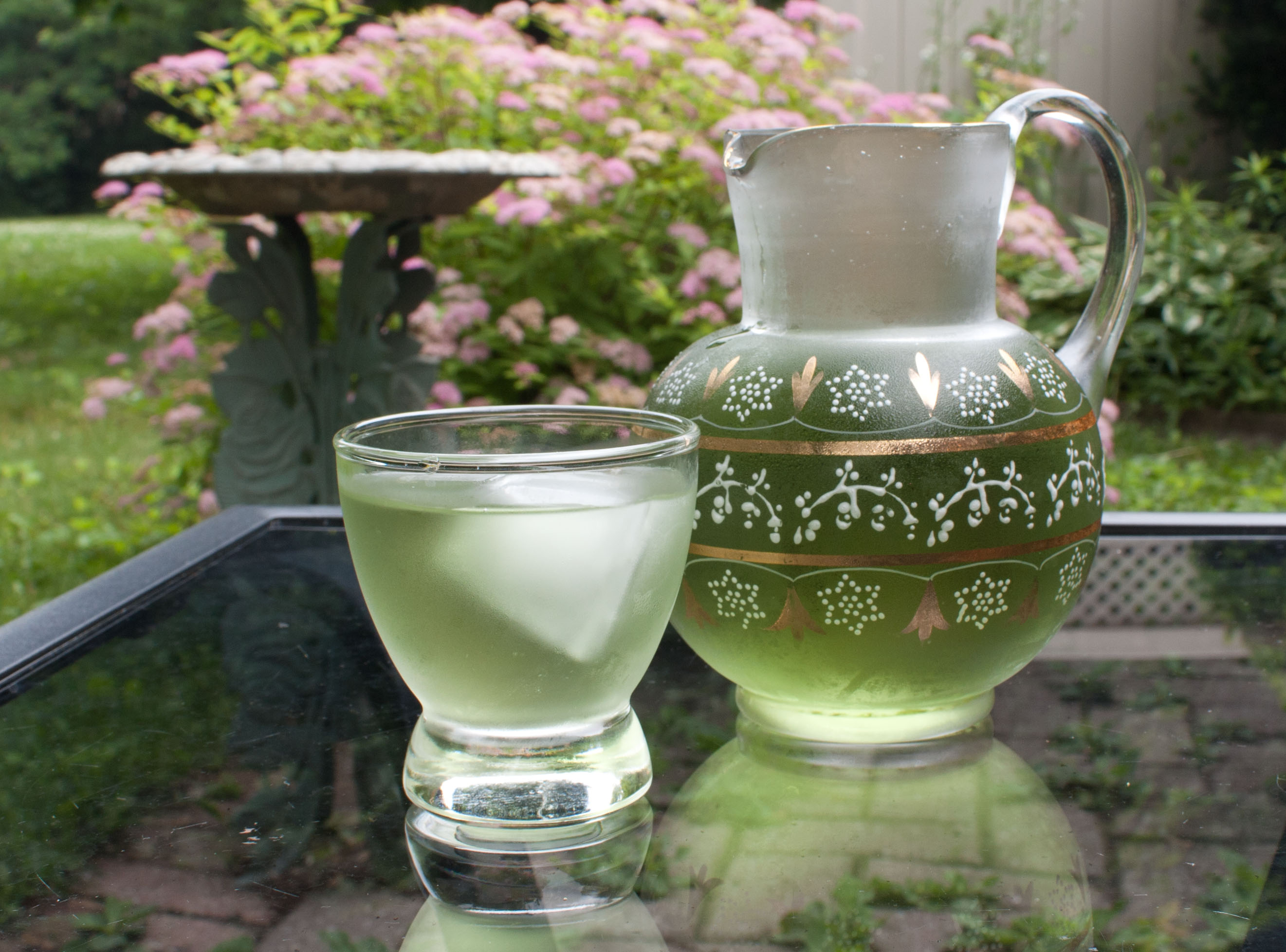

Medicinal uses of pineapple weed are identical to that of true chamomile. As a tea, it acts as a carminative, antispasmodic, and mild sedative. In Wild Urban Plants of the Northeast, Peter Del Tredici writes, “A tea made from the leaves has been used in traditional medicine for stomach aches and colds.” Colleen adds that it is good for general relaxation and to promote sleep as well as an excellent digestive aid. Ashley at Practical Self Reliance tells us that it can be used for flatulence, menstrual cramps and as a wash for sores and itchy conditions. It can also be used as a mild pain reliever.
Thyme-Leaved Speedwell
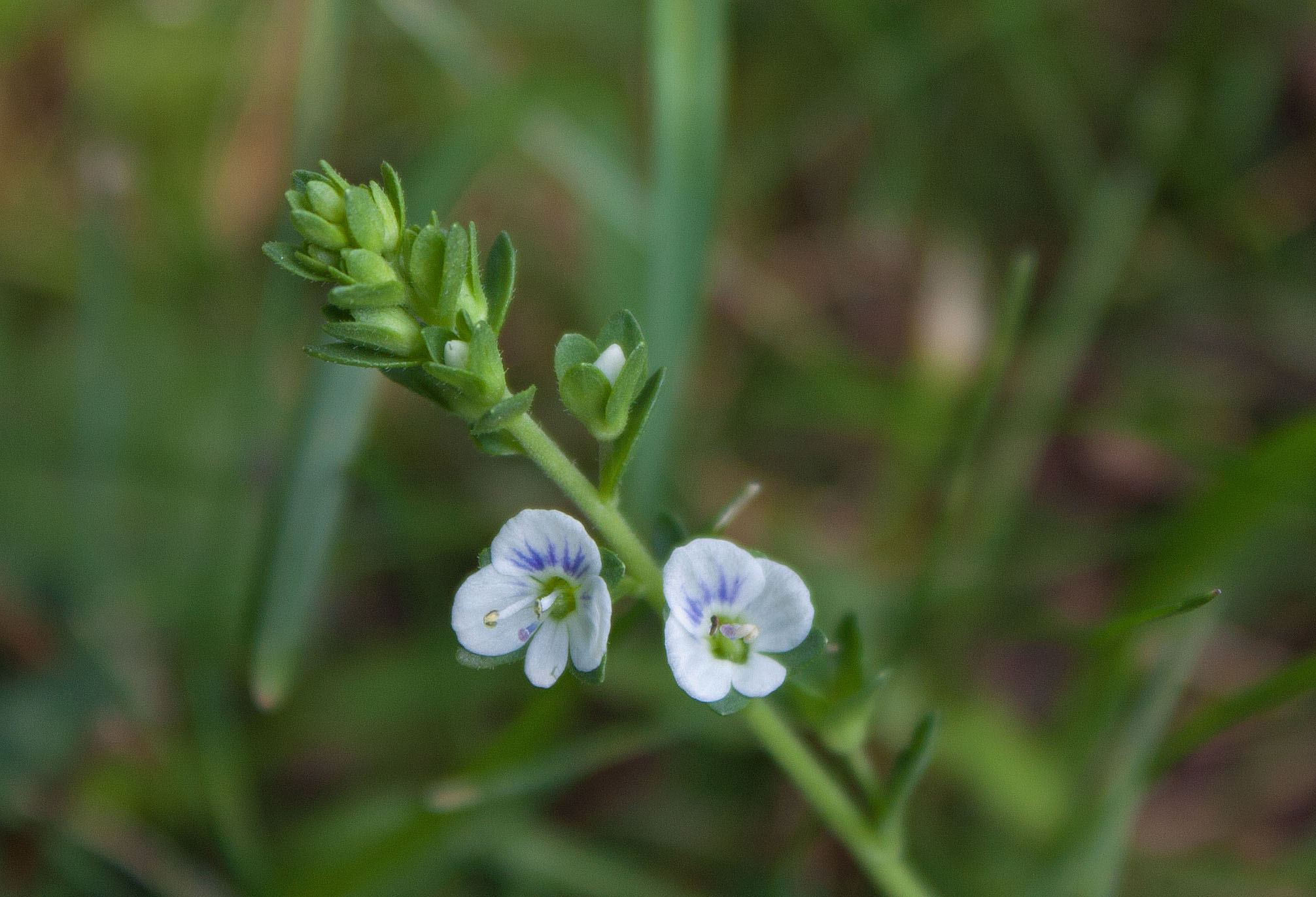
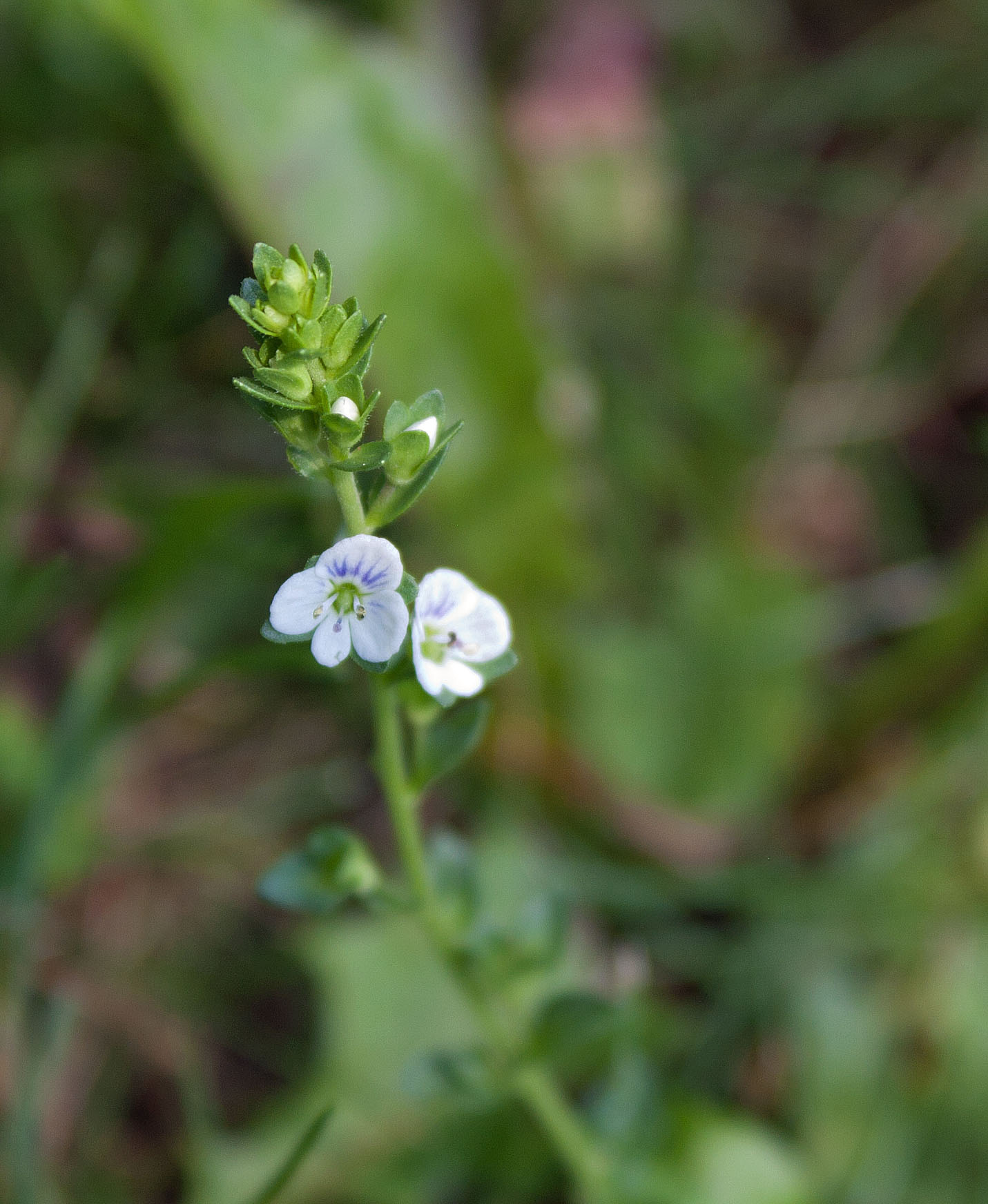
Thyme-leaved Speedwell (Veronica serpylifolia) is a small perennial raw edible that is best harvested before flowering and can be used in salads or as a potherb. Some describe the flavour of the leaves as comparable to watercress. The bitter leaves and stems also make a green tea substitute. An infusion of speedwell can be used as a wash for irritated or infected skin and as a gargle for mouth and throat soars. Recent studies have shown that the tea is an effective preventative treatment for stomach ulcers.
Bird’s Eye Speedwell
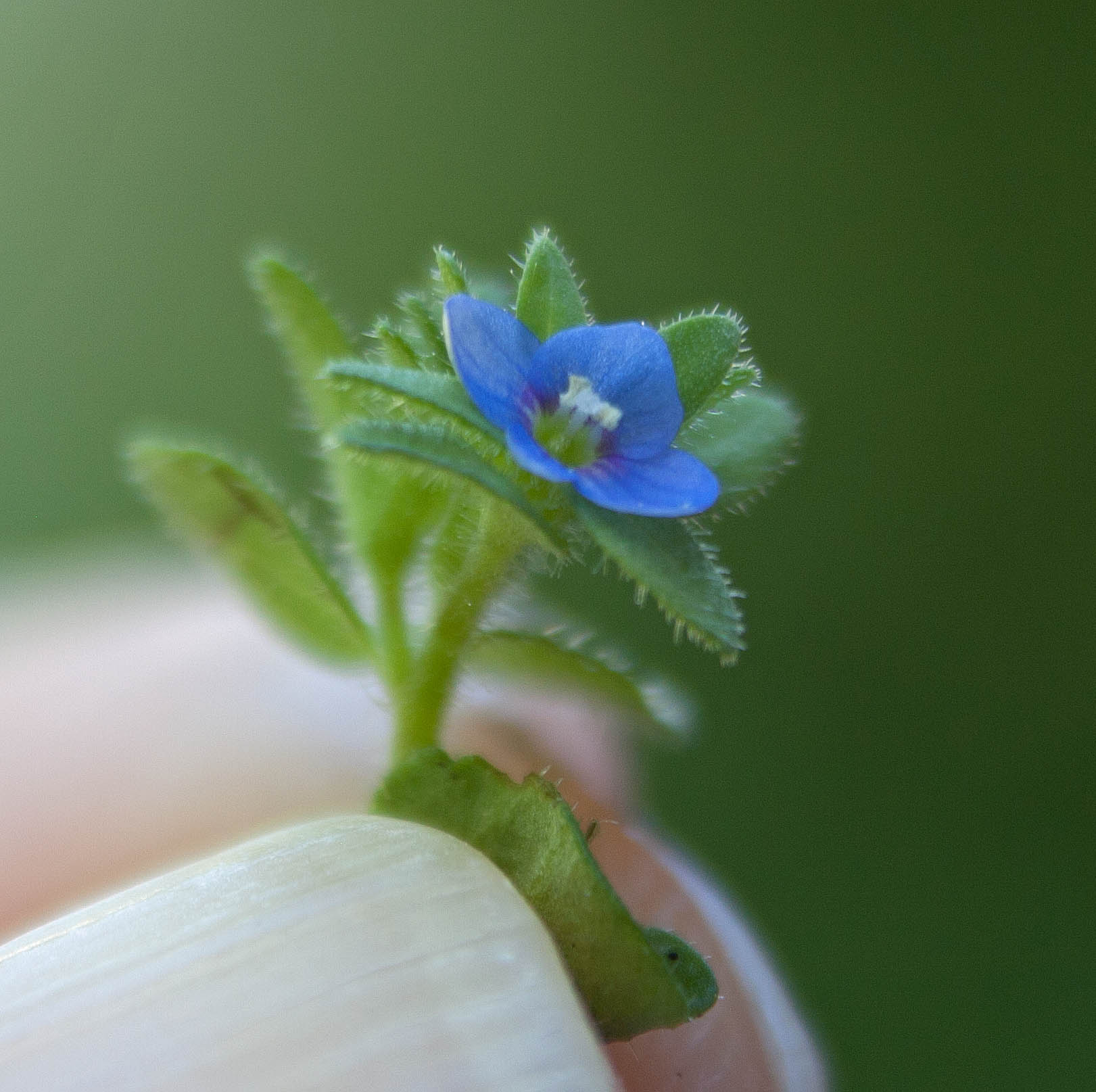
Bird’s Eye Speedwell (Veronica persica) is edible through spring and summer, particularly its young growth tips; leaves are best before flowering and can be used in salads or in casseroles and soups. This tiny plant has been used to treat patients with heart trouble. Speedwells are well recognized as having antioxidant properties. Veronica persica is also used as a snakebite treatment, against hemorrhaging, rheumatoid arthritis, asthma, and as an expectorant.

Thyme-Leaved Sandwort
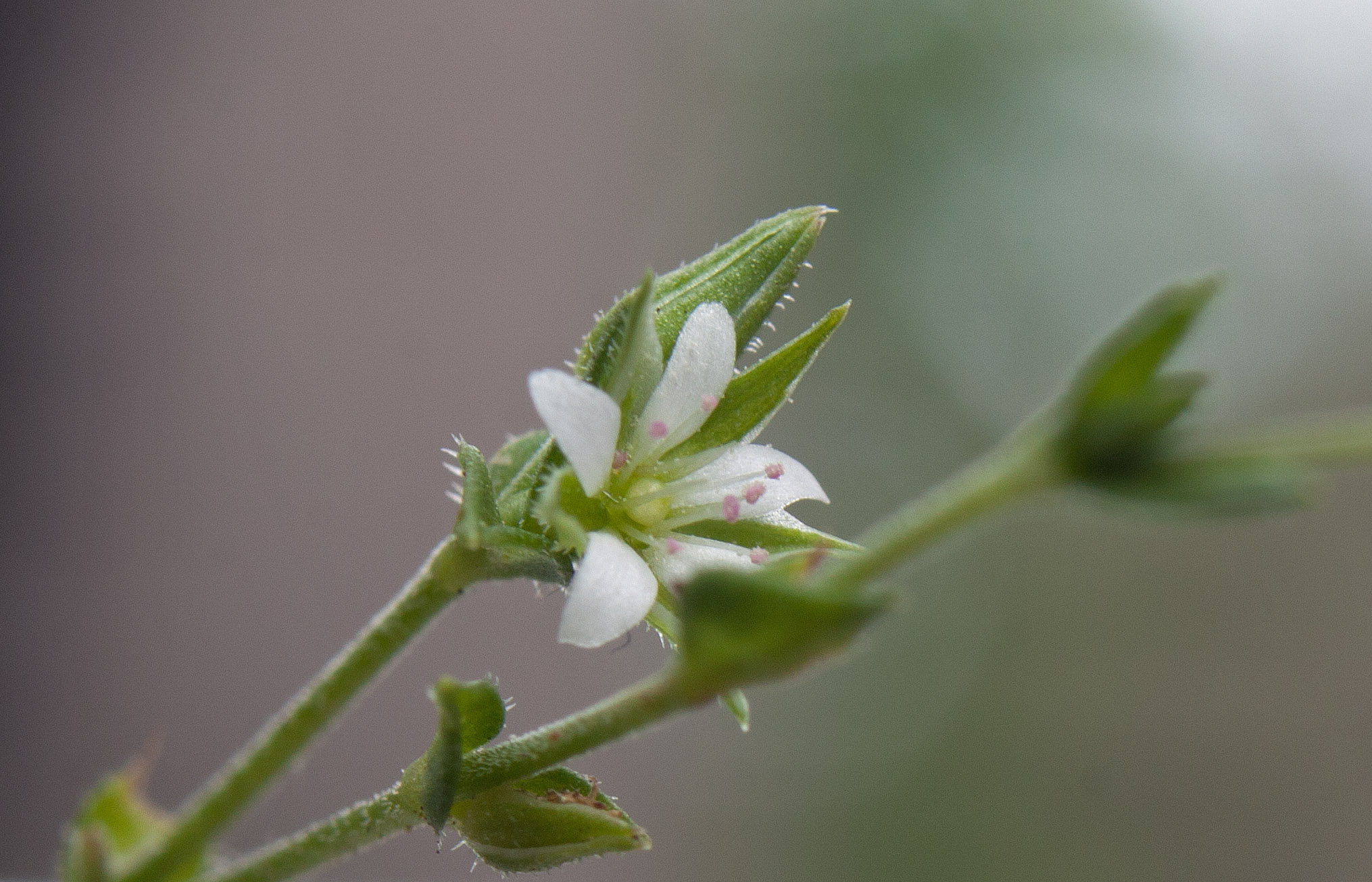
Thyme-leaved Sandwort (Arenaria serpyllifolia) is an edible plant with stunning tiny white 5-petal flowers; petals alternate with long green sepals, creating a ten-pointed star. A native of Europe and Asia, it grows in part shade and sun over disturbed sandy or gravelly soil, roadsides, waste areas as well as fields and lawns. According to Minnesota Wildflowers this tiny plant tends to inhabit areas that are weedy with other species and spreads through branching sprawling stems.

The entire plant is used as a pot-herb. Eaten raw, I would describe its beautiful flowers as having a perfume taste of flower and legume. The medicinal properties of thyme-leaved sandwort include: antitussive, depurative, diuretic, and febrifuge. A decoction of the leaves can help treat dysentery. It is also used to treat bladder complaints and chronic cystitis.
Black Medick

Black Medick (Medicago lupulina) thrives in tightly compacted soil such as walkways and roadsides, where I often see them growing almost a foot high. It is often confused with lesser trefoil (Trifolium dubium) or yellow suckling clover, which closely resembles it and grows in similar habitats, including lawns. Botany in Scotland provides excellent diagnostic criteria, with images, to tell them apart. One definitive way, which I used to distinguish my sample, is the leaf tip. The leaf of M. lupulina has a tiny triangular point at the end of the main vein, which is described as ‘apiculate.’


Black medic is edible and rich in minerals (e.g. phosphorus, potassium, and magnesium), protein and fiber. I find the flowers pleasantly sweet with a slightly bitter aftertaste of grassy green; the leaves are also slightly bitter. Leaves are used as a potherb, cooked and eaten like other greens such as spinach and collards. According to Eat the Planet, the best way to cook the leaves is to lightly sauté or stir-fry them; they can also be added to soups or stews. While some might find the leaves overly bitter they can also be used in a salad. Black medic is used as fodder for cattle and livestock; however, too much of it causes dangerous gastric problems. Medicinal properties include its use as a mild laxative and to cure constipation. The herb contains antibacterial properties and has been used to assist the body’s blood clotting process (e.g. stops bleeding).
Carolina Geranium
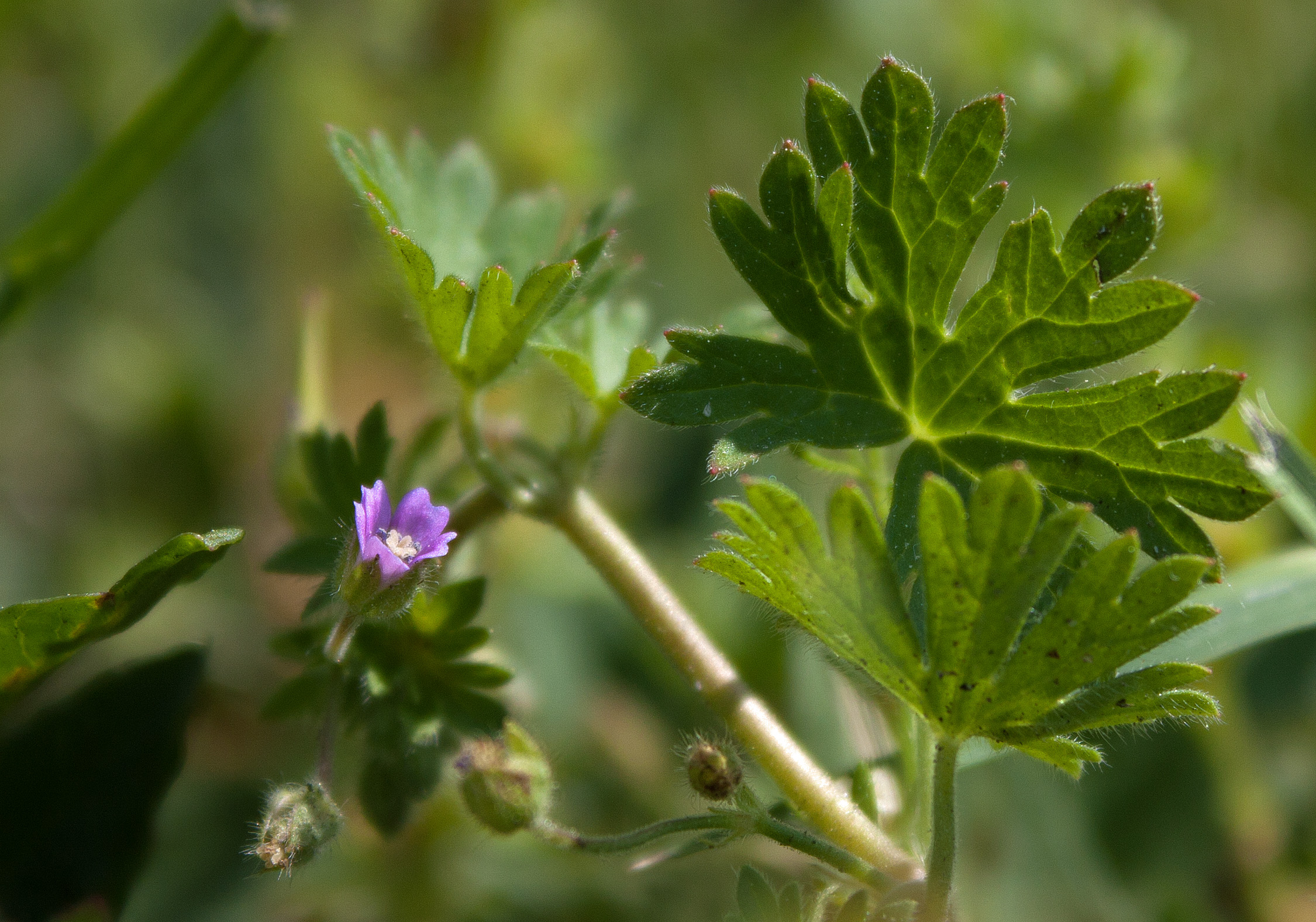
Carolina Geranium (Geranium carolinianum), also called Carolina crane’s-bill, is an edible herb native to North America, where it is widespread in many types of habitat, including lawns and disturbed verges.
Carolina geranium is medicinally used as a: natural astringent, anti-fungal, anti-bacterial, antioxidant, and anti-infammatory. The plant is used by indigenous peoples to treat wounds, infections, sore throats, gastrointestinal problems and arthritis. This natural astringent can be used as a mouth rinse to soothe the pain of canker sores. The tannins in the herb (which give it a bitter taste) bind up fluids and relieve inflammation. The shallow taproot is most sought after for herbal remedies.
Scarlet Pimpernel
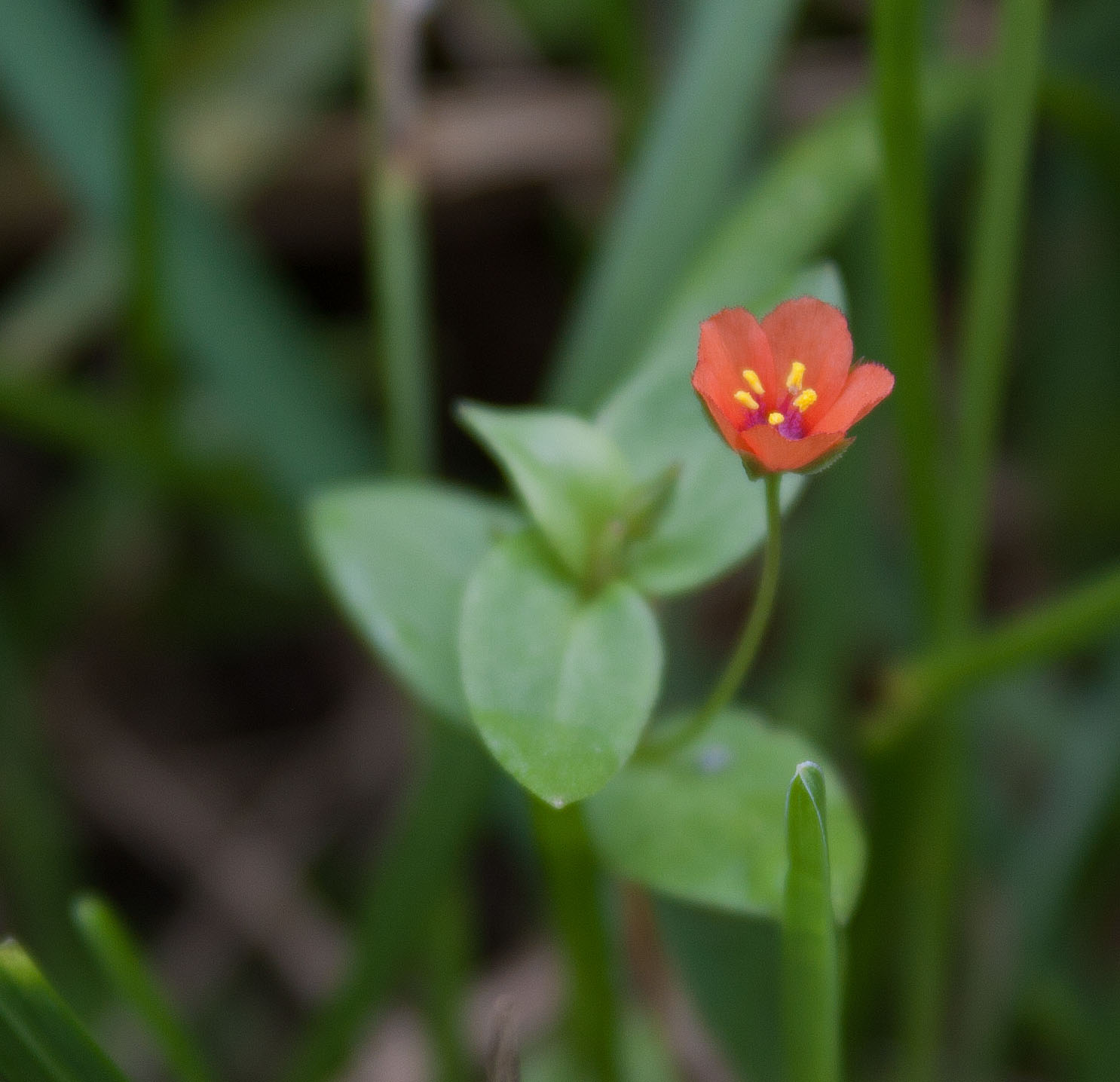
I stumbled across the Scarlet Pimpernel (Anagallis arvensis) by noticing the intense orange colour of this tiny 5-petal flower (smaller than my baby fingernail). Also known as red chickweed or shepherd’s clock (because the flowers only open in bright sunlight), this low-growing creeping annual with square stems also has a blue variety, though less common. Rising out of the centre of five bright orange petals are brilliant stamens with bright pink filaments and yellow anthers. Part of the primrose family (Primulaceae) the pimpernel grows in sunny lawns and fields and along the verges of salted roads and disturbed areas.
This tiny plant can cause rashes in people with sensitive skin who touch it. The plant contains toxic saponin and cytotoxic cucurbitacins, which make it not edible or palatable. However, the plant has medicinal properties according to Health Benefits Times and is used externally to heal wounds. Foraging Texas shares that this plant has antimicrobial, anti-inflammatory, and anti-fungal properties. Others have used it as an insecticide and rubbed its juice on wasp and bee stings to relieve pain. In China it is a folklore remedy for snake bite and hydrophobia. Health Benefits Times cautions on using Scarlet Pimpernel as a medicine, given its potential toxic properties: “It must be done with caution and only in very small doses. This herb is not appropriate for self-medication and should only be used under the instructions and care of a qualified health care professional.”
Bird’s Foot Trefoil

While the plant is not edible–containing cyanogenic glycosides that release small amounts of hydrogen cyanide when macerated– Natural Medicinal Herbs lists many medicinal uses. These include: carminative, febrifuge, hypoglycaemic, restorative, vermifuge. The flowers are antispasmodic, cardiotonic and sedative. The root is carminative, febrifuge, restorative and tonic. The plant is used externally as a local anti-inflammatory compress in all cases of skin inflammation. It is a favourite for bumblebees and an important nectar source for many insects.
Bird’s Foot Trefoil (Lotus corniculatus), also called ‘bacon and eggs’, is a low-growing perennial herbaceous plant with yellow pea-like flowers and orange buds. Introduced to North America and commonly planted along roadsides for erosion control or pastures for forage, it spreads easily elsewhere.

Bindweed

I also found a patch of Field bindweed (Convolvulus arvensis), an invasive weed, on one lawn; it is supposedly edible if cooked but only in moderation. Warnings abound and I’m not inclined to suggest it. Given its persistent spread, POD calls bindweed “a bit of a thug.” It has creeping stems that outcompete nature plants, spreading through an extensive root and rhizome system, often twining and climbing or forming dense tangled mats. A single plant can easily reach head height with its elongated, arrowhead-shaped leaves, choking everything it covers. Look out for this pesky, though beautiful, weed!
See my article “Confessions of a Weed Hunter” for more information on the ecological services (e.g. uses by wildlife and other aspects of ecosystem health) provided by some of these edible weeds.

Nina Munteanu is a Canadian ecologist / limnologist and novelist. She is co-editor of Europa SF and currently teaches writing courses at George Brown College and the University of Toronto. Visit www.ninamunteanu.ca for the latest on her books. Nina’s bilingual “La natura dell’acqua / The Way of Water” was published by Mincione Edizioni in Rome. Her non-fiction book “Water Is…” by Pixl Press (Vancouver) was selected by Margaret Atwood in the New York Times ‘Year in Reading’ and was chosen as the 2017 Summer Read by Water Canada. Her novel “A Diary in the Age of Water” was released by Inanna Publications (Toronto) in June 2020.
 The Meaning of Water