What Do Individuals who Litter and Corporate Polluters Have in Common?
Some of the most common litter found in Ontario countryside and near water: plastic water bottles, Tim Horton’s coffee cups, and cigarette butts (photos by Nina Munteanu)
The short answer: everything. They are the same creature…
“If we can’t stop ourselves from the simple act of littering, how can we expect large corporations like DuPont, Bayer, and Honeywell to stop their willful pollution of our waterways with forever chemicals?”
A Linked-In colleague responded with: “It’s the other way around, Nina. You can’t escape consumerism. And littering is not the same as pollution by multi-national conglomerates with a lot of history like DuPont and Bayer.”
This prompted me to think that the colleague had not even read my article. Because, in it I submitted that while the act of dropping a plastic bottle or toxic cigarette butt in a forest by a river seems small compared to a corporation’s wilful release of toxic chemicals in the environment, the mindset is the same.
Littering from a car (image by Discover Magazine)
“Littering,” I contended, “was an individual’s most personal form of disrespect and apathy for everything: the environment (one’s home), other people, and ultimately oneself.”
Three main factors drive one to litter and they are the same factors that drive a corporate CEO to wilfully sanction the continued dumping of dangerous chemicals into the environment: (1) lack of respect (for the environment; for all things, including self); (2) apathy (born of insecurity, lack of connection–particularly with the natural environment–and fear of vulnerability); and (3) a sense of no accountability.
By diminishing the act of littering, as my colleague had done, we become complicit in the notion that consumerism drives everything—even disrespect—and therefore somehow acceptable. As though the wilful act of throwing garbage into a forest or creek is just a natural function of a consumer attitude, not an individual’s disrespect of nature. Consumerism does not drive human behaviour and action; it simply exploits and directs traits that do drive us: insecurities, fears, longings—the very traits that the capitalist neoliberal model subvert to ensure continued consumerism and growth in capital. Consumers instead point an accusatory finger away from self as responsible to a concept or an amoeba-like corporate entity that is mostly untouchable and iconic: DuPont did this; DuPont did that… Not CEO so-and-so ratified this decision or that action:
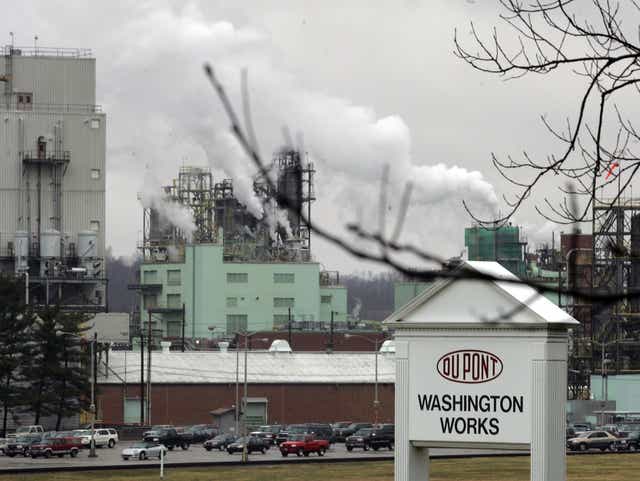
DuPont Washington Works facility, responsible for killing numerous people in its community with PFOA, a forever chemical released knowingly into drinking water
PFAS-laced form washes up a creek near a DuPont facility (Image by UpNorthLive.com)
How differently it would read if these individuals were made accountable instead of hiding under the shrouding carapace of a corporate entity!
~~~~~~~~~~~~~~~~~~~~~~~~~~~~
NOT: in 1984, DuPont secretly collects and tests tap water from its employees, which show forever chemical C8 (PFOA) at potentially dangerous levels in the public water supplies of both Ohio and West Virginia. In the years following, DuPont escalates production, keeping the chemical’s dangers a secret. Over the decades that follow, DuPont continues to pump hundreds of thousands of pounds of PFOA sludge and powder through the outfall pipes of the Parkersburg facility into the Ohio River and C8-laced vapours out its smokestacks.
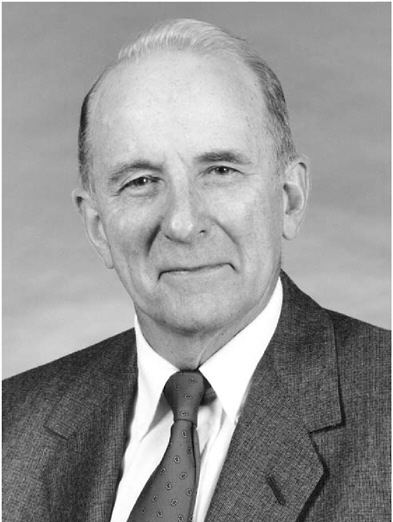
INSTEAD: in 1984, CEO Edward G. Jefferson signs off the secret collection and testing of tap water from his employees, which show forever chemical C8 (PFOA) at potentially dangerous levels in the public water supplies of both Ohio and West Virginia. Despite his knowledge of this, Jefferson agrees to escalate production in the following years, keeping the chemical’s dangers a secret. Over the decades that follow, Jefferson is responsible for the continued willful pumping of hundreds of thousands of pounds of toxic PFOA sludge and powder through the outfall pipes of the Parkersburg facility into the Ohio River and C8-laced vapours out his smokestacks into the surrounding air of nearby communities.
~~~~~~~~~~~~~~~~~~~~~~~~~~~~~
NOT: in 1999, DuPont ‘collaborates’ with EPA in which it appoints half the scientists. DuPont doesn’t provide the other scientists with information on C8 or notify them that it is in the water and at levels that are unsafe.
INSTEAD: in 1999, Chairman and CEO Charles O. Holliday Jr. ‘collaborates’ with EPA in which he oversees appointing half the scientists. Holliday doesn’t provide the other scientists with information on C8 or notify them that it is in the drinking water and that levels are unsafe to the community.
~~~~~~~~~~~~~~~~~~~~~~~~~~~~~~~
Corporations are certainly a legal entity; but they are made up of people. People run them. CEOs, shareholders, corporate managers. These are all individuals with their own history, moral obligation, and place in the community. They are accountable, no matter what the law.
They are morally accountable. Just as individuals who litter are.
Littering from a car (image by Newsweek)
Nina Munteanu is a Canadian ecologist / limnologist and novelist. She is co-editor of Europa SF and currently teaches writing courses at George Brown College and the University of Toronto. Visit www.ninamunteanu.ca for the latest on her books. Nina’s bilingual “La natura dell’acqua / The Way of Water” was published by Mincione Edizioni in Rome. Her non-fiction book “Water Is…” by Pixl Press (Vancouver) was selected by Margaret Atwood in the New York Times ‘Year in Reading’ and was chosen as the 2017 Summer Read by Water Canada. Her novel “A Diary in the Age of Water” was released by Inanna Publications (Toronto) in June 2020.






 The Meaning of Water