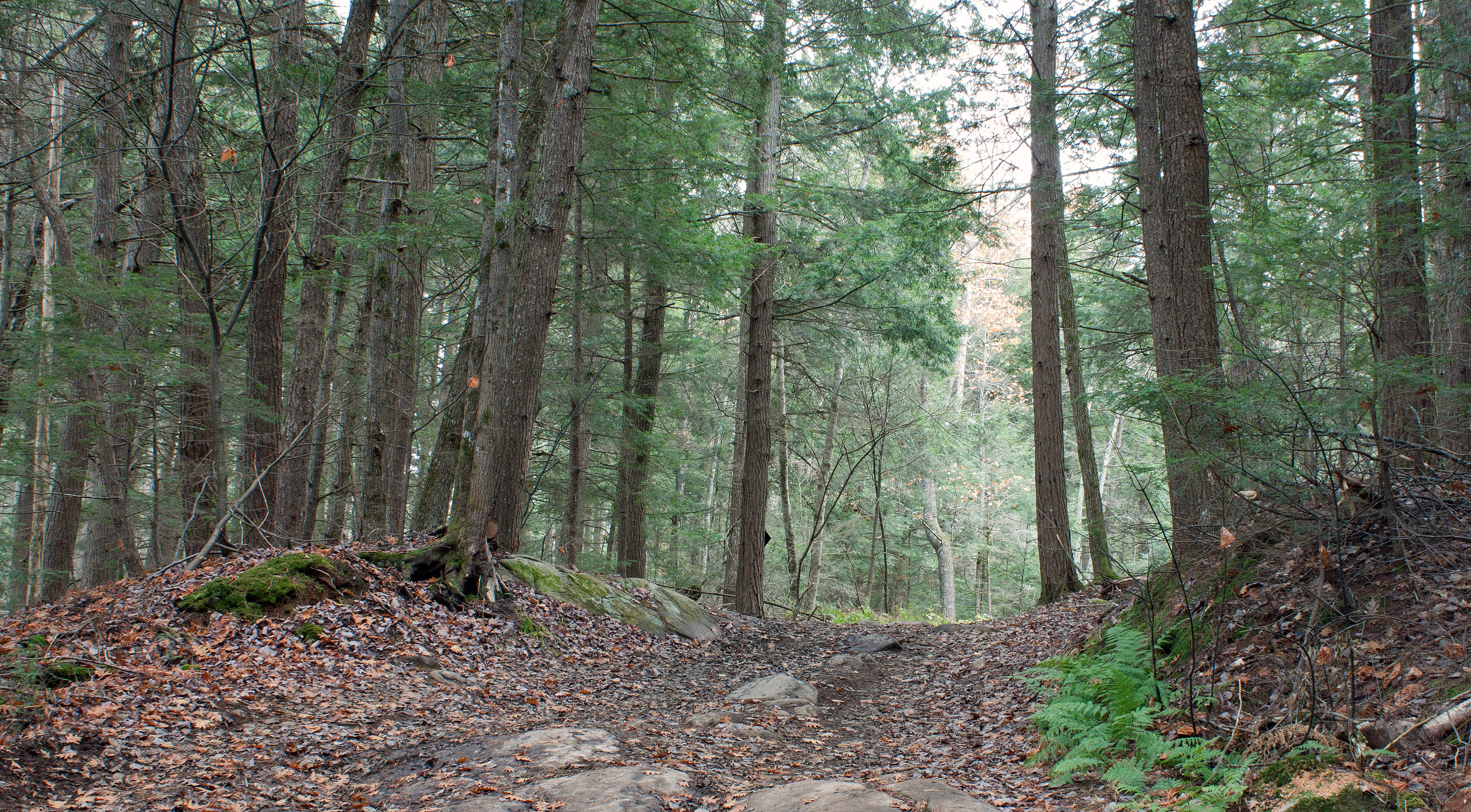
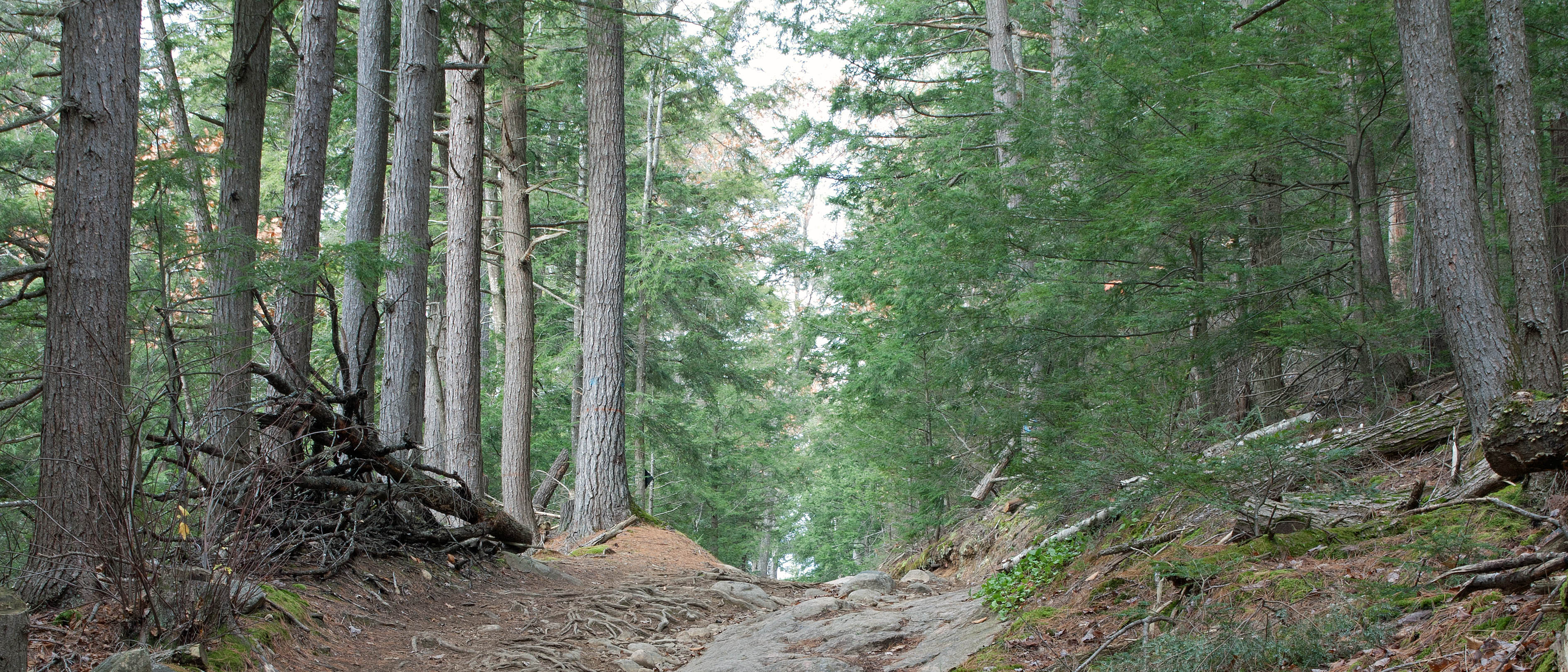
At lunch time I reached the trailhead of the Catchacoma old-growth hemlock forest off Highway 507. The trail was wide and fairly even in elevation. It began as a gravel road and eventually continued as a rough dirt-stone path that exposed large slabs of flat limestone.
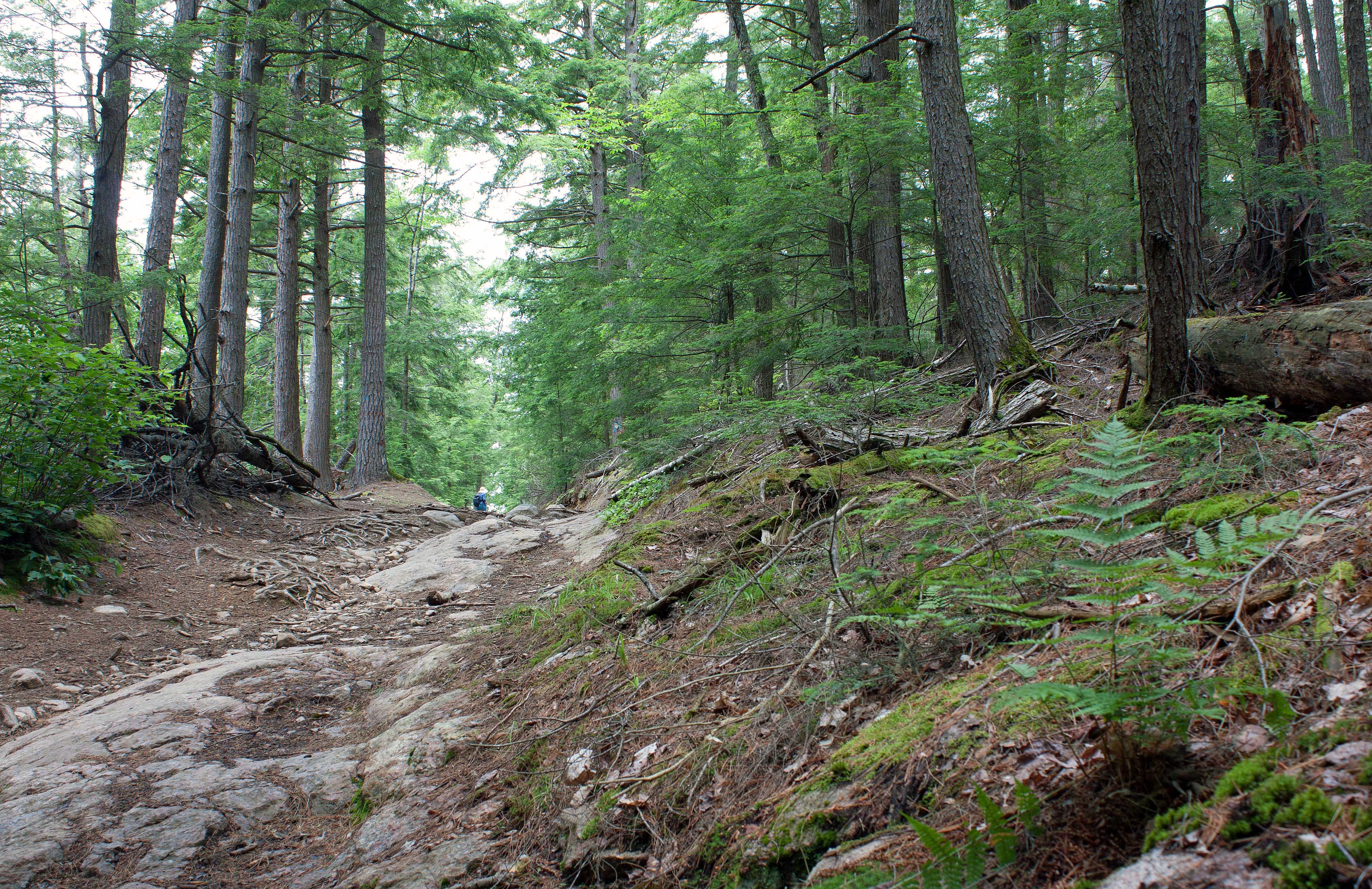
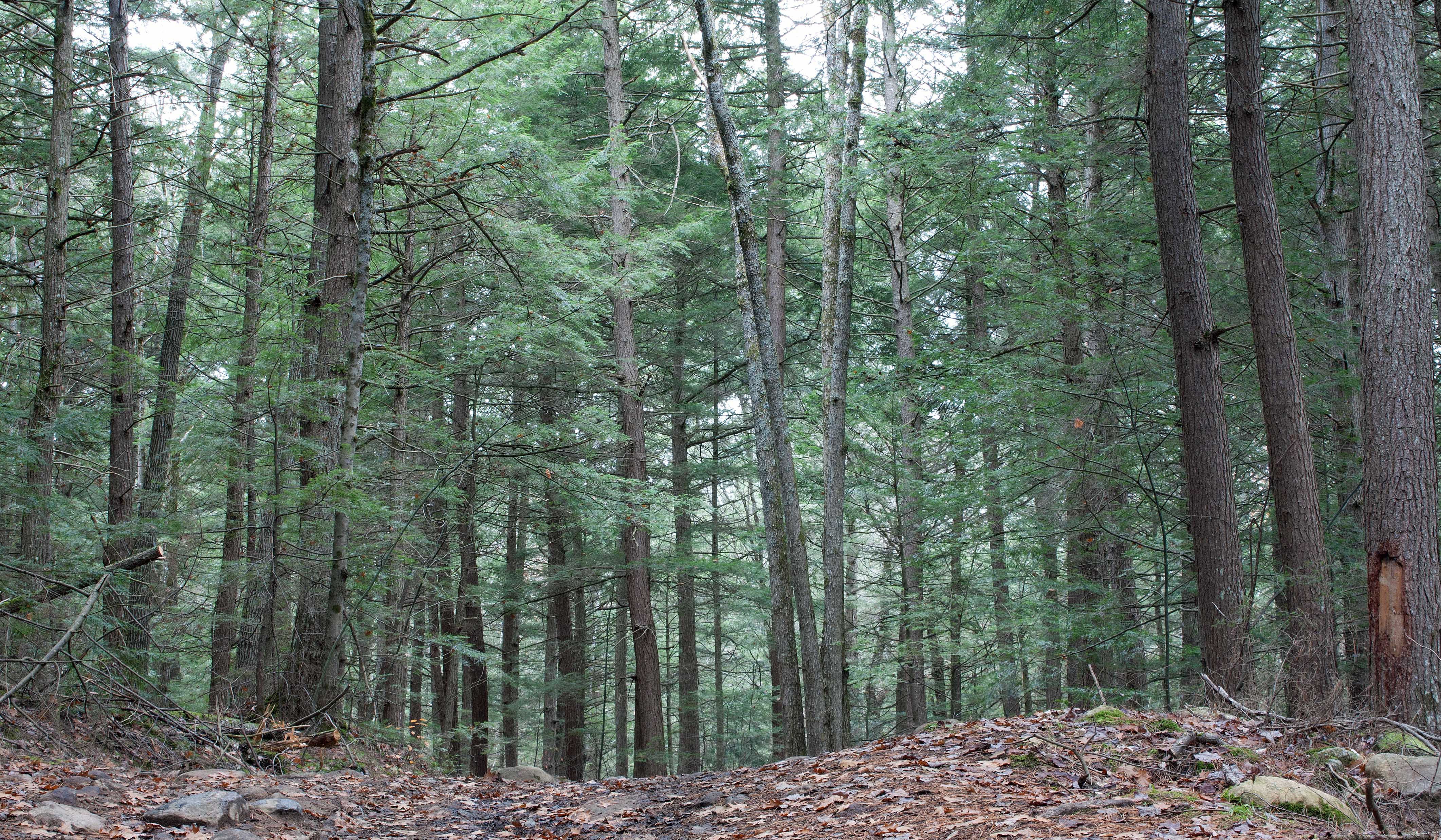
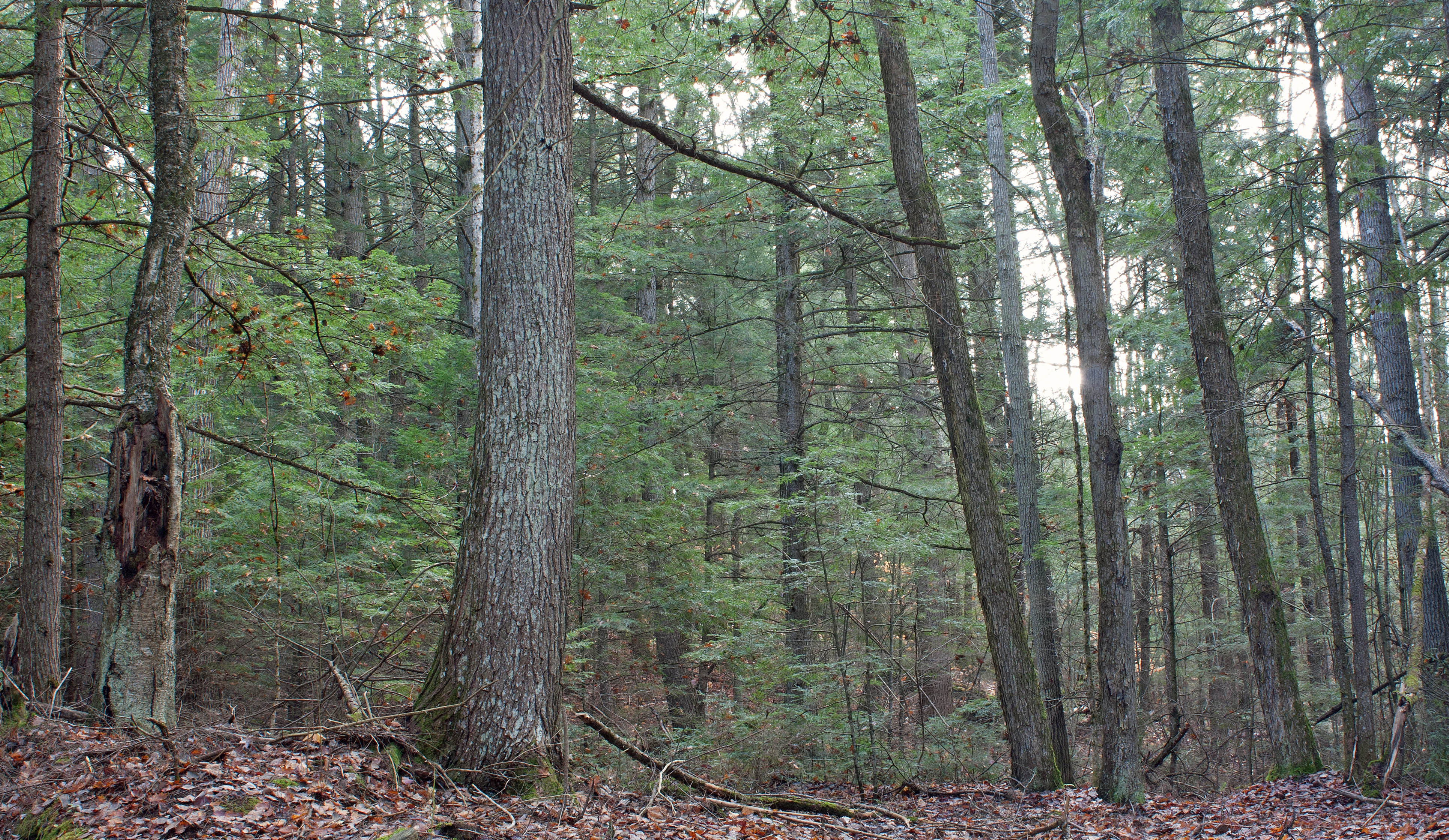
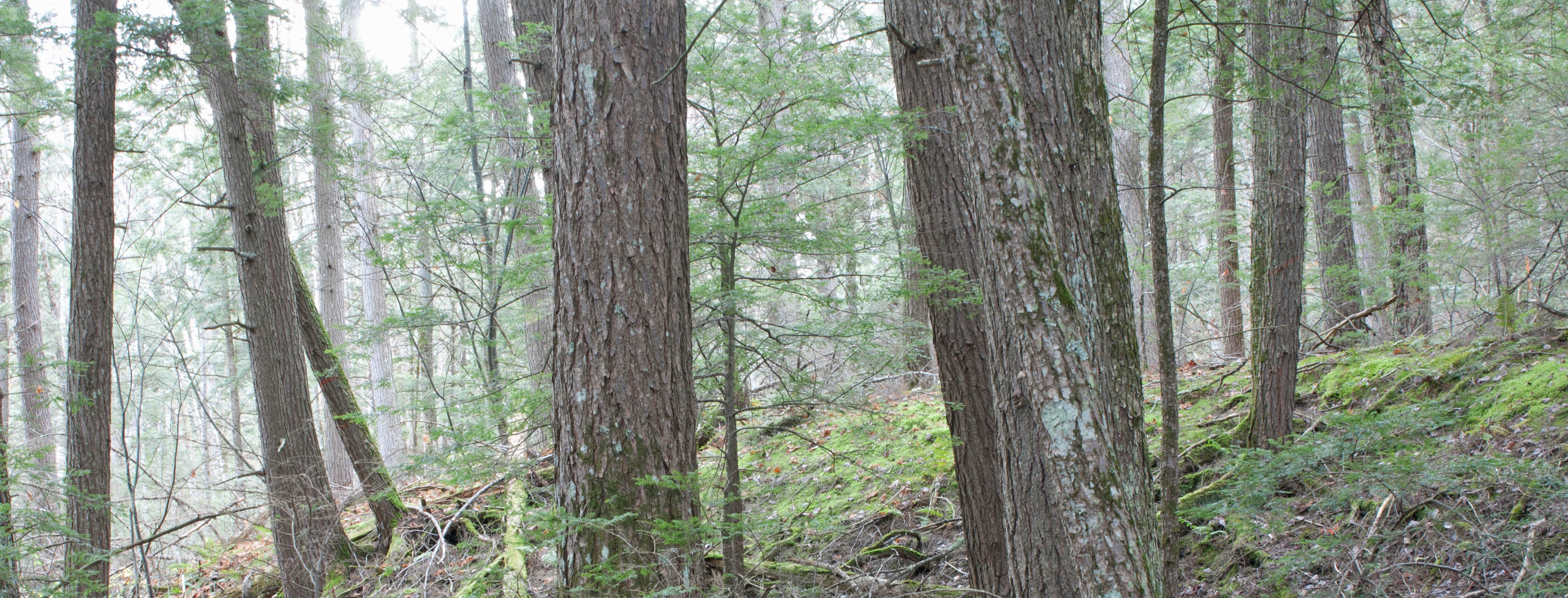
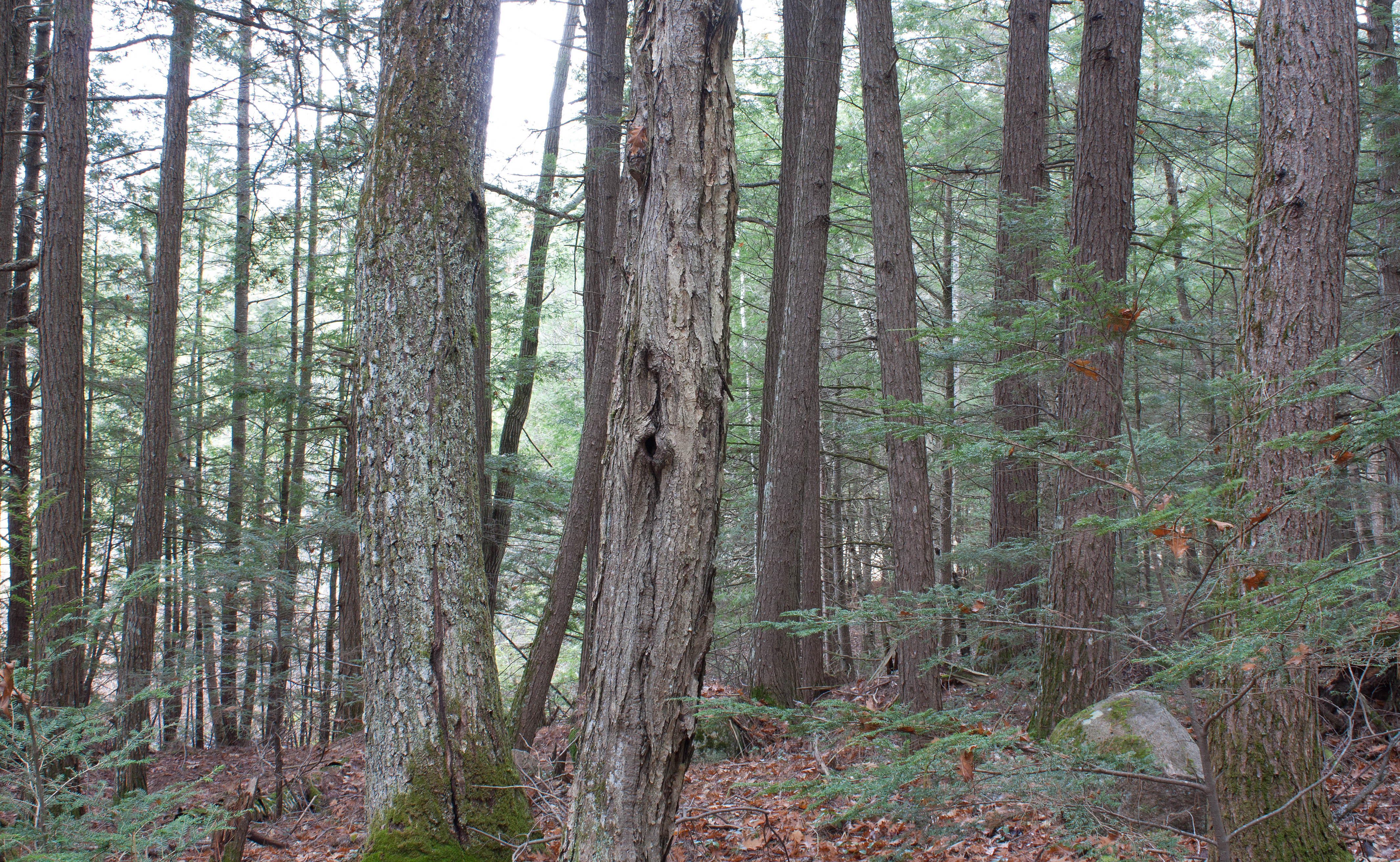
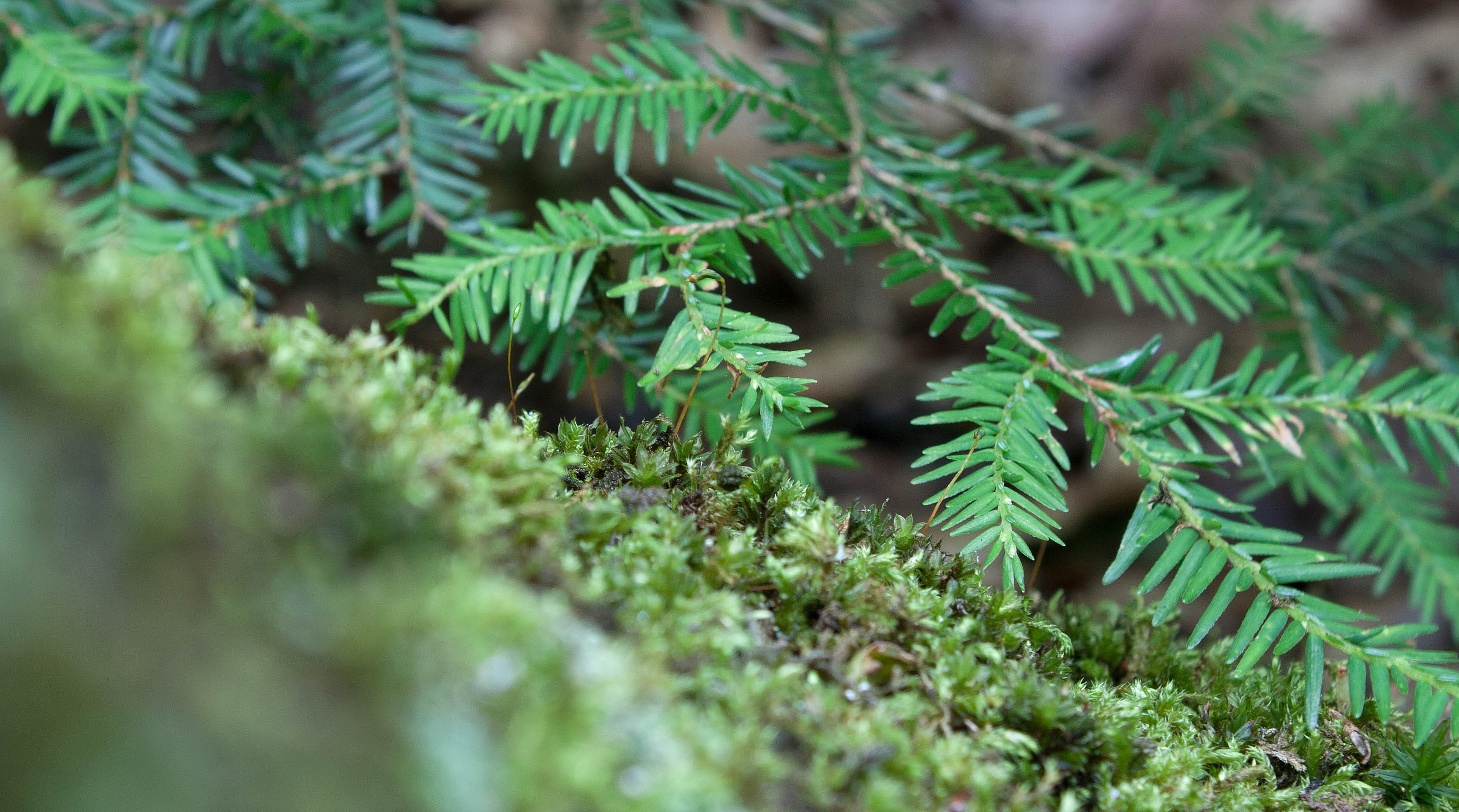
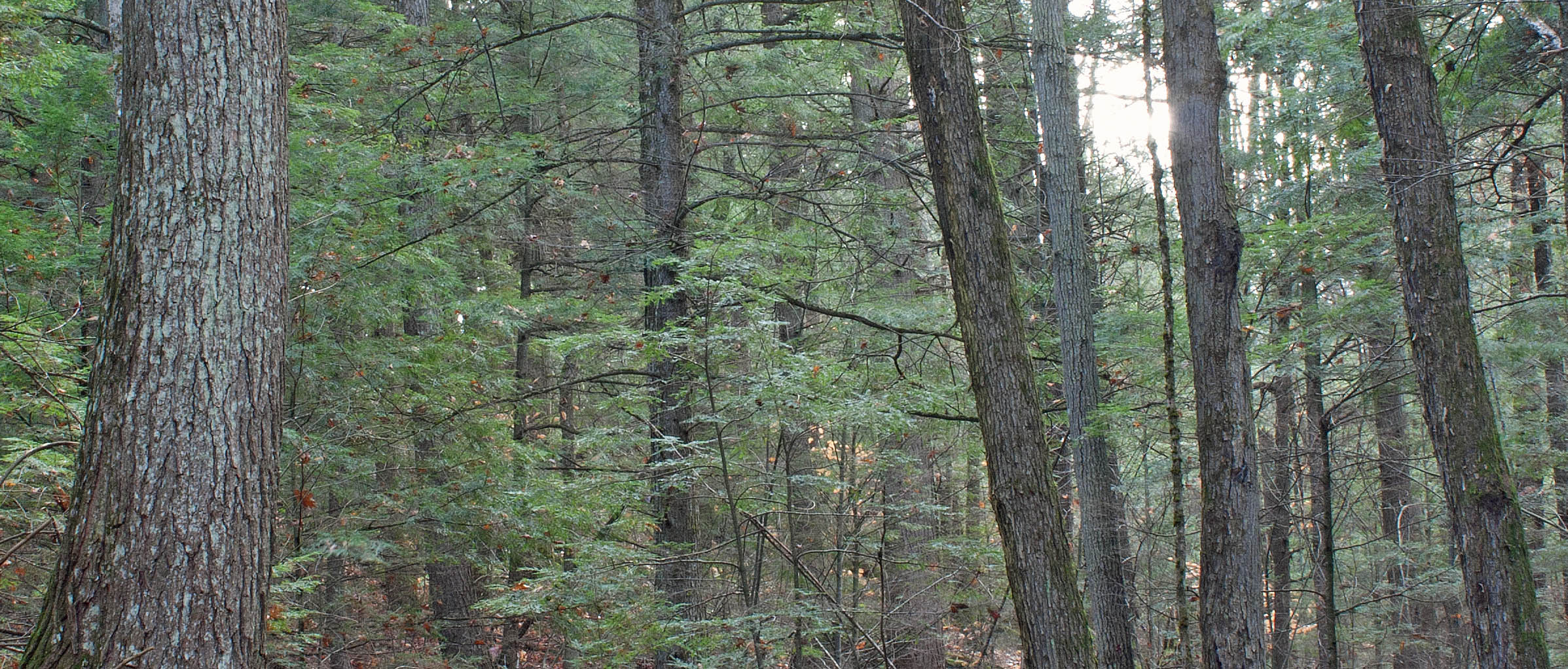
Very soon after I started on the trail, I entered a dense forest of over 20-metre (70 ft) tall hemlocks. Hemlock trees over 40 cm wide (DBH) and over 375 years old towered above me in a mixed forest that included a diverse mix of conifer and deciduous trees. Red and white pine, some spruce and fir, white and yellow birch, basswood, poplar, hop hornbeam, red and sugar maple, and oak, both white and red. And down the slope to the large wetland, there was also speckled alder.
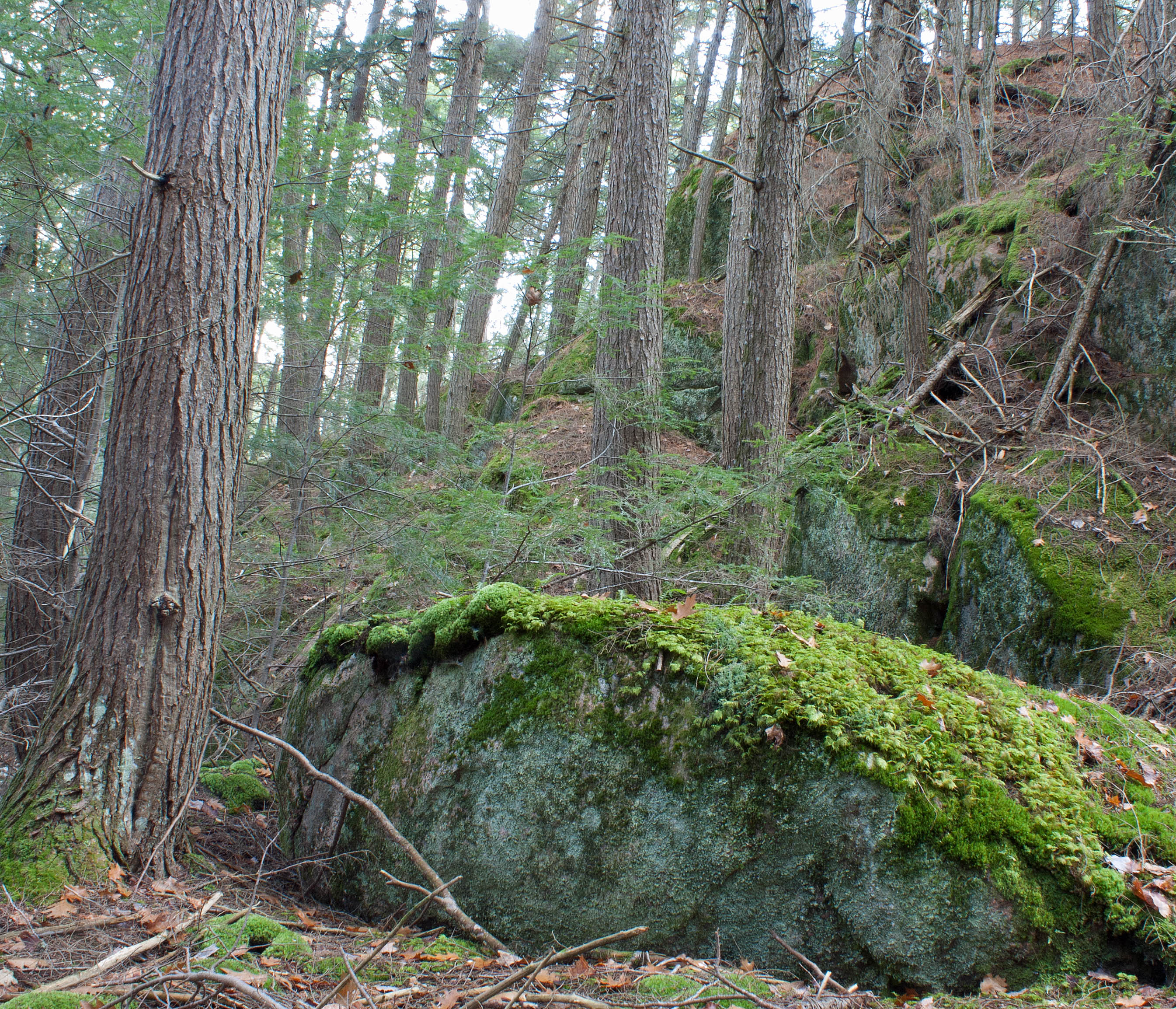
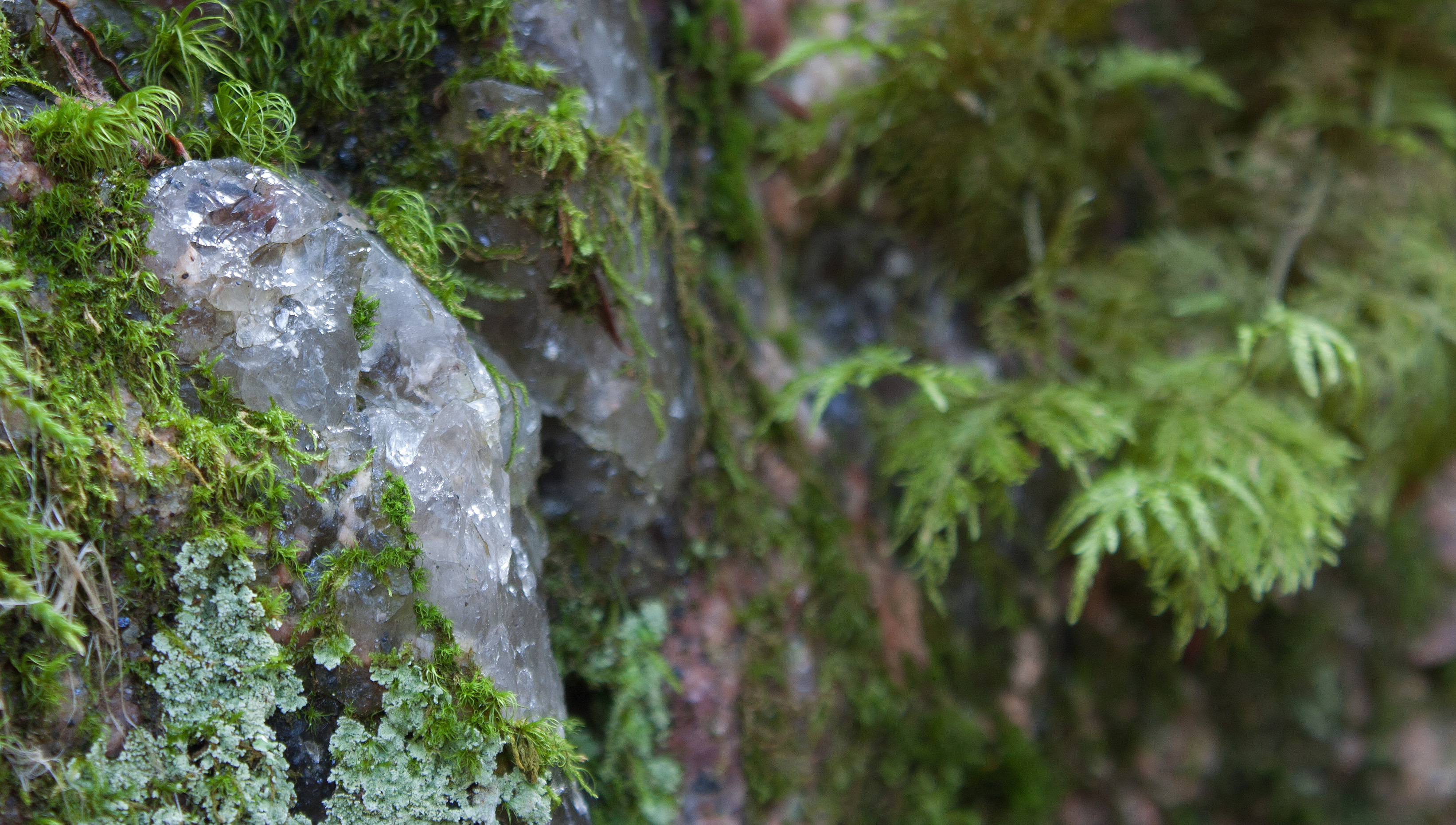
I strayed off the main path, climbing upslope, to take a picture of moss-covered granite and limestone boulders. Sweetfern (Comptonia peregrina) poked up their mountain-backs like stray hairs on a green carpet.
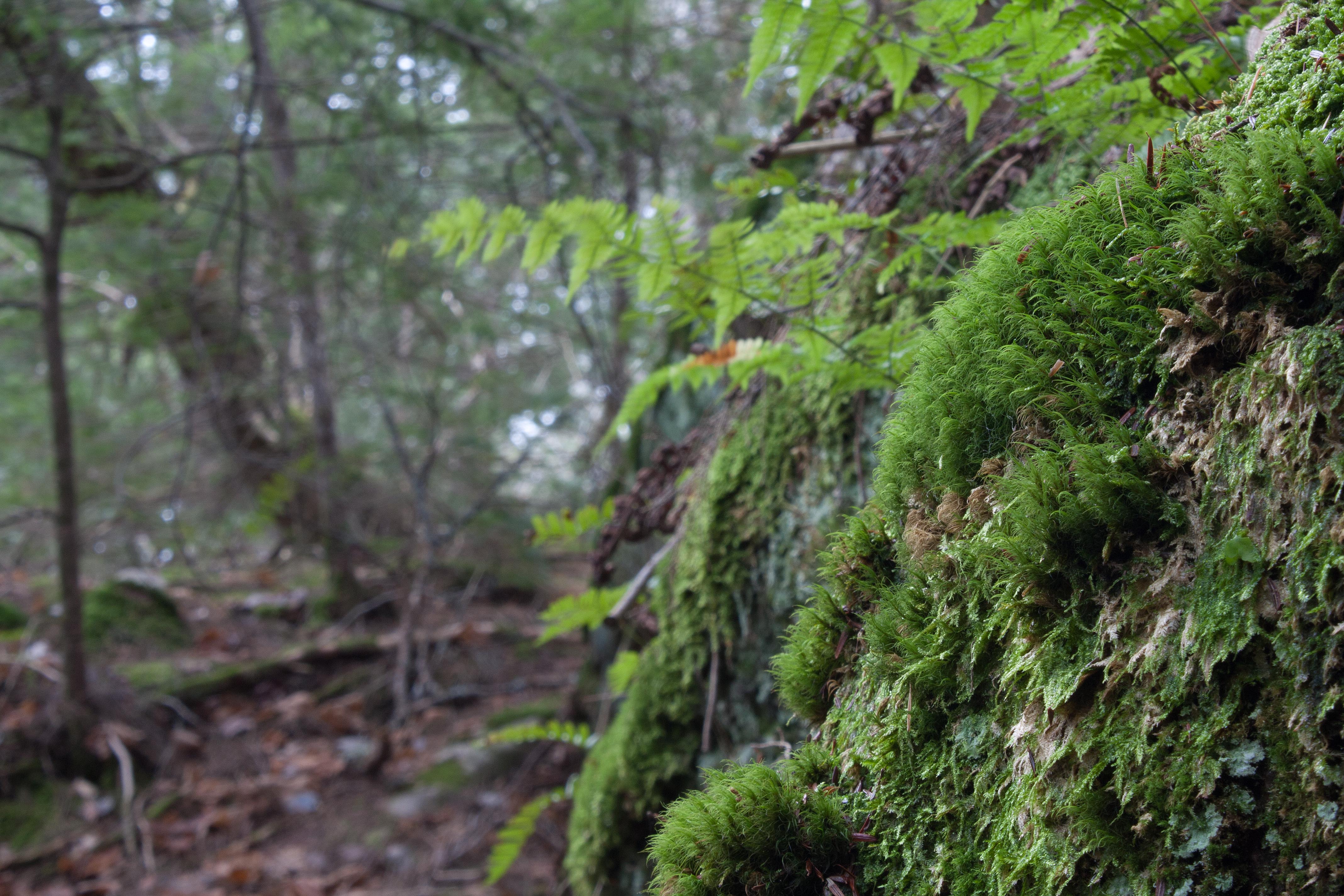
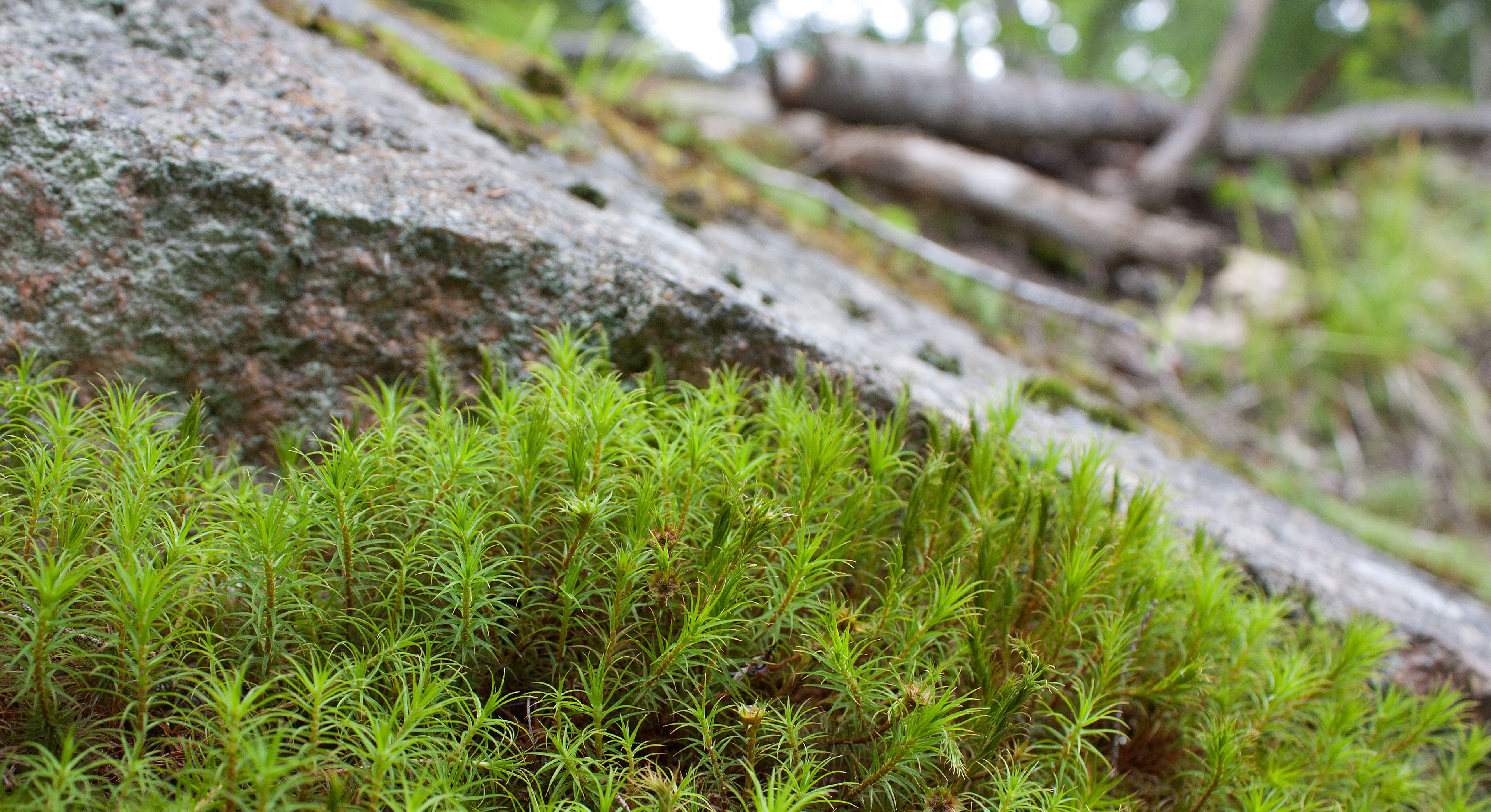
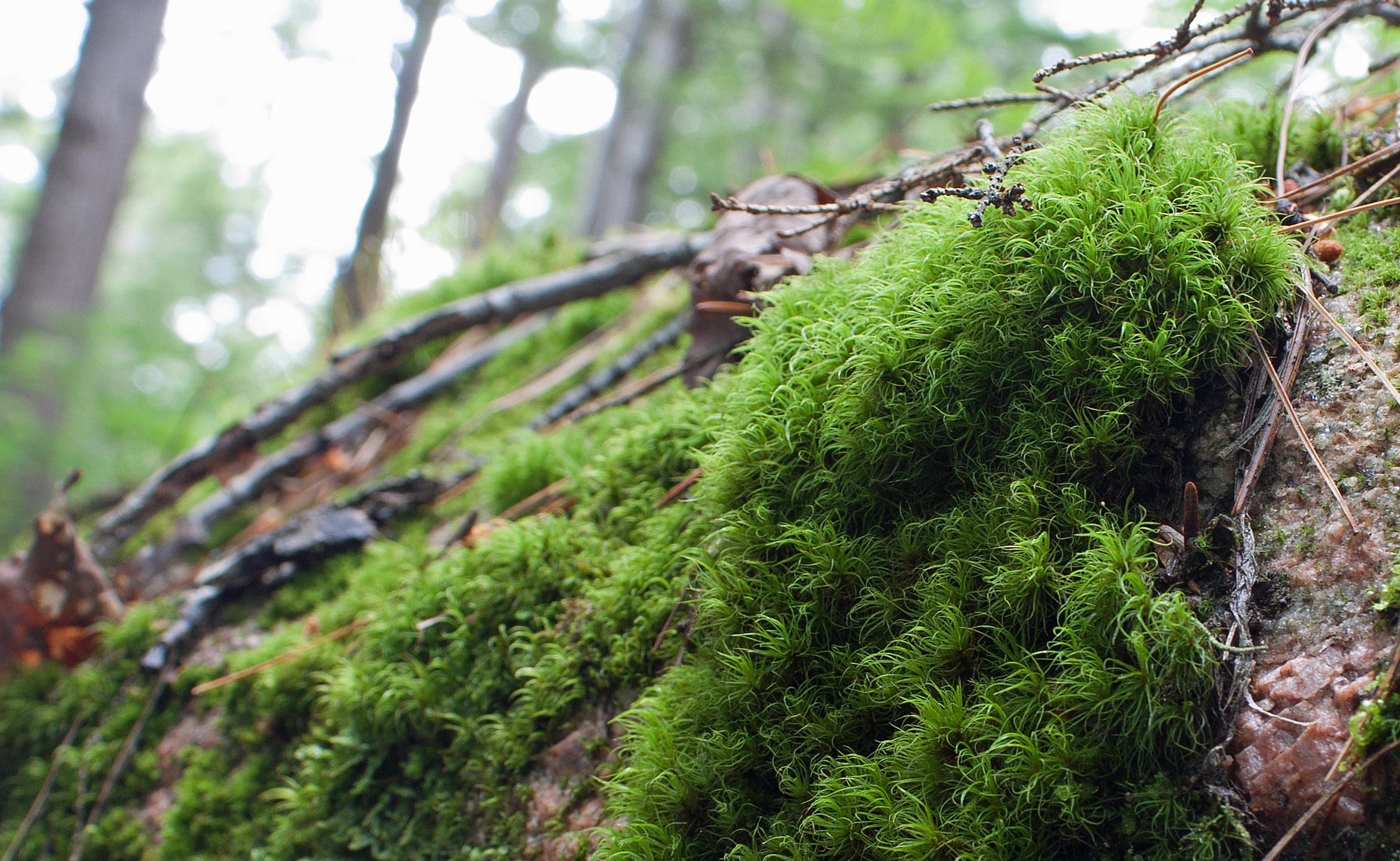
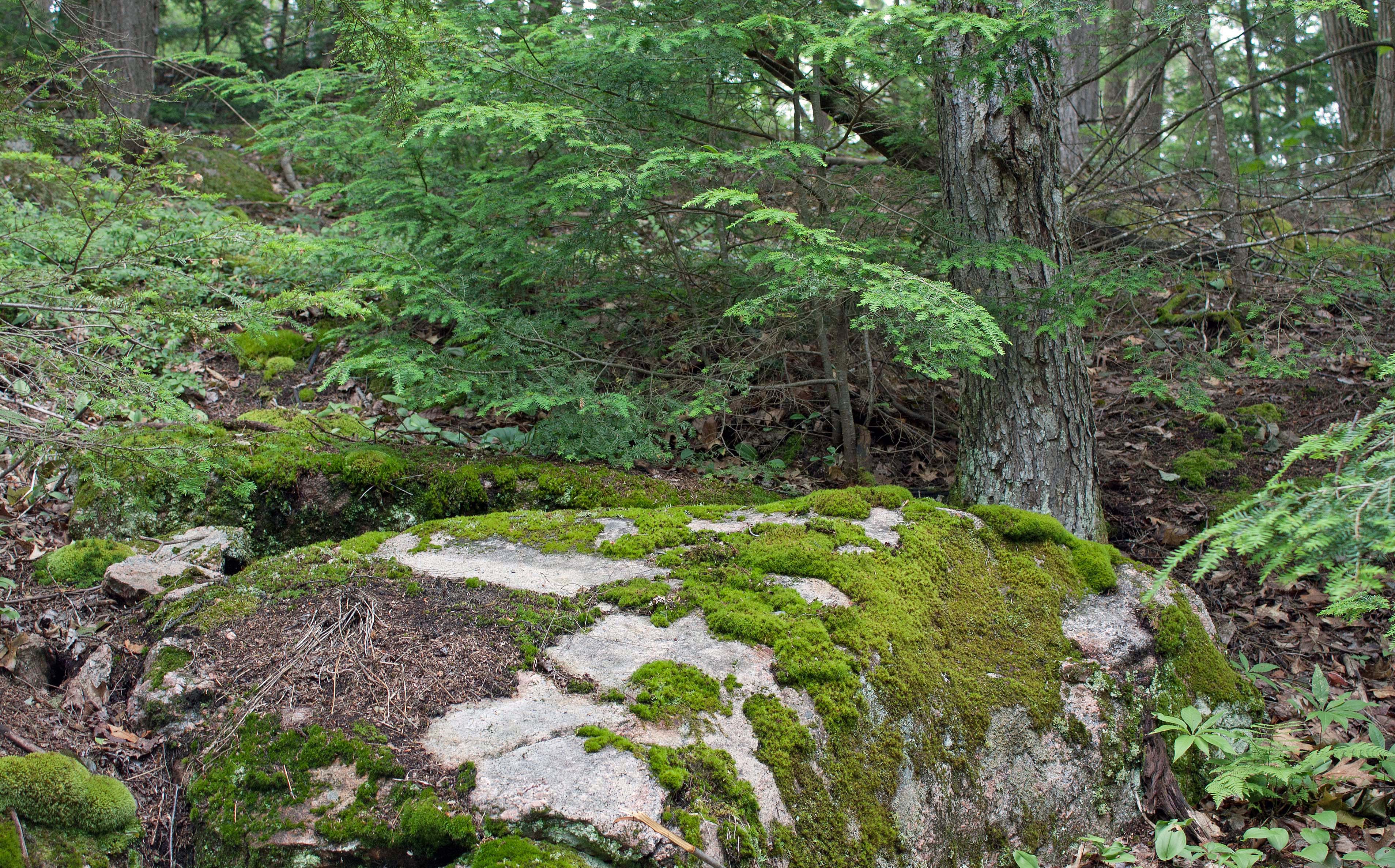
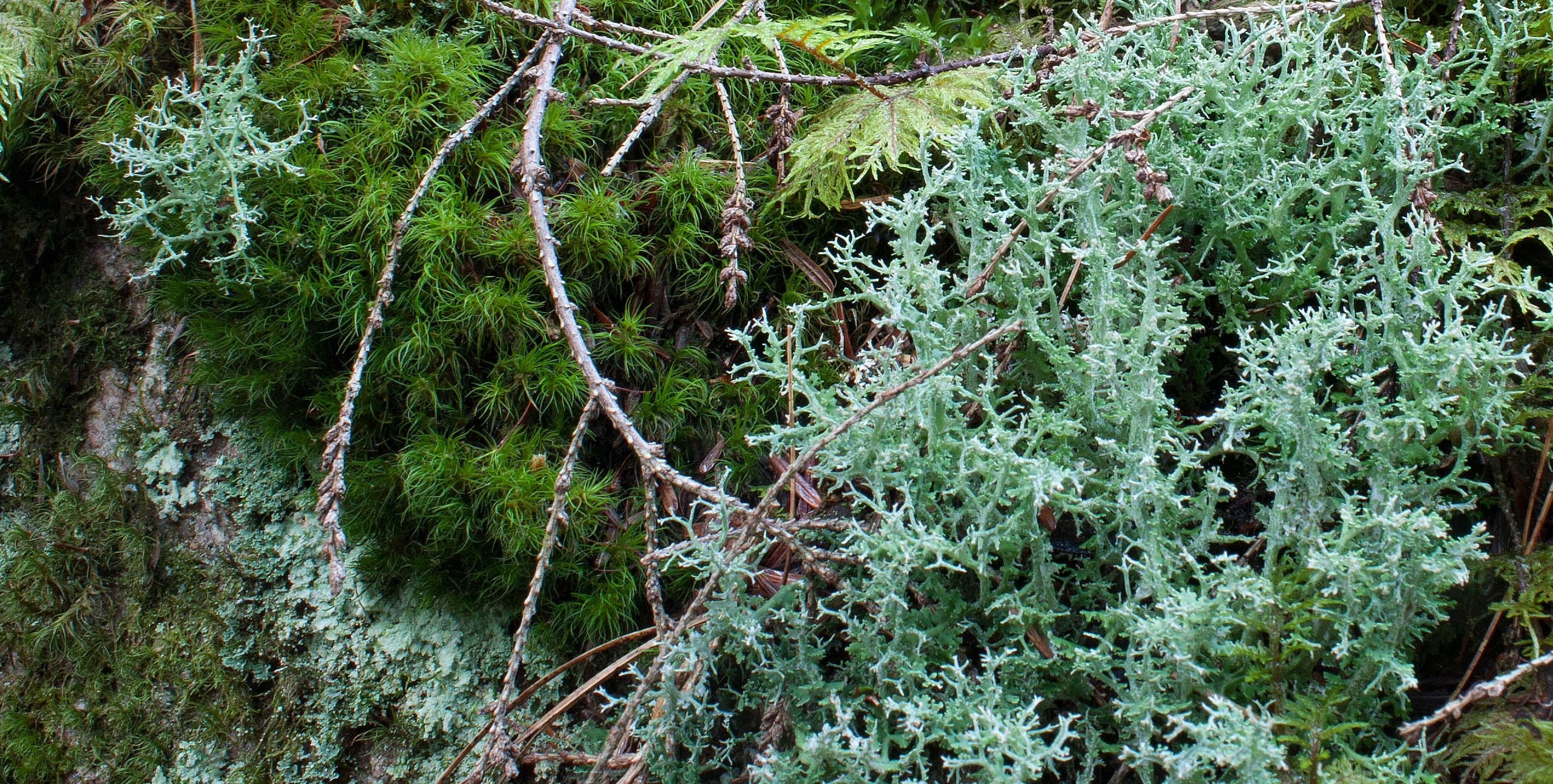
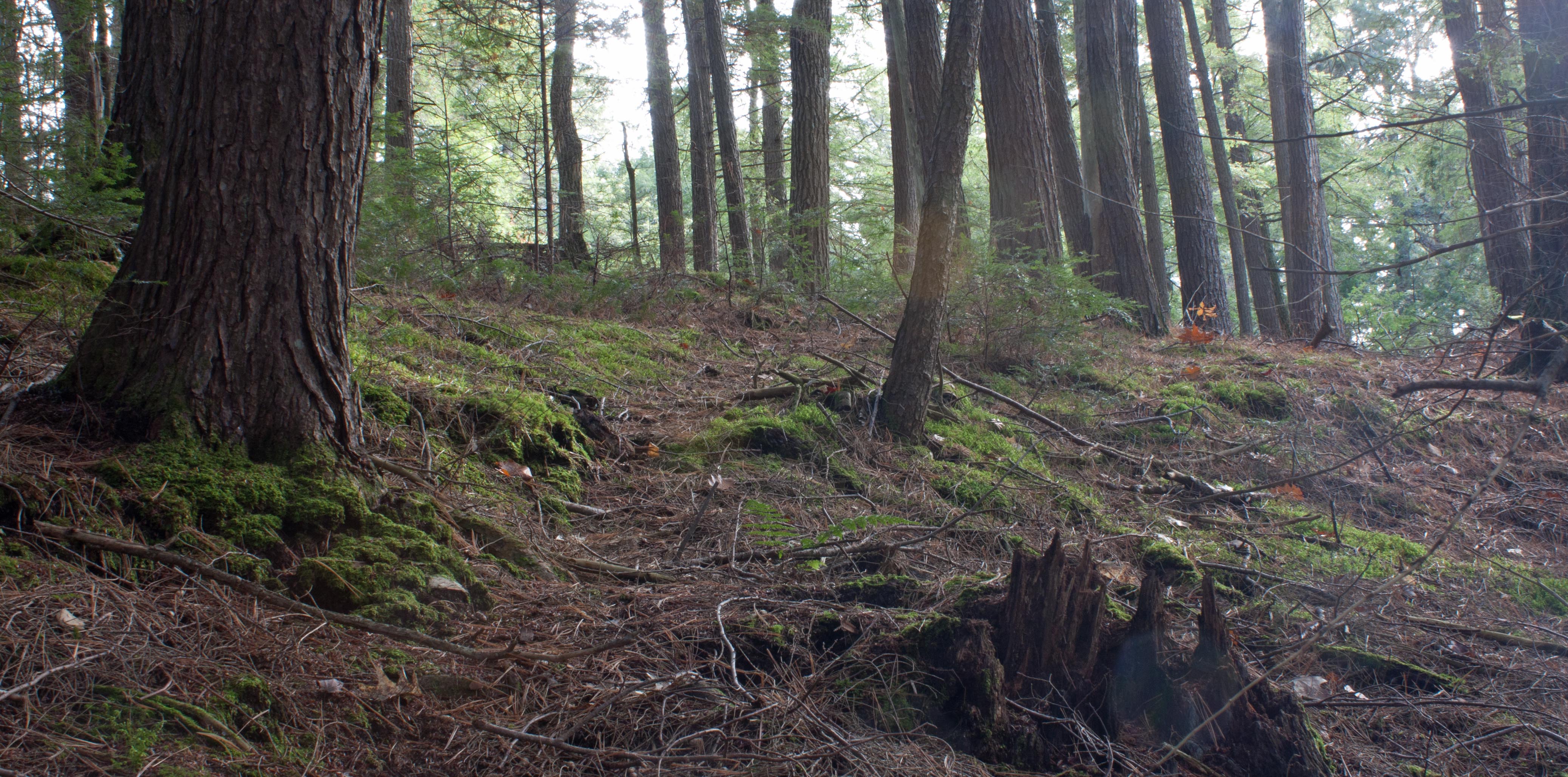
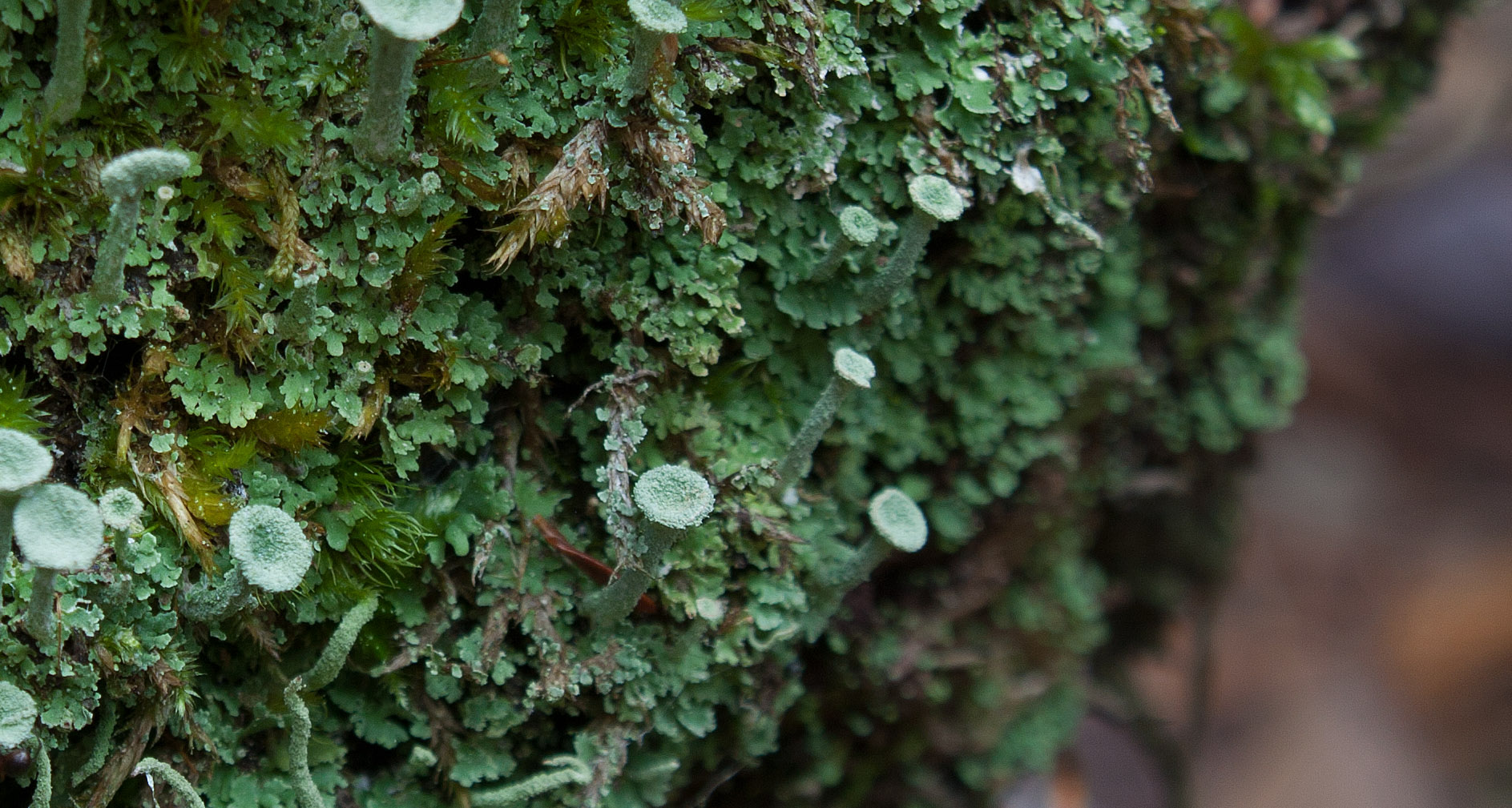
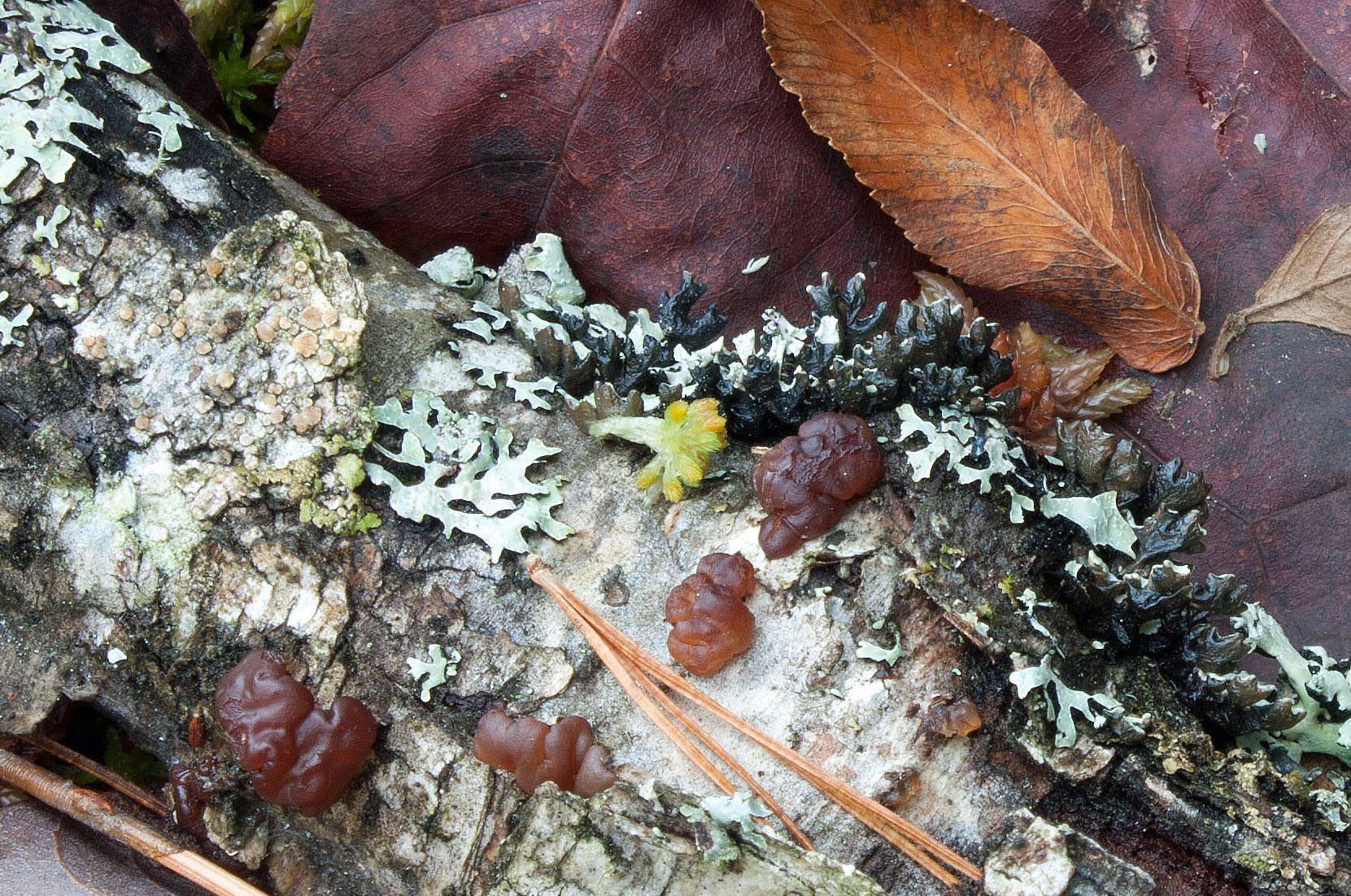
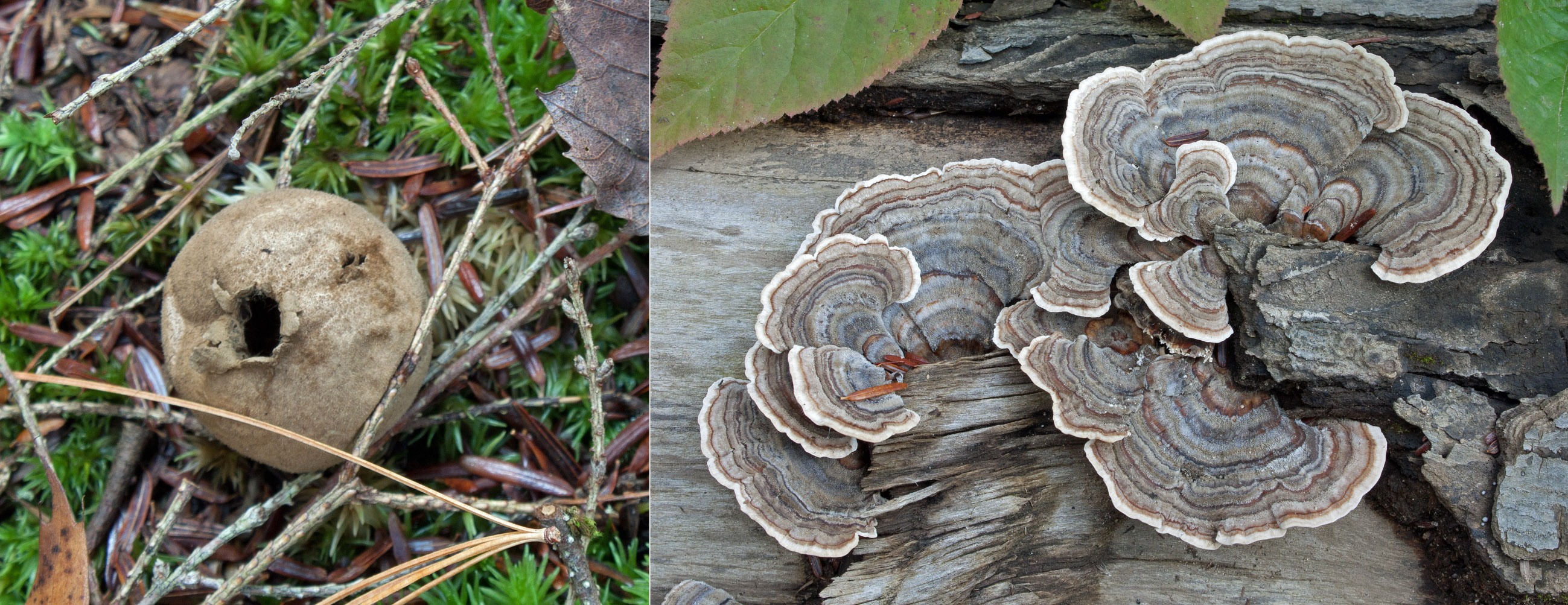
My feet sank into the spongy forest floor as I gingerly stepped toward my photoshoots. The soft ground was covered in leaf litter, mosses, lichens and fungi.
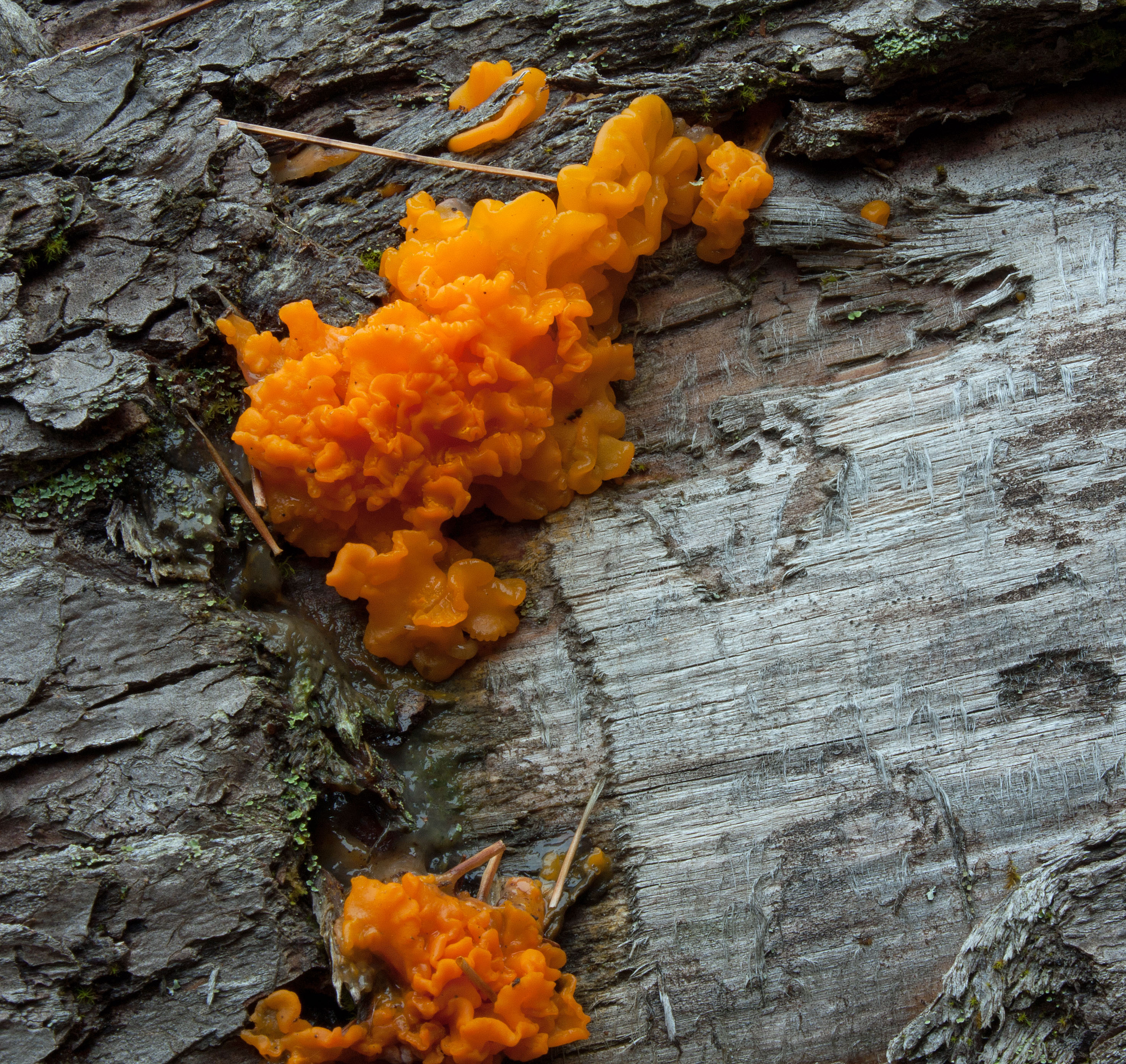
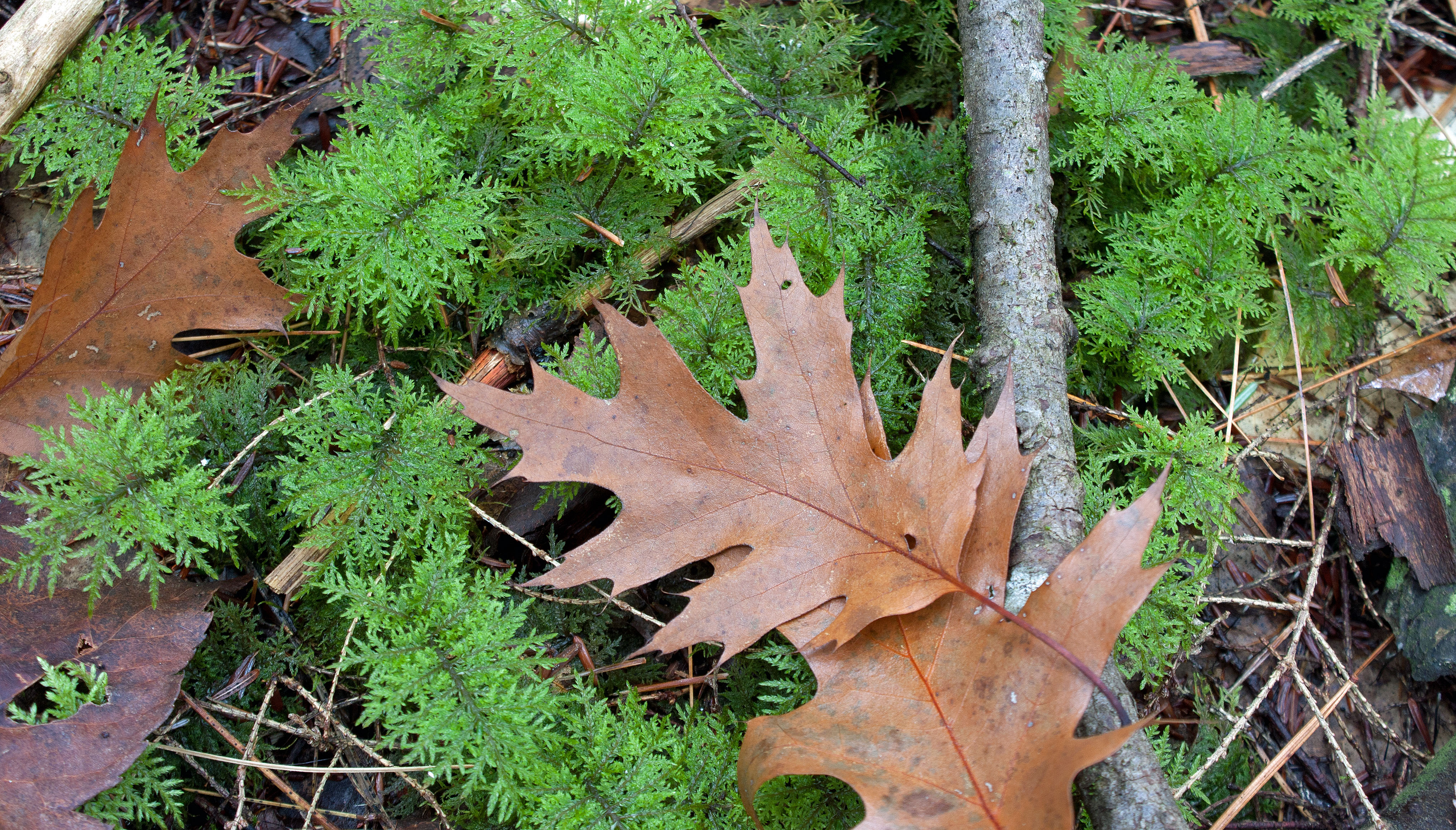
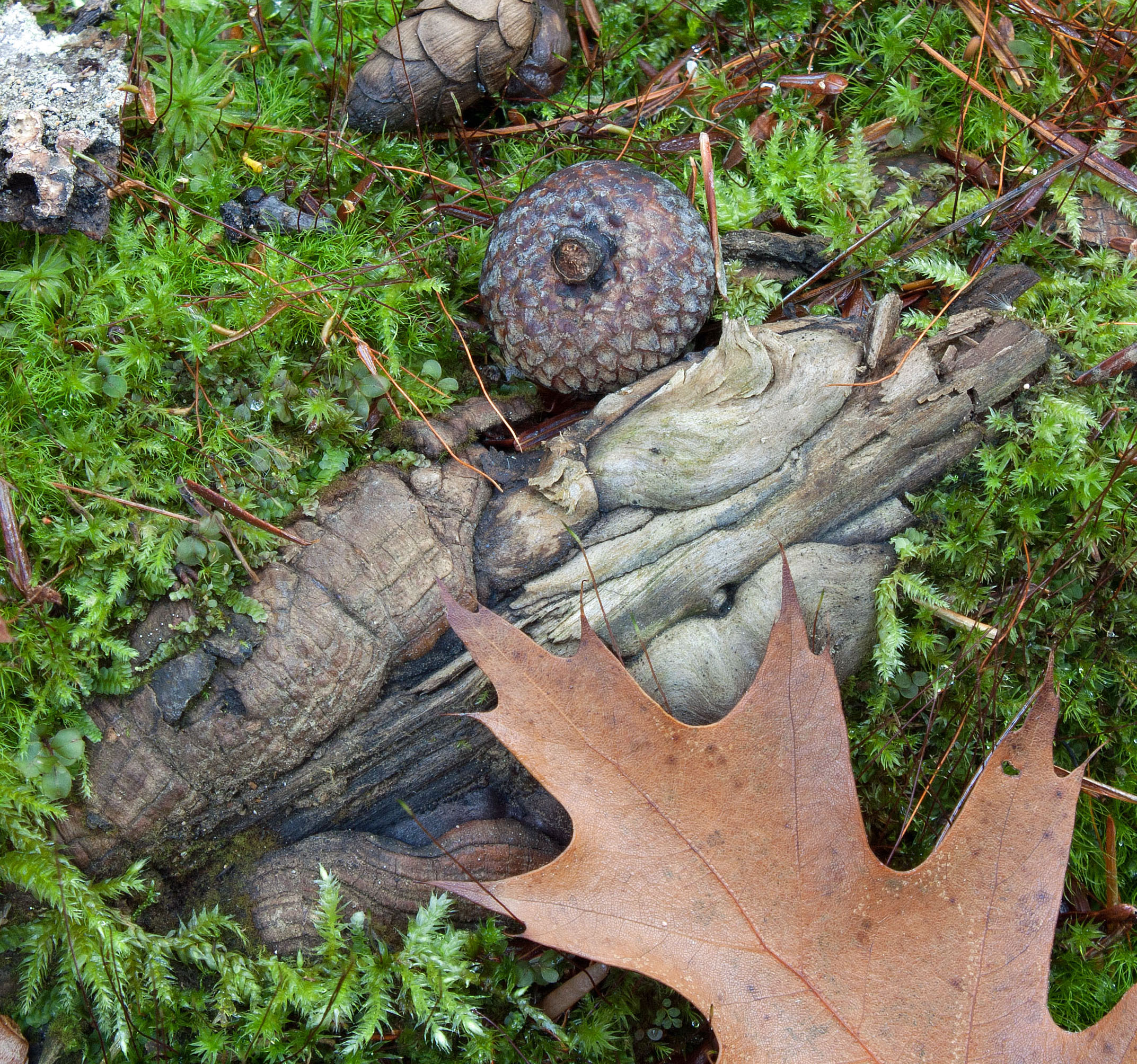
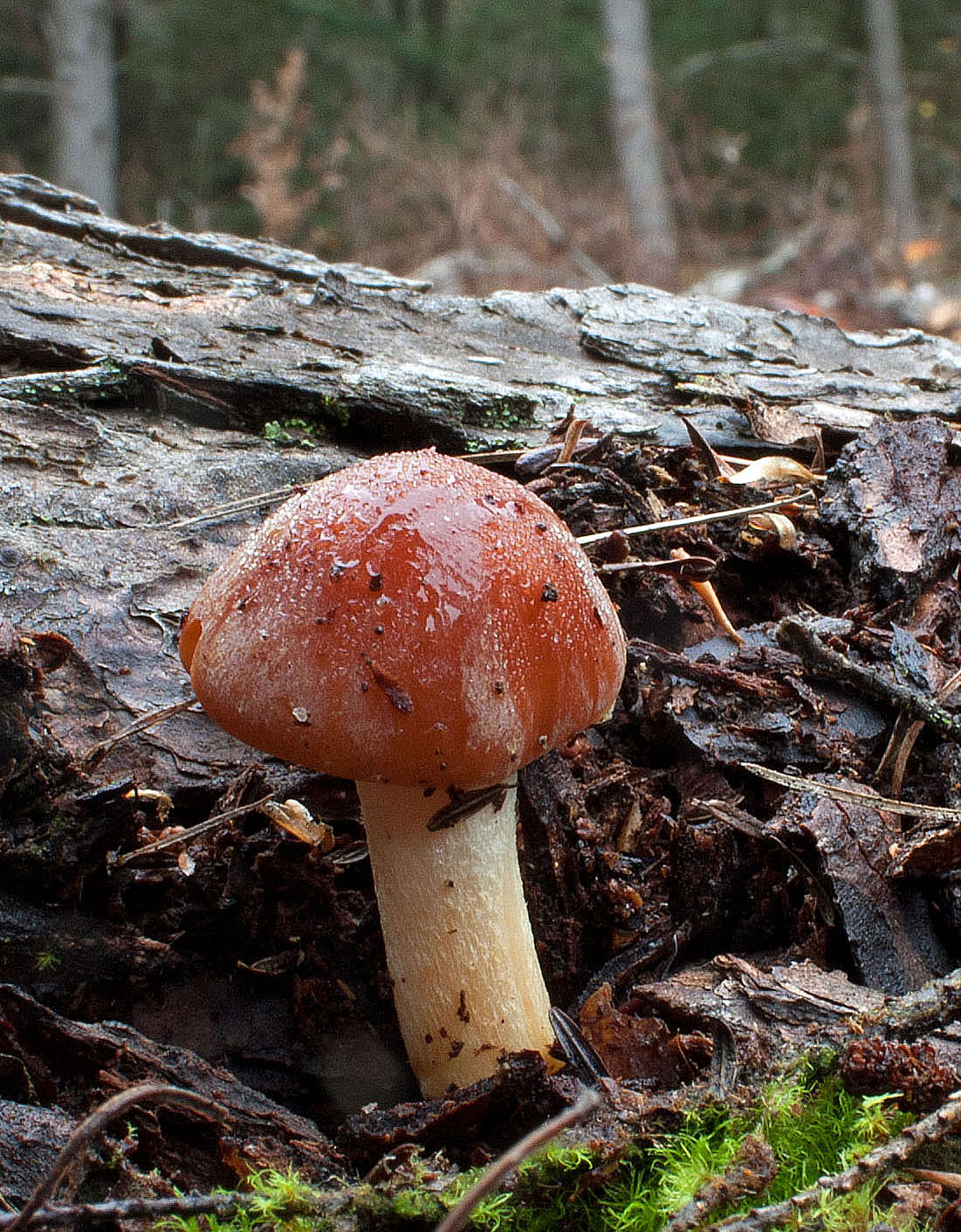
Wood ferns thrust up toward the light. A diverse underbrush of forbes and shrubs included wild Sarsaparilla (Aralia nudicaulis), bunchberry (Cornus canadensis), Enchanter’s Nightshade (Circaea lutetiana), low sweet blueberry (Vaccinium angustifolium), and young hemlock saplings.
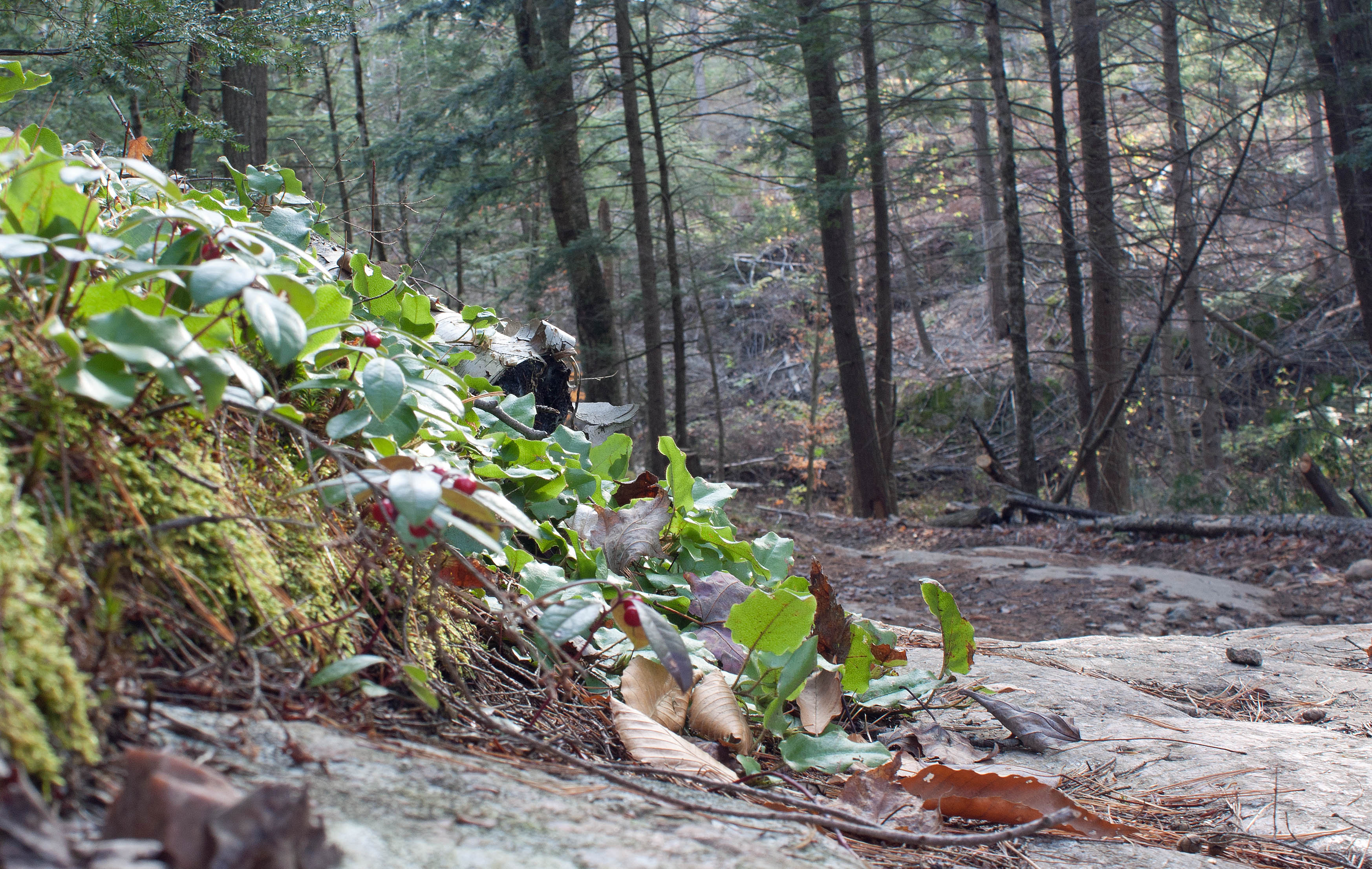
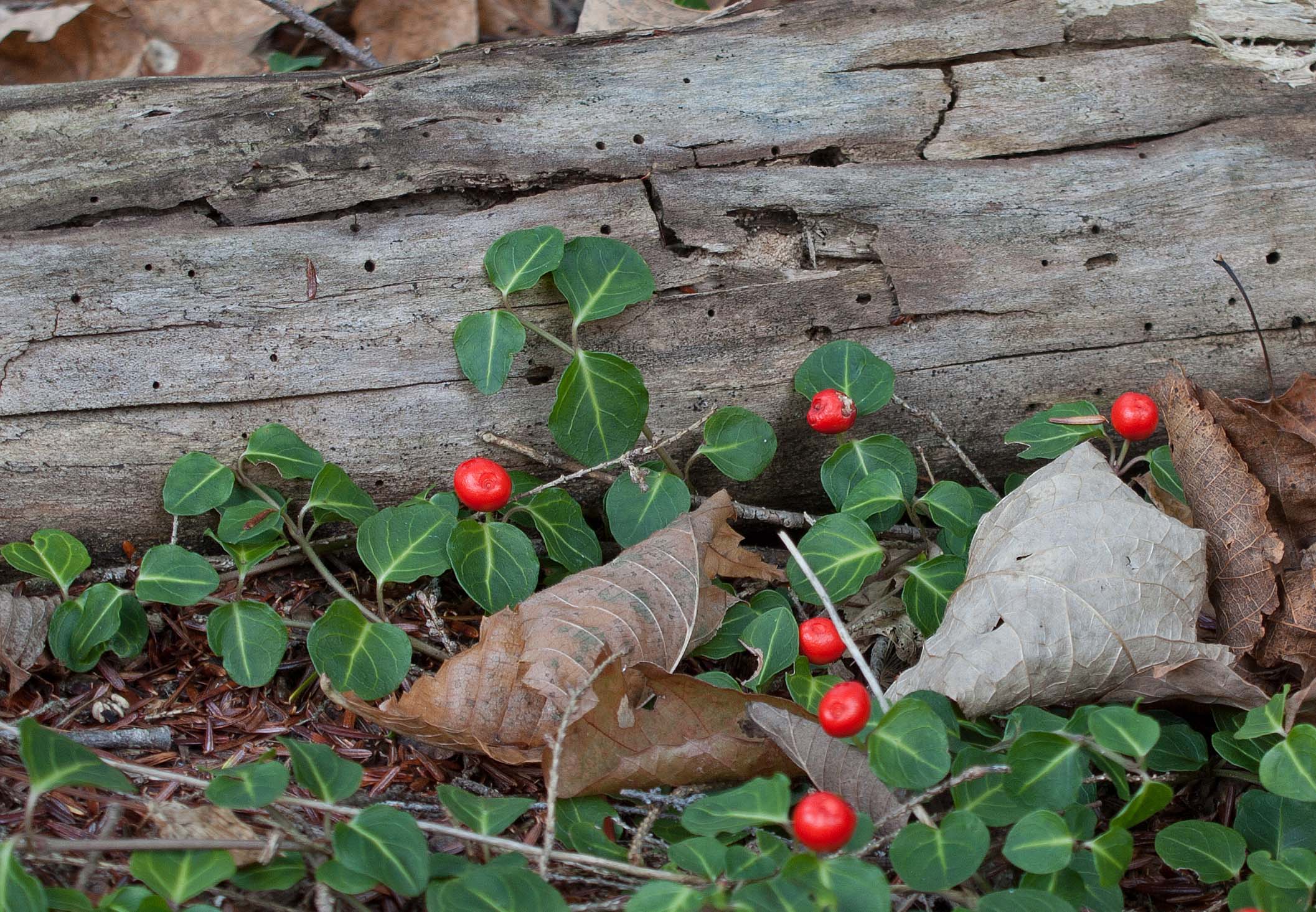
I also found another old friend, the wintergreen (Gaultheria procumbens), forming a thick ground-cover with the ground moss by the trail.
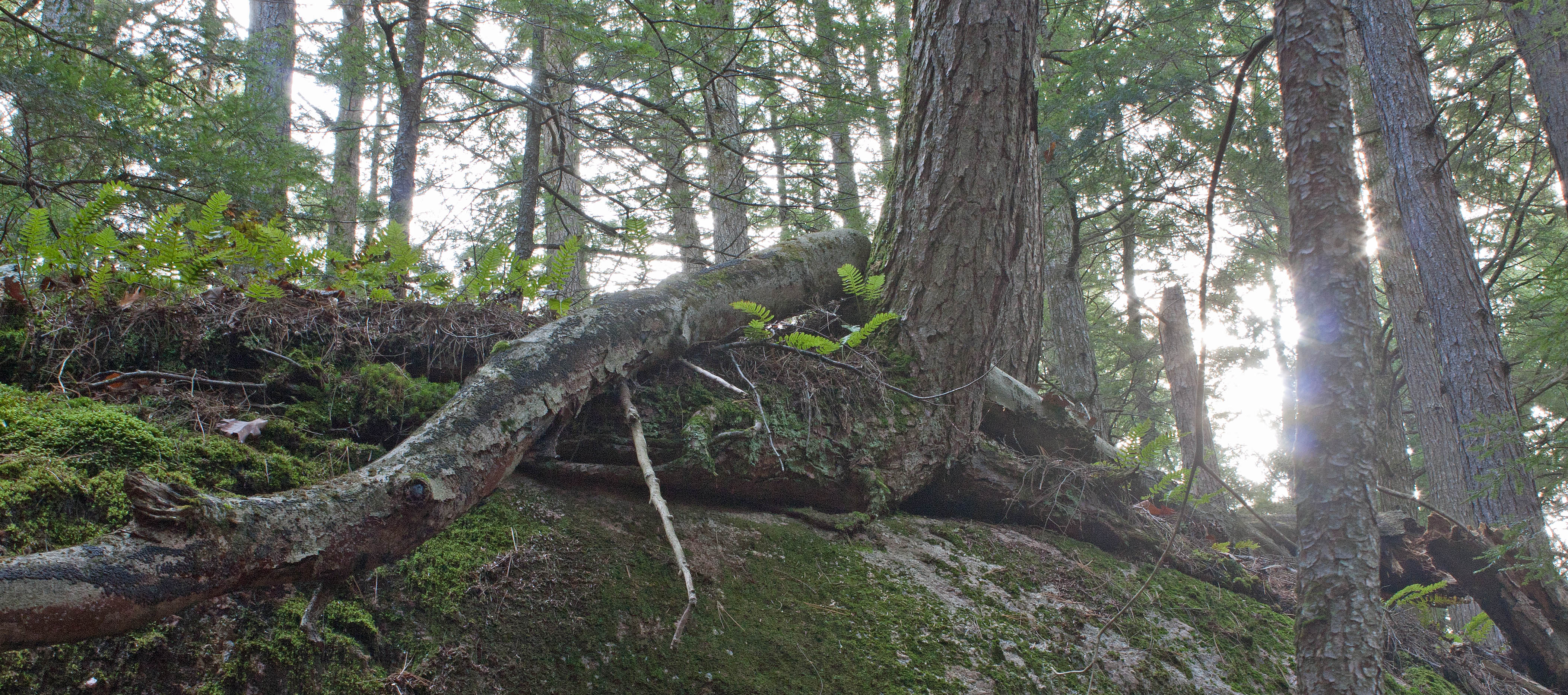
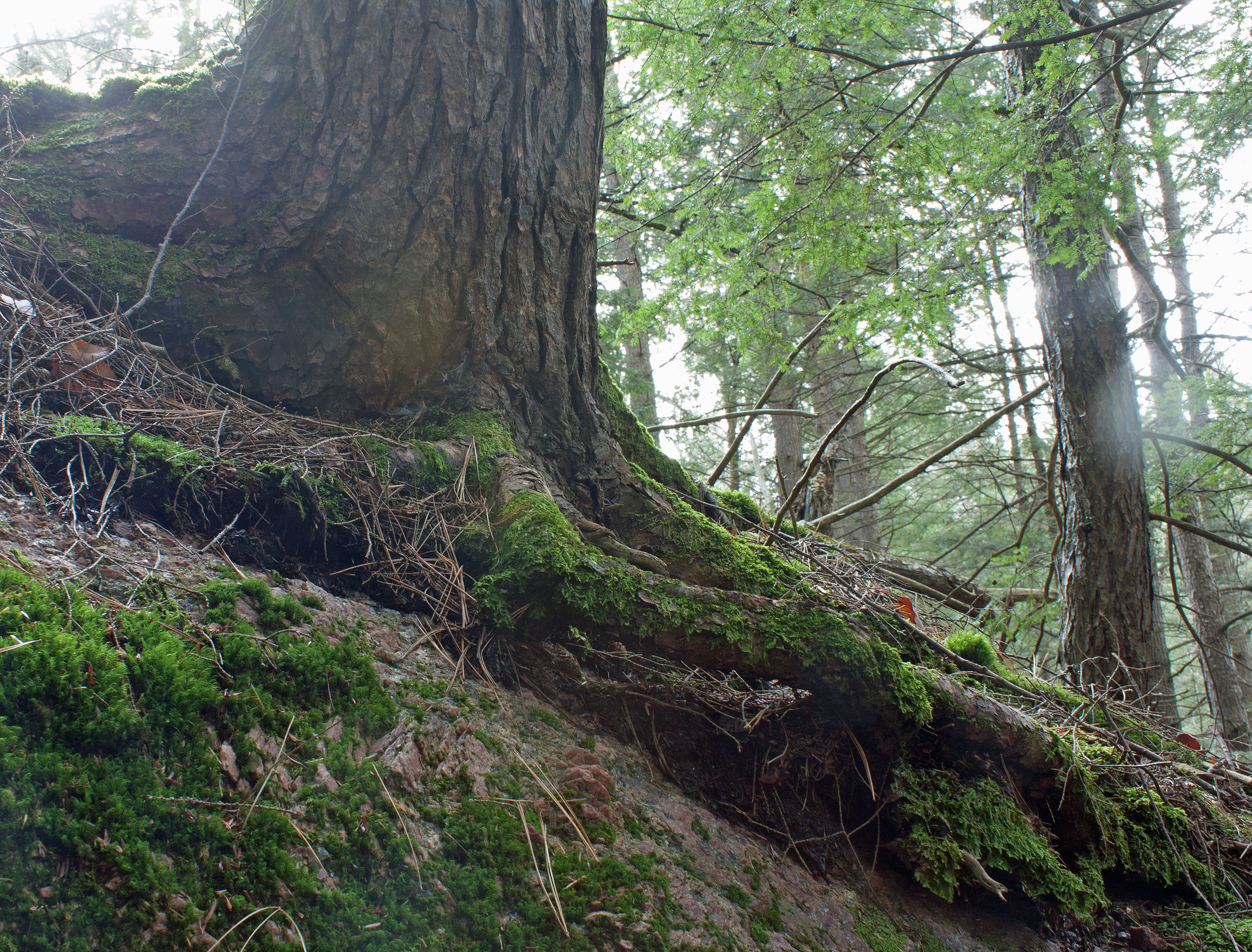
On the slope, I witnessed how resilient and imaginative the eastern hemlock was; sending its roots snaking across bare rock to find purchase in soil below. I imagined the tiny hemlock cone, no larger than my thumb, finding just enough organic matter to grow…
At a rocky outcrop and clearing in the dense forest, a hermit thrush offered its tender ode to the forest: a pure song that opened from a singular note into successive waves of pure light that echoed throughout the forest. The outpouring of heaven’s light from this tiny creature sent my own heart soaring and filled me with joy. Soon after, the red-listed wood thrush added its notes into a resonating chorus of ethereal beauty. On hearing them—they were both singing nearby at the same time—my whole body relaxed into a euphoric trance and I felt like I was in an old giant cathedral filled with heavenly arias.

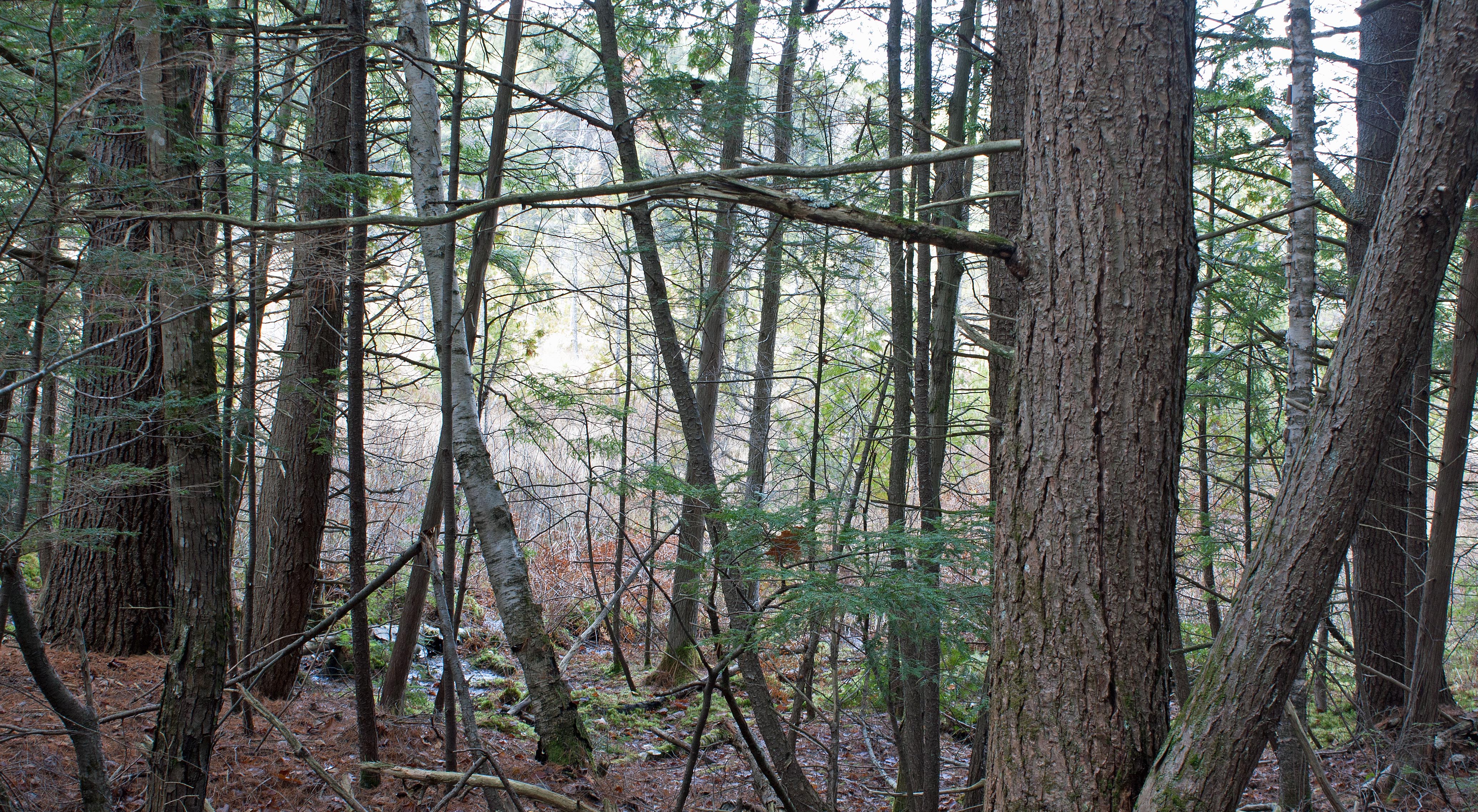
From the trail I descended to the marsh. The damp spongy surface gave in to my tentative steps as I negotiated my way down the uneven mounded terrain of old-growth forest. I still didn’t have quite the right footgear (just hiking boots), but I was able to get to the edge of the marsh and found my prize: Sphagnum!
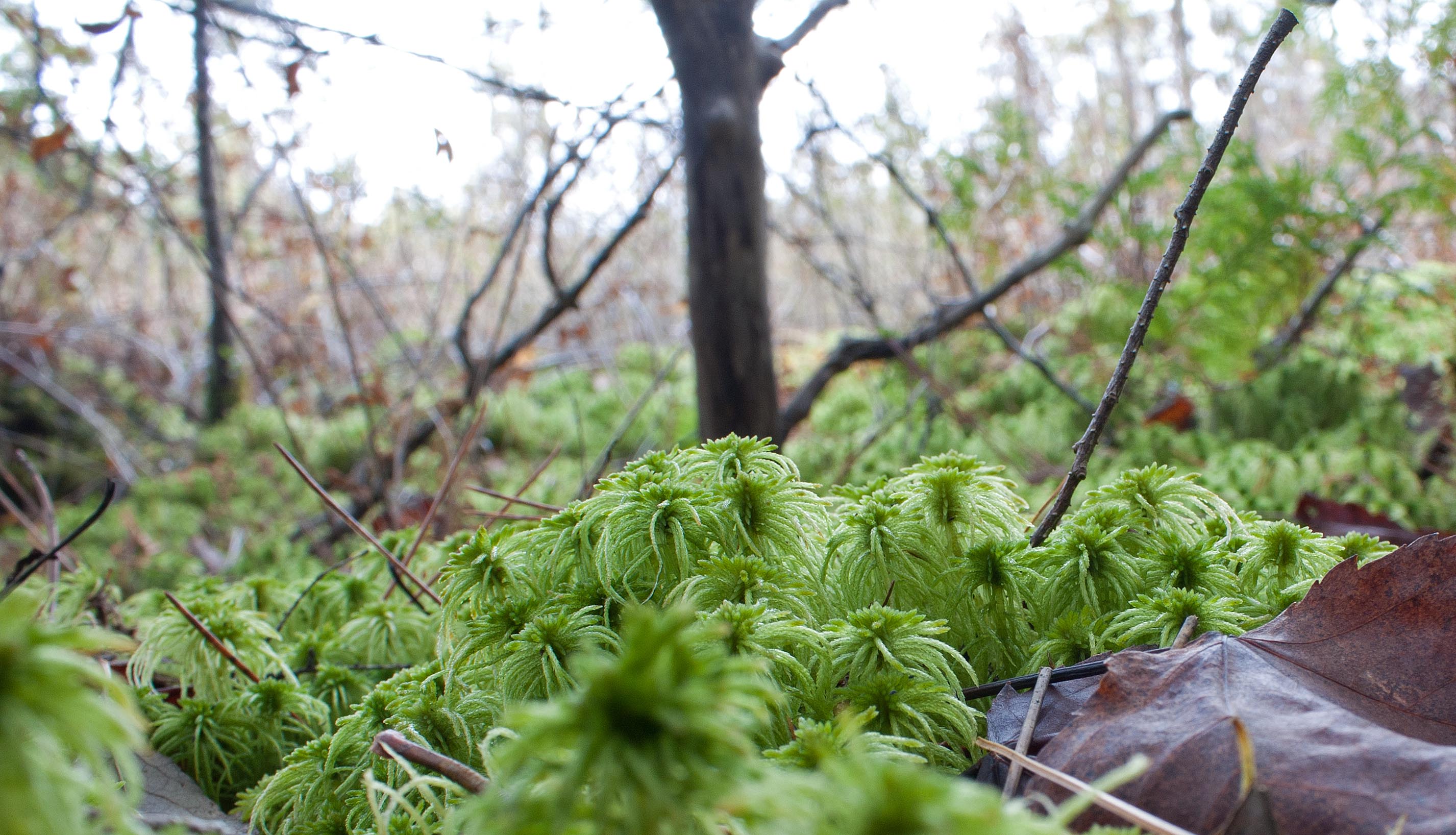
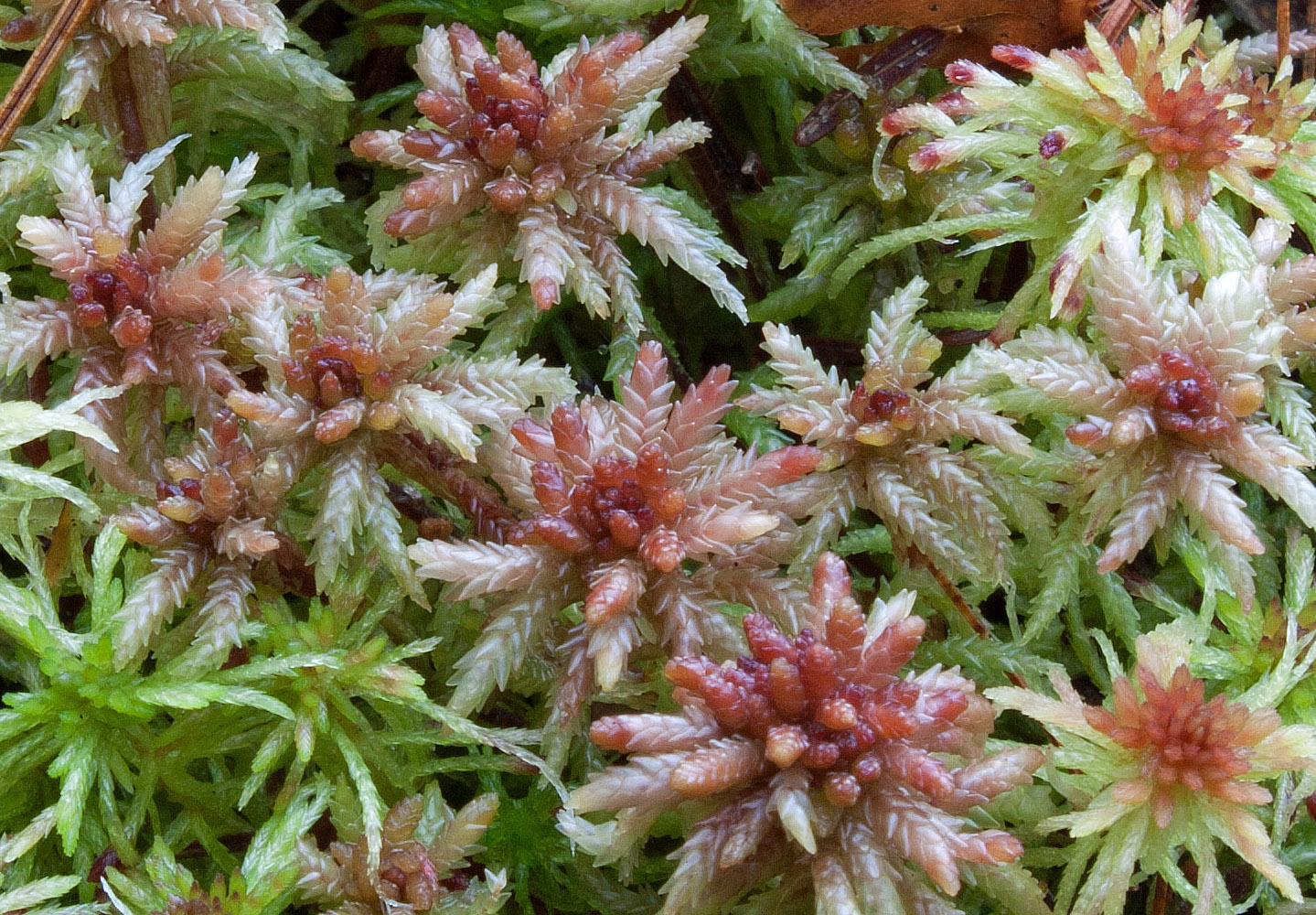
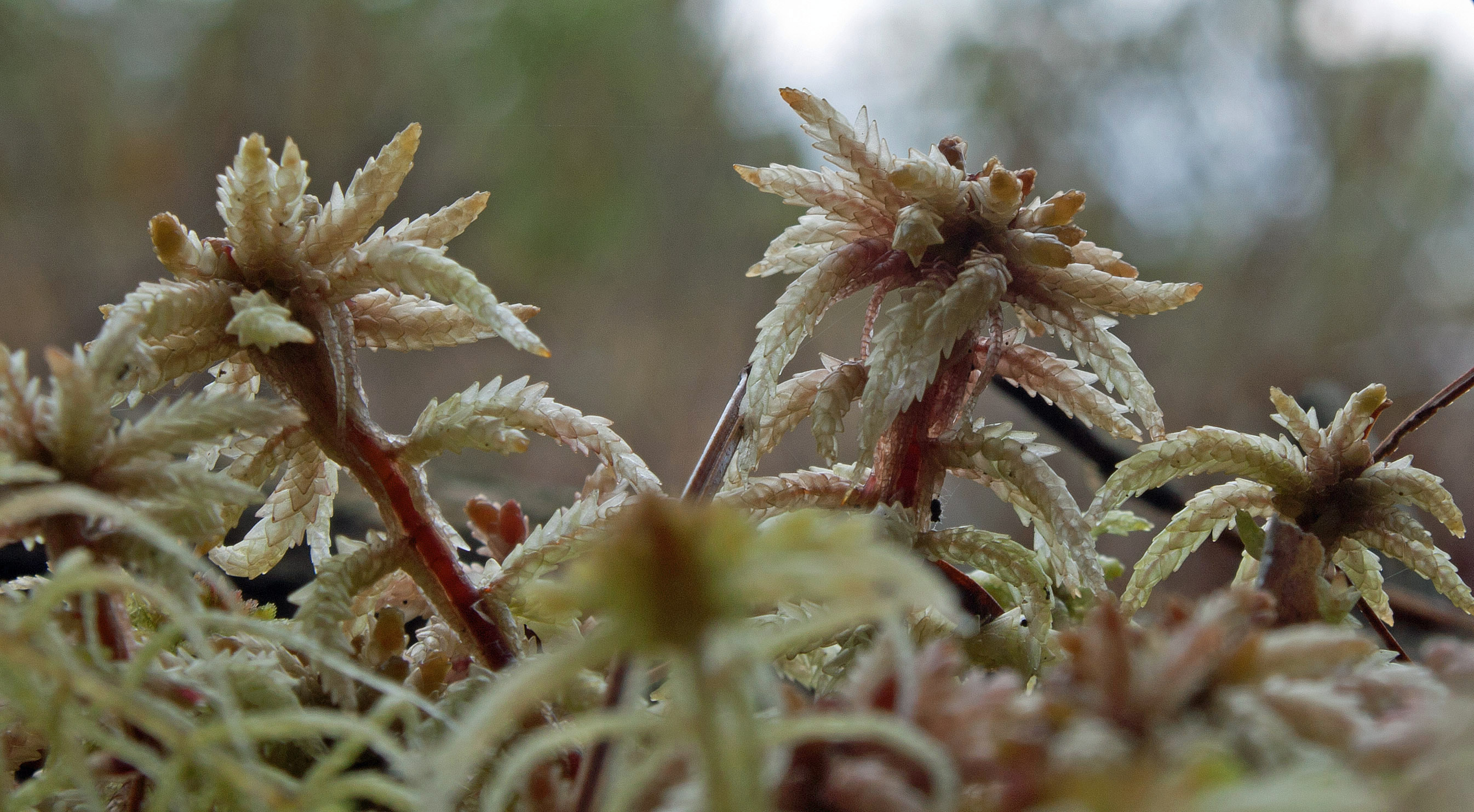
Sphagnum moss covered a hummocky area that stretched out into the open marsh from the forest. Much of the wetland that I could see supported marsh grasses dotted with clumps of shrubs and coniferous trees—pine, hemlock, fir and others. The dark open waters with islands of hummocky sphagnum seemed to give way to open marsh grassland.
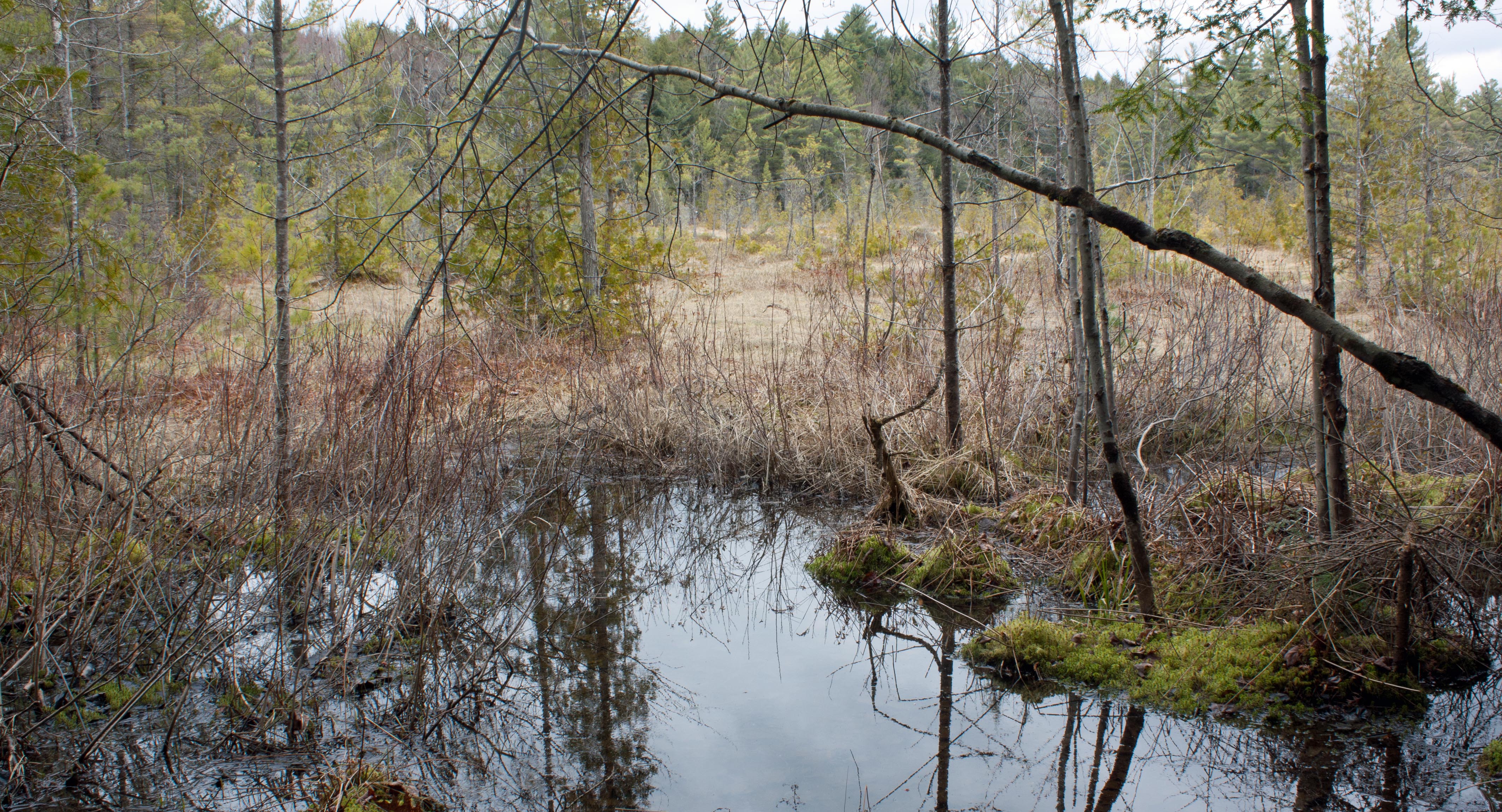
I stood on a mulchy hummock of Sphagnum amid waterlogged speckled alder (Alnus rugosa) and open pools of standing water, and peered beyond the shaded Alders into the open wetland and pine forest.
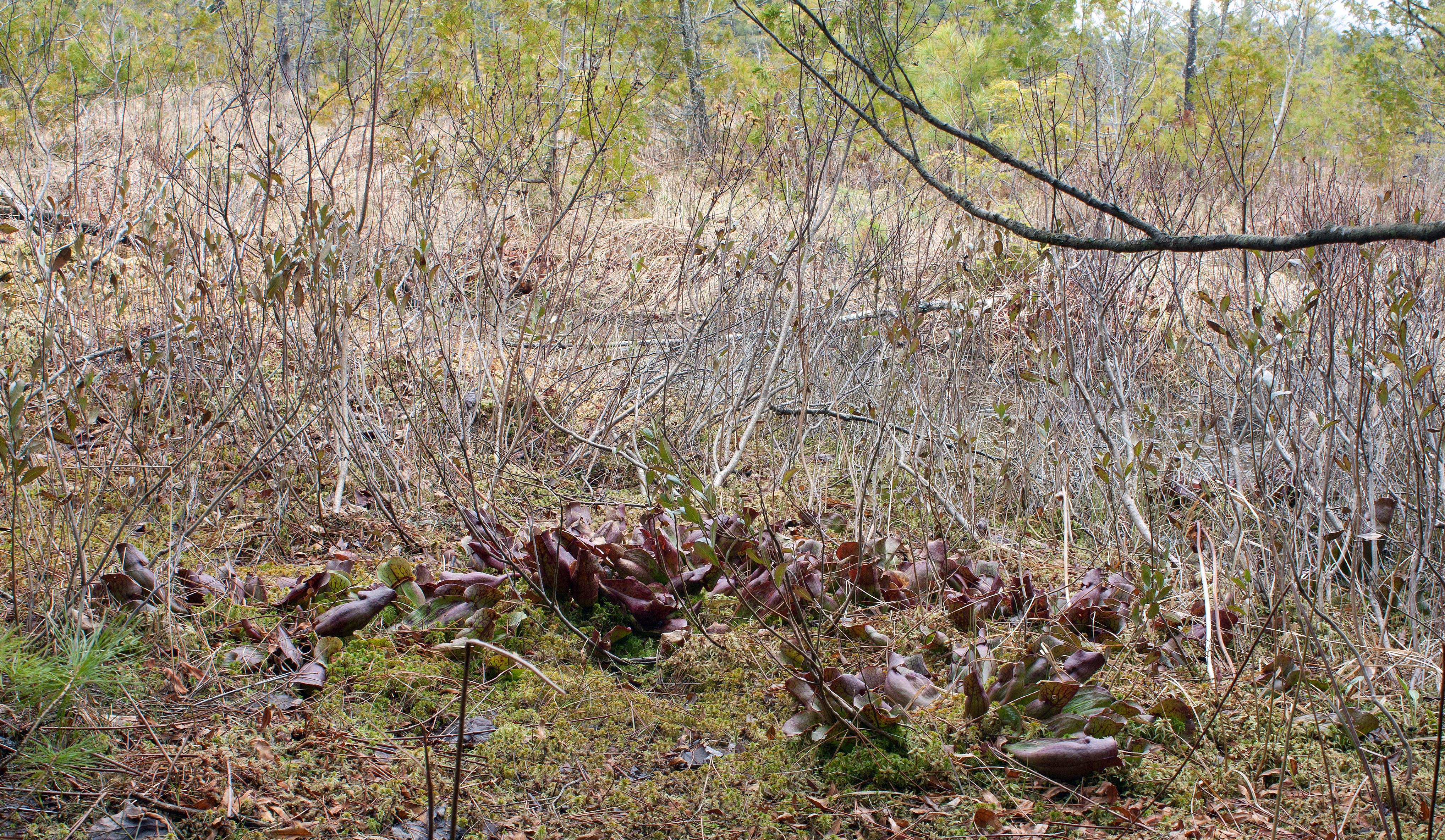
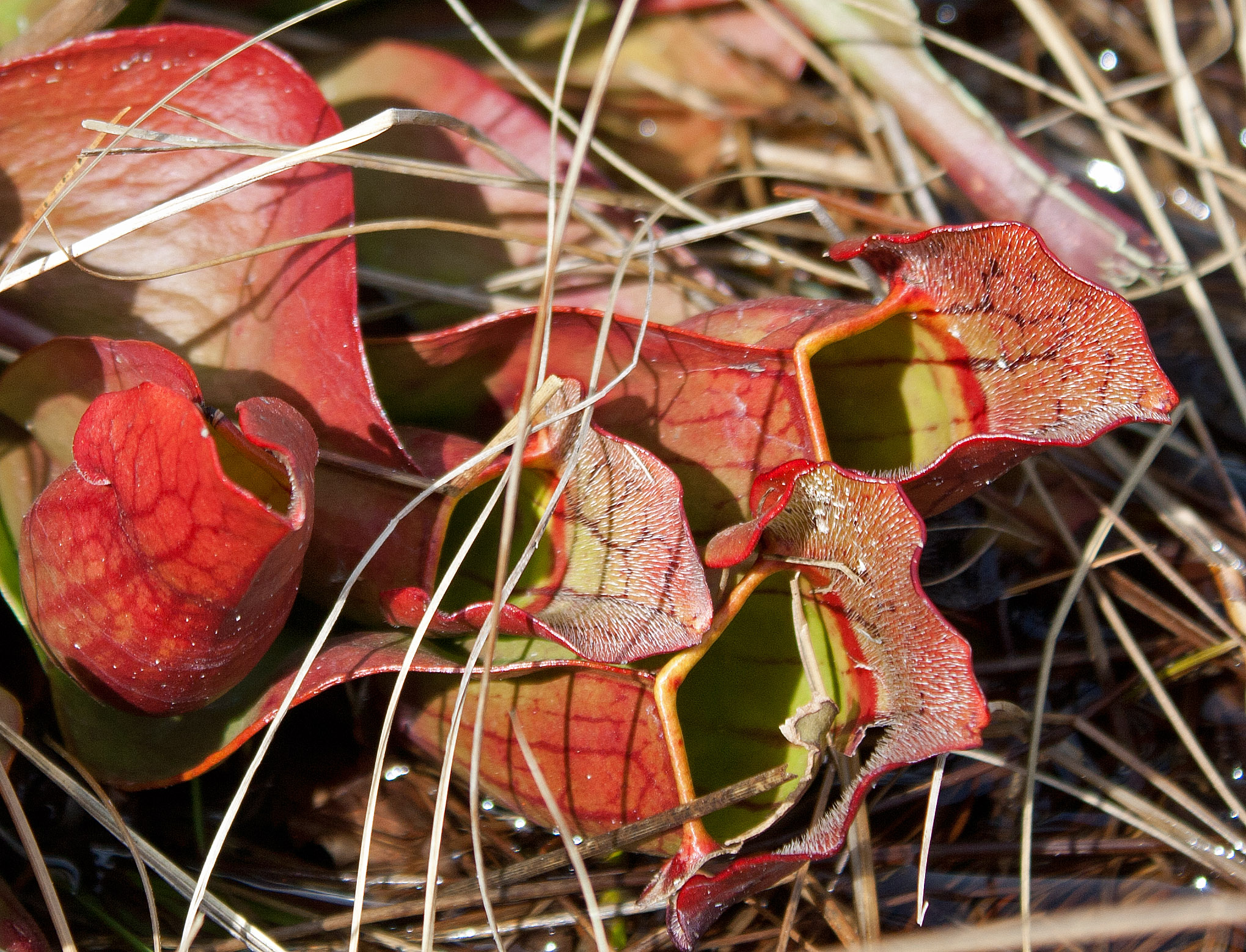
Just meters beyond where I was standing on the spongy edge of the wetland still under the forest canopy, I saw a large cluster of carnivorous red-purple pitcher plants (Sarracenia purpurea), growing in the Sphagnum, grasses and low shrubs. They formed open, spreading rosettes of hollow gibbous leaves, mostly green, with glorious veins of purple-maroon. Some were bright red.
.
On a granite outcrop that jutted into the marsh from the swamp forest, I tip-toed among spreading patches of lichen and moss, careful not to disturb the earnest growth of grey, green, yellow, brown and red.
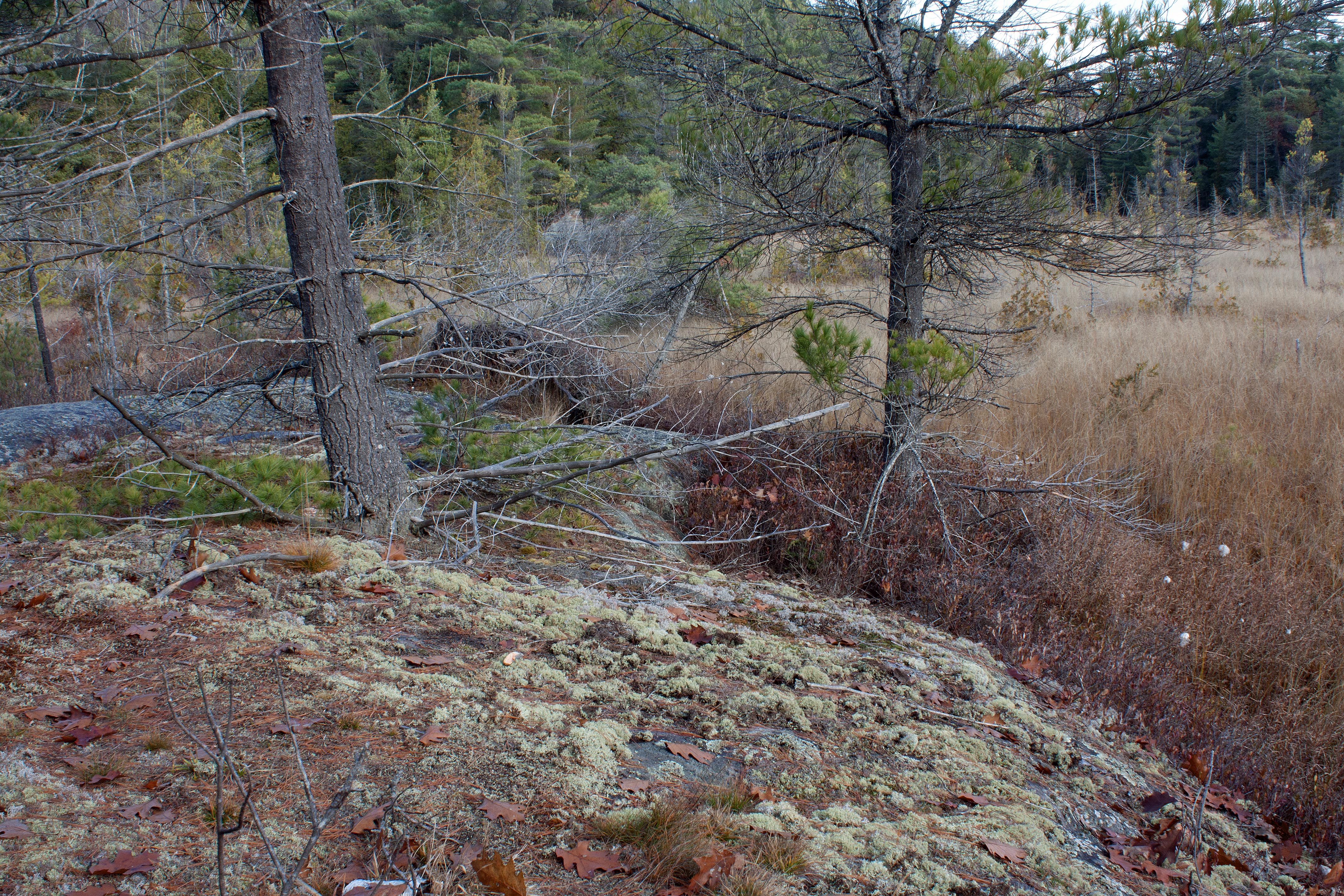
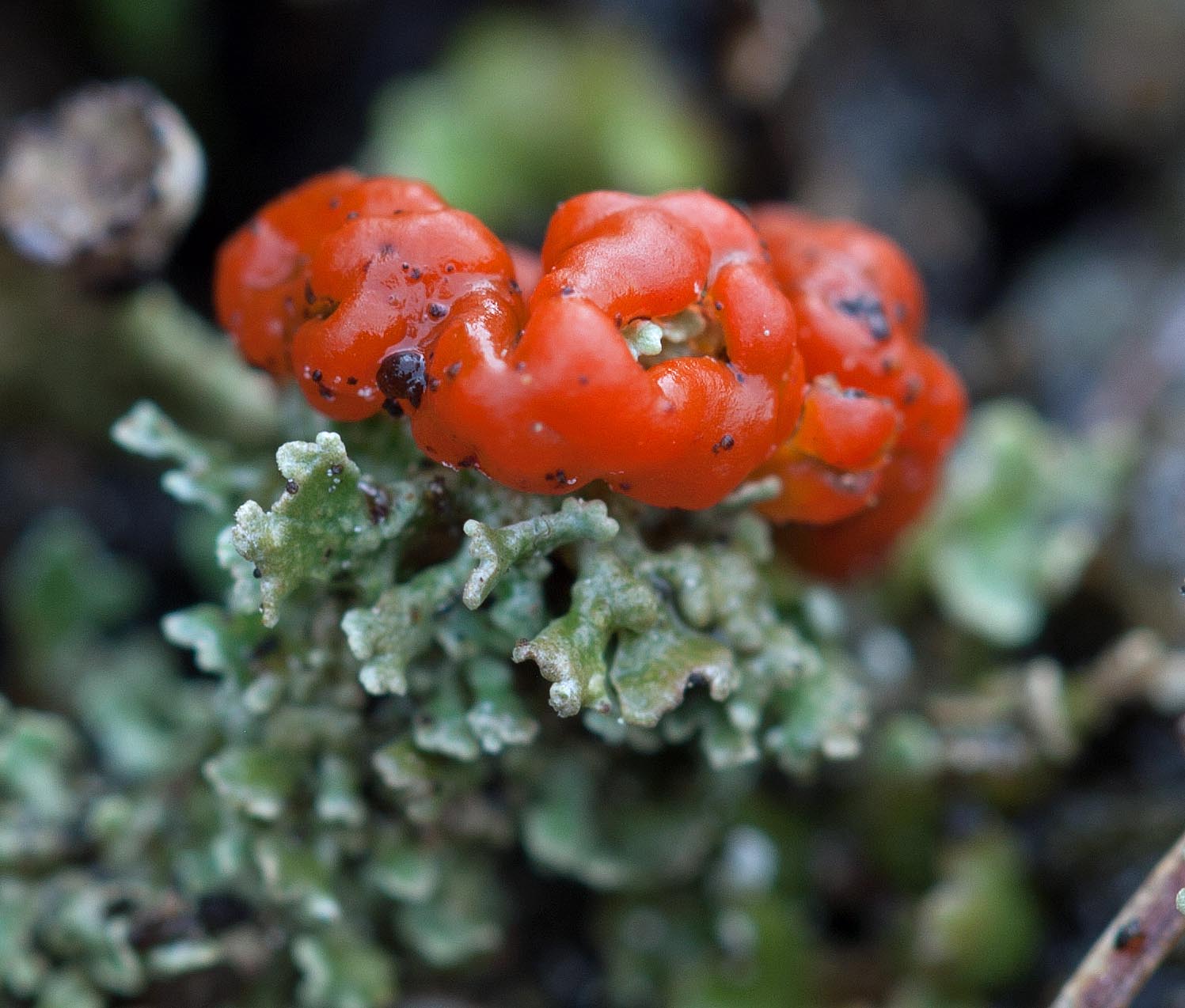
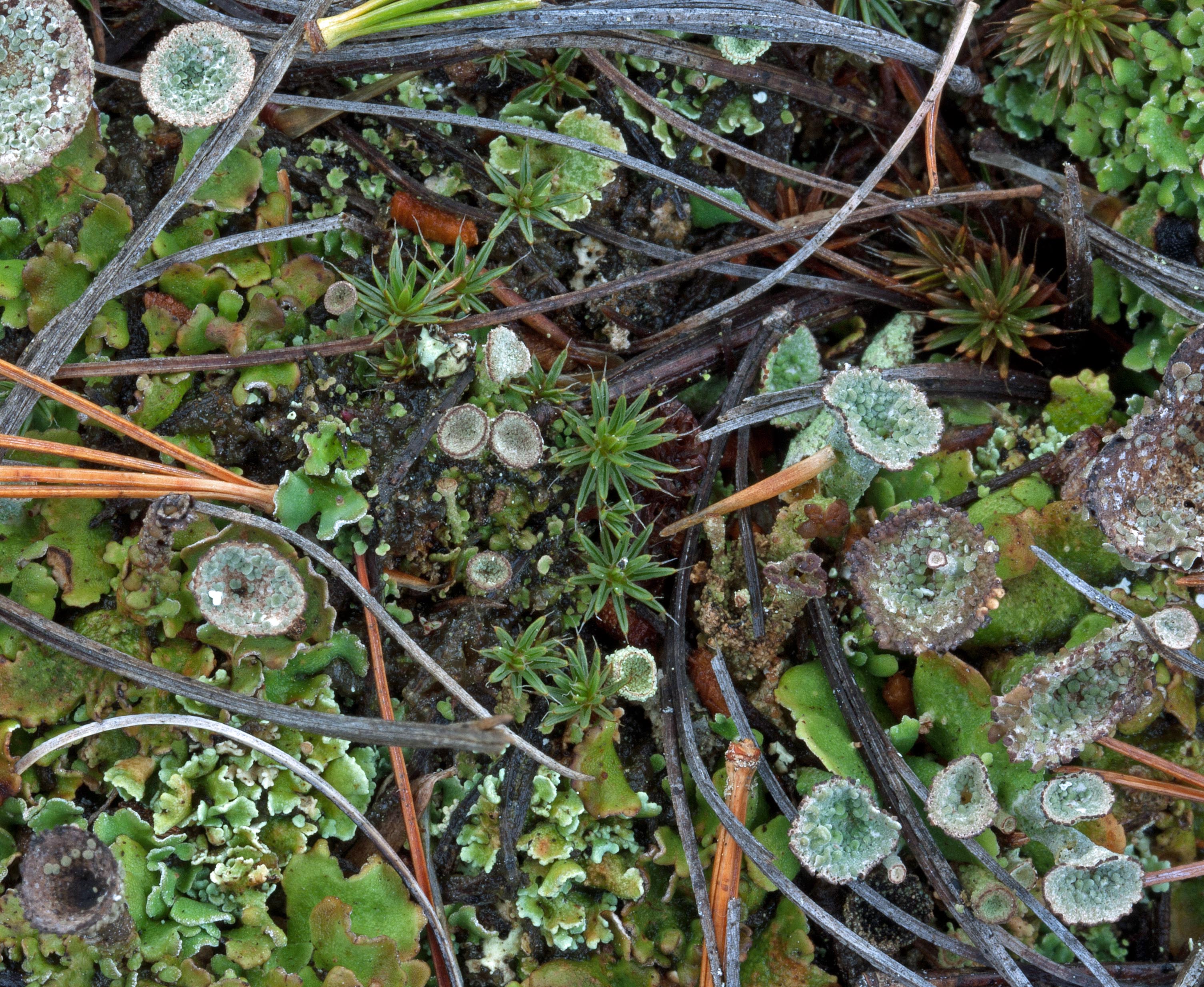
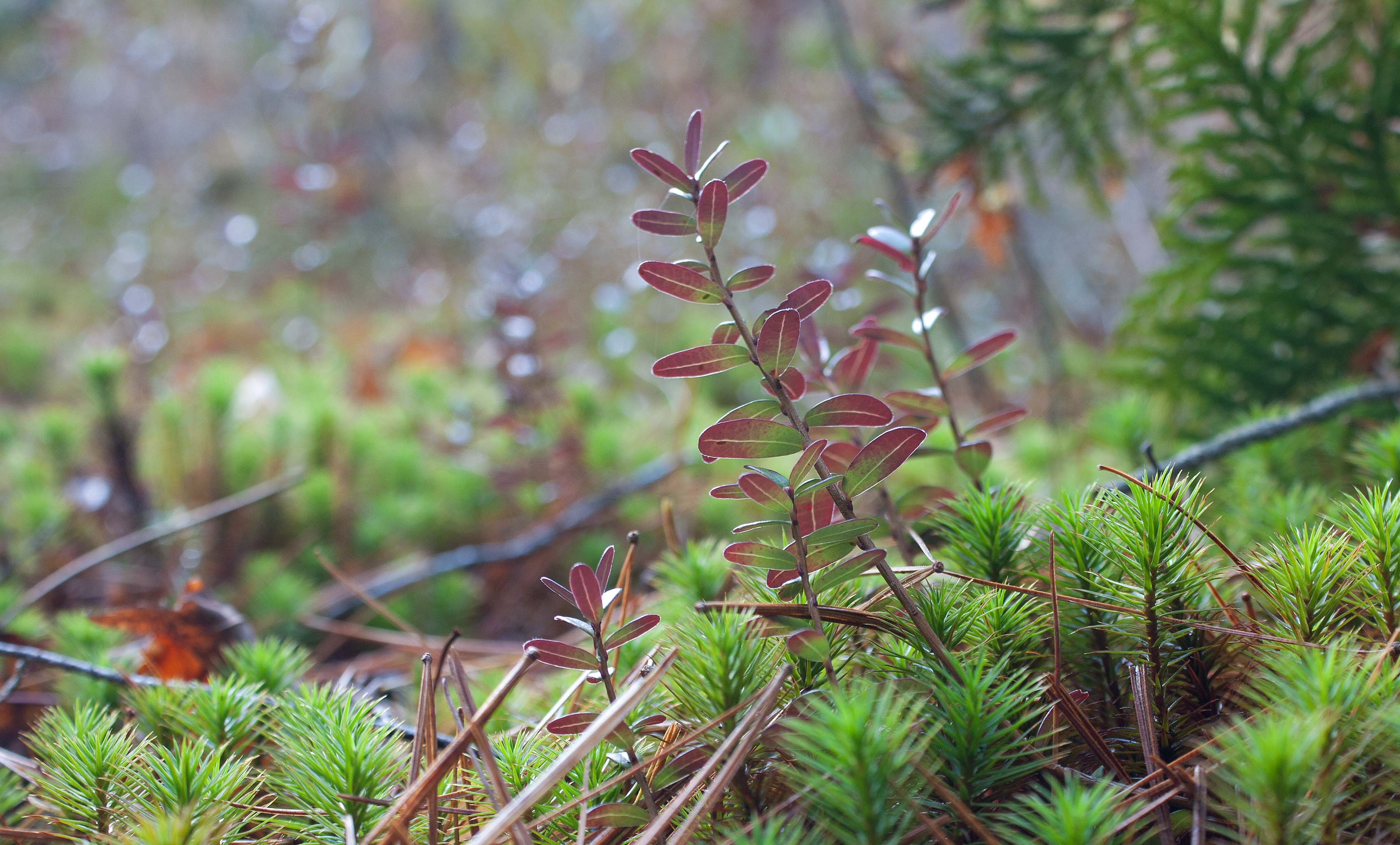
I could have stayed for days. I stayed for hours.
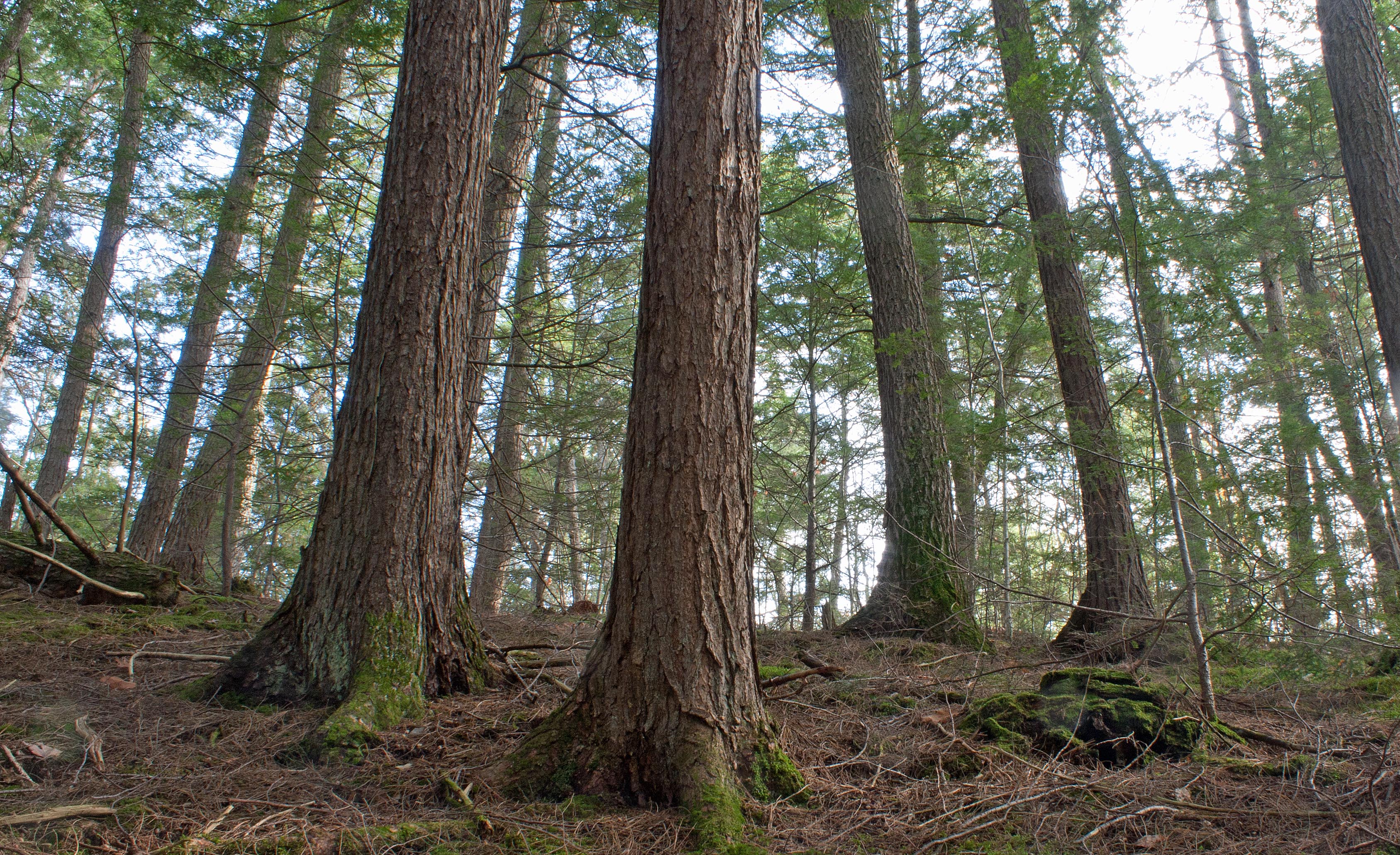
The Catchacoma old-growth forest is in danger of being logged (right to the edge of the marsh, which violates the forest practice code).

Nina Munteanu is a Canadian ecologist / limnologist and novelist. She is co-editor of Europa SF and currently teaches writing courses at George Brown College and the University of Toronto. Visit www.ninamunteanu.ca for the latest on her books. Nina’s bilingual “La natura dell’acqua / The Way of Water” was published by Mincione Edizioni in Rome. Her non-fiction book “Water Is…” by Pixl Press (Vancouver) was selected by Margaret Atwood in the New York Times ‘Year in Reading’ and was chosen as the 2017 Summer Read by Water Canada. Her novel “A Diary in the Age of Water” was released by Inanna Publications (Toronto) in June 2020.
 The Meaning of Water
One thought on “Ode to An Old-Growth Forest: A Photo Essay of Catchacoma Forest”