
.
A while ago, one of my graduate students at the UofT writing centre shared some angst about the direction she had taken in her thesis. She fretted about her methodology, what others had done, and the challenges that impacted her study design as initially envisioned. She worried that she’d gone astray.
Sometimes ‘going astray’ is just opportunity speaking through science. Some of the greatest discoveries and work are achieved through surprise—including when things don’t work out and when we meet the unexpected head on.
Discovery helps us embrace the unknown. And the unknown is the ultimate seduction. As a grad student, I’d begun with one area of pursuit and had let a discovery lure me to pursue another. I’d set out to study the structure and function of periphyton (attached algae) communities in streams chemically affected by organic enrichment. How they developed and what made them uniquely suited to one chemical environment vs. another. However, the experimental design led me to discover something in the physics of current dynamics: that turbulence exerted a spatial effect on the settling diatoms. My supervisor (Dr. E.J. Maly) kindly urged me to pursue this tantalizing discovery and we wrote a ground-breaking paper that theorized mechanisms for this uneven spatial distribution. The paper continues to be cited thirty years later and the heterogenous distribution was even given a name: the “edge effect.” While I completed and successfully defended my graduate thesis, the accidental discovery—and its paper—proved far more interesting and valuable to the scientific community.
Nobel laureate and physicist Albert Szent-Györgyi wrote that, “a discovery is an accident meeting a prepared mind.”
I realized that my entire life has been a series of surprising inspirations, unexpected reactions and moments of surreal serendipity. I’ve ping-ponged the surprising extremes of science and art, since…
…the day I brashly kidded to my Grade 7 classmates that I got 100% in my science exam before I discovered that I DID score perfect on the test—even though I was thinking of pursuing a fine arts degree to become a commercial artist.
…registration day at Concordia University when—after getting an early acceptance in fine arts—I changed my mind and registered in the science program, surprising my parents and myself.
…quitting my environmental consulting job to travel across Canada on a dream to write full time only to take a hard right and end up at the University of Toronto, teaching writing and communications.
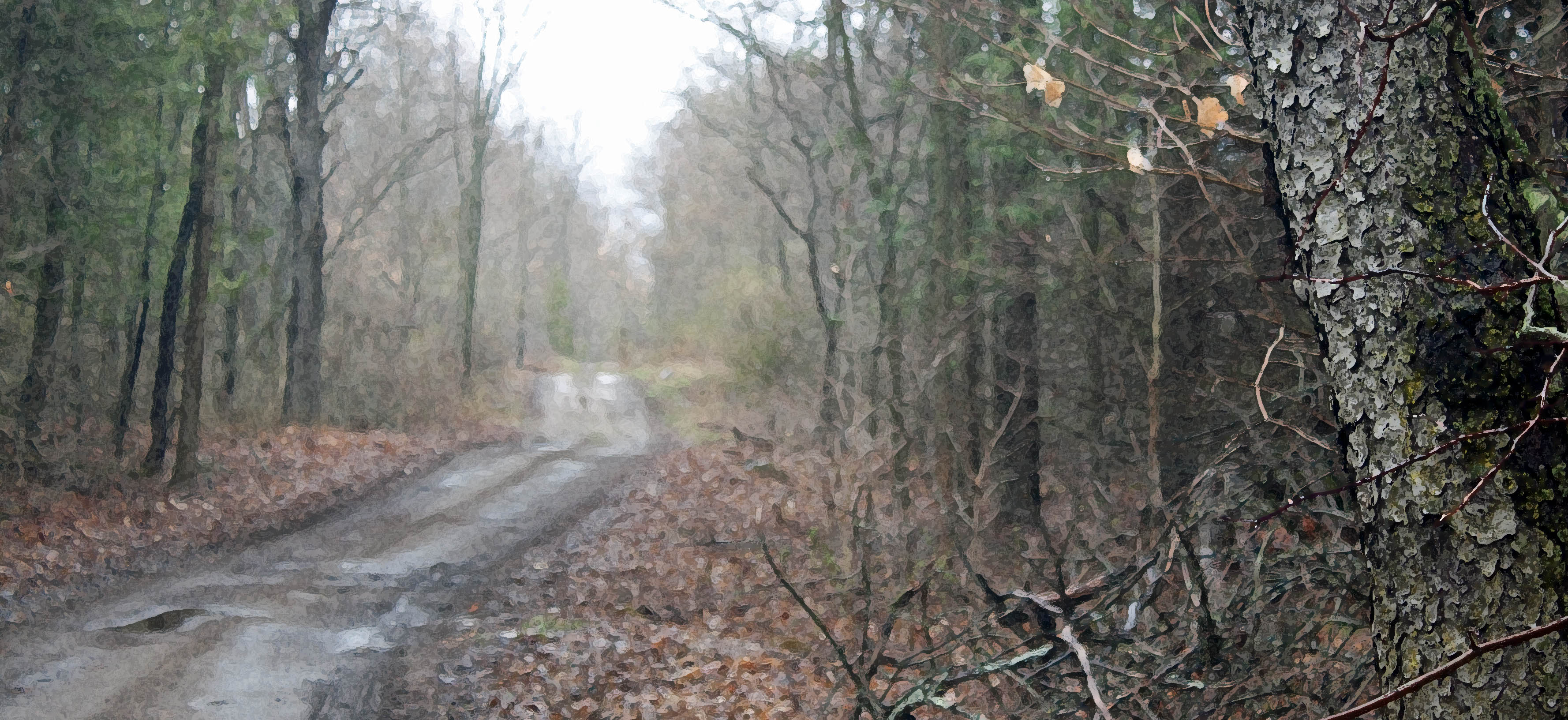
Sun-streaked Douglas fir forest, Watershed Park, BC (photo by Nina Munteanu)

.
By turns, science and art have played a shadow dance across my line of sight, urging me and challenging me to re-envision my path. It’s been a good ride so far…
.
.
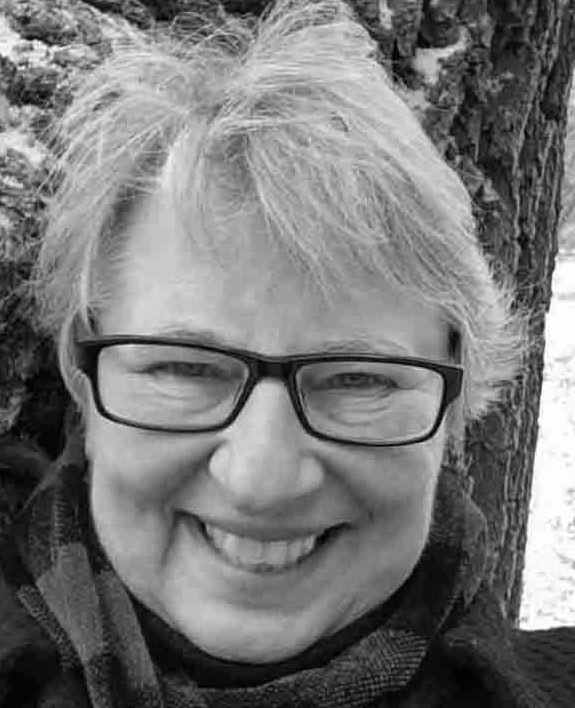
Nina Munteanu is a Canadian ecologist / limnologist and novelist. She is co-editor of Europa SF and currently teaches writing courses at George Brown College and the University of Toronto. Visit www.ninamunteanu.ca for the latest on her books. Nina’s bilingual “La natura dell’acqua / The Way of Water” was published by Mincione Edizioni in Rome. Her non-fiction book “Water Is…” by Pixl Press(Vancouver) was selected by Margaret Atwood in the New York Times ‘Year in Reading’ and was chosen as the 2017 Summer Read by Water Canada. Her novel “A Diary in the Age of Water” was released by Inanna Publications (Toronto) in June 2020.
.
 The Meaning of Water