.
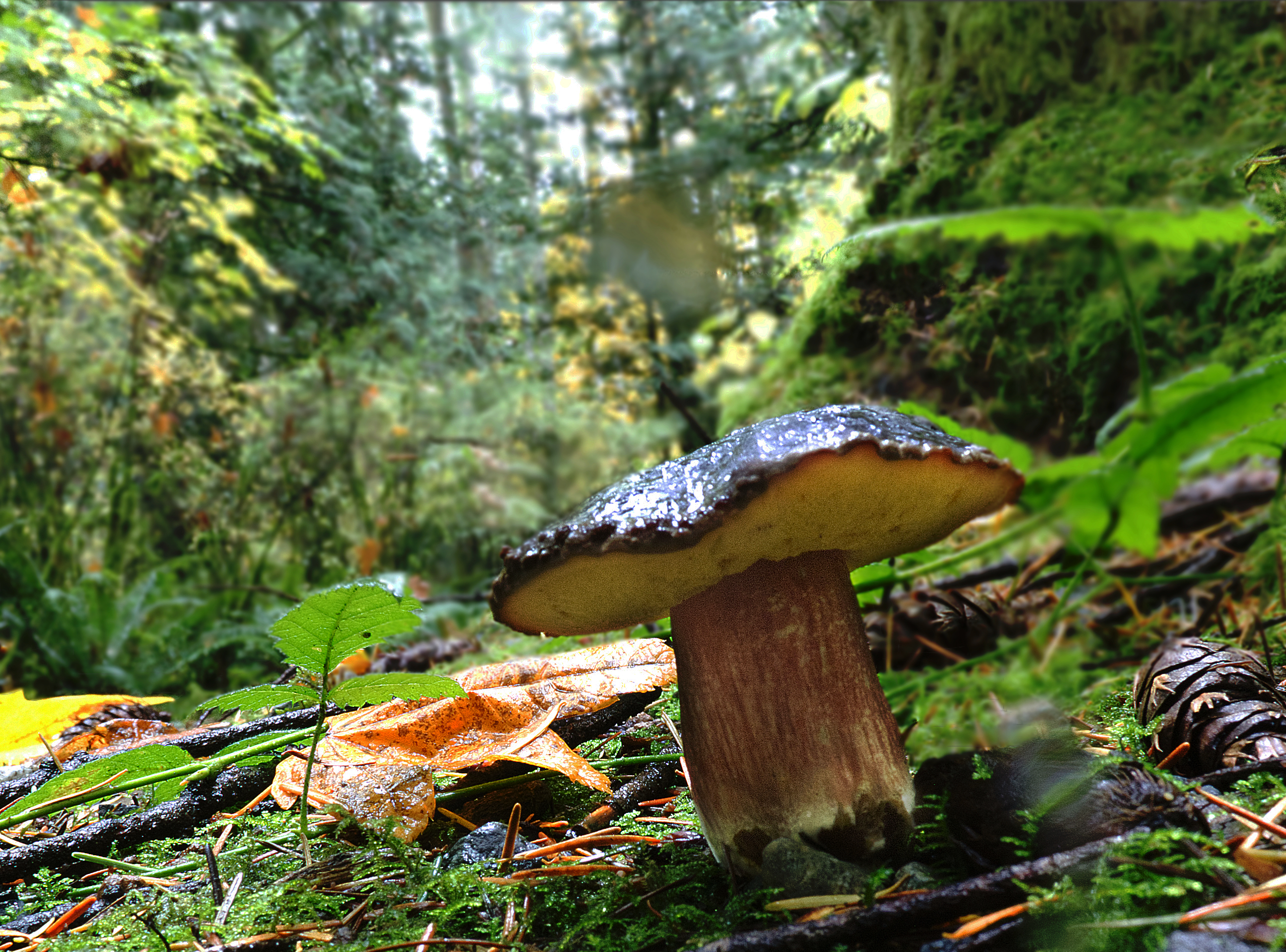
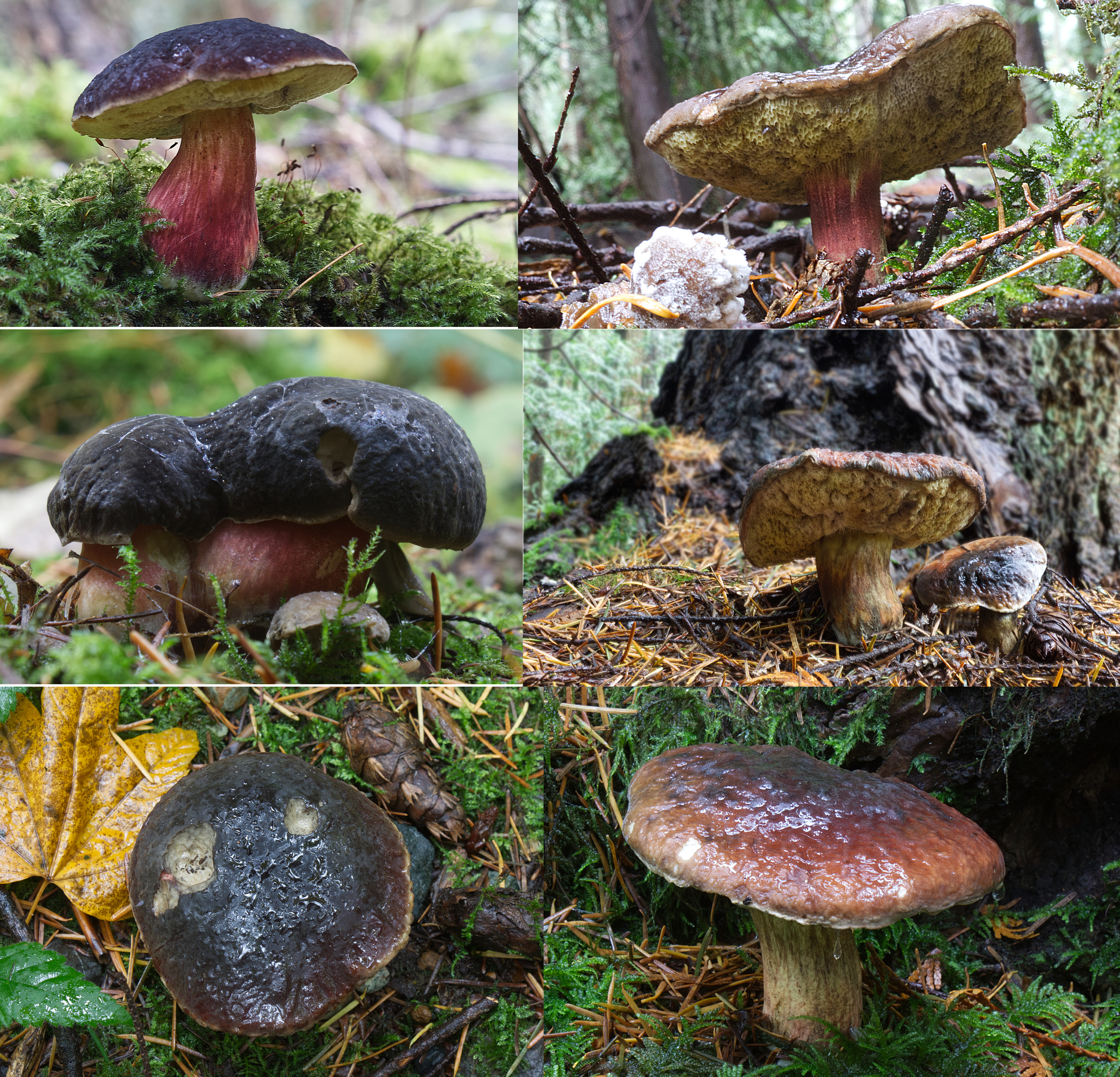
During my walks in Watershed Park’s Douglas fir forest in the fall, I noticed among the many sprouting fall mushrooms, a rather sizable mushroom with dark gray cap that resembled a stone or pebble (see my other article on Tricholoma terreum). Like Tricholoma, the dark ‘stone-looking’ cap made this mushroom difficult to find—except for one thing: I caught a glimpse of its bright reddish stem, hiding unsuccessfully amid the step moss. Intrigued, I looked more closely and noticed that this mushroom was a bolete.
.

.
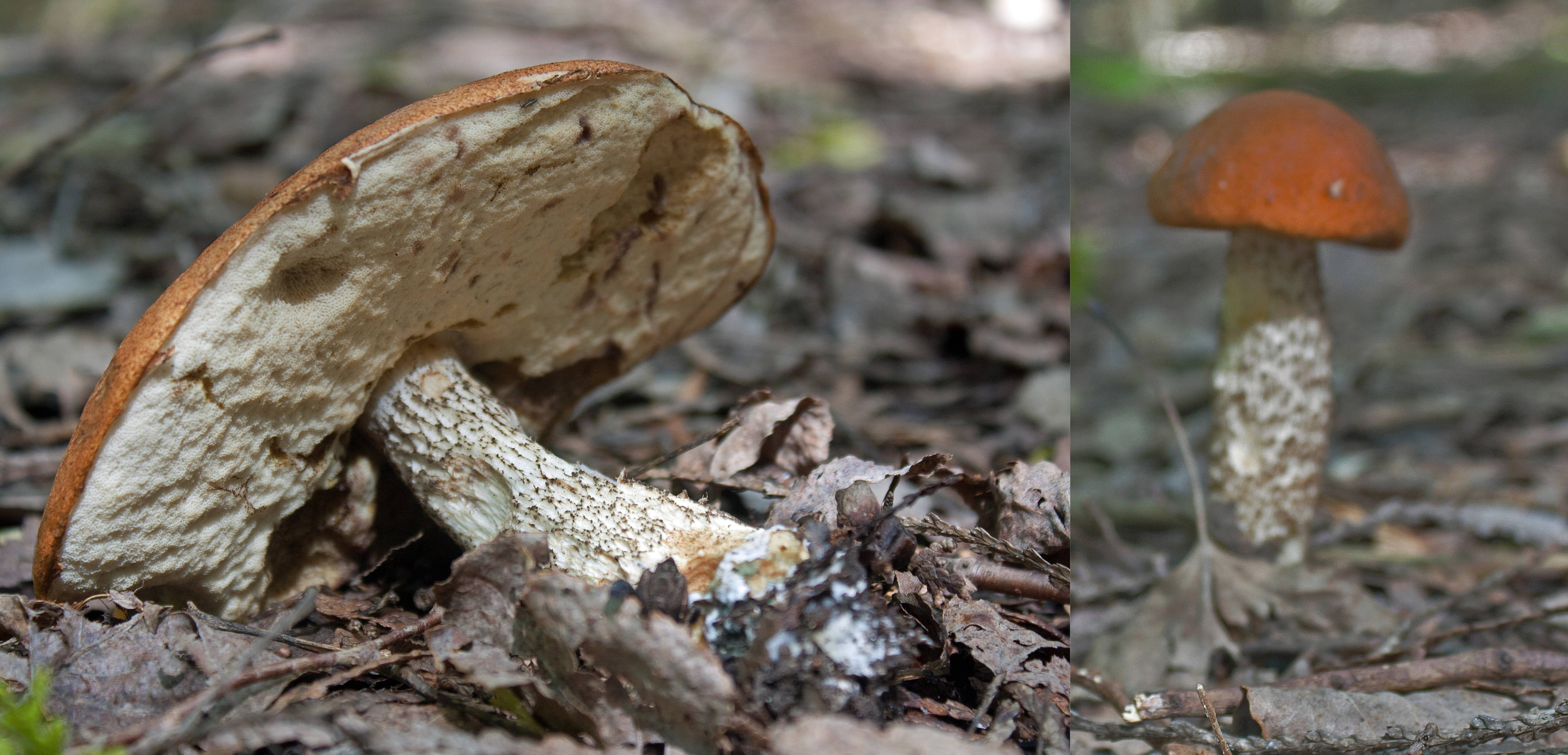
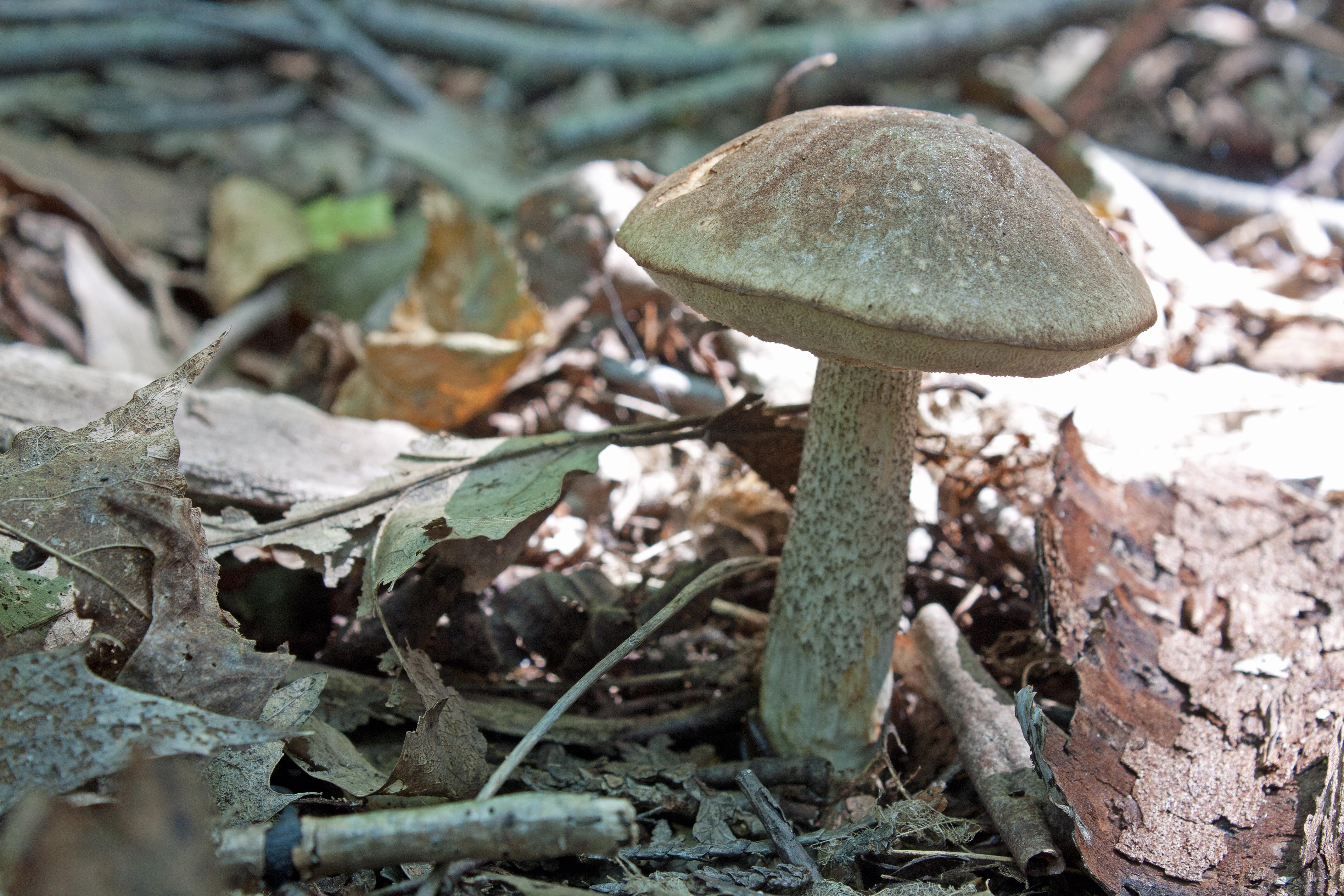
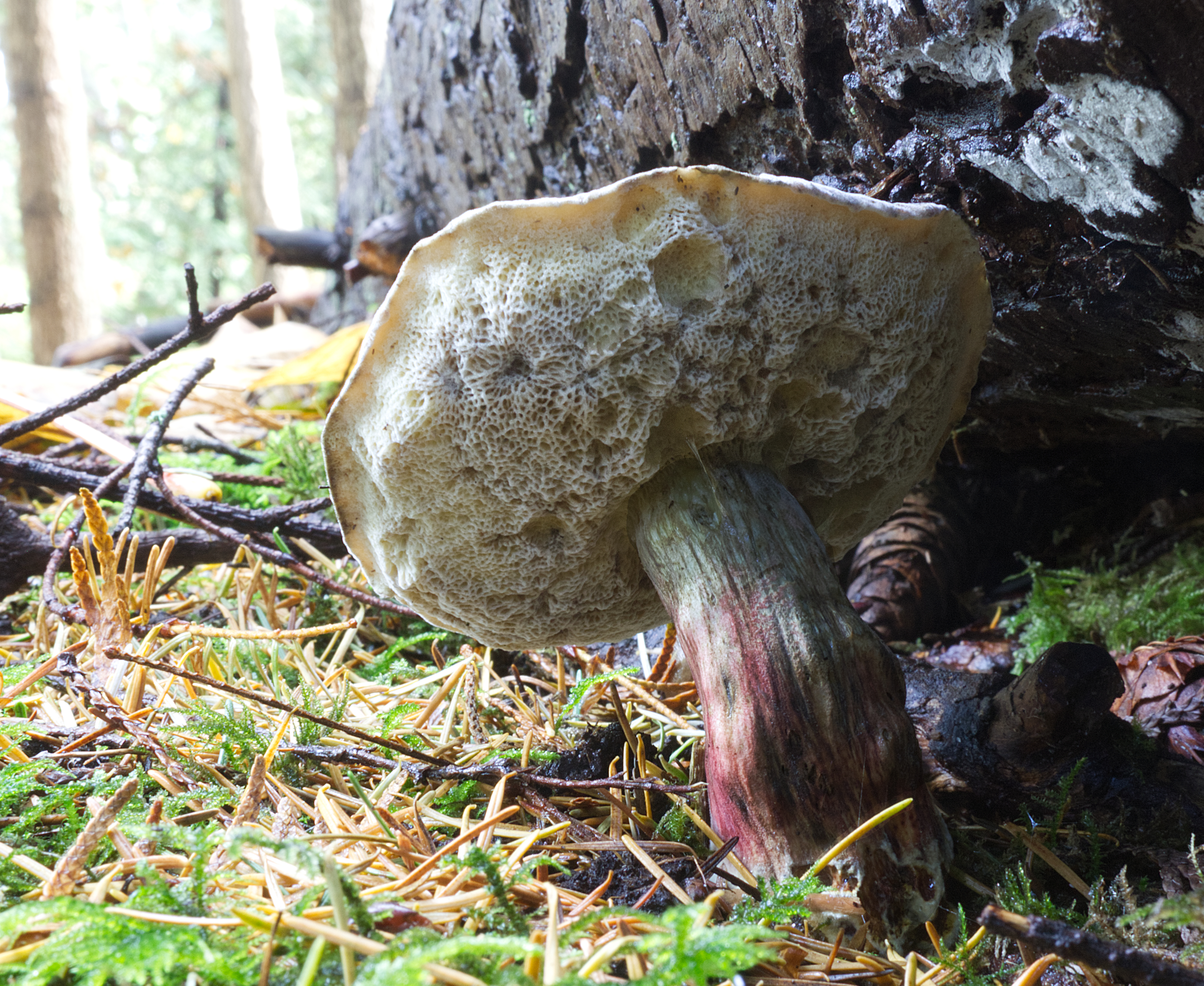
Boletes are easily identified by the underside of their caps that have a spongy pore surface instead of gills. Boletes grow mostly on soil, not wood, and occur in many colours, with caps from light brown, black to pink, red or yellow. While many boletes are edible, several are inedible or even poisonous; I’m told that most toxic boletes are either white or red—though you’ll see that there are exceptions.
.

.
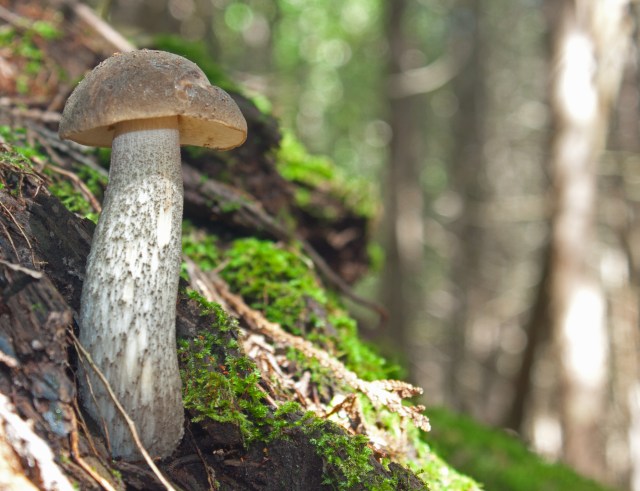
Boletes are part of a larger group, the Boletales (Agaricomycetes that comprise agarics and puffballs) with over 1300 species and a diversity of fruiting body types. I’m told that edible boletes have a meaty texture, nutty flavour, distinct aroma, and delicate creamy taste.
.
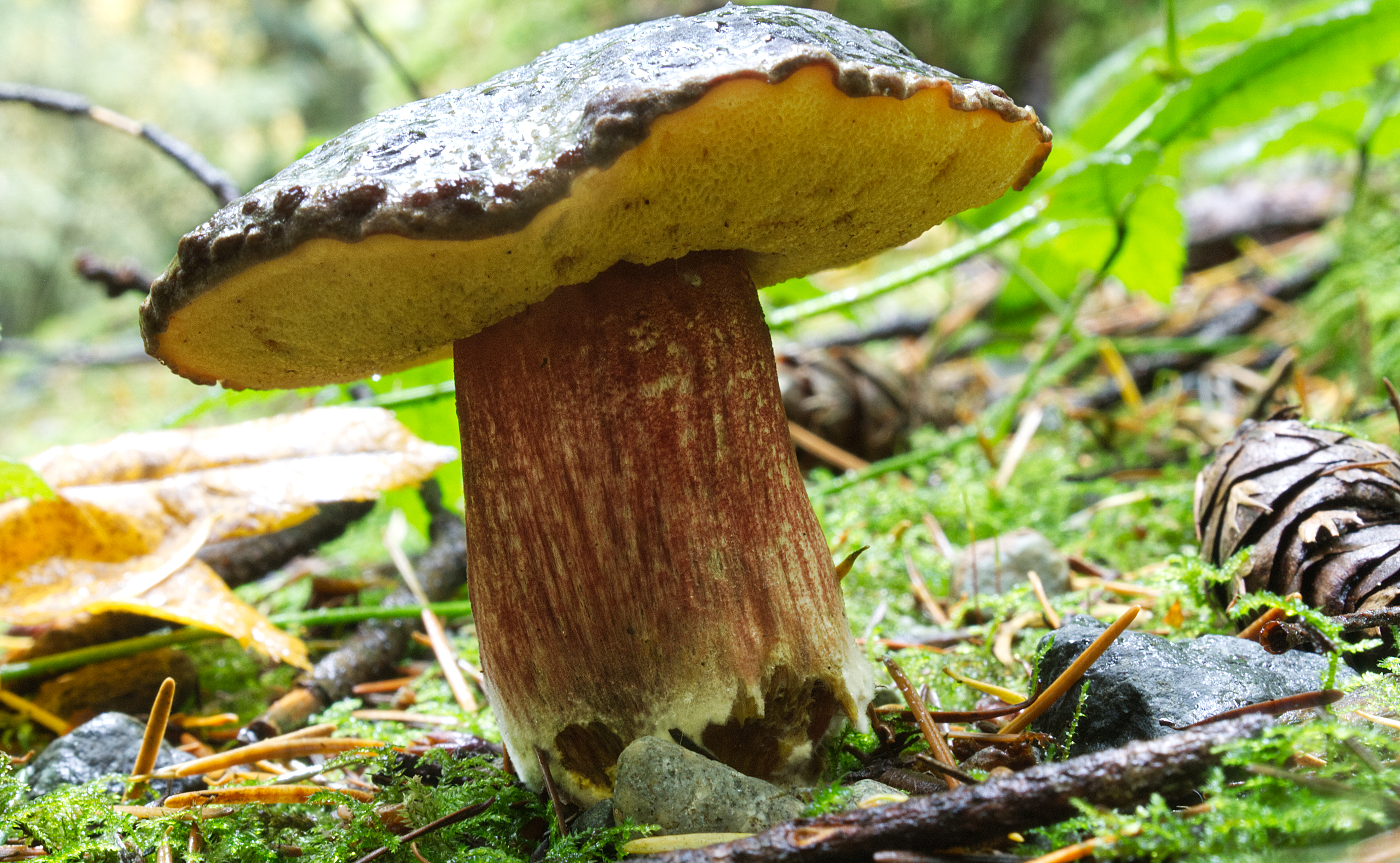
As I continued my walk through the forest, I noticed that this beautiful bolete seemed to prefer fruiting near a Douglas fir. When I returned home, I identified this fungus as Zeller’s Bolete (Xerocomellus zelleri), a mycorrhizal mushroom, whose fungal hyphae form sheaths around the rootlets of ectomycorrhizal trees and shrubs and exchanging nutrients with them in a mutualistic relationship. Named after Zeller, who identified it in 1914, this mushroom grows solitary or in small groups—which is how I found them—on the ground or in forest duff in mature conifer forests. Zeller’s Bolete is typically found in Douglas fir forests and restricted to western North America, from British Columbia to Mexico. You can also find it associated with alder, poplar and Western Hemlock (Tsuga heterophylla).
.

.
Zeller’s Bolete puts out its fruiting bodies in summer and autumn. The caps are typically 3-16 cm in diameter. Young Zeller’s Boletes are distinguished by their dark grey to black reddish cap and red-streaked yellow stem. They may also be covered by a grayish bloom. As the mushroom ages, the cap fades to a delicious reddish-brown and the red streaks on the stipe may fade too. Initially convex, the caps flatten as the mushroom matures. Zeller’s Bolete is fleshy, with an uneven dark brown to black velvety surface, which I noticed fades with age. The margin of the cap is often a pale cream colour. The stipe, often up to 12 cm tall and 1-3 cm thick, may start out red or red-streaked yellow and is often swollen at the base. I noticed that some stipes were a pale creamy colour, usually at the base.
.
.
I also read that this beautiful bolete contains phenethylamine alkaloid compounds tyramine, N-methyltyramine, and hordenine. The chemotaxonomic significance is not clear yet. But investigations may reveal more stunning qualities of this already fascinating fungus.
.

.
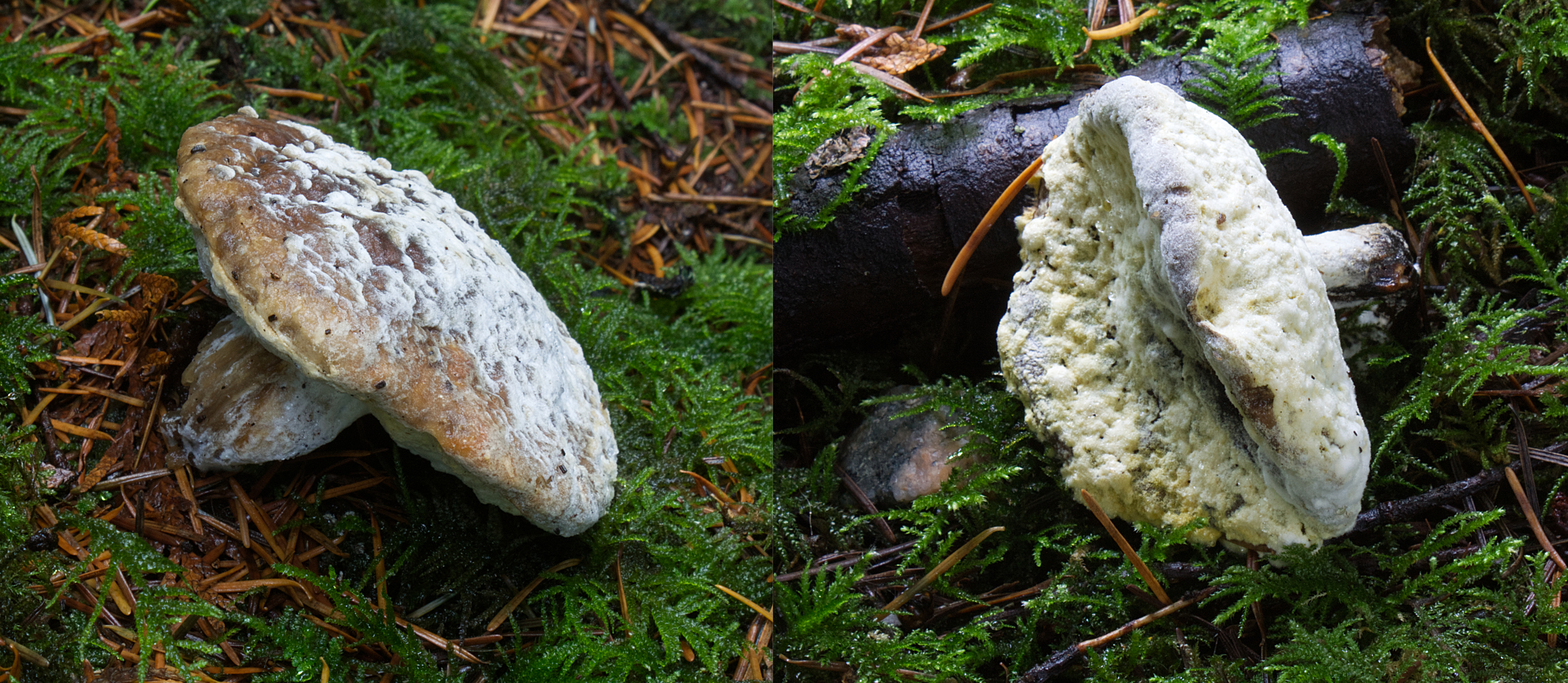
Post Script: By late November, many of the boletes in the Douglas fir forest of Watershed Park, BC, were covered in a white mold, Bolete Eater Mold (Hypomyces chrysospermus), which, as the name implies, primarily attacks the fruiting bodies of boletes, especially in their final stages of decay.
This ascomycete parasitic fungus covers both stipe and cap, starting out as a white, mold-like ‘fur’ on the surface of the bolete host. The white mold spreads quickly and turns yellow then reddish brown during the later stages of mushroom decay. The infection changes the appearance of the host bolete into a soggy foul-smelling mass as it decomposes, returning all back to the forest.
.
.
References:
Bandoni RJ, Szczawinski AF (1976). Guide to Common Mushrooms of British Columbia. Vancouver, Canada: British Columbia Provincial Museum. pp. 173–4.
Cline ET, Ammirati JF, Edmonds RL (2005). “Does proximity to mature trees influence ectomycorrhizal fungus communities of Douglas-fir seedlings?”. New Phytologist. 166 (3): 933–1009.
Kuo, Michael. 2005. “The Boletes (‘Boletales’). MushroomExpert.com. March, 2005.
Schalkwijk-Barendsen HME. (1991). Mushrooms of Western Canada. Edmonton, Canada: Lone Pine Publishing
Wood M, Stevens F. “Boletus zelleri“. California Fungi. MykoWeb. Retrieved 2009-09-15.
.

.

Nina Munteanu is a Canadian ecologist / limnologist and novelist. She is co-editor of Europa SF and currently teaches writing courses at George Brown College and the University of Toronto. Visit www.ninamunteanu.ca for the latest on her books. Nina’s bilingual “La natura dell’acqua / The Way of Water” was published by Mincione Edizioni in Rome. Her non-fiction book “Water Is…” by Pixl Press (Vancouver) was selected by Margaret Atwood in the New York Times ‘Year in Reading’ and was chosen as the 2017 Summer Read by Water Canada. Her novel “A Diary in the Age of Water” was released by Inanna Publications (Toronto) in June 2020.
.
 The Meaning of Water