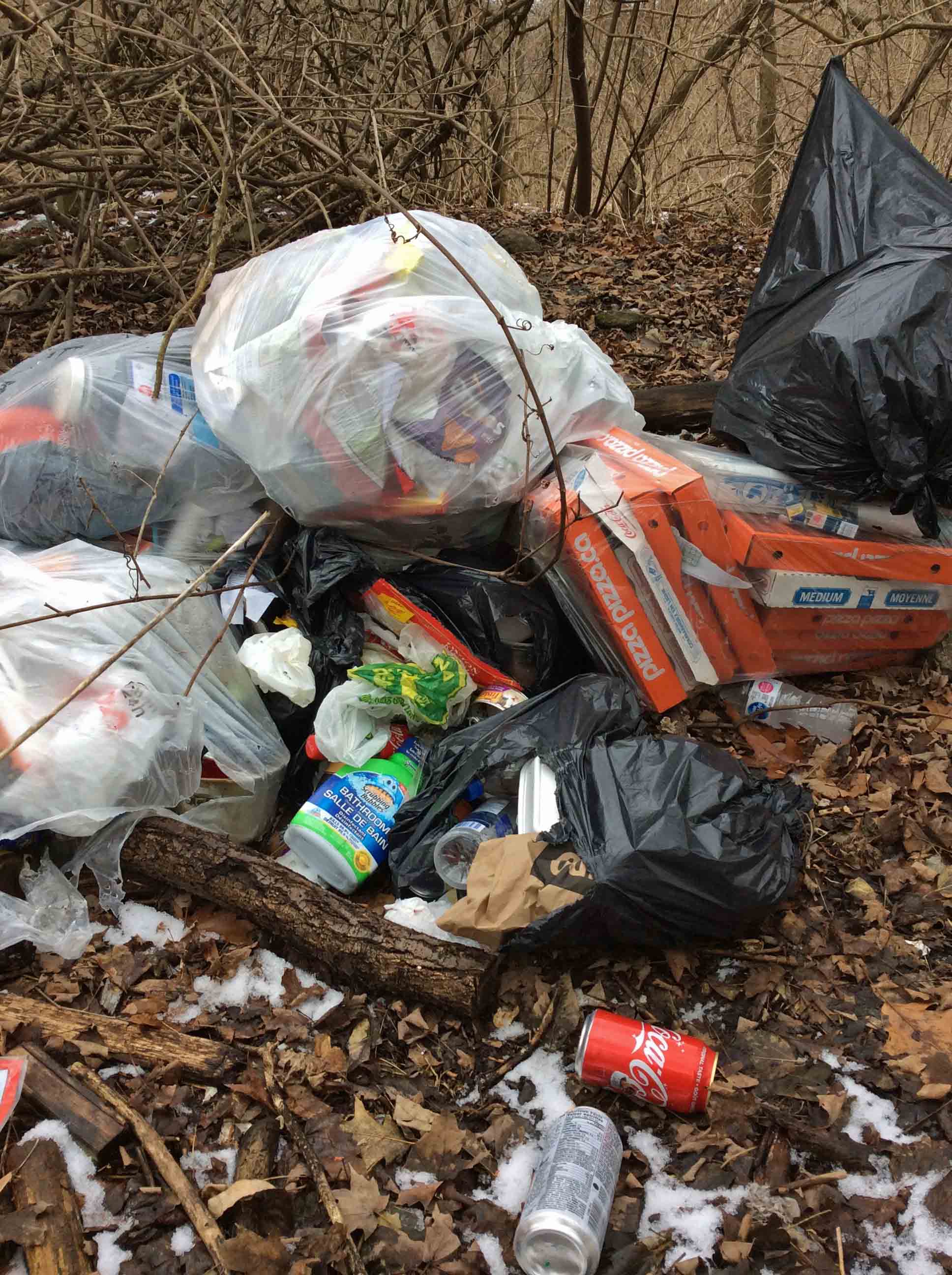
As a child, my pet peeve was littering.
I was only five years old and I found littering a disgusting habit. I didn’t really know why I was so offended by it. It’s possible that my latent OCD or ADHD or my inherited German inclination for Ordnung and Anspruchsvoll played a part. But I was feeling it on a visceral level. As my environmental awareness grew over the years, I came to realize that littering was an individual’s most personal form of disrespect, disconnect, and apathy for everything: the environment, other people, and ultimately oneself.
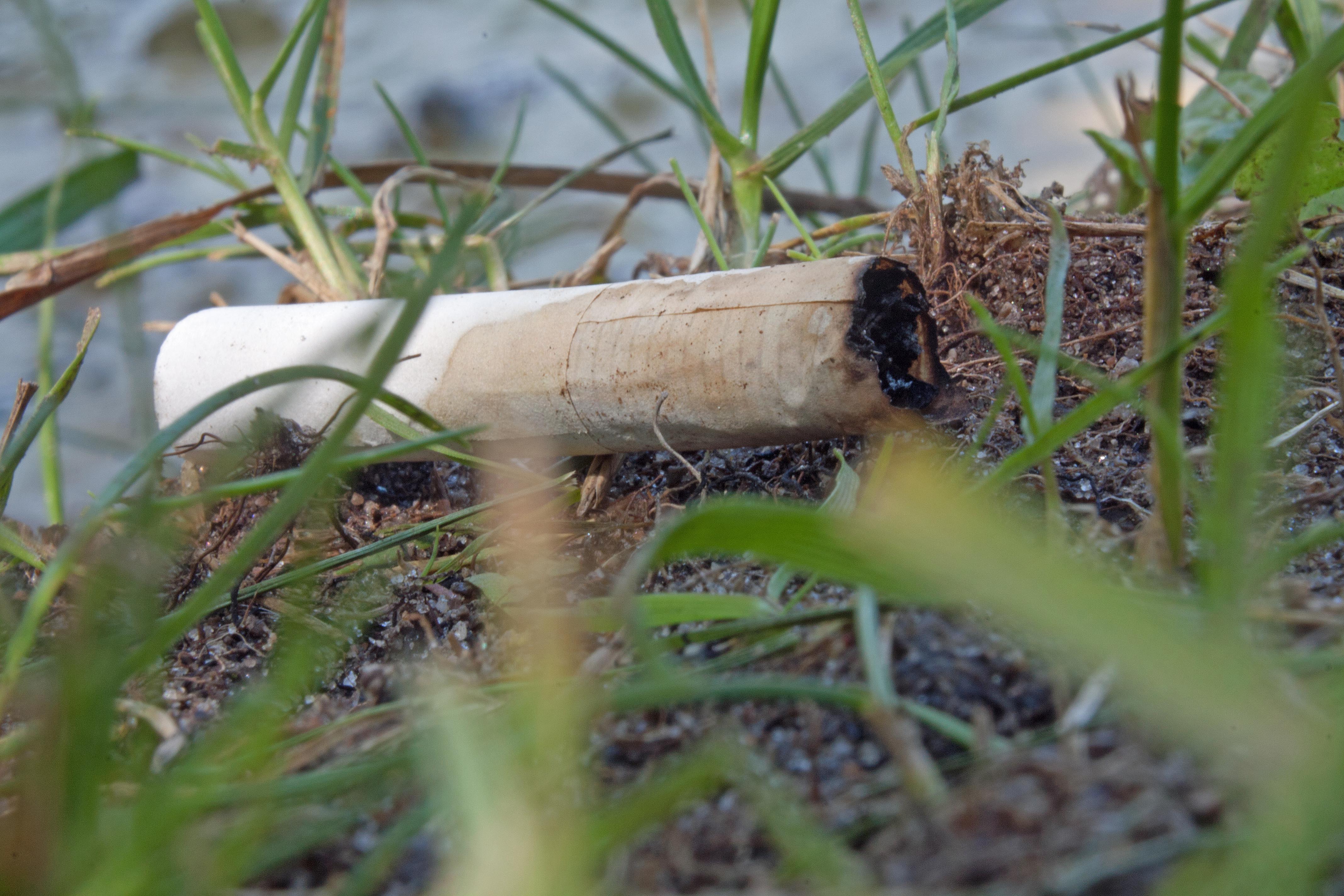
Litter isn’t just unsightly and unhealthy to us. Discarded in streets, roadsides and parks, litter can travel through the storm water system to our rivers and creeks, where it can cause harm to aquatic wildlife, which are particularly susceptible (especially to cigarette butts). It’s worse near or in a natural park with a flowing river. Trash has more likely routes of reaching and poisoning the water. If trash is sitting in or near the water, contaminants will leach into the water, which carries the contaminants throughout the watershed and bioaccumulates in the aquatic life. Wherever the water evaporates, whatever was in the trash is now in the air.
My thought was: if we can’t stop ourselves from the simple act of littering, how can we expect large corporations like DuPont, Bayer, and Honeywell to stop their willful pollution of our waterways with forever chemicals?
Why Some People Litter
- Not taking responsibility: “it’s not my job”
- Lack of trash receptacles (laziness and irresponsibility)
- Presence of litter: “if it’s there already, why not me too?” (litter already there is cited as one of the most common reasons for continued littering
- the belief that there is no consequence for littering (the belief that they can get away with it even if they know it’s wrong; they may believe that littering in that particular location will not incur a penalty)
- Lack of environmental education: lack of ecological context and consequence. They don’t understand or care to understand that most litter is harmful to the environment in some way. Some people don’t think that cigarette butts are litter or they believe they will disintegrate soon, which is the opposite—being partly plastic, these toxic things can last over two years. As it turns out, cigarette butts are the most common form of litter on the planet. According to Truth Initiative,“about 4.5 trillion cigarettes [are] discarded each year worldwide.” Cigarette butts contain harmful chemicals, including arsenic (used to kill rats), lead, and over 4000 other toxic compounds that can contaminate water and soil. Scientists have documented residues of pesticides, herbicides, insecticides, fungicides, and rodenticides as well as polycyclic aromatic hydrocarbons (PAH), and heavy metals in discarded cigarette butts.
- Lack of connection with environment: this thoughtless, not caring—this apathy—can result in the kind of gross negligence that results in a general miasma on a societal level.
Because it’s not clear who’s responsible for cleaning them up, litter accumulates (due to a failure in social compact); this creates a place that looks extremely neglected and uncared for—a signal that littering is socially acceptable—and reinforces more.

Virtually every reason for littering points to an attitude-issue related to:
- A lack of connection with one’s environment
- Not living actively and mindfully
- Not living responsibly and considerately
- Lack of respect for the non-human world (in fact, littering shows a lack of respect for the human world as well).
This is why I firmly believe that by addressing and reducing littering, we are addressing and reducing all forms of pollution, from the individual to the corporate level. Because, what is needed is a paradigm shift in how we see ourselves and how we relate to our world.
Why Some People Don’t Litter
“Some people really stand out in terms of their involvement with a place and act as a kind of champion for it. Through their efforts in taking responsibility for disposing of rubbish and clean-up activities, they highlight the positive contribution people make, which in turn promotes communication and good relationships between others who regularly use the place or who are just visiting. Like many other human behaviours, it’s a bit ‘chicken and egg’ – a good sense of community helps reduce the likelihood of littering behaviour and places where there is a good sense of community are less likely to be littered.”
Karen Spehr and Rob Curnow, Litter-ology
In fact, it doesn’t take much to champion a place: you just have to decide that it is part of you and your home.

Engendering Sense of Place & Community
Spehr and Curnow tell us that:
“human beings have an innate need to belong and to be an accepted member of a group and this primal need to connect with others is most clearly expressed in our relationships with family, friends, sports teams, interests and our local community. The need to be part of something greater than ourselves also extends to how we relate to our surroundings in public places. More than just familiarity, a good public place reflects a sense of caring and welcome, whether it’s a busy vibrant shopping hub or a quieter place of contemplation. It feels good to be in places like these and we’re often likely to refer to them as having a ‘good sense of community’. If enough people have these feelings for a place, a strong sense of shared ownership will develop, with people looking out for both the place and each other. This feeling of involvement and attachment leads to a sense of shared responsibility to look after the place, with littering and damage far less likely to occur.”
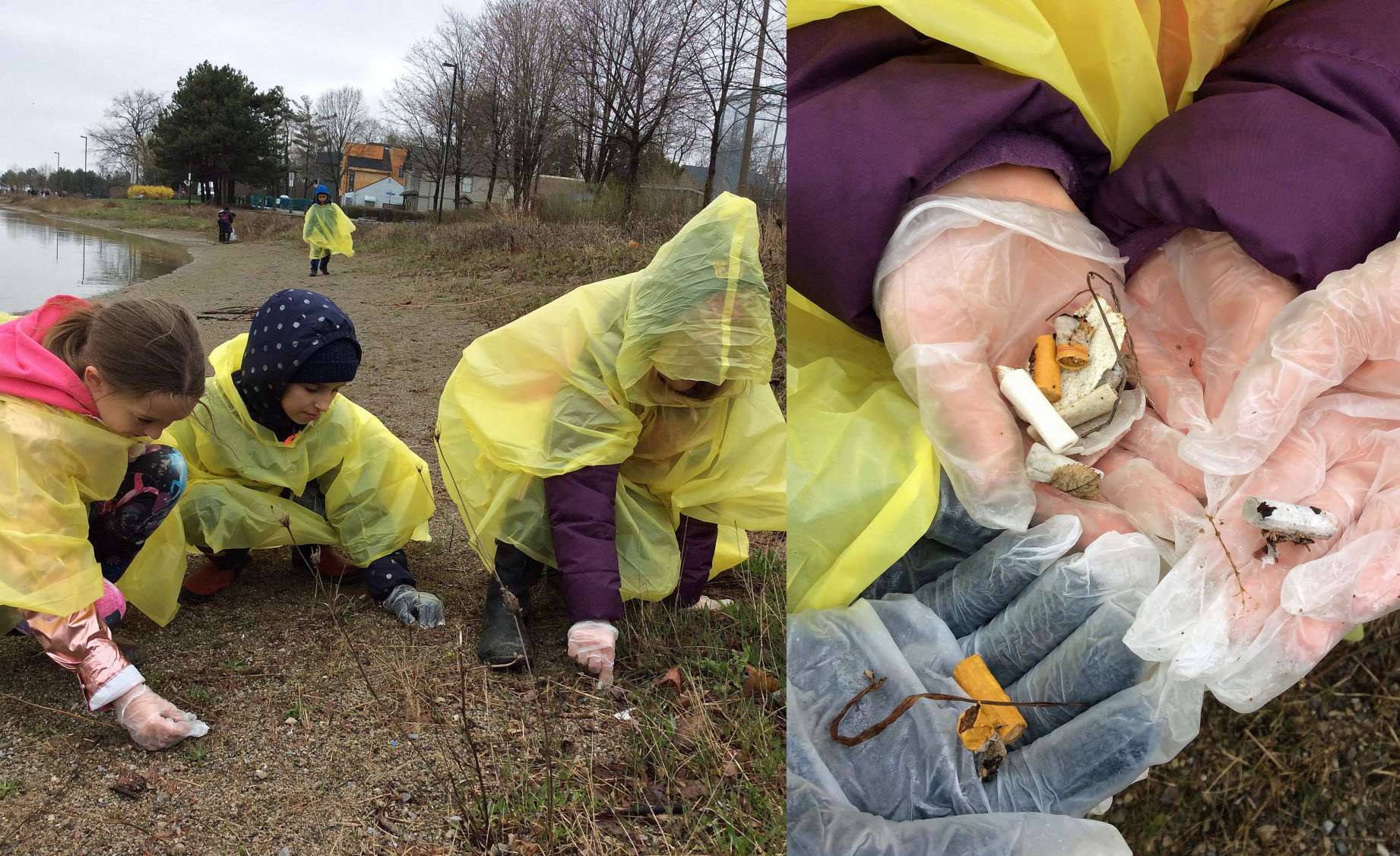
Perhaps you have a favourite place you like to visit—a local stream, river, park or beach. The wildlife and the trees and the water will benefit from your efforts. So will you, having done a good thing for the environment.

What I Did…
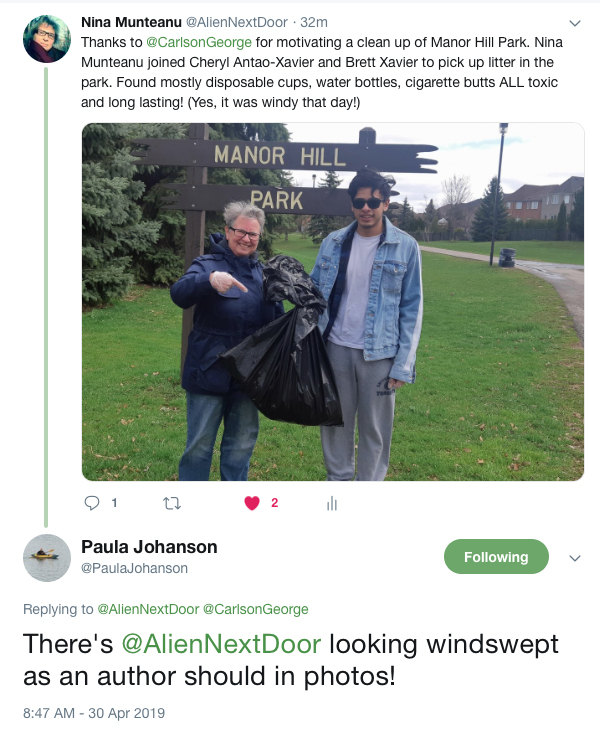
One of several areas I chose to clean up was by the entrance to the Rouge River National Park on Old Finch Avenue, a place I enjoyed for meditative Nature walks. My motivation was partly selfish; I wanted to feel good going to this park. This park was my sanctuary for calm and tranquil meditation in Nature. I wanted to see it fresh and unsullied. So, like I would clean my own house to feel good, I did the same there.
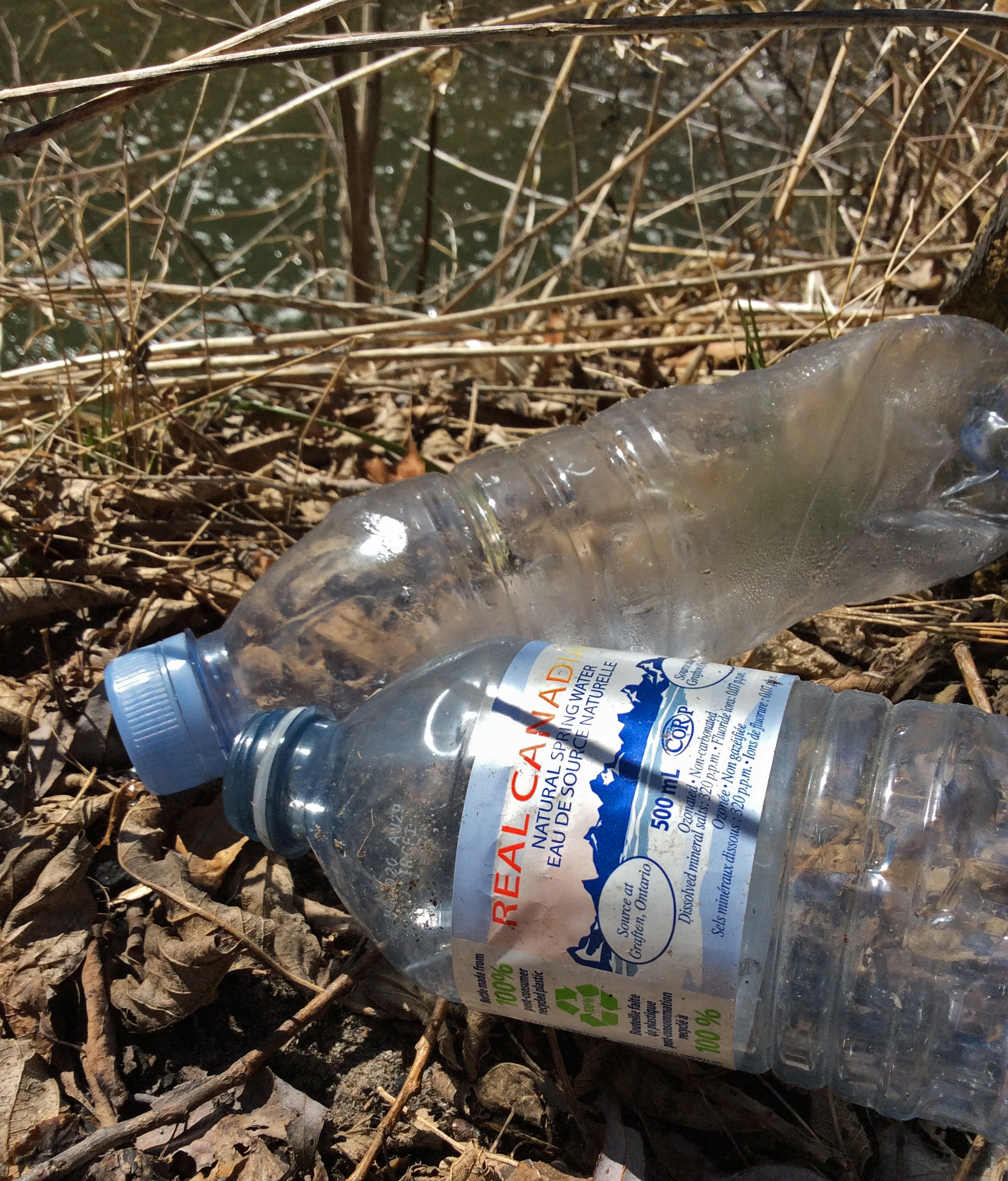
I found all sorts of trash on either side of the one-lane Bailey Bridge over the Rouge River, where drivers had to stop and wait for their turn to cross. For a while, I went almost weekly with gloves and a garbage bag and scrambled over the fence and steep bank and into the forest, collecting careless people’s trash. Mostly Tim Horton’s cups (what is it about Tim Horton’s clientele???), plastic water bottles, pop and power drink cans, junk food wrappers, and cigarette butts and cartons.
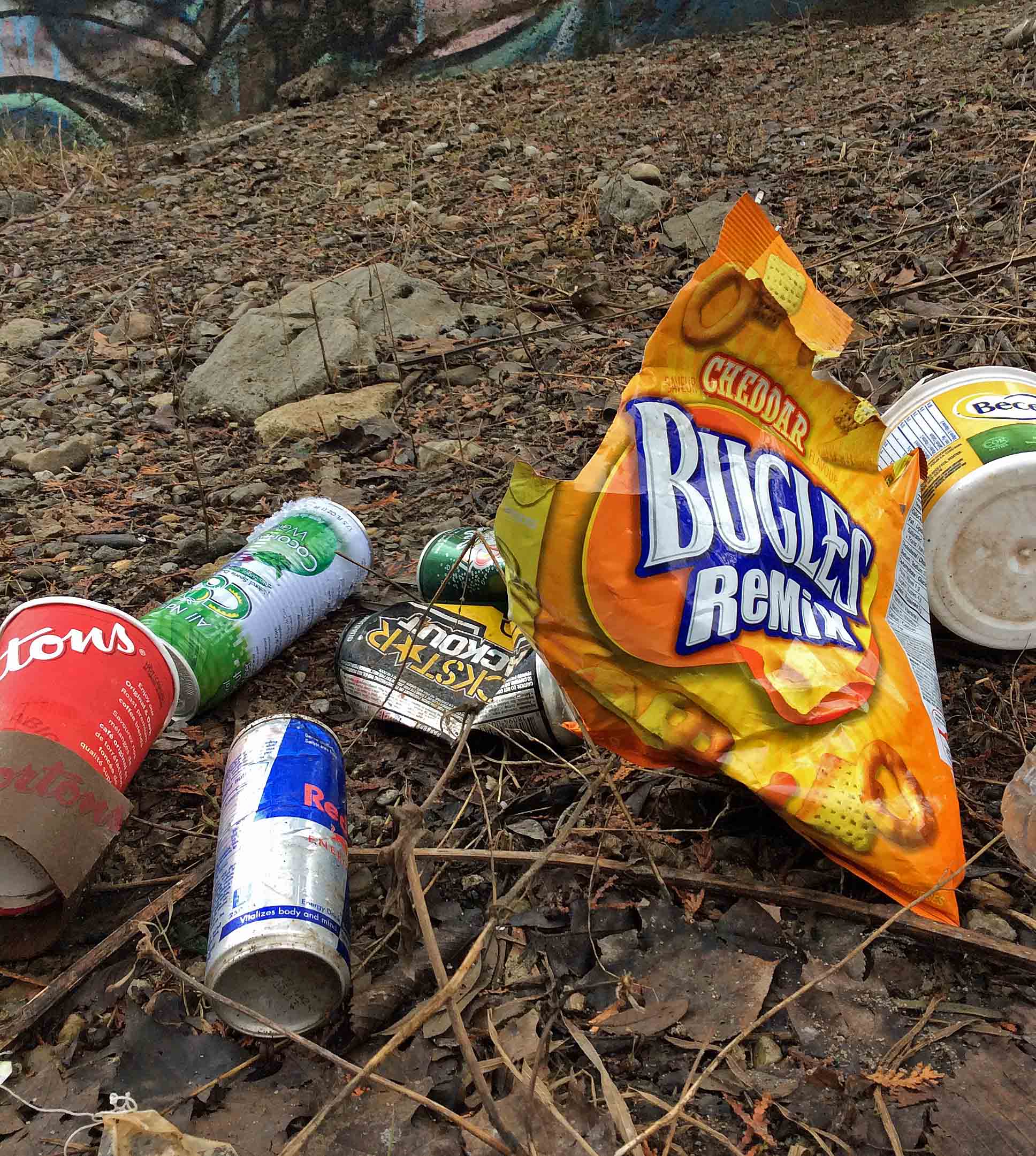
Seeking to enlighten, I printed off a pamphlet which I handed out to ‘trapped’ vehicle drivers waiting for the Bailey Bridge light to change to let them drive on. Many expressed gratefulness for what I was doing (picking up all the litter on the side of the road recklessly dropped there by impatient drivers and passengers); others were embarrassed or even defensive and refused to engage with me. Gotcha! I thought.

It’s been a few years now; I don’t live near the Rouge River anymore and no longer visit the park. Are the sides of that quaint one-lane bridge full of trash again? Or has some other grandmother or mother taken the mantle and continued what I started there? I hope so. Because that’s how I choose to remember that beautiful place, respected and cared for.


Nina Munteanu is a Canadian ecologist / limnologist and novelist. She is co-editor of Europa SF and currently teaches writing courses at George Brown College and the University of Toronto. Visit www.ninamunteanu.ca for the latest on her books. Nina’s bilingual “La natura dell’acqua / The Way of Water” was published by Mincione Edizioni in Rome. Her non-fiction book “Water Is…” by Pixl Press (Vancouver) was selected by Margaret Atwood in the New York Times ‘Year in Reading’ and was chosen as the 2017 Summer Read by Water Canada. Her novel “A Diary in the Age of Water” was released by Inanna Publications (Toronto) in June 2020.
 The Meaning of Water
Littering is a right brain/emotional/irrational thing. People who litter are fulfilling an unconscious need to mark territory. Lifting a leg to urinate on a tree carries far more legal repercussions . Humans can rationalize (left brain) not littering; the animal within, our homo sapien side,is just filling a need that rears it’s ugly head.
LikeLike
Hmmm… interesting thesis, Miguel … while I agree that there is an irrational aspect to littering–and this need to ‘mark territory’ may apply to immature insecure men compelled to establish dominance–this thesis fails to acknowledge the nuanced sociopolitical influences of biopolitics, capitalist indoctrination, and Nature ‘othering’ unconsciously conditioned in most humans by our religious, political, and cultural leaders. The result of which is to feel an entitled disrespect for Nature. A friend of mine recently related to me how a woman who had carelessly thrown a pile of trash into a forest by a road responded with indignation when a cop confronted her; she said: “Why are you fining me? It’s just ‘the bush’!”
LikeLike