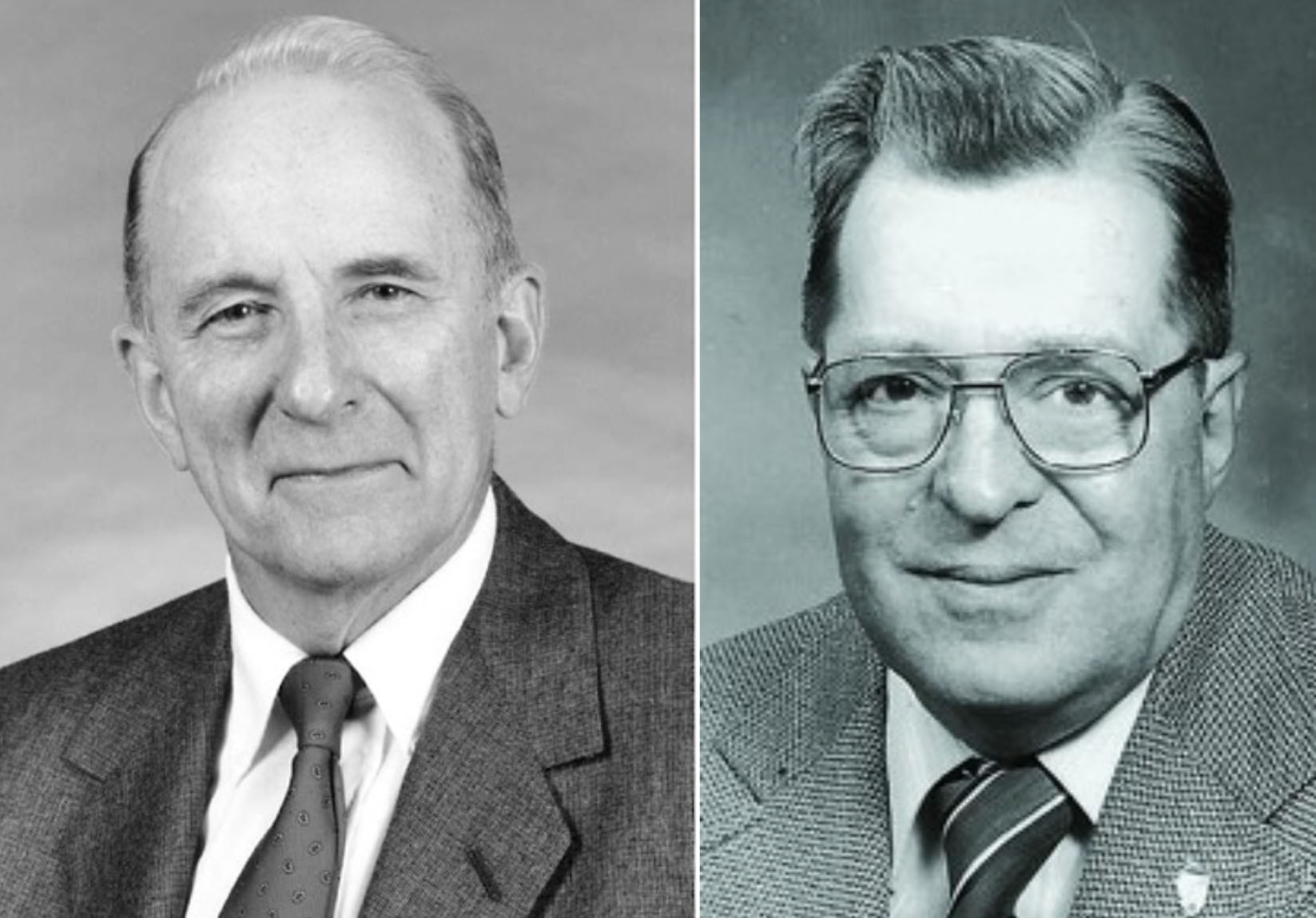
Who was on watch and ultimately responsible: DuPont CEO Edward G. Jefferson (1981 to 1986); DuPont CEO Richard E. Heckert (1986 to 1989)
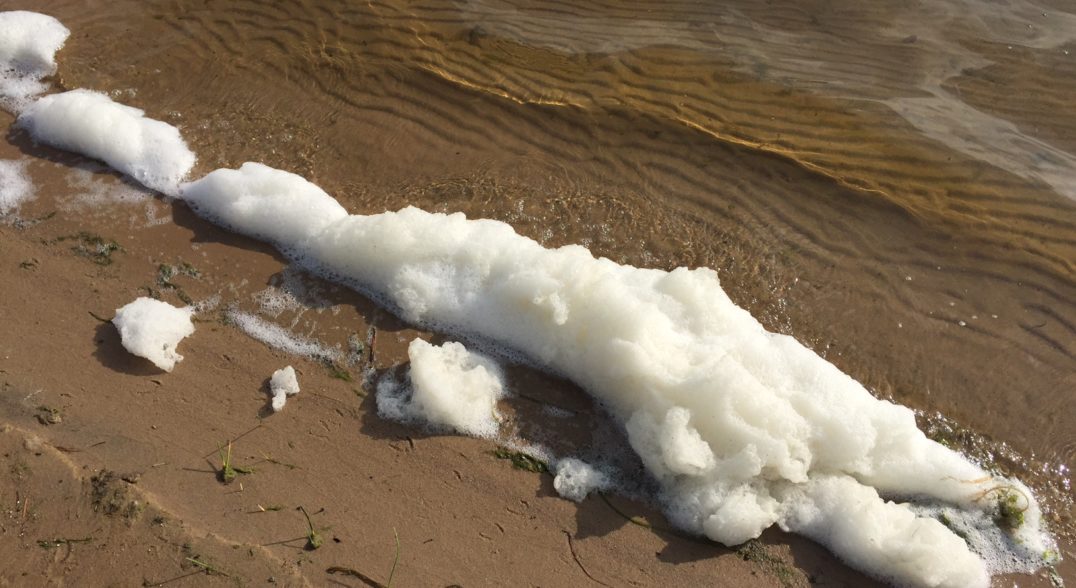
In the 1980s, DuPont dumped 7,100 tons of PFOA-laced sludge into unlined ‘‘digestion ponds’’: open, unlined pits on the Washington Works property, from which the chemical seeped straight into the ground. PFOA entered the local water table, which supplies drinking water to the communities of Parkersburg, Vienna, Little Hocking and Lubeck — more than 100,000 people.
In 1980, 3M notified DuPont that their studies on rats and monkeys found that sustained exposure to C8 can cause facial deformities. DuPont employee C. E. Steiner noted in a confidential communications meeting that there was no “conclusive evidence” that C8 harmed workers; yet Steiner also stated that “continued exposure is not tolerable.”
In 1981, a 3M study published in the journal Analytical Biochemisry found that lab rats fed fluorinated telomers metabolized them into toxic C8; microorganisms in wastewater sludge also broke down fluorinated telomers into toxic C8. A 3M study linked C8 with eye defects in rats.
May, 1981, after 3M’s rat study came out, DuPont transferred all women out of work assignments with potential for exposure to C8. DuPont doctors then began tracking a small group of women who had been exposed to C8 and had recently been pregnant. If even one in five women gave birth to children who had craniofacial deformities, DuPont epidemiologist Fayerweather warned, the results should be considered significant enough to suggest that C8 exposure caused the problems. DuPont detected C8 in the blood of five employees who had given birth in recent years. Two of their babies had eye-related birth defects. Fayerweather confirmed that the observed fetal eye defects were due to C8 and the results demonstrated that C8 moves across the human placenta.
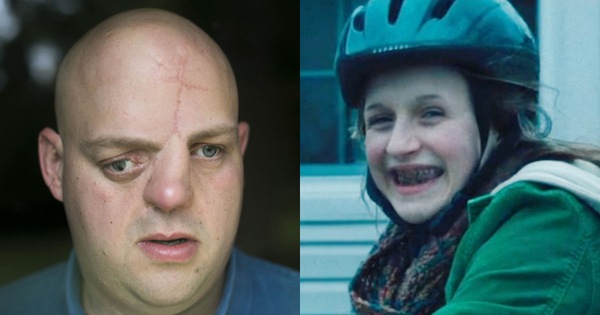
DuPont did not inform EPA. Less than a year later DuPont created false data for EPA then moved women of childbearing age back into areas with C8 exposure. Many in the company coined the term “Teflon flu” to describe the ill-effects of working in proximity to the compound.
In 1982, DuPont’s director of employee relations recommends that all “available practical steps be taken to reduce this (C8) exposure because,” among other things, “all employees, not just Teflon area workers are exposed” and “there is obviously great potential for the current or future exposure of members of the local community from emissions leaving the plant perimeter.”
In 1983, 3M shared the results of another study on pregnant rats, whose unborn pups were more likely to have eye defects after they were exposed to C8. In keeping with the requirement of the federal toxic substances control act, 3M submitted its rat study to the EPA; in later discussion with EPA, DuPont scientists alleged that they believed the study was flawed. DuPont scientists neglected to inform the EPA about what they had found in tracking their own workers.
In 1984, DuPont began to secretively collect local tap water. In March of that year, DuPont staffers went into general stores, markets, and gas stations in local communities as far as 79 miles downriver from the Parkersburg plant, asking to fill plastic jugs with water for testing. These samples confirmed that C8 was making its way into public drinking water supplies in both Ohio and West Virginia at potentially dangerous levels.
That same year DuPont opened its Dry Run Landfill. The 17-acre landfill, four miles southwest of the community of Lubeck, received large amounts of C8-contaminated waste that was confirmed by DuPont to leach into Dry Run Creek (near Earl Tennant’s farm) way above the company’s internal limits.
In May of 1984, DuPont executives at its corporate headquarters in Delaware reviewed ways to reduce or stop using C8 and concluded: “None of the options developed are … economically attractive and would essentially put the long term viability of this business segment on the line.” The executives let corporate image and corporate liability rule over health concerns (or fears about suits) in their decisions to continue as usual.
In the years following that meeting, instead of slashing its use of C8, DuPont escalated production, while keeping much of what it knew about the chemical’s dangers secret. The company’s Washington Works factory continued with its usual practice of dumping C8-laden sludge in unlined landfills, allowing it to enter the Ohio River, and pumping out C8-laced vapors (deemed the most toxic form of C8) from its smokestacks.
In 1987, DuPont’s chief toxicologist set the acceptable level of C8 in the blood of its workers at 500 ppb. Even those with half that amount were “to be removed from the exposure.” Yet, no official limit for C8 in blood was created; Chief Scientist Robert Rickard claimed, “there was no need to set an action level because there are no known health effects.”
By 1989, DuPont scientists found an elevated number of leukaemia deaths at the West Virginia plant, followed by an inordinately high number of kidney cancers among male workers. Several months later, they measured an unexpectedly high number of kidney cancers among male workers. Both elevations were plant-wide and not specific to workers who handled C8. Bruce Karrh, DuPont’s corporate medical director, decided against follow up studies on liver enzymes; notes on the meeting include a handwritten suggestion: “Do the study after we are sued.”
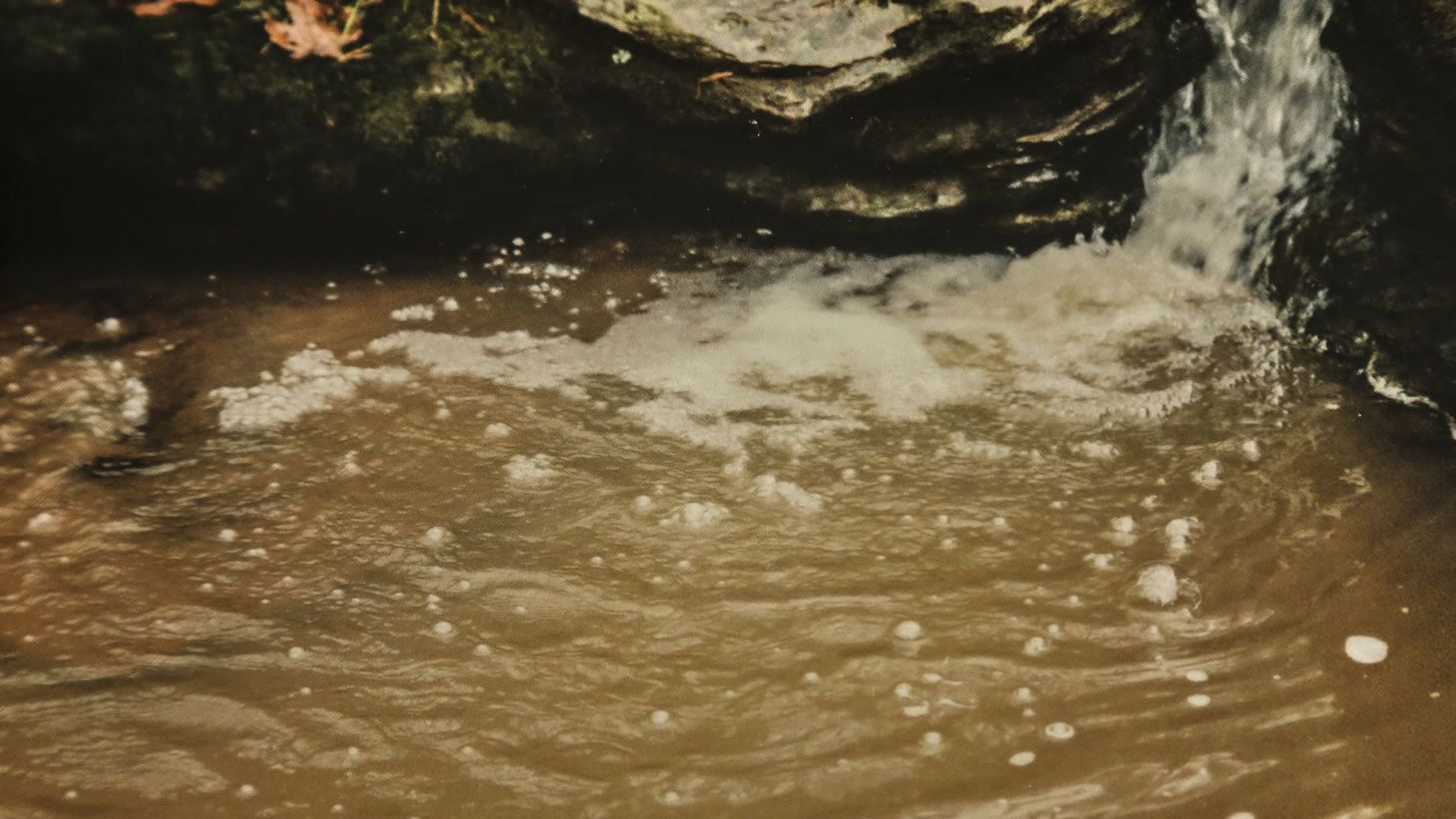
Over the years that follow, DuPont continues to pump hundreds of thousands of pounds of PFOA sludge and powder through the outfall pipes of the Parkersburg facility into the Ohio River and C8-laced vapors out its smokestacks. DuPont purchases adjoining farmland to create landfill to dispose hazardous PFOA. Soon the creek (Dry Run) from the landfill turns black, foams up and smells foul. DuPont secretly conducts tests for PFOA in the nearby river which they find to be contaminated. They find levels of PFOA in the creek more than 80 times DuPont’s own internal safety limit but don’t report to the EPA. Their internal reports express concern for the health of nearby farmer’s livestock nearly a decade before they will deny culpability and blame Farmer Tennant in court (after he loses 280 cows that drank the creek water).

These are the faces of the DuPont men and women who sanctioned–encouraged–the willful harm of other life to make a profit. Despite knowing the danger posed by exposure to PFOAs of people, these DuPont CEOs chose to: 1) continue to poison the environment and people, 2) cover up their actions from authorities, and 3) fight the courts and regulators from doing the right thing when they were caught. No one went to jail. No one was fired. They just paid $$$ and shamefully kept going. This is NOT good business. This is NOT being a good person. This is gross disrespect for all life and ultimately heinous criminal behaviour deserving more meaningful prosecution than a simple fine.
References:
Fluoride Action Network Pesticide Project. “Timeline for PFOA and PFOS perfluorinated chemicals compiled by FAN’s Pesticide Project” Draft document.
Blake, Marion, Huff Post “Welcome to Beautiful Parkersburg, West Virginia”
Gaber, Nadia, Lisa Bero, and Tracey J. Woodruff. 2023. “The Devil they Knew: Chemical Documents Analysis of Industry Influence on PFAS Science.” Ann Glob Health 89(1): 37.
Halmeriks, Koen and Irina Surdu. 2020. “Dark Waters: what DuPont scandal can teach companies about doing the right thing.” The Conversation.
Kelly, Sharon. 2016. “DuPont’s deadly deceit: The decades-long cover-up behind he “world’s most slippery material.” Salon.
Lerner, Sharon. 2015. “The Teflon Toxin: DuPont and the Chemistry of Deception.” The Intercept.

Nina Munteanu is a Canadian ecologist / limnologist and novelist. She is co-editor of Europa SF and currently teaches writing courses at George Brown College and the University of Toronto. Visit www.ninamunteanu.ca for the latest on her books. Nina’s bilingual “La natura dell’acqua / The Way of Water” was published by Mincione Edizioni in Rome. Her non-fiction book “Water Is…” by Pixl Press (Vancouver) was selected by Margaret Atwood in the New York Times ‘Year in Reading’ and was chosen as the 2017 Summer Read by Water Canada. Her novel “A Diary in the Age of Water” was released by Inanna Publications (Toronto) in June 2020.


One thought on “DuPont’s Decades-Long Legacy of Crime: 1980s”