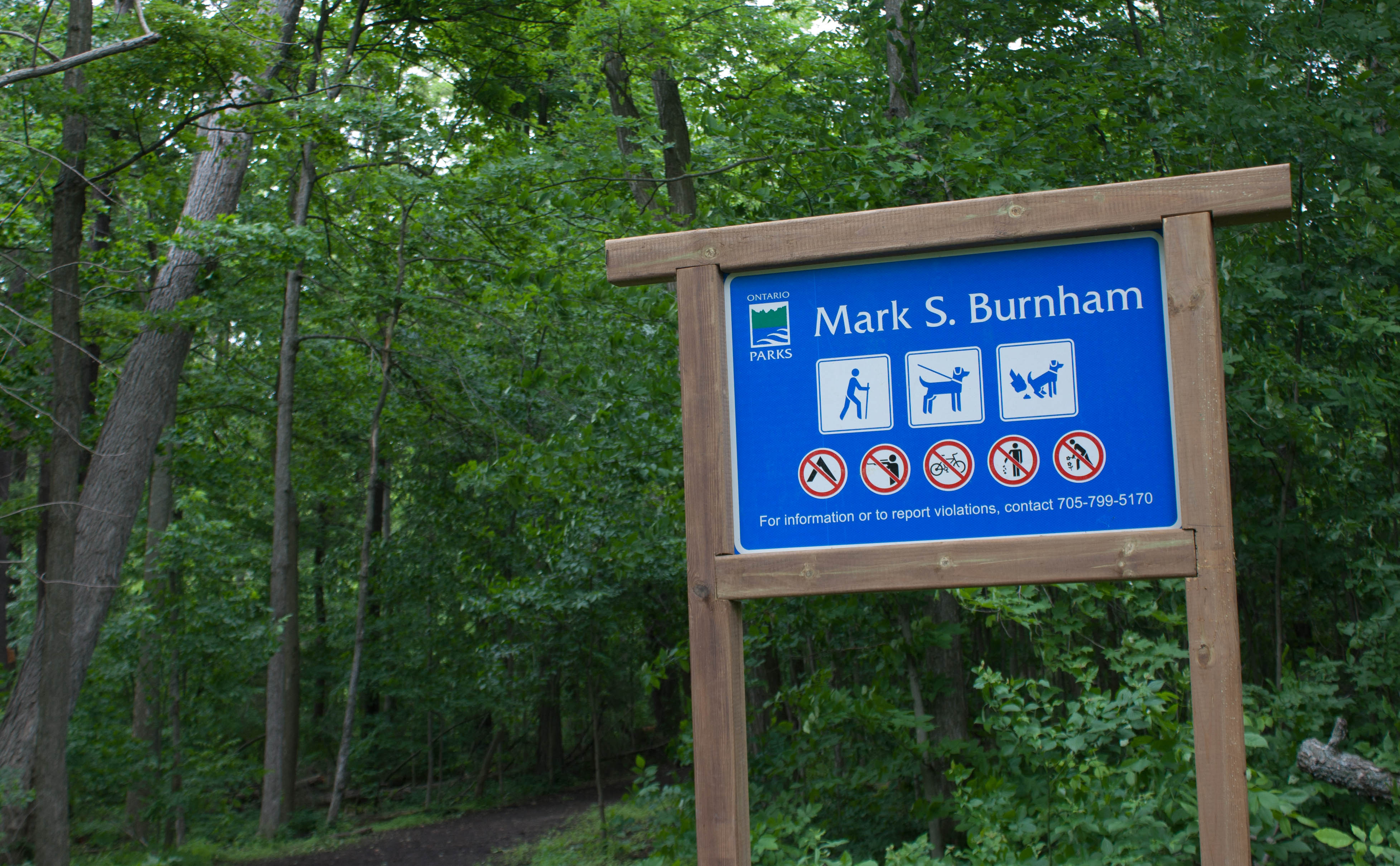
Despite the risk of a summer thunder storm, I went on my planned hike to the Mark S. Burnham forest. I’d already packed my sushi-lunch, a clementine, my camera and tripod. So, I threw on my flimsy raincoat and went, not caring if I got wet. It was June, the forests were flush green, and everything was astir…
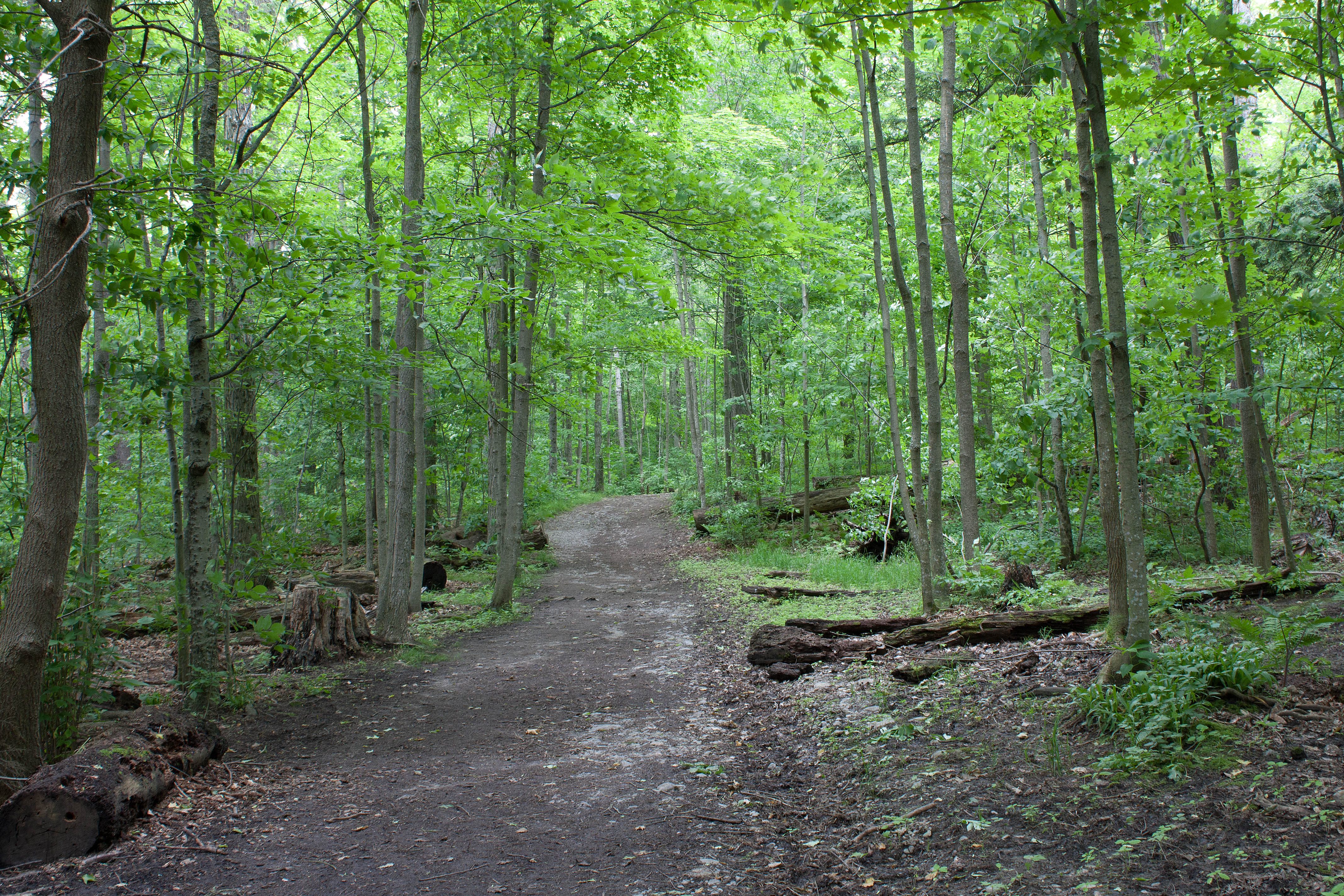
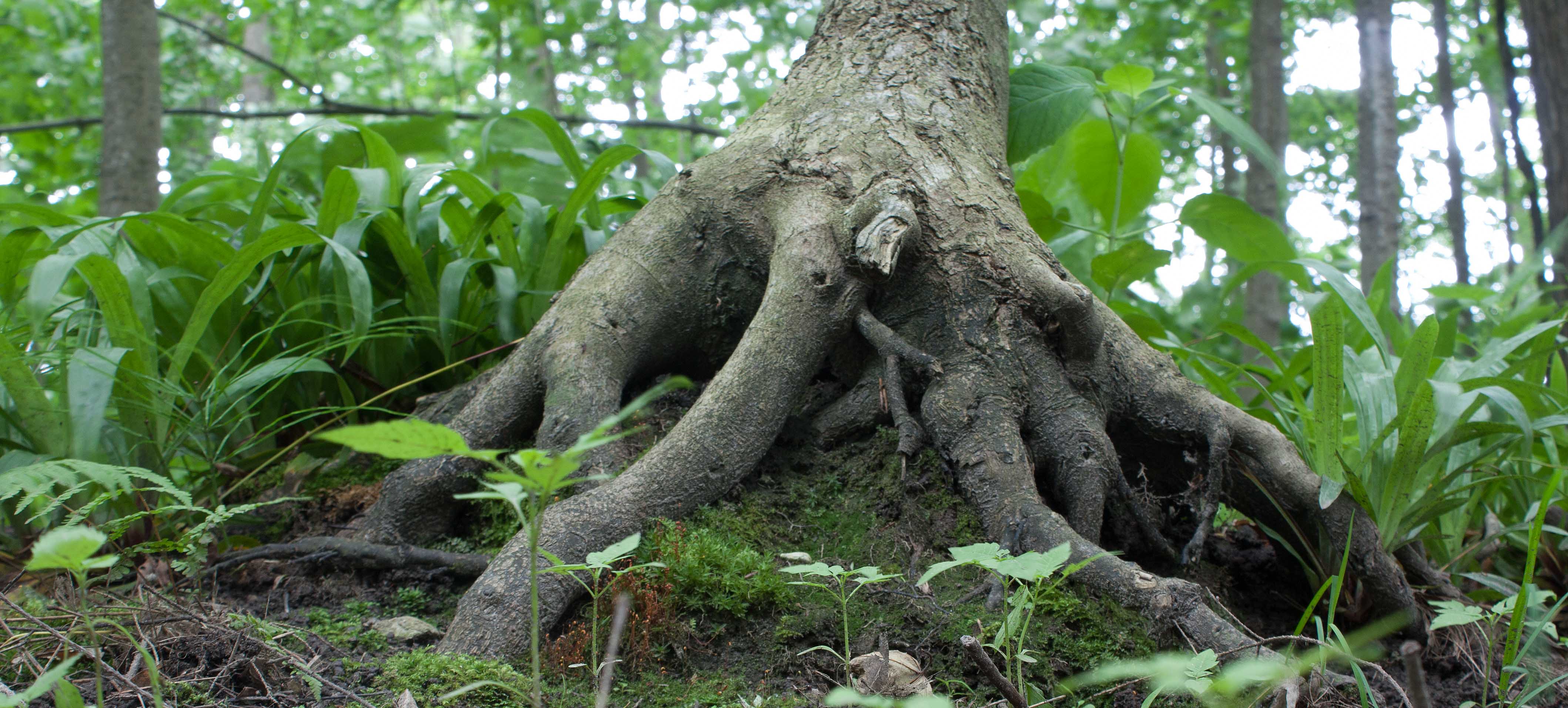
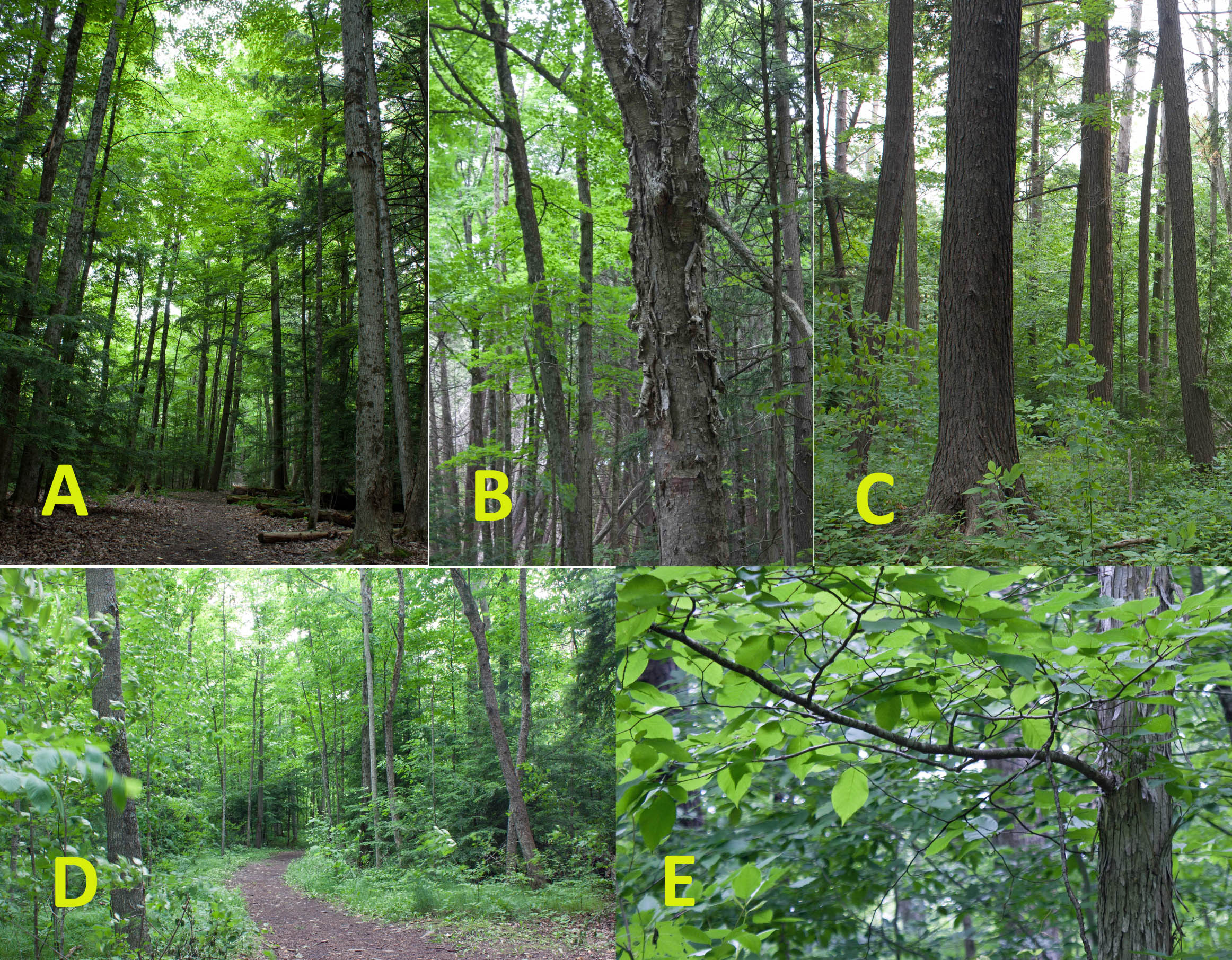
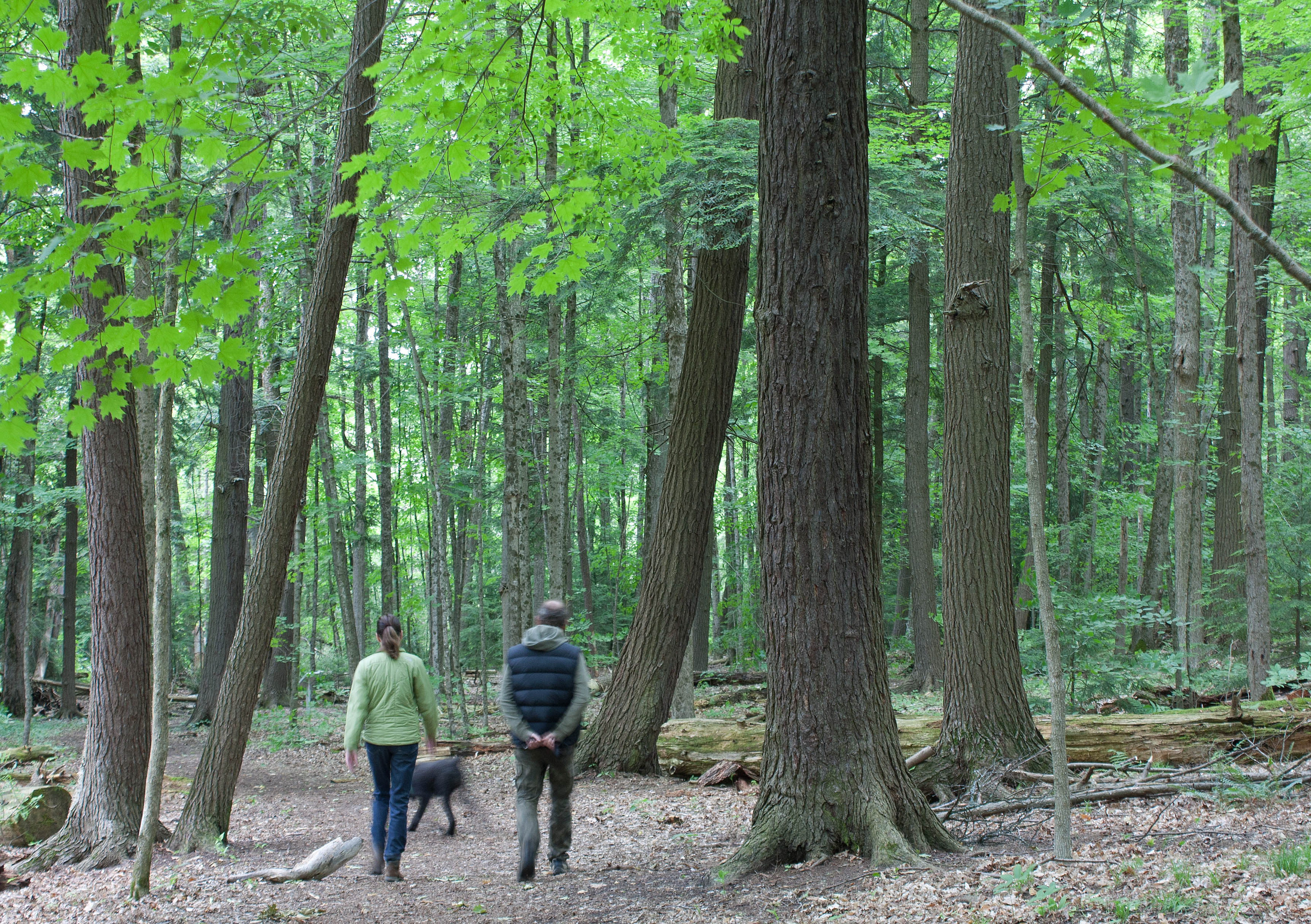
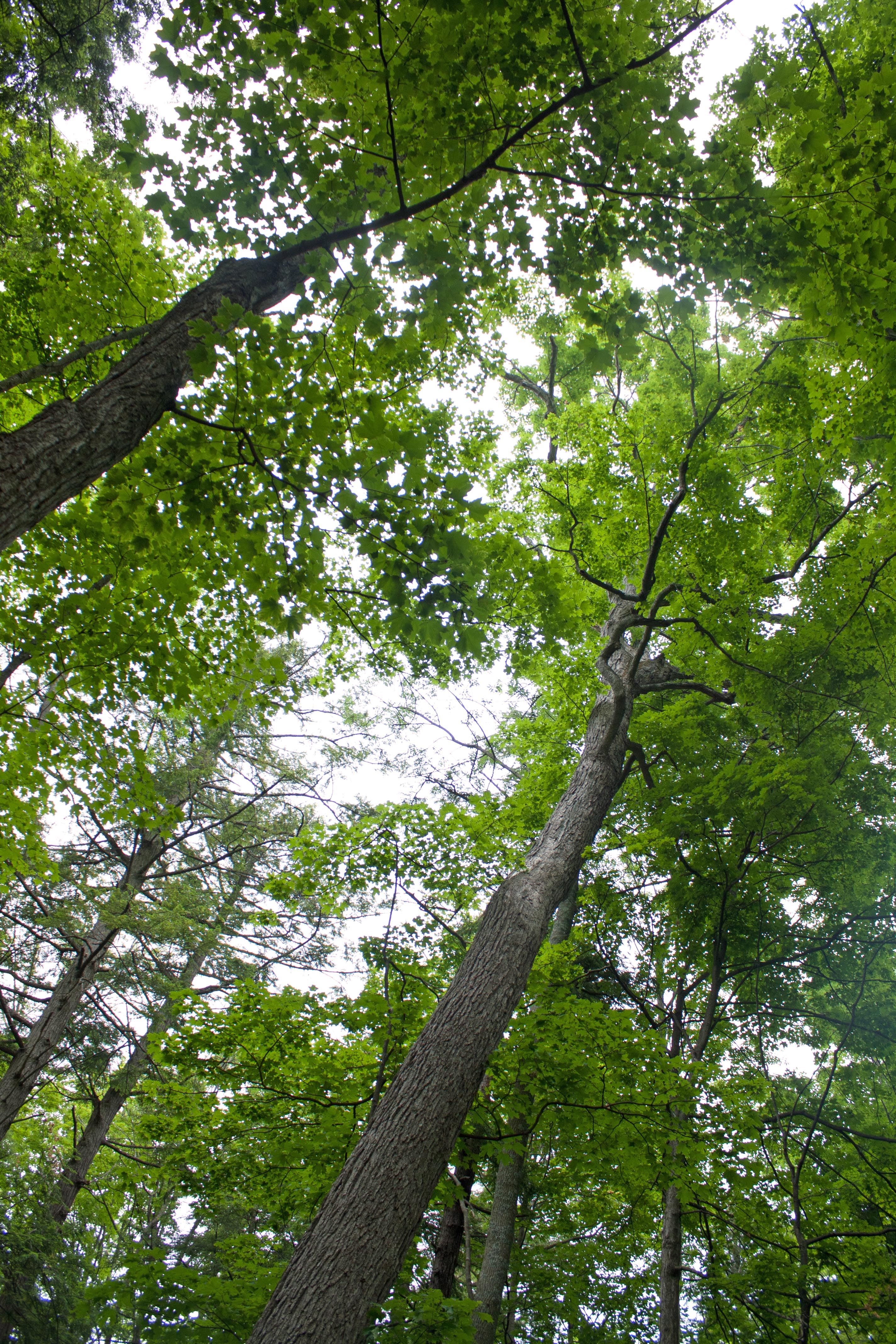
The Mark S. Burnham Provincial Park is one of few remaining and well-preserved mixed old-growth forests in Ontario. The 39-hectare park lies just east of the town of Peterborough off Highway #7 and features 2.5 km of trails on two interconnected loops that meander along and over a drumlin through ancient maple, beech, hemlock and cedar forest. Some of these majestic trees are among the oldest in Ontario, many of which are over 200 years old. For instance, the world’s oldest sugar maple (over 330 years) lives here.
.
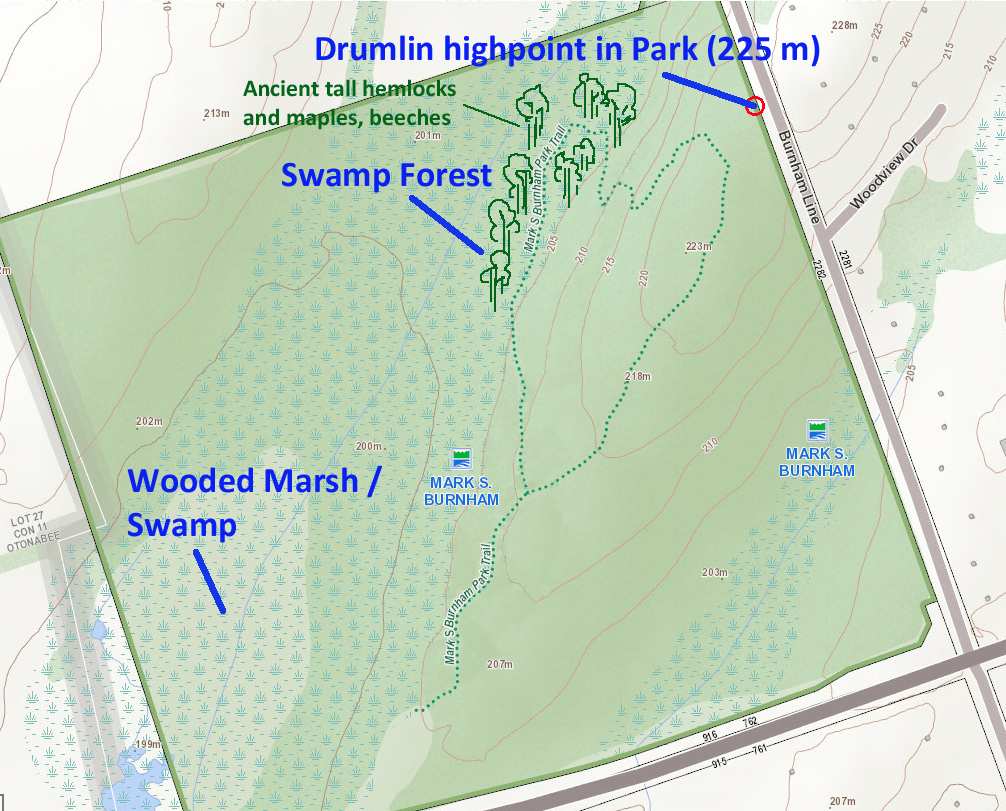
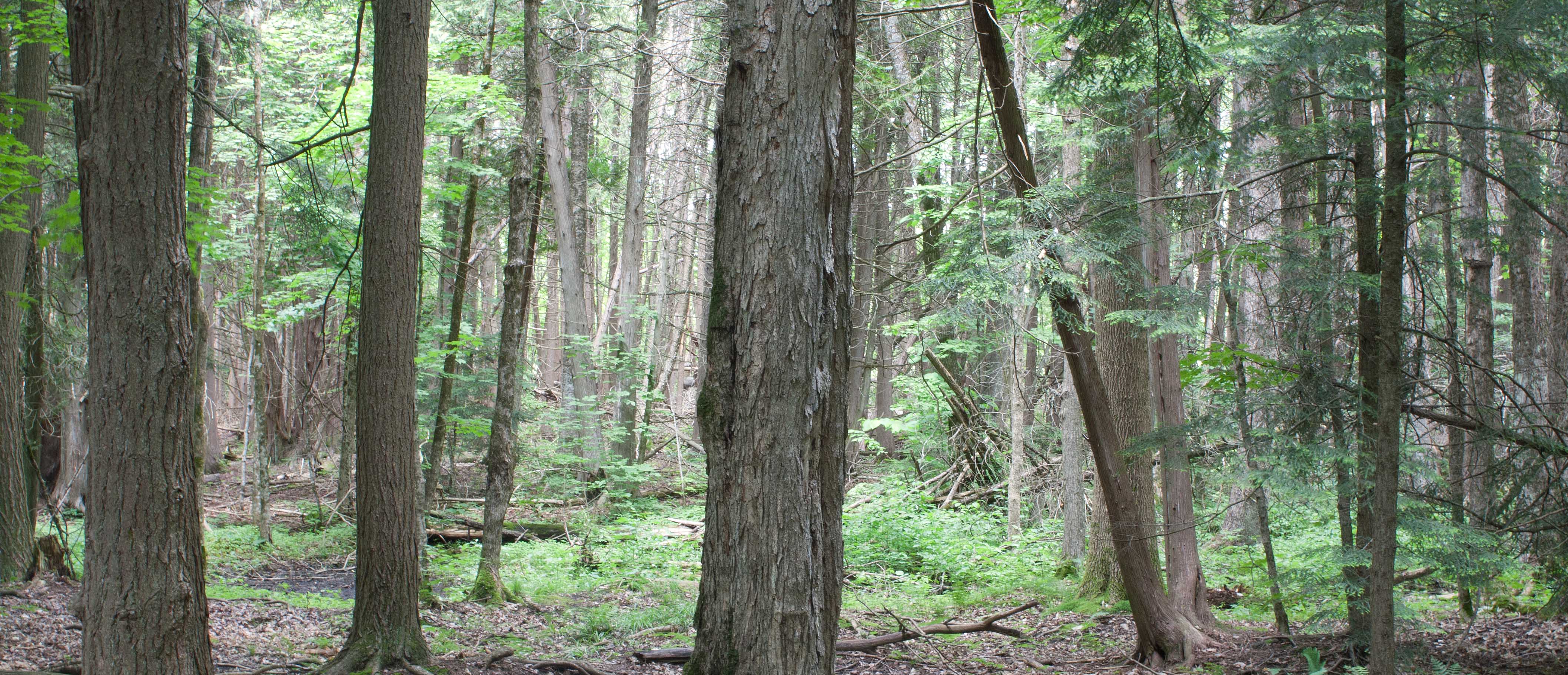
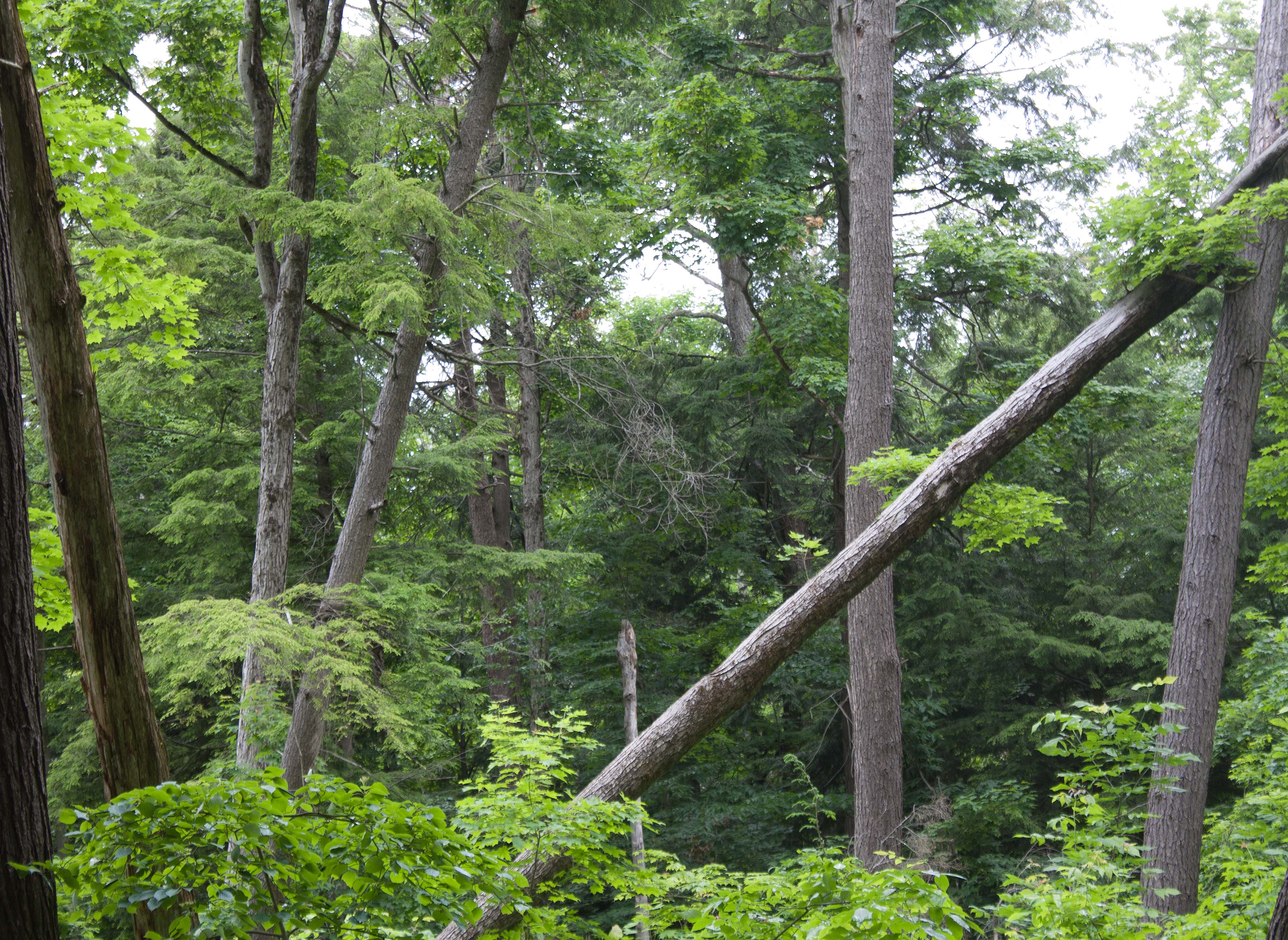
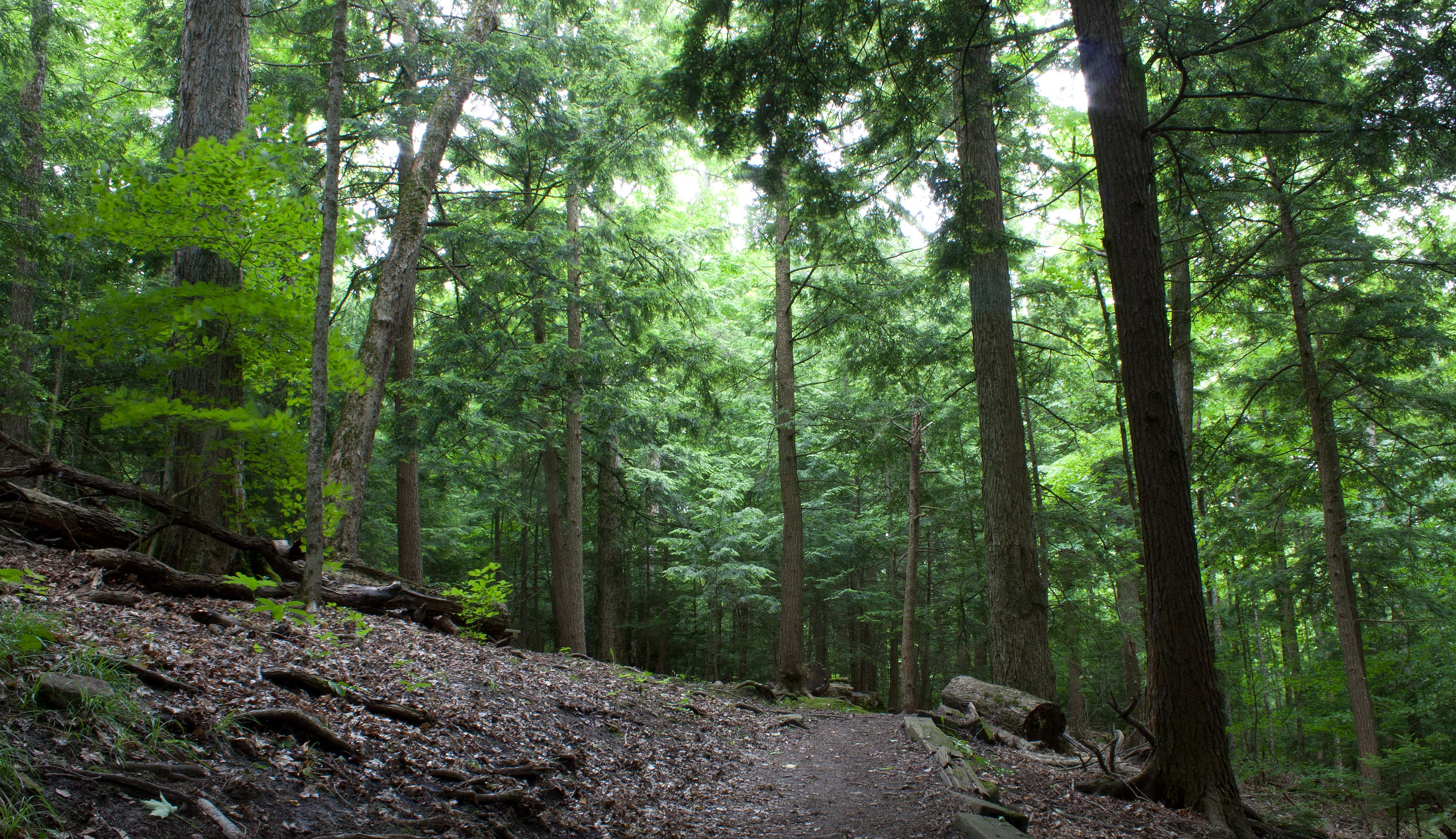
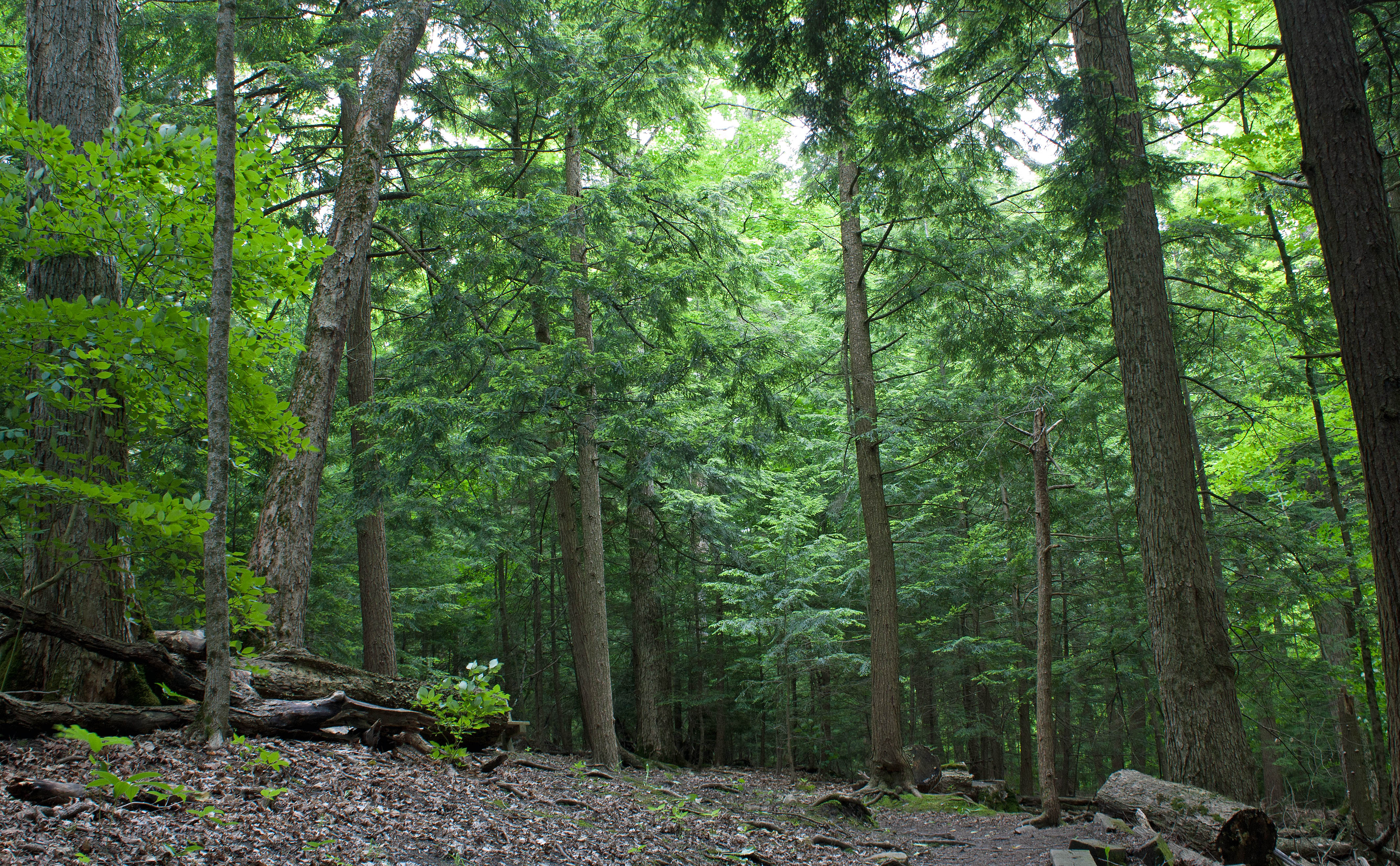
I did my usual loop by first heading north through lowland forest, on the western side of the park and drumlin; this took me through a dense forest of tall old hemlock, maple, beech and yellow birch. To the west of the trail, the forest becomes a cedar swamp forest and a marsh-proper beyond it. The trail eventually veers east, climbing up and over a drumlin that marks the border of two distinct ecosystems. Leaving behind the western forest of dark hemlock, the trail then enters a bright mixed deciduous forest of maple-hophornbeam-ash and beech on the eastern side of the park.
.
.
Hemlock Forest West of Drumlin
This tall dark hemlock forest is one of my favourite places to be. As I walk the soft path beneath a closed canopy of towering trees over twenty meters above me, I dream of a time long ago. As if reading my thoughts, the sudden primeval laughing shriek of the Pileated woodpecker cuts in and I imagine timeless ancient scenes, when these two hundred-year-old trees were still young and the drowned cedar jungle west of me harboured roaming amphibians and reptiles.
.
My senses opened wide to take in the forest’s gifts. Beech and maples rustled amid the low hush of hemlock in the warm breeze. That same breeze carried with it the musky smell of swamp water and the sweet rot of vegetation. In the distance, a ruffed grouse thumped. Then a hermit thrush offered its tender ode to the forest, a pure song that opens from a singular note into successive waves of pure light. I stopped in my tracks to listen and breathe in that heavenly sound. The hermit thrush’s song is possibly the most lovely sound I have ever heard.
.
The hermit thrush is a reclusive indistinct brown bird; yet its song—an echoing flute-trill—celebrates the forest like no other sound. It is a prayer to beauty, stirring one’s heart into celebration. The hermit thrush song is Nature’s hymn to the beauty of all life. They are the forest’s poets.
The hermit thrush uses the eastern hemlock for nesting and feeding, building their nests on the ground beneath young hemlocks and thrives in the abundance of insects and invertebrates in hemlock stands. Like the hermit thrush, other birds in this forest, such as warblers and woodpeckers, need large areas of undisturbed mature forest to breed and raise their young. The presence of some of these choosy species is a good sign of a healthy and richly biodiverse forest. The oven bird builds its nest on the forest floor. I have yet to see this bird but have often heard its loud and repetitive call that sounds like “tee-cher, tee-cher, tee-cher!”
On an earlier walk, a huge grey treefrog waddled across my path. It was all mottled and rough with warts. He looked rather grumpy and took his time, somehow confident—or not caring—that I could step on him and squish him easily. He was rather jiggly as he lumbered on. I did not take his picture; I don’t think he wanted me to, so I didn’t.
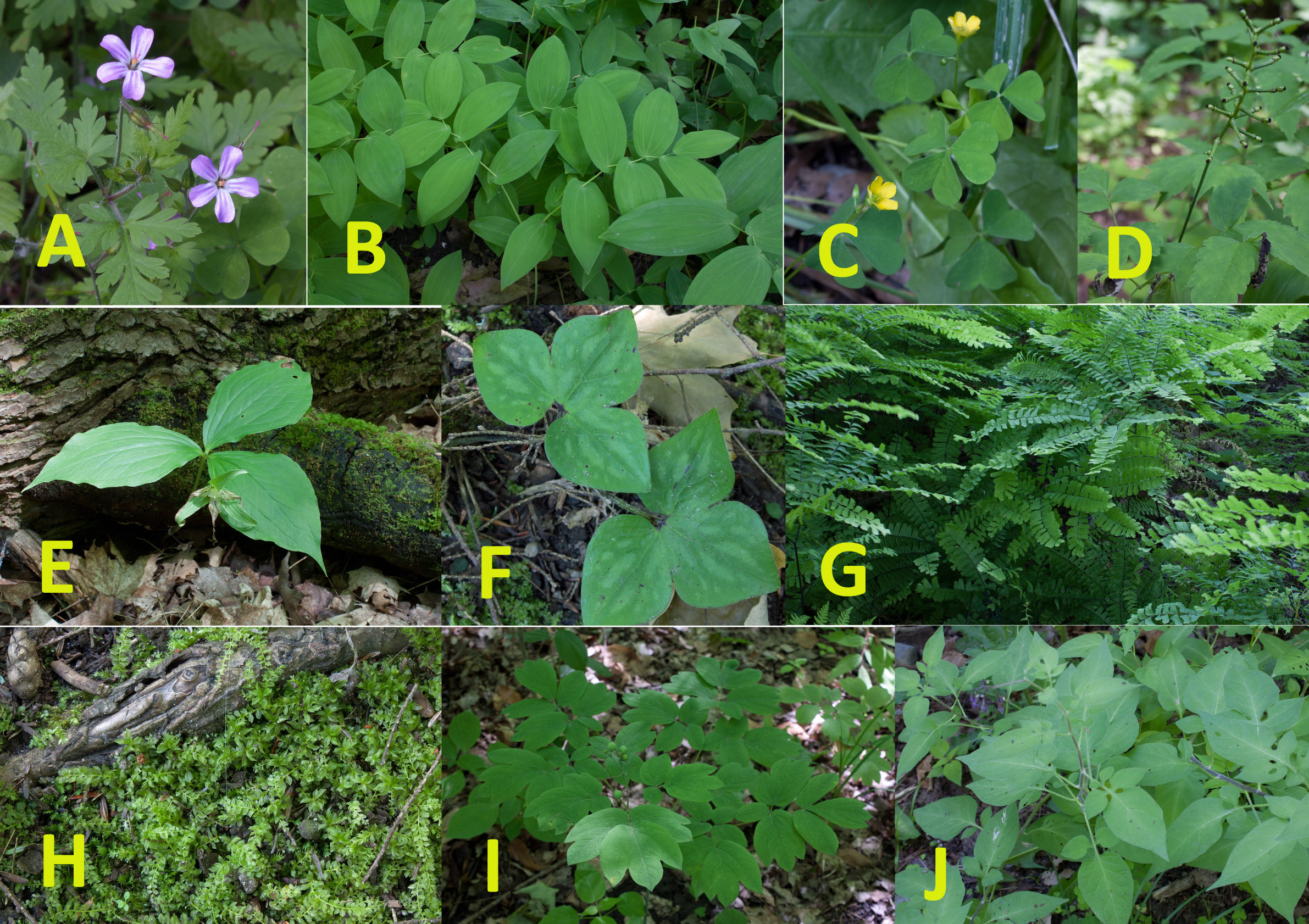
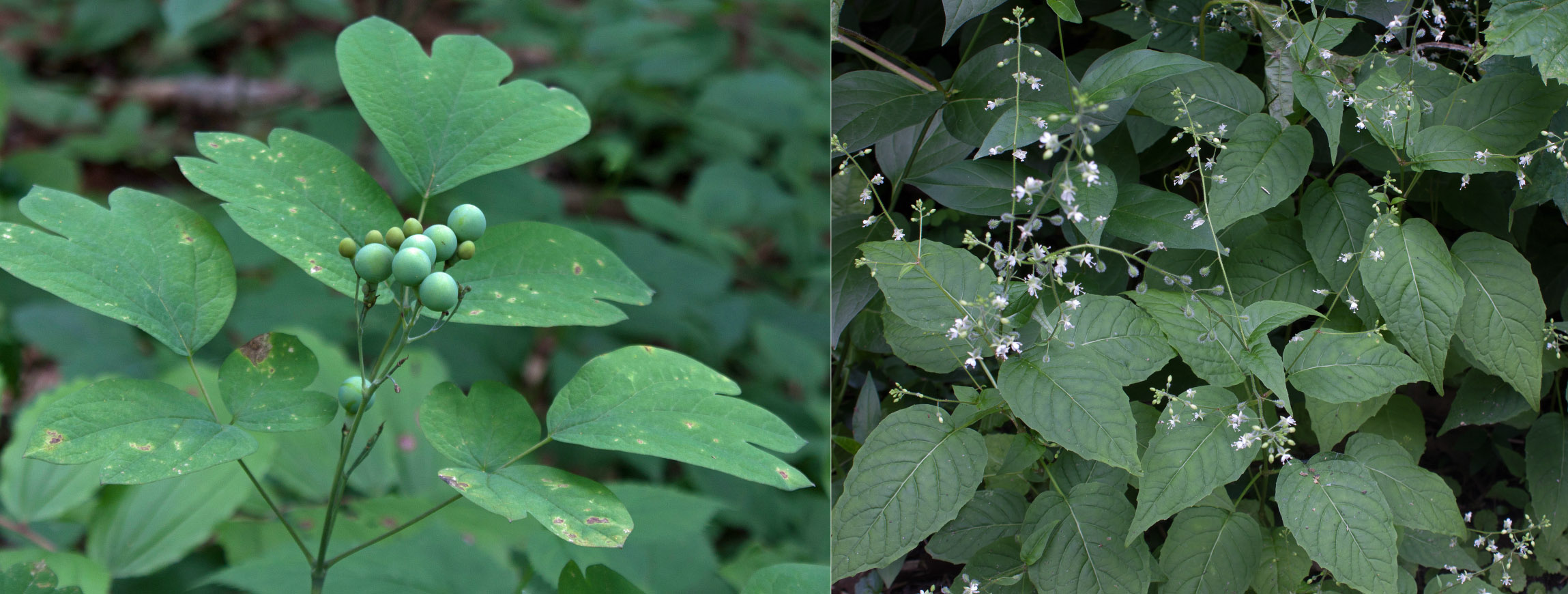
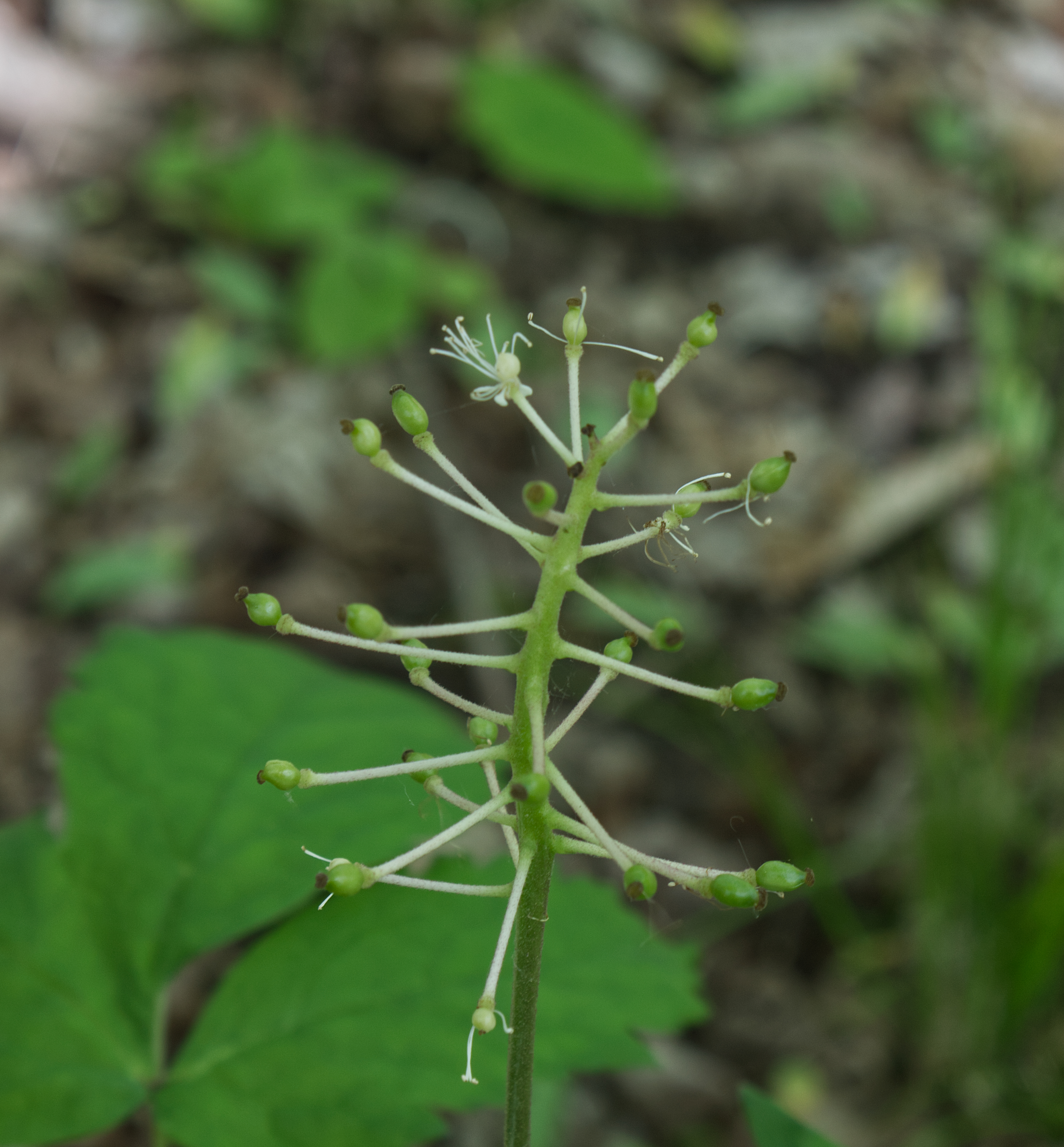
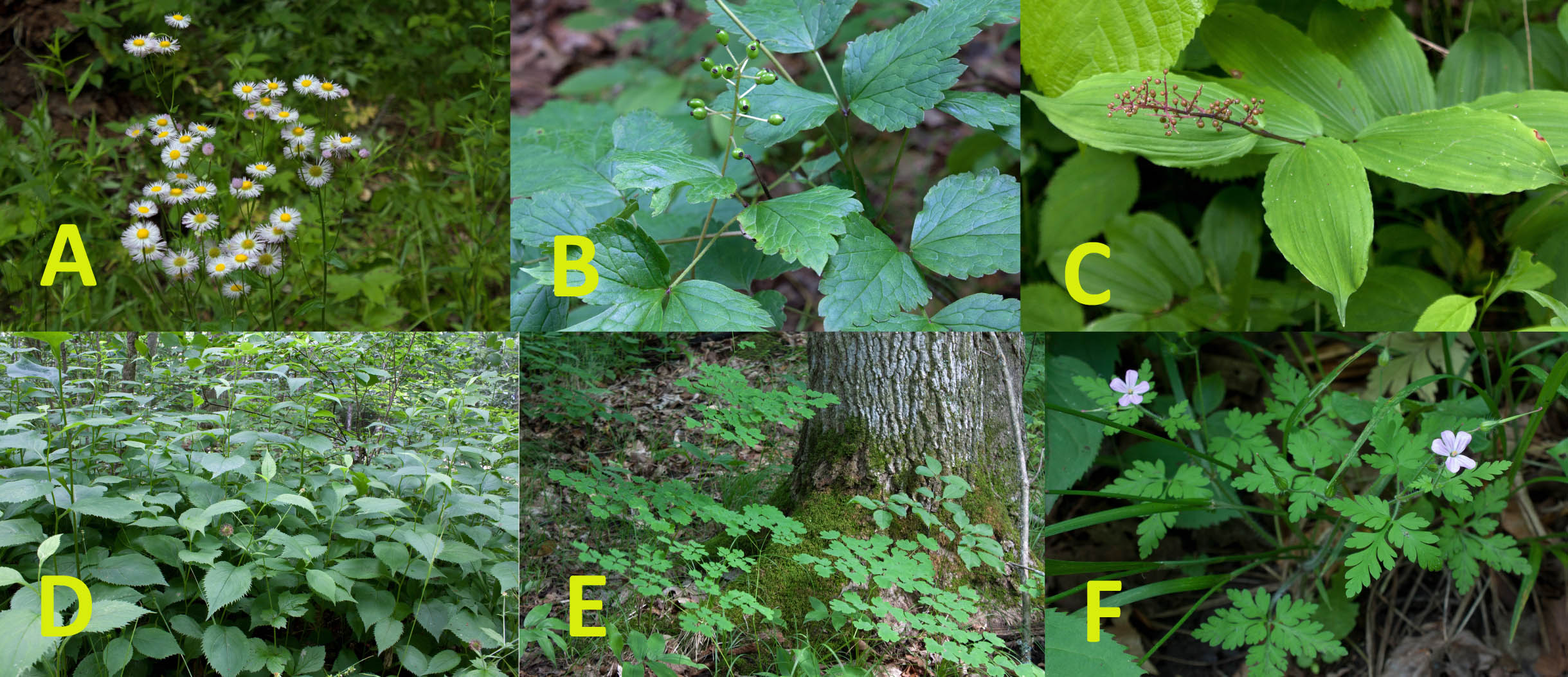
Instead, I took pictures of the understory vegetation and forbs. I saw lots of blue cohosh (Caulphyllum giganteum), its eventual blue berries still green, and enchanter’s nightshade (Circea canadensis), not in the nightshade (Solanaceae) family but in the evening primrose family.
.
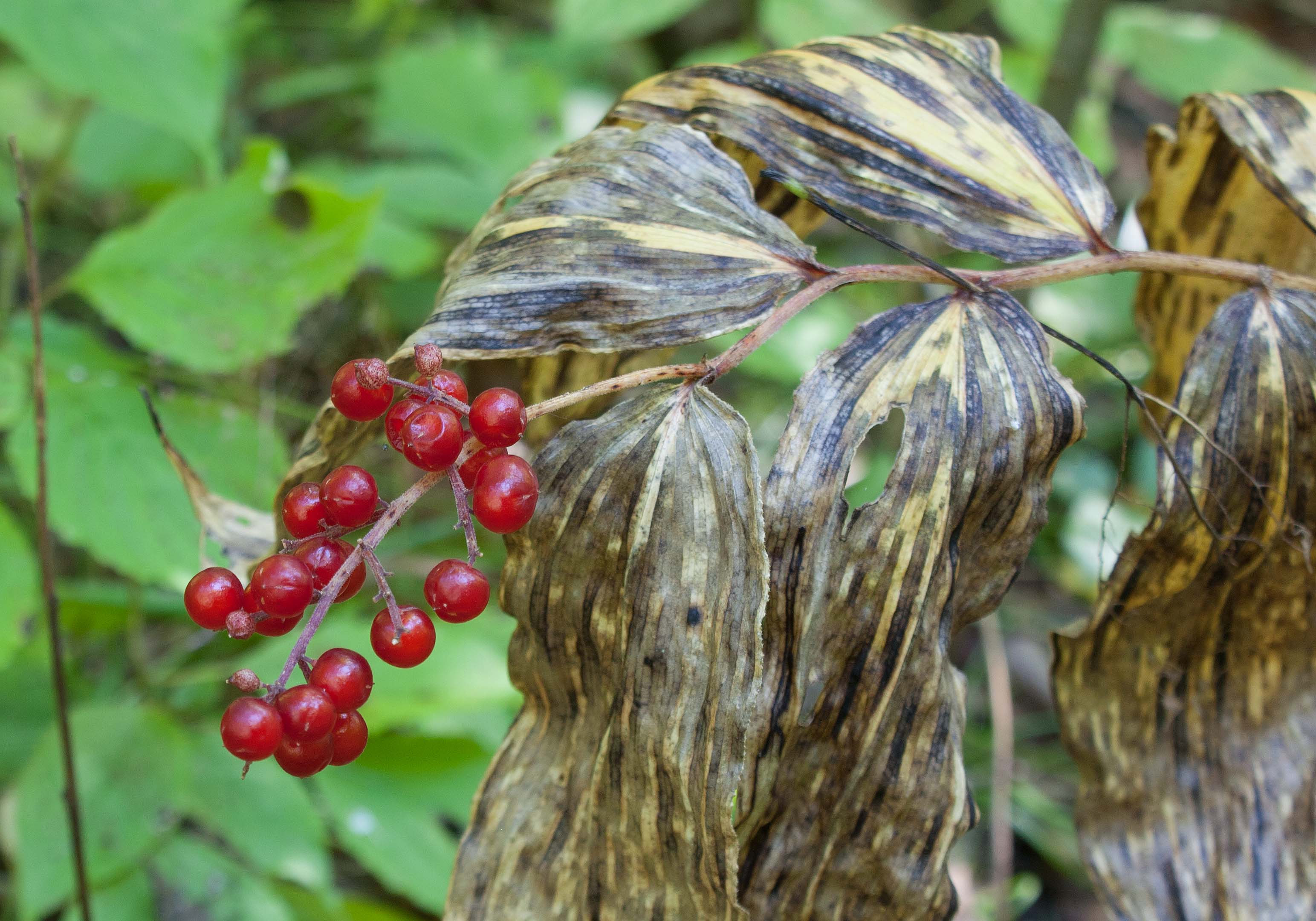
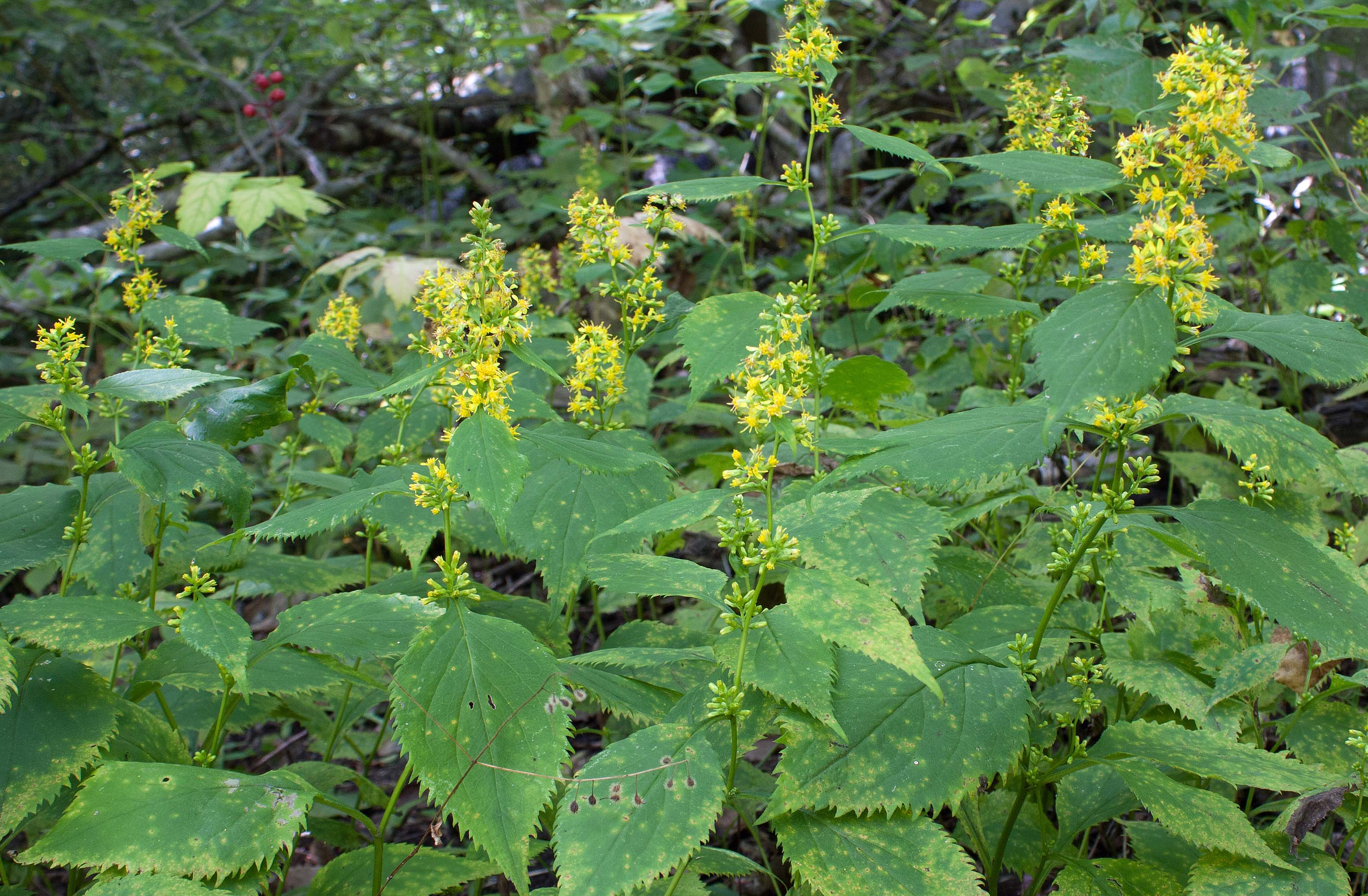
There was also the somewhat poisonous bittersweet nightshade (Solanum dulcamara), bloodroot (Sanguinaria canadensis), sharp lobed hepatica (Hepatica acutiloba) amid the mosses, red trillium (Trillium erectum), false solomon’s seal called solomon’s plume (Maianthemum racemosum), twisted stalk (Streptopus amplexifolius), zigzag goldenrod (Solidago flexicaulis), herb Robert (Geranium robertianum), and wood sorrel (Oxalis stricta). I saw both red baneberry (Actea rubra) and white baneberry (Actea pachypoda) throughout the forested park. Both are also quite poisonous (particularly their stunning berries). In early summer their berries were not yet ripened; but within a few weeks the red baneberries soon ripened into their juicy crimson colour. The white baneberries are soon to follow.
.
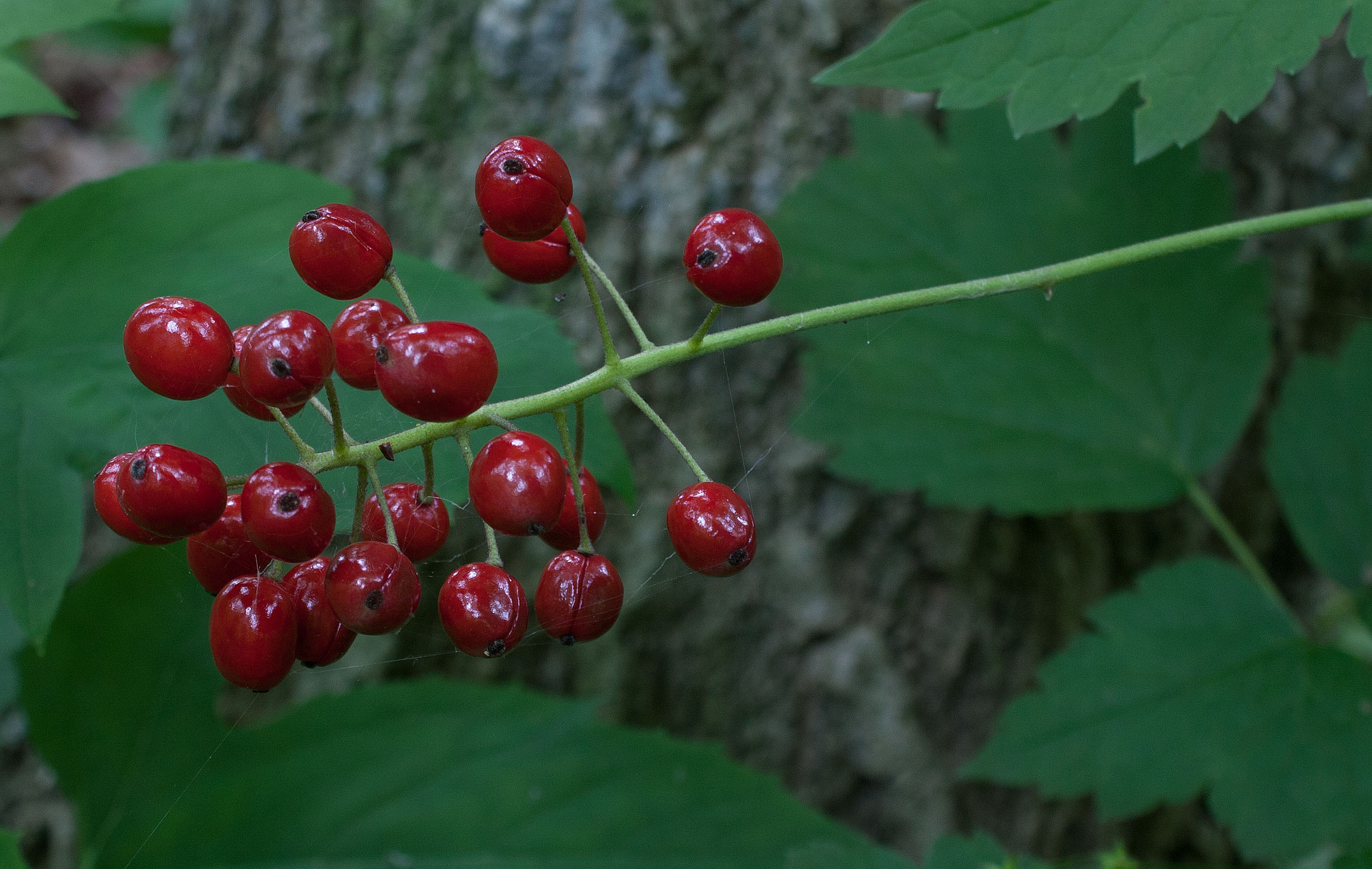
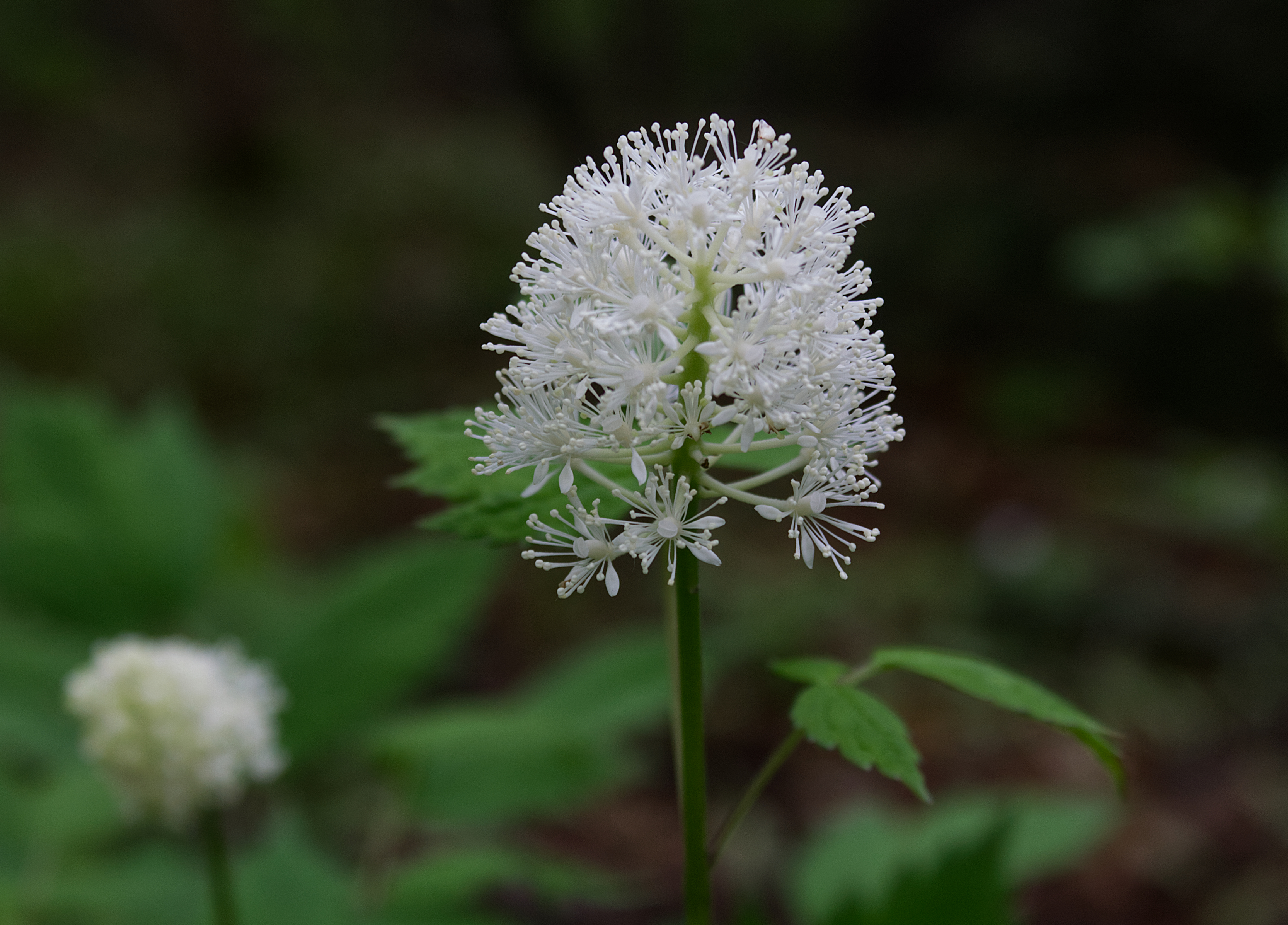
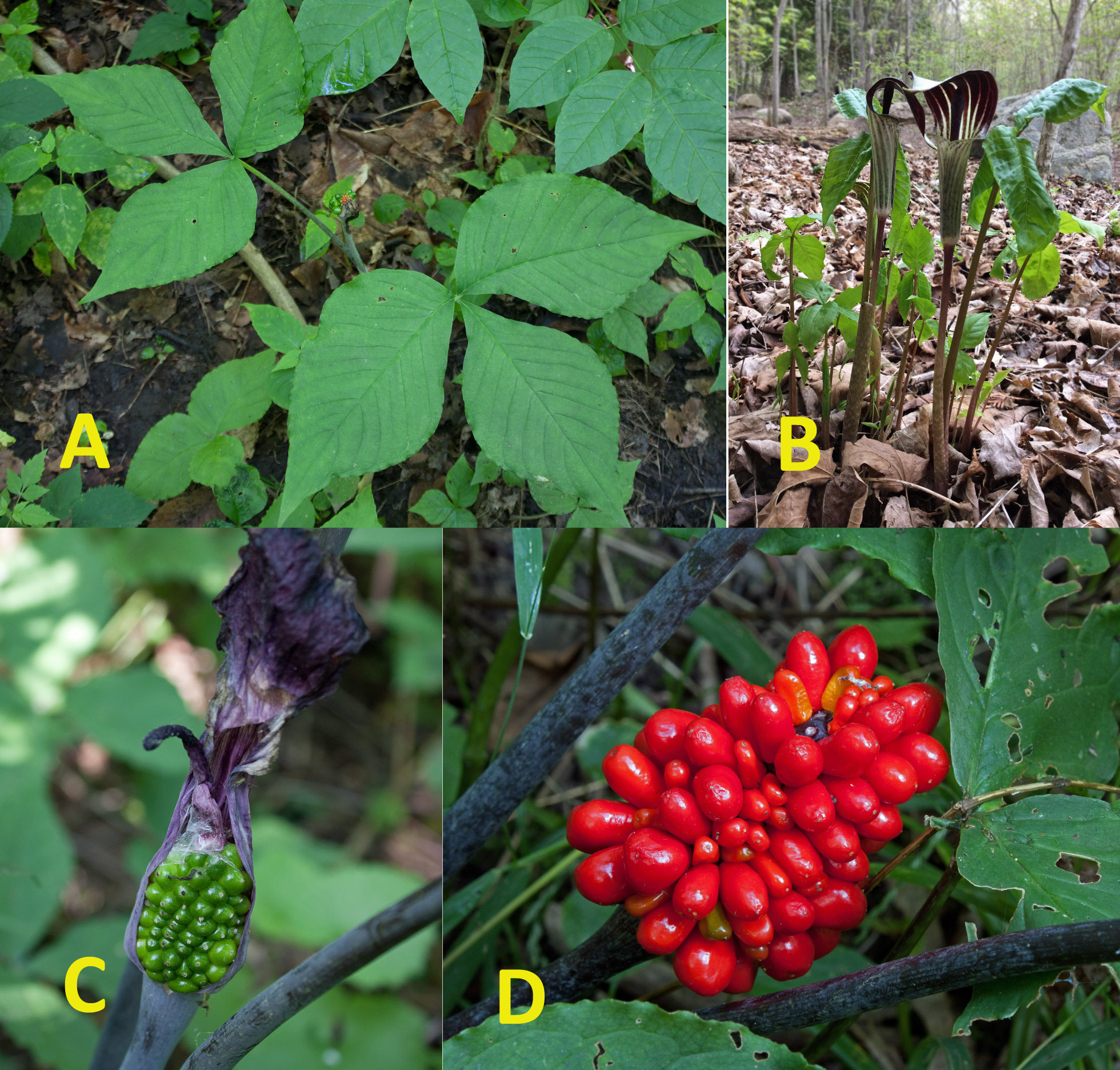
Jack in the pulpit (Arisaema triphyllum), with its three distinct leaves, was also common throughout the forest. It had just finished blooming and I saw clustered green berries that would turn bright red later in the fall.
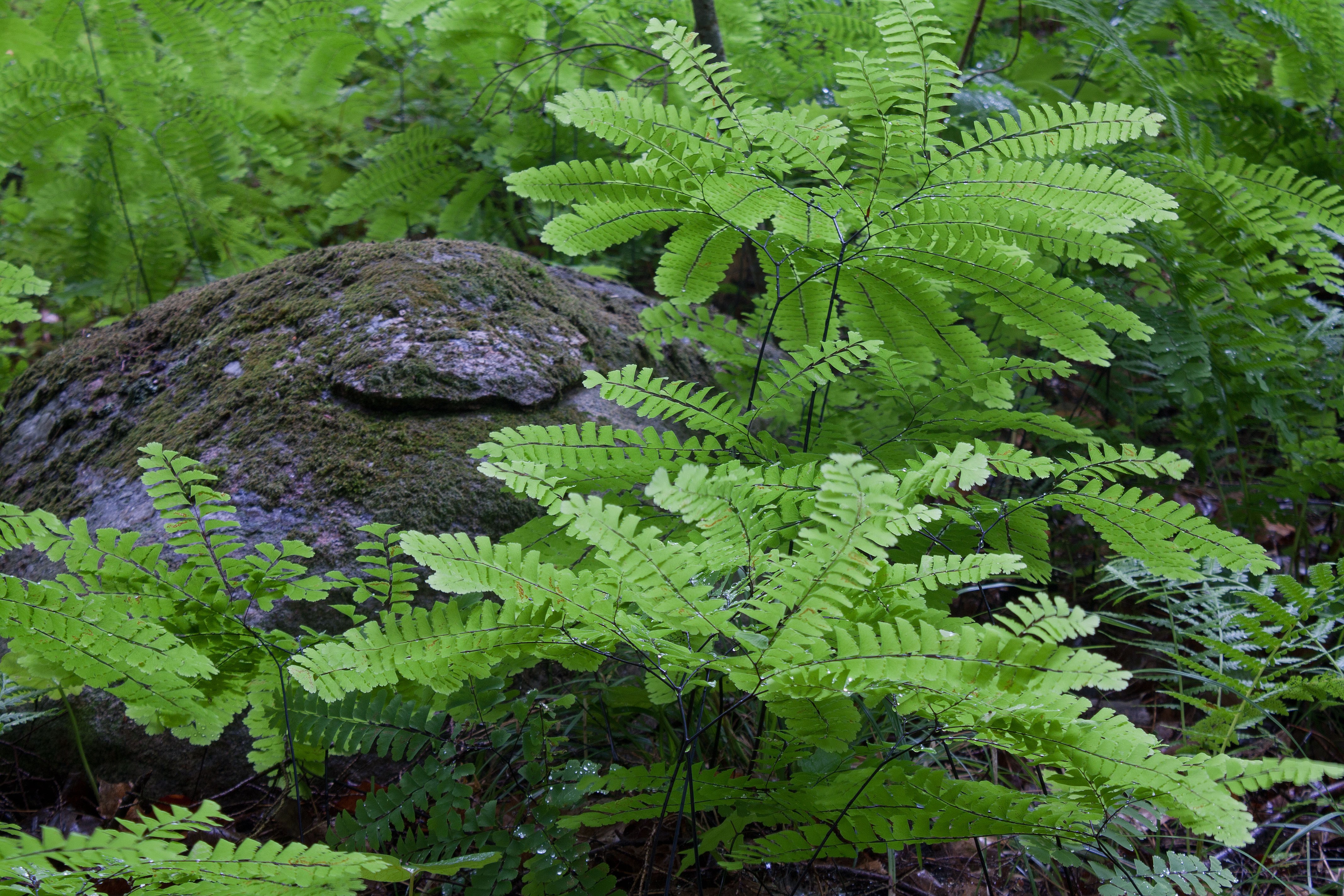
The forest floor also harboured several ferns, including the northern maidenhair fern (Adiantum pedatum), which I’m told was once the most abundant fern in Southern Ontario; but it has declined due to loss of its preferred habitat of moist, rich shaded soil.
.
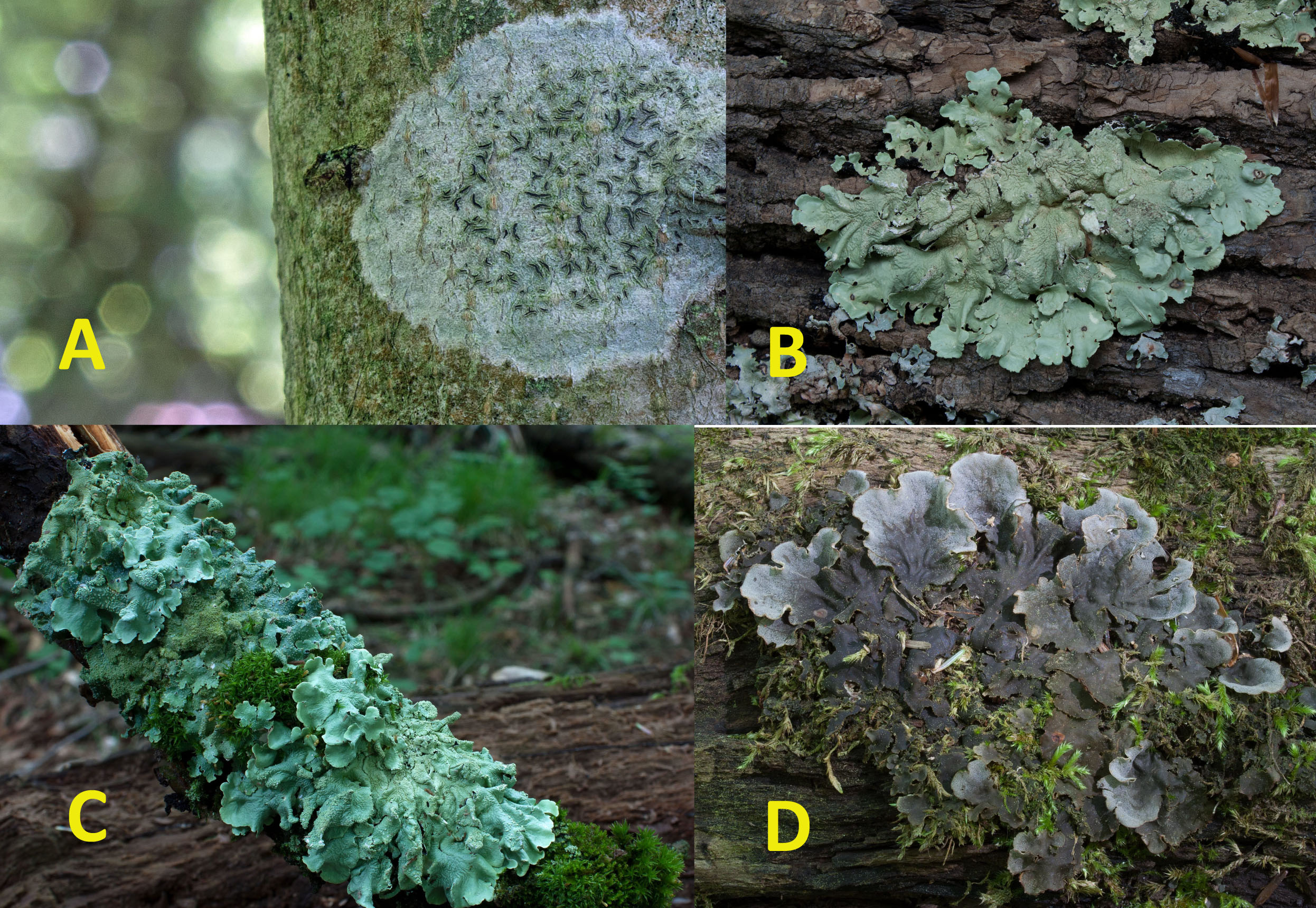
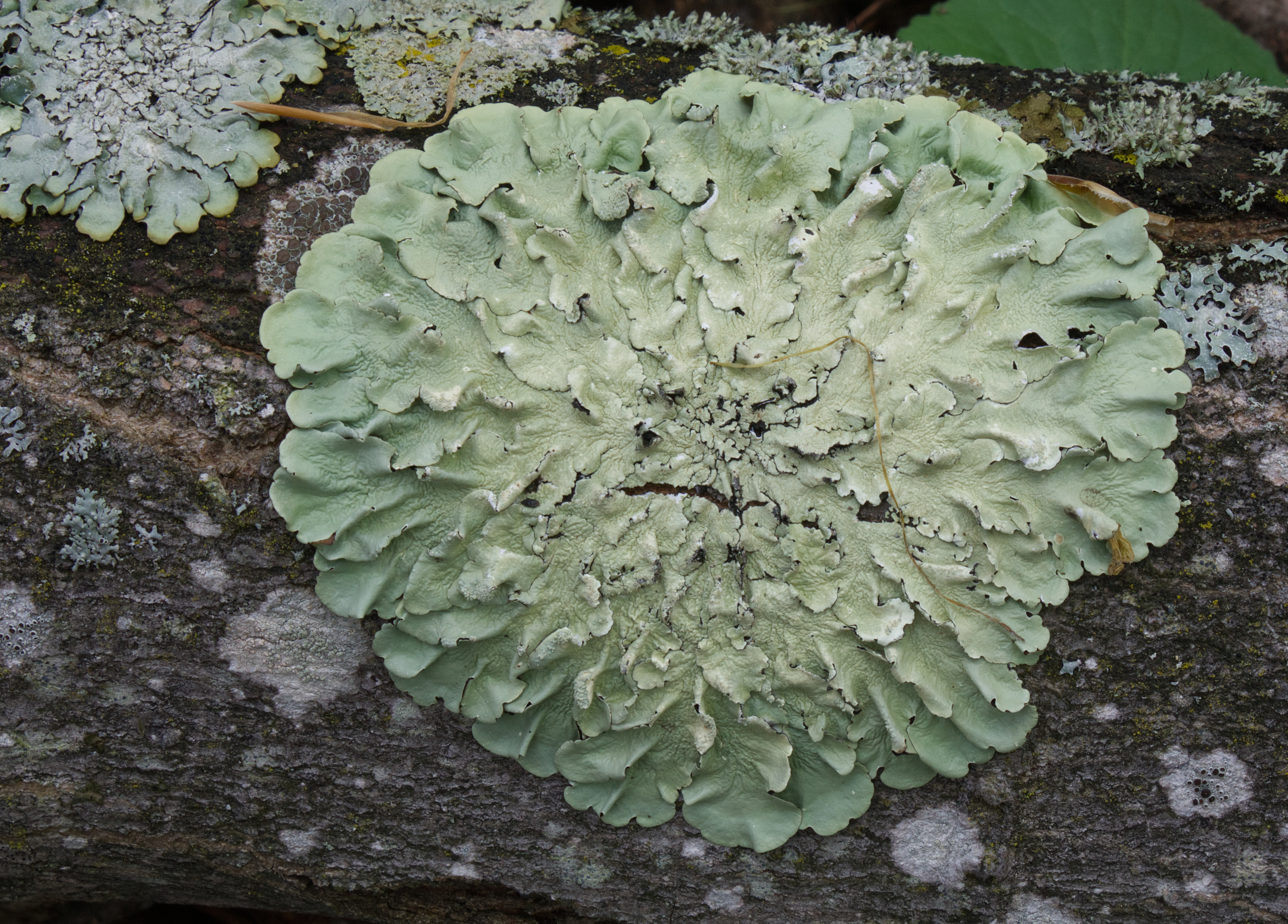
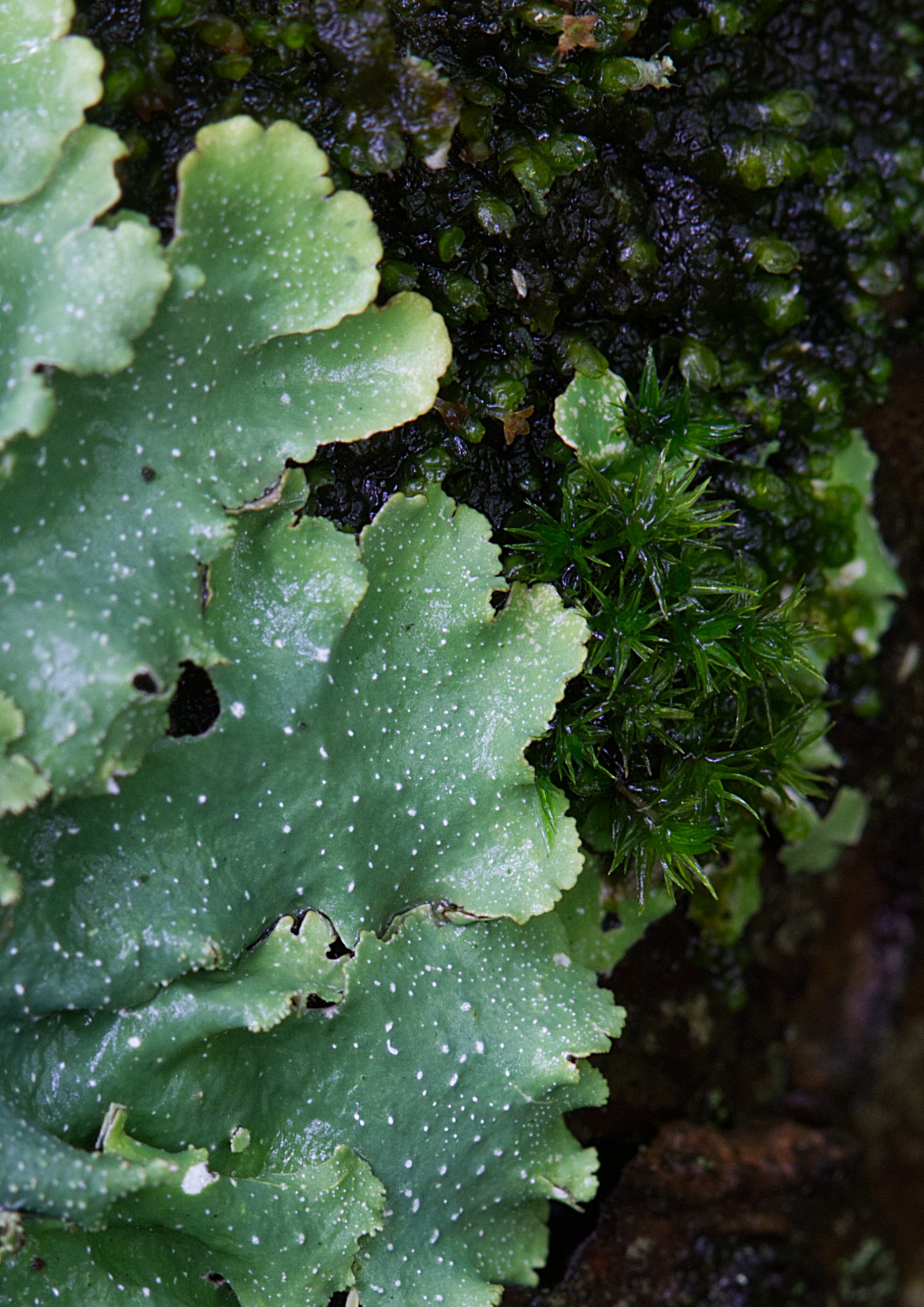
On a decaying cedar log of the dark hemlock forest, I observed the foliose many-fruited pelt lichen, one of many species of lichen supported by this rich forest. I also found several beech trees covered in script lichen (Graphis scripta). This crustose powdery lichen gets its name from the darkish squiggling ‘heiroglyphics’–as though some hidden coded message–that are the apothecia of the lichen. The script lichen shows its intelligence by preferring the smooth bark of a beech tree on which to ‘write.’ I also found on fallen branches several shield lichens such as Common Greenshield (Flavoparmelia caperata) and Rough Speckled Shield Lichen (Punctelia rudecta) with its distinct white pores (pseudocyphellae) and isidia.
.
.
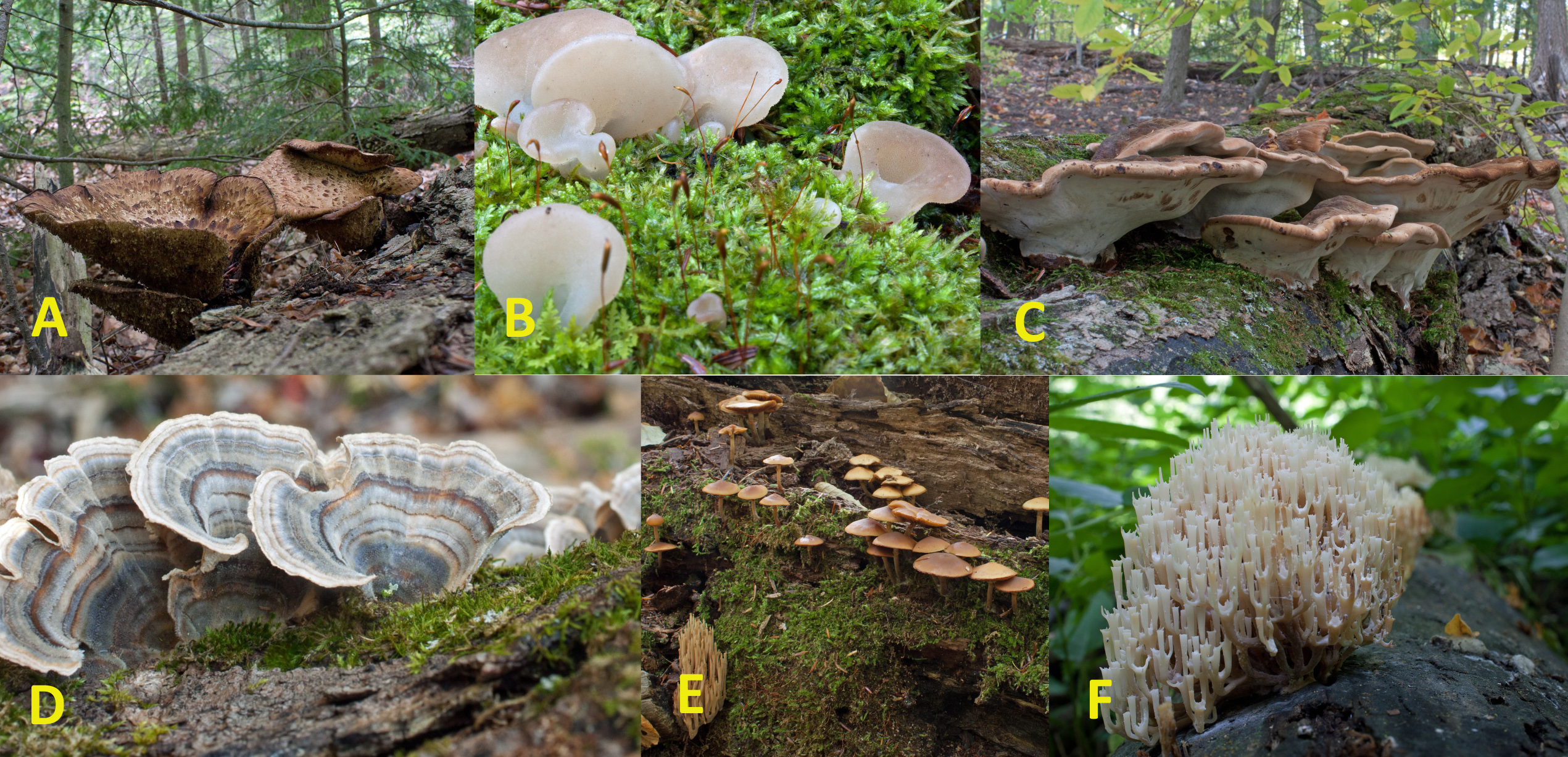
I found many fruiting bodies of the forest’s fungal network, saprobic (decomposing) fungi on the decaying wood of nursery logs and stumps that littered the forest. Growing on hemlock snags and logs were several polypores (e.g. Dryad’s Saddle) and the resinous polypore (Ischnoderma resinosum), which Forager Chef tells us is edible, despite how hard it looks. There were also jelly fungi and coral fungi (e.g. Phaeclavulina abietina) among the mosses, and frilly Turkey Tail (Tremetis versicolor). Closer to the park entrance, the poisonous Funeral Bell (Galerina marginata) had colonized a rotting maple log.
.
.
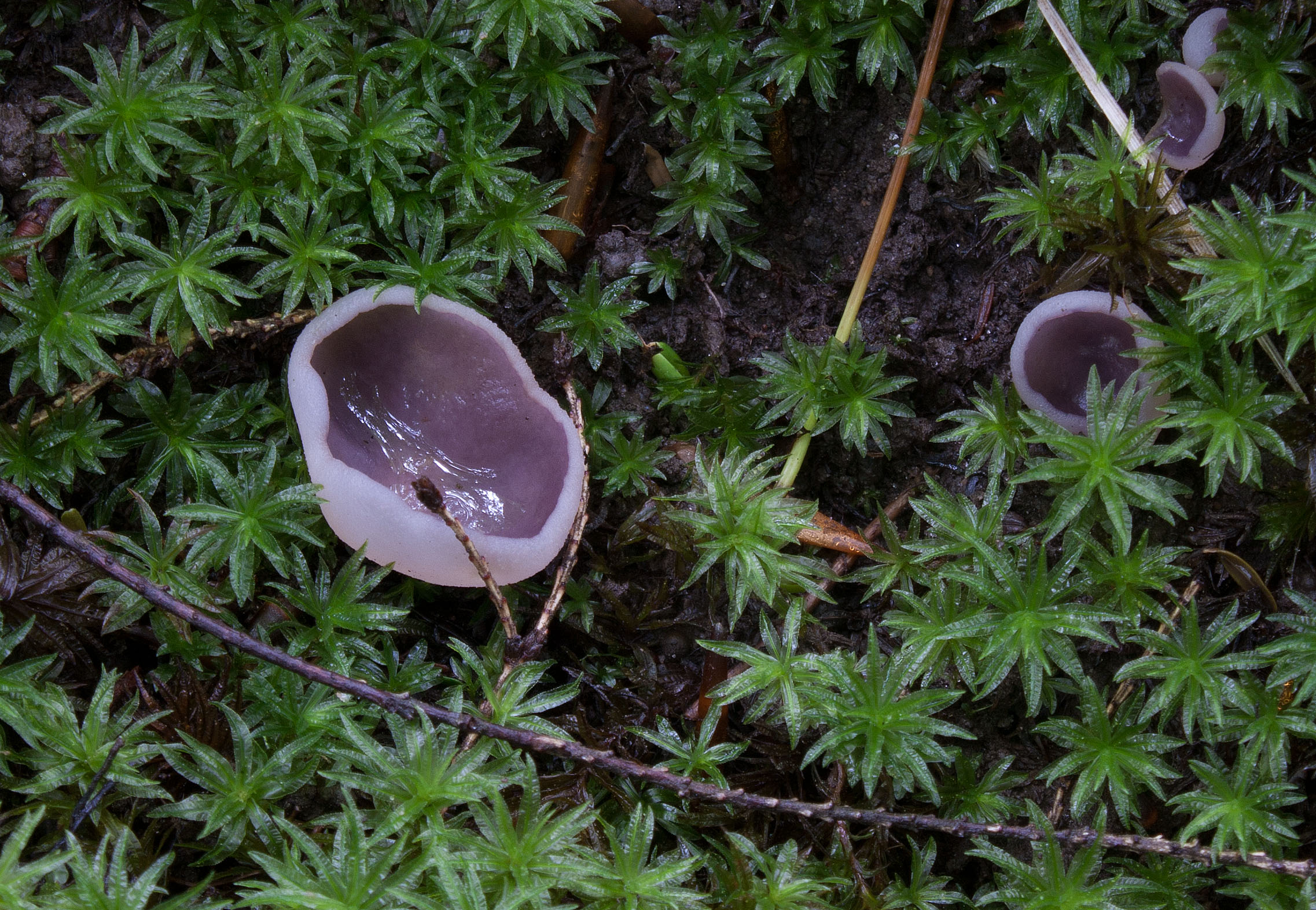
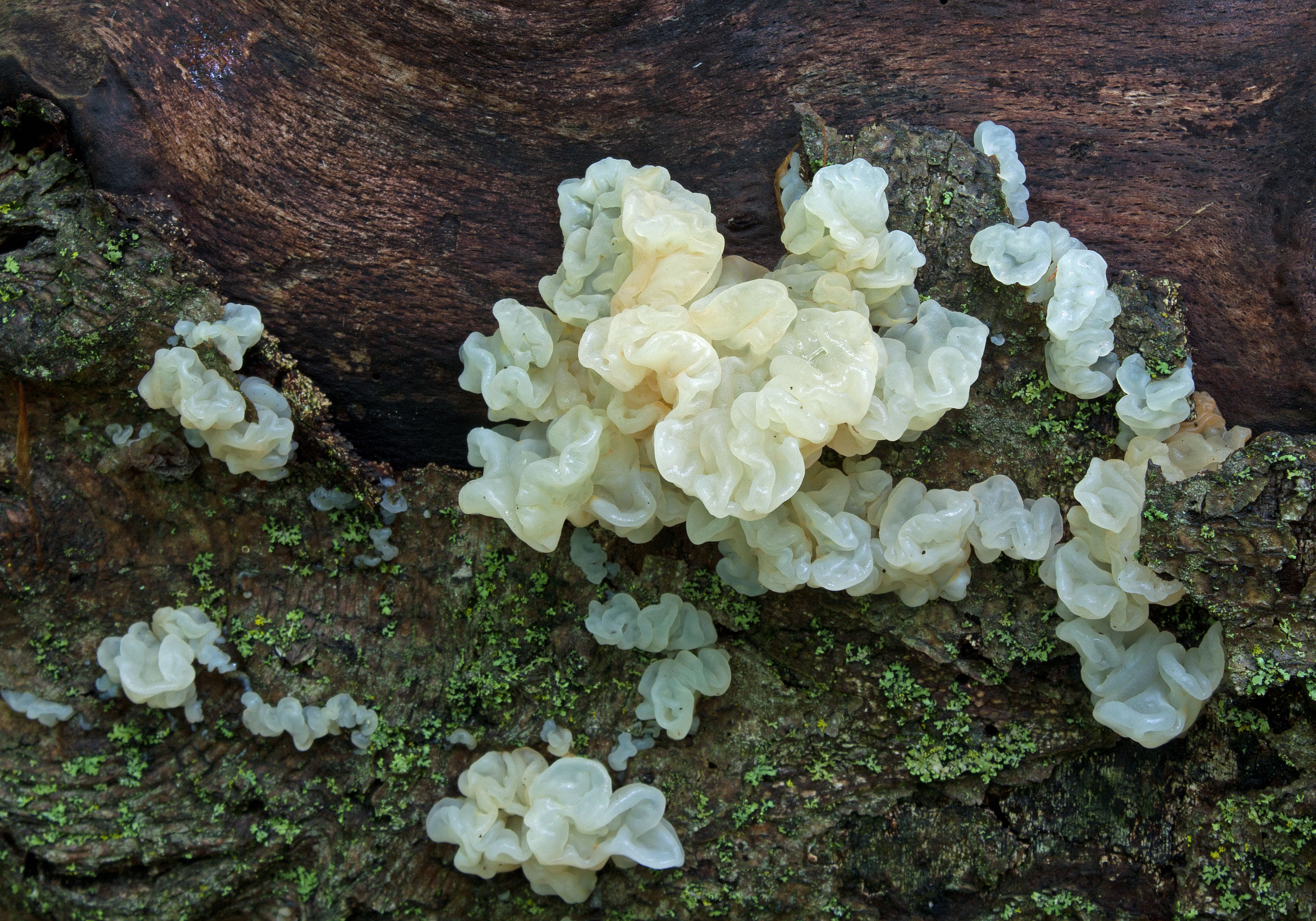
Days after, on another walk following a good rainfall, I spotted a proliferating colony of violet fairy cups (Peziza violacea) growing in moss, probably Polytrichum. And just steps farther, on a decaying maple, I spotted a brain-looking white jelly fungus, Ductifera pululahuana. The fungi were all out that day!
.
.
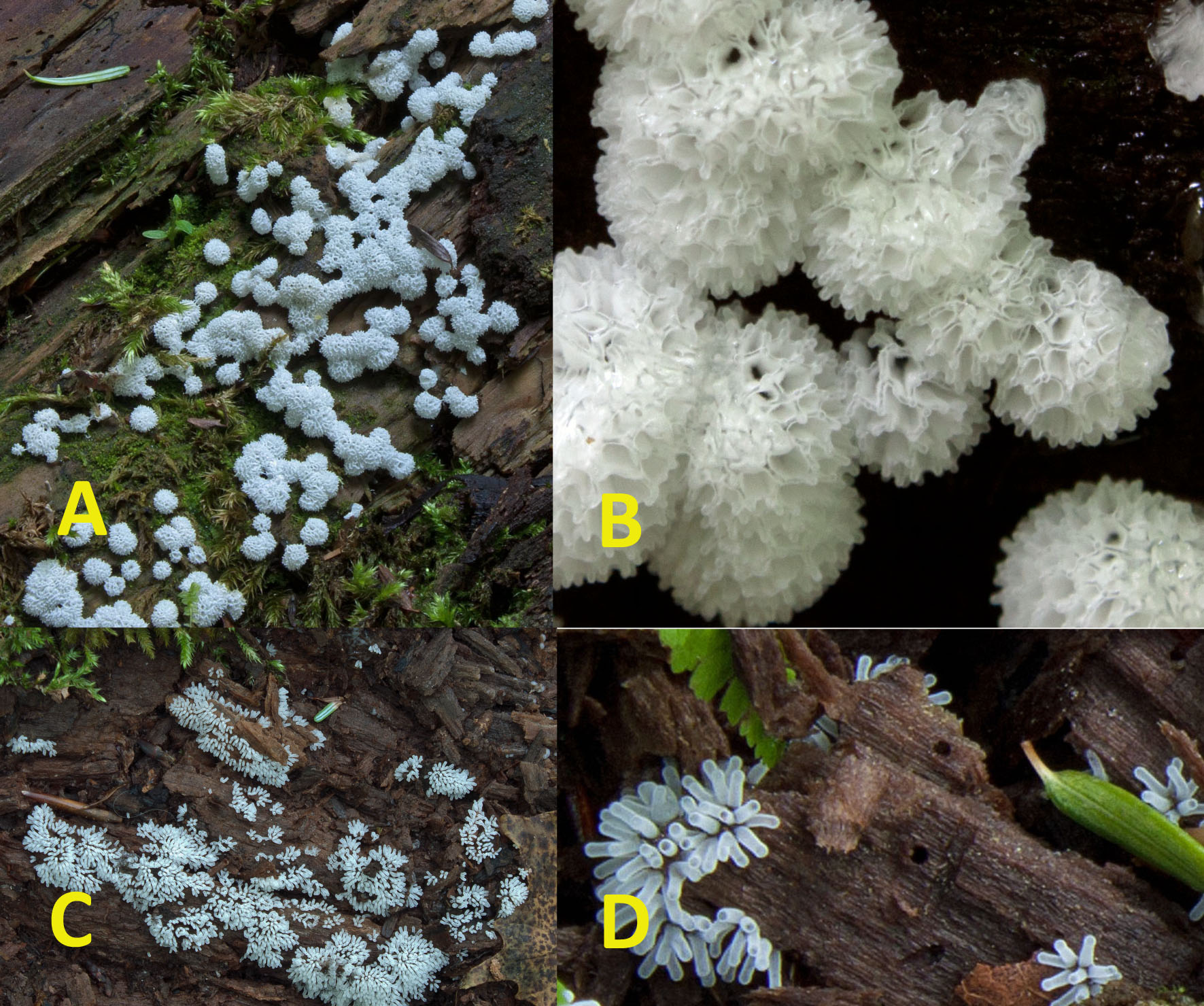
On yet another walk after a rain, I spotted two tiny white to clear plasmodial slime molds, the honeycomb coral slime mold (Ceratiomyxa fruticulosa v. porioides) and the white finger slime mold (Ceratiomyxa fruticulosa v. fruticulosa), both growing on rotting fallen maple logs. According to iNaturalist, “Ceratiomyxa was first described under the name Puccinia ramose (later revised to Ceratiomyxa fruticulosa) in 1729 by Pier Antonio Micheli, a pioneer of mycology. In 1805, Albertini and Schweinitz described 2 more species in the genus, C. hydnoides and C. porioides. However, because Ceratiomyxa species can take a variety of different forms, many forms first described as species are later considered synonyms. This includes C. hydnoideum and C. porioides which are now often considered synonyms of C. fruticulosa.”
.
.
First recognized in the early 1960s, these protostellid slime molds don’t feed on the wood but the bacteria, yeasts, and other small fungi on or in the dead wood and vegetation. As they do this, they release and recycle nutrients for other organisms to use. Slime molds are found in soil, lawns, mulch and the forest floor, often on logs of deciduous trees where I found these two specimens. Slime molds are also incredible shape shifters and demonstrate intelligence. More on slime molds in another post.
.
Hemlock Varnish Shelf
.
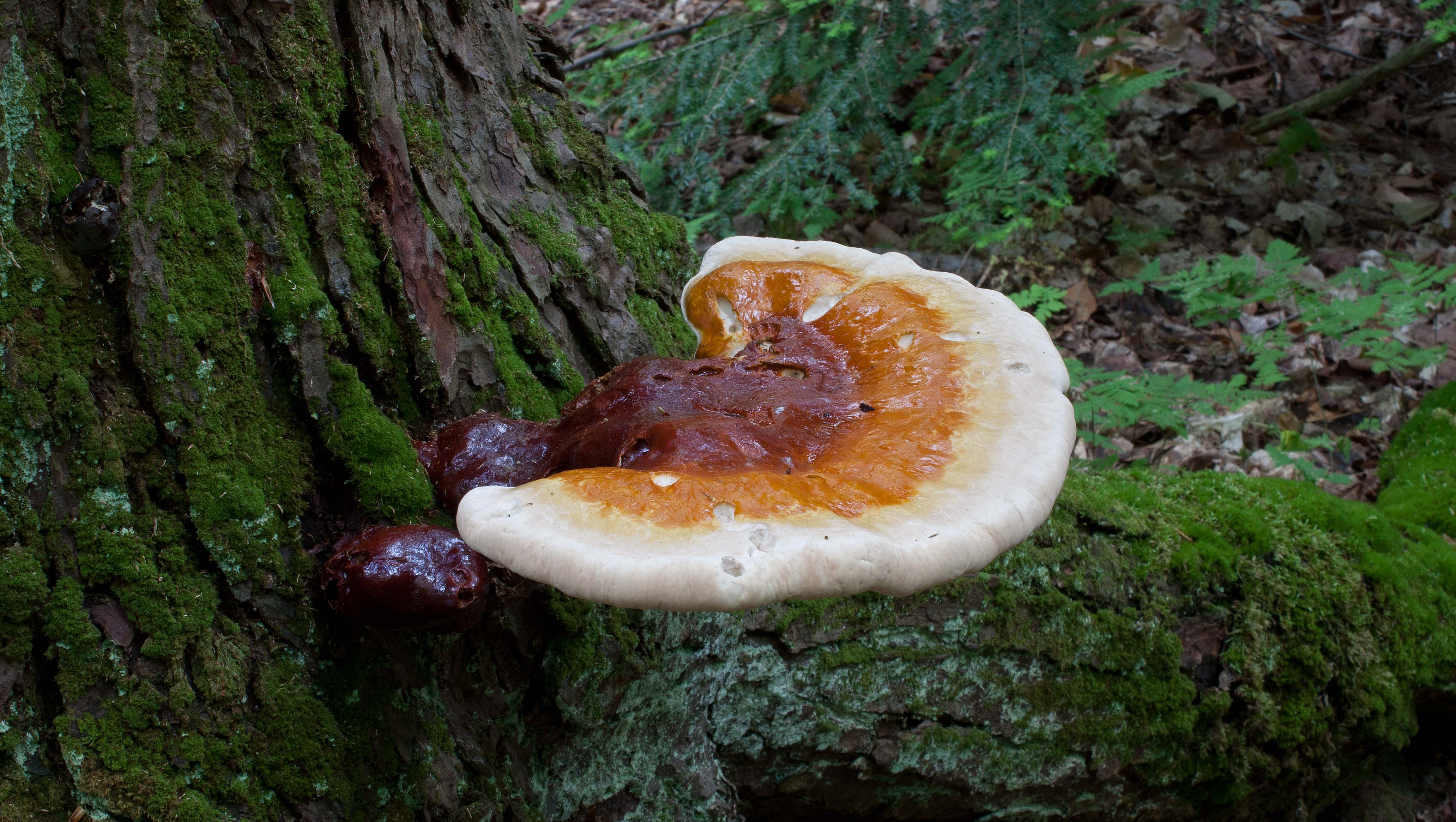
Deep in the hemlock forest, I was alerted to the bright red shine of a Hemlock Varnish Shelf (Ganoderma tsugae) colonizing the base of a dead hemlock tree. The red ‘varnish’ of the large polypore stood out against the moss-covered bark of the tree. Barbara Batakova of FungiWoman tells us that while the hemlock varnish shelf (also called hemlock reishi) is not the true reishi (G. lucidum is), “the two species are closely related and resemble each other but have very different habitats. G. lucidum only grows in wild in China and parts of Europe on hardwoods, while G. tsugae only grows in the wild in the North America east and on eastern hemlocks.” However, Batakova also notes that like a true reishi with its long history of use for promoting health and longevity in China, Japan, and other Asian countries, the hemlock reishi is also believed to have medicinal properties contained in protein-bound polysaccharides within the mushroom.
.
.
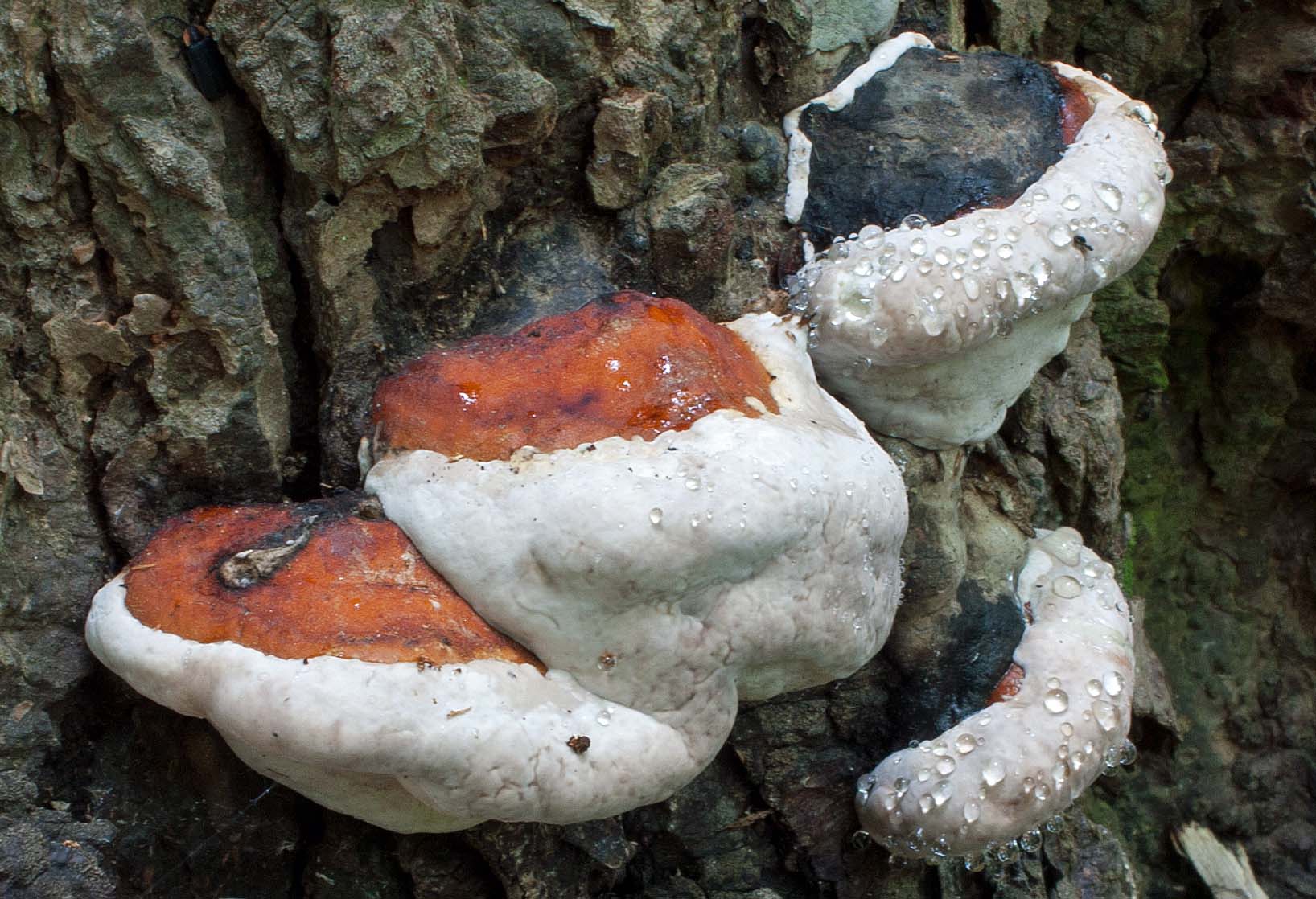
Further along my walk in the northwest lowland, I saw young specimens on a maple tree of the polypore Fomitopsis pinicola, showing signs of guttation. Guttation is a common phenomenon in the fungal kingdom that involves the active exudation of water and dissolved substances. It is often associated with stages of rapid growth in a fungus and thought that during rapid metabolism excess water produced by respiration is exuded. The exudate of water and secondary metabolites is likely a rich source of bioactive compounds that could include mycotoxins, antimicrobials, insecticides, bioherbicides, as well as antiviral and anticancer agents.
.
.
The Barred Owl
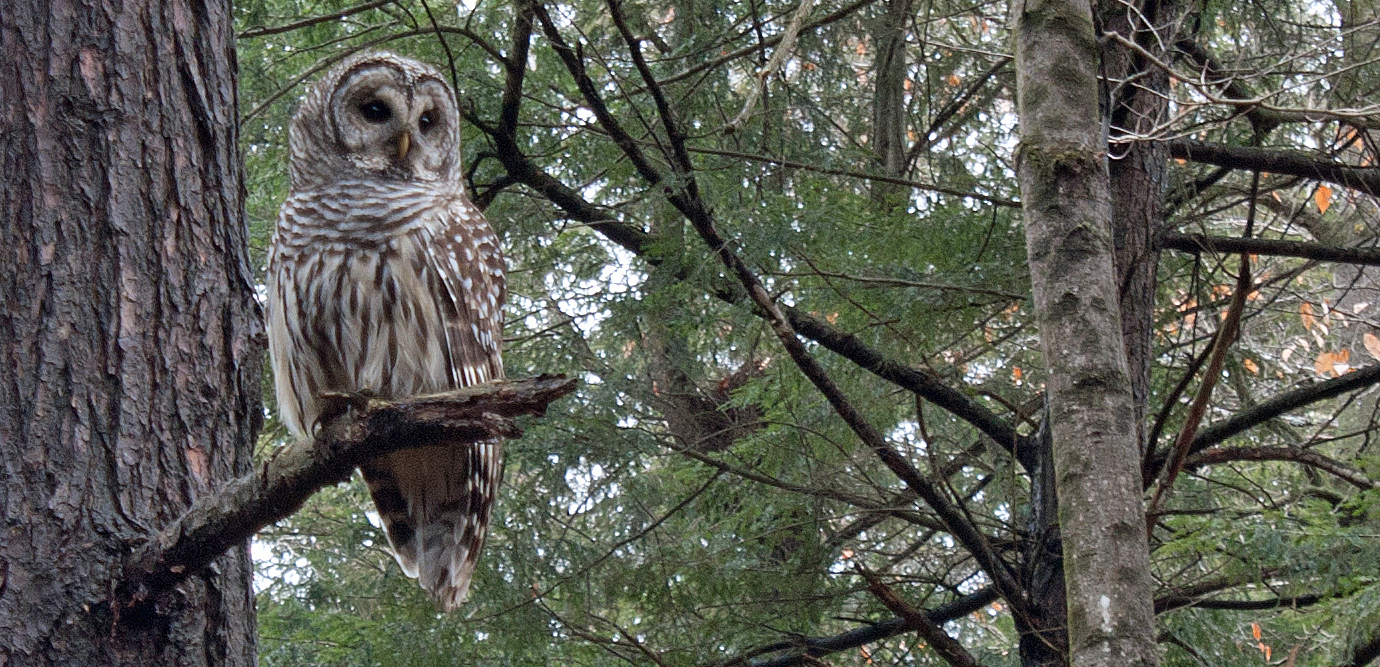
As I made my way up the steep hill to the top of the drumlin, it started to rain. Though it rained steadily, I hardly felt it through the thick canopy of hemlocks and maples. It was here one December morning on an early winter walk through this ancient lowland forest, that a large Barred Owl swooped close to perch on a low branch of an old hemlock. It regarded me with curiosity and posed for me as I crept closer through the dark forest. This lovely creature seemed to study me as I sighed at its regal beauty and took its picture. The Barred owl nests in cavities of trees that measure six to twelve meters high; they are found exclusively in mature forests that feature abundant prey and large mature trees with sufficiently large nesting cavities.
.
Dead Man’s Fingers
.
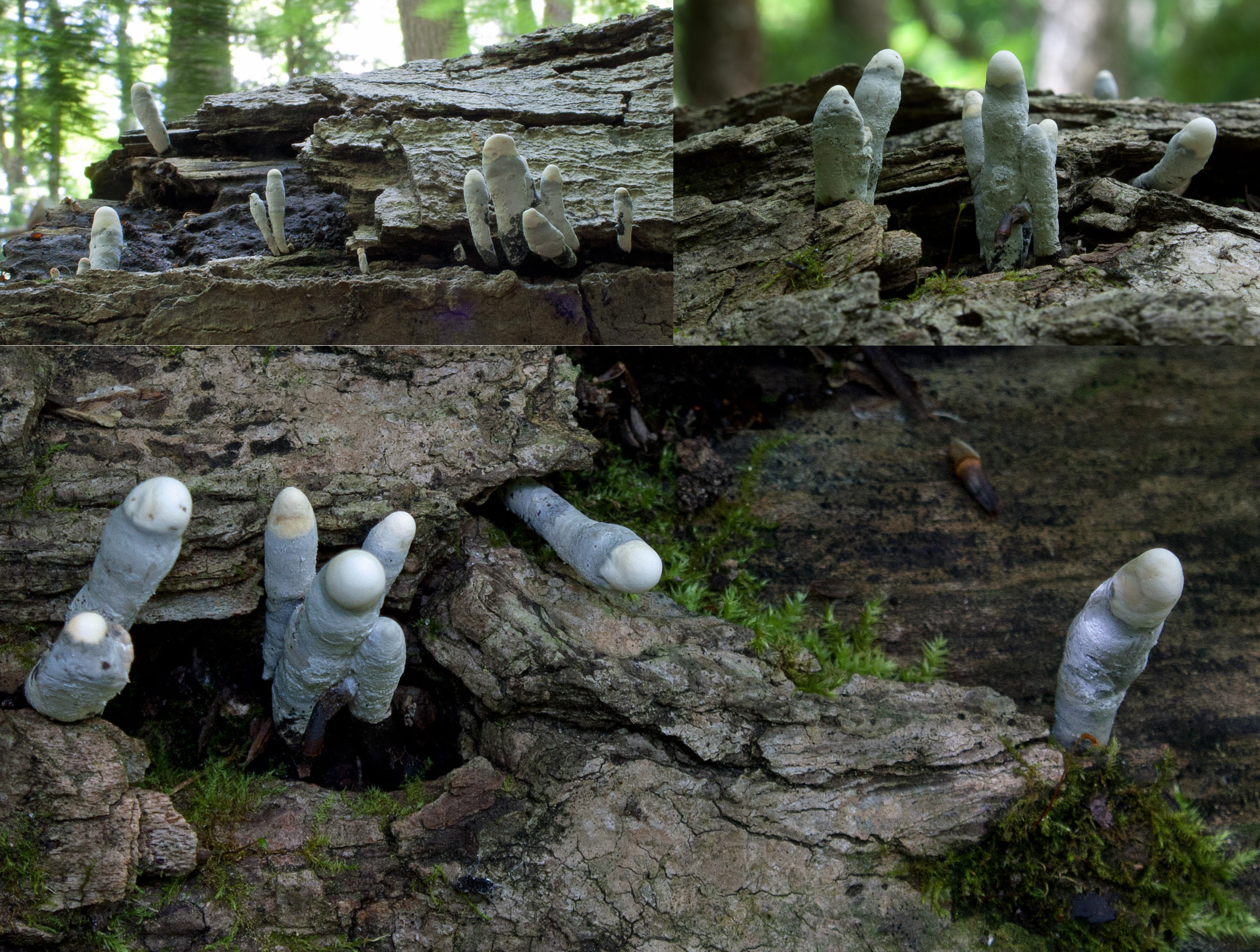
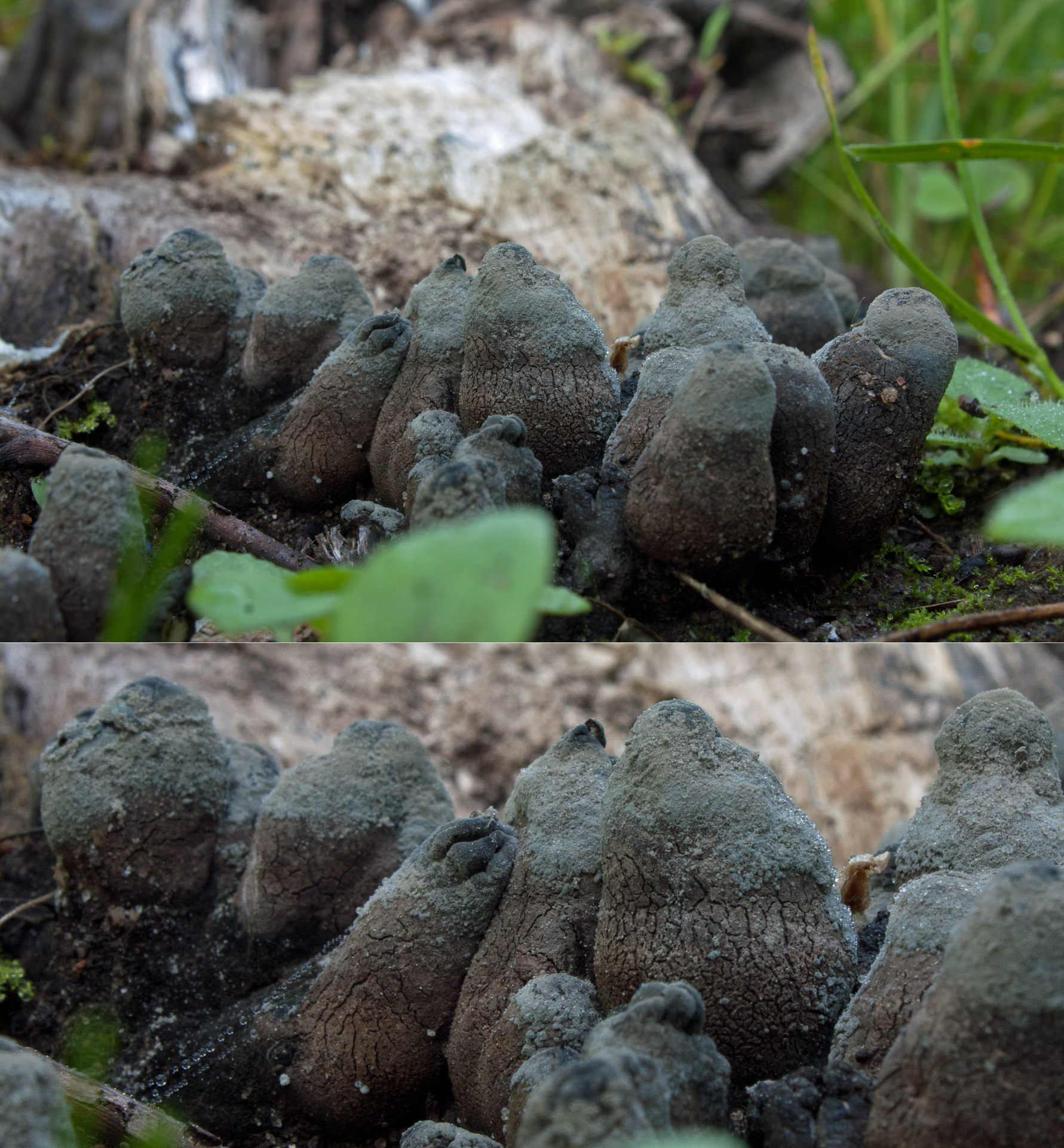
On one large rotting maple log near the top of the drumlin, numerous saprotrophic ‘fingers’ of Xylaria polymorpha—aptly called Deadman’s Fingers—emerged through the cracks in the rotting bark. These were young fingers in their conidial (asexual) spore-producing stage: about 2-3 cm high (they can reach 8 cm when mature), they appeared blue-grey necrotic-looking with white tips that resembled ‘finger nails.’ Some fingers were actually guttating, clear drops forming on the ‘finger tips.’ In spring/early summer the young fingers are covered in a fine grey dust (conidia) or asexual spores. As the fruiting body (called a stroma) matures, the conidia flake off, the fruiting body turns bumpy and dark brown to almost black. The stroma’s surface is covered with tiny pores (the mouth/exit of individual fruit bodies called perithecia), best seen when it is more mature and darker. A while ago, when I broke apart a mature Xylaria colonizing a dead beech tree, the inside was white with black bubbles; these produce the sexual spores (ascospores) that are released from the fingers over several months or years. This saprotrophic fungus grows on dead woods of various hardwood trees, preferably beech, where I had found it before. But this time it was a maple tree. Xylaria polymorpha is a wood-rotting fungus that consumes the polysaccharides such as glucan that bind the cellulose and lignin to form wood. What remains is a nutrient-rich soft mess that insects and other creatures feed on.
.
.
Forager Chef shares that while he used to eat Xylaria polymorpha, he no longer recommends it for consumption. This mushroom contains amatoxin and phallotoxin, found in some of the most dangerous mushrooms in the world. Apparently, these two toxins are destroyed during digestion, while amanitin (found in the death cap mushroom Amanita phalloides) represents the largest threat in mushroom consumption.
.
The Drumlin
The Mark S. Burnham forest is bisected by a long northeast-southwest running hill or drumlin. The term “drumlin” comes from the Celtic word for “little hill;” these small rounded hills were created by flowing glacial rivers of ice and dirt. As they moved across Ontario more than 10,000 years ago, they carried massive amounts of debris (dirt, gravel, rocks, and boulders). Drumlins like the one in this park are basically piles of dirt and gravel that were dumped as the glaciers moved on. This drumlin’s peak elevation is 228 m. Its highest point within the park lies on the northeast corner of the park at 225 m elevation.
.
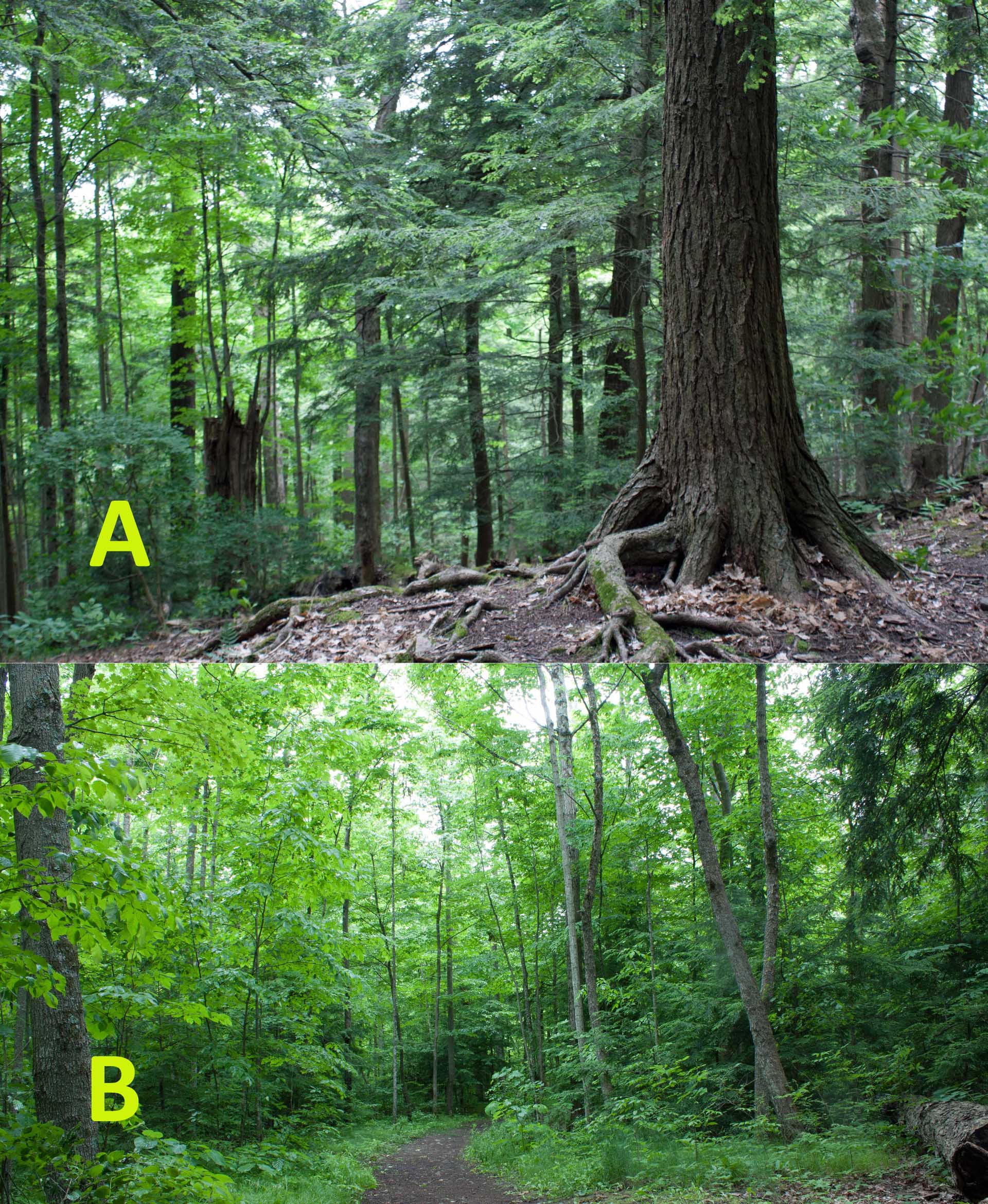
When I reached the top of the switchback trail up the drumlin, I looked behind me, then ahead of me, and was met by two very different forests. The hemlock forest behind me to the northwest was darker and dominated by the cool greens of mostly conifers (hemlock, cedar, fir) while the forest ahead of me to the southeast was bright with the yellow-greens of deciduous leaves.
The drumlin hill of gravely rock debris pushed there by an ancient glacier, separated the forest into two different environments: the cooler damper northwest side supports large conifers like hemlock and cedar that shade the lower swamp forest and hillside and whose needles and debris make the soil slightly acidic for shade-loving plants; the warmer and drier southeast side favours the growth of sugar maple, beech and ash with understory of hophornbeam and basswood, which allow filtered sunlight through the forest. When they shed their leaves in the fall, the leaves break down into rich soil, supporting many plants.
.
.
Maple-Beech Forest East of Drumlin
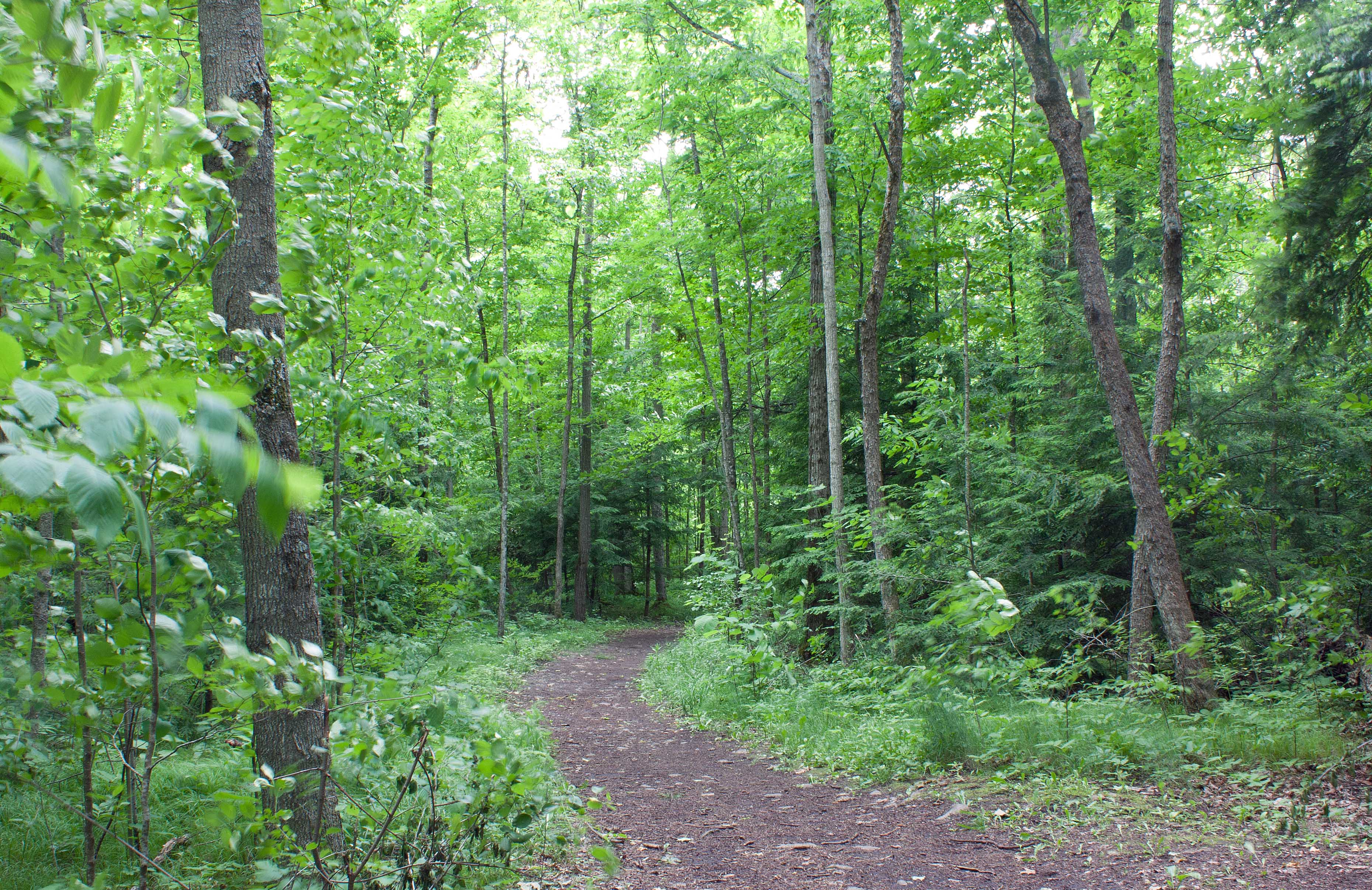
The mixed deciduous forest of the top and eastern side of the drumlin offered many of the same species of undergrowth (e.g. blue cohosh, ferns, zigzag goldenrod, herb Robert, twisted stalk and fungi and lichen). Some were different, no doubt responding to the different light and soil conditions as well as the biological community itself as ameliorator. This ecosystem, dominated by maples and beech trees with a strong understory of American hophornbeam and ash trees, was less cool and brighter.
.
I saw false solomon’s seal or, as I know it, Solomon’s plume (Maianthemum racemosum). I also saw white baneberry (Actea pachypoda), which likes semi-shaded areas with rich moist soils.
.
.
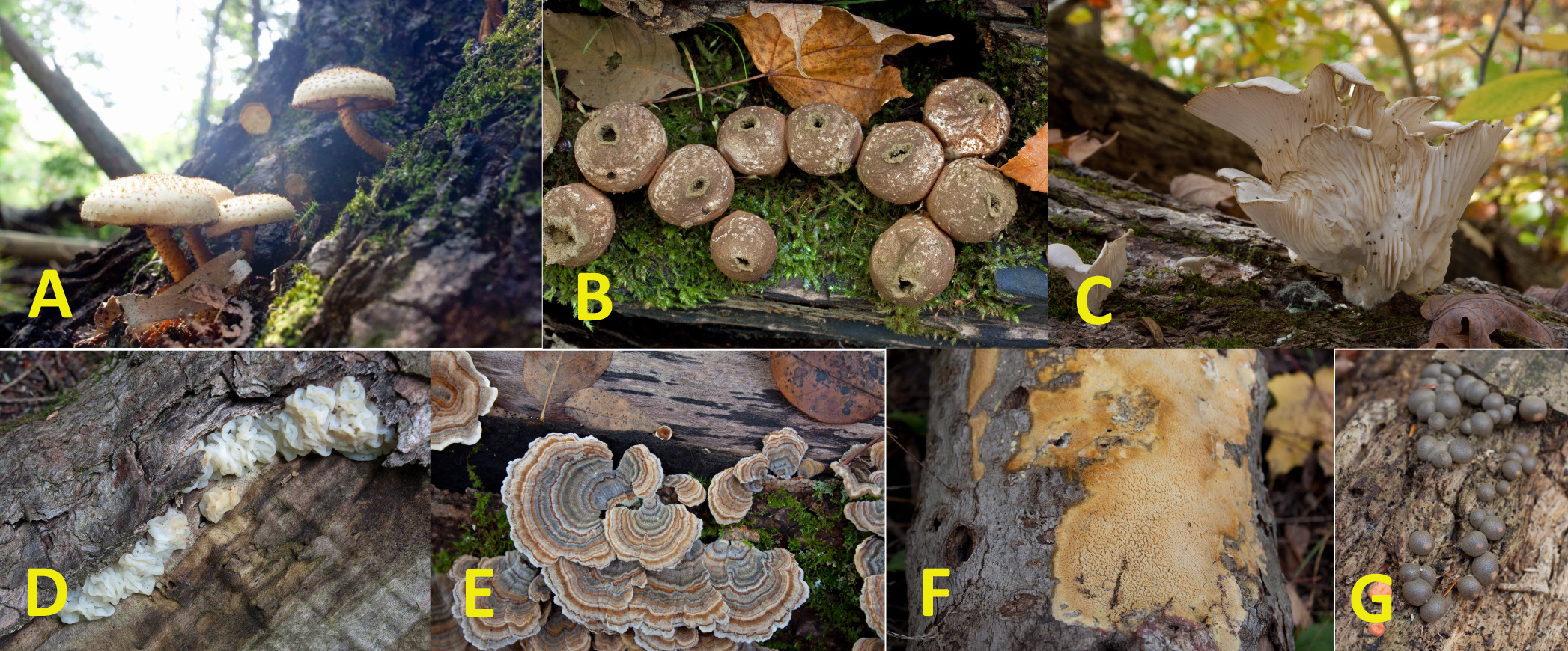
These same rich soils along with nursing logs and snags provided perfect substrates for colonizing fungi. This included scaly pholiota (Pholiota squarrosa) at the base of a maple, and the slime mold Wolf’s Milk (Lycogala epidendrum) gorging on a rotting beech log, several coral fungi (e.g. Phaeclavulina abietina), and frilly Turkey Tail (Tremetis versicolor) everywhere. The white oyster mushroom (Pleurotus ostreatus), found on a dead maple, makes a lovely dish according to Jenny at Mushroom Appreciation. I also saw more deadman’s fingers on a rotting maple log.
.
When I completed the loop and stood in the parking lot, I felt like going right back into the dark hemlocks to see it all over again; but I went home to save my camera from the rain. And left more discoveries for another day.
.
References:
O’Reilly, Pat. 2022. “Fascinated by Fungi, 2nd Edition. Coch-y-bonddu Books.
Rogers, J. D., & Callan, B. E. (1986). Xylaria polymorpha and its allies in continental United States. Mycologia, 78(3), 391-400.
Volk, Thomas. 2000. “This month’s fungus is Xylaria polymorpha, dead man’s fingers.” University of Wisconsin-La Crosse.
.
.

Nina Munteanu is a Canadian ecologist / limnologist and novelist. She is co-editor of Europa SF and currently teaches writing courses at George Brown College and the University of Toronto. Visit www.ninamunteanu.ca for the latest on her books. Nina’s bilingual “La natura dell’acqua / The Way of Water” was published by Mincione Edizioni in Rome. Her non-fiction book “Water Is…” by Pixl Press (Vancouver) was selected by Margaret Atwood in the New York Times ‘Year in Reading’ and was chosen as the 2017 Summer Read by Water Canada. Her novel “A Diary in the Age of Water” was released by Inanna Publications (Toronto) in June 2020.
.


6 thoughts on “Hiking the Mark S. Burnham Forest in Summer”