
In the passage below of my eco-fiction dystopian novel A Diary in the Age of Water, the year is 2065 and the diarist Lynna (a limnologist at the University of Toronto) reflects on the steeply growing infertility in humans and our tenuous future. Lynna draws on the factual study published close to fifty years earlier (in 2017) by Hagai Levine and others at the Hebrew University of Jerusalem, who found that sperm counts among western men had reduced close to 60% in four decades:
Back in ’49, Daniel and I had several discussions about the environmental triggers and epigenetic mechanisms of infertility in humans. Daniel went on about how it was all about the men. While women showed signs of increased infertility, men’s rate of infertility was more than double that of the women, he said. Taking an inappropriately gleeful tone, Daniel cited the classic 2017 paper by the Hebrew University of Jerusalem, the one that started it all. Their findings were startling: men’s sperm count in North America, Europe, Australia, and New Zealand had diminished by sixty percent in forty years, between 1973 and 2011. The scientists predicted that by 2060, virtually all men in these parts of the world would have little to no reproductive capacity.
It’s 2065 and they’re right. Only it’s worse. Before the twenties, only the developed countries seemed to be affected, but then sperm counts started to plummet in South American countries, like Argentina and Brazil, where GMO, pesticides, and solvent manufacturing were exploding.
You get out what you put into the ground. India and Asia—where endocrine-disruptive chemicals are finding their way into the water—are reporting very low sperm counts in their men as well as higher incidents of intersex humans.
You get out what you put into the water. We are over two thirds water, after all. I find it a little ironic that we’ve inadvertently produced a non-discriminatory way to control the problem of humanity’s overpopulation. Infertility. And that infertility results from defiling the environment we live in.
But now climate change is shouldering its way in. Climate change is shutting us down.
Is this the first sign of our impending extinction?
–excerpt from “A Diary in the Age of Water”
That environmental perturbations impact our ability to reproduce has been proven. Levine et al. write in their 2017 article that:
“Sperm count and other semen parameters have been plausibly associated with multiple environmental influences, including endocrine disrupting chemicals (Bloom et al., 2015; Gore et al., 2015), pesticides (Chiu et al., 2016), heat (Zhang et al., 2015) and lifestyle factors, including diet (Afeiche et al., 2013; Jensen et al., 2013), stress (Gollenberg et al., 2010; Nordkap et al., 2016), smoking (Sharma et al., 2016) and BMI (Sermondade et al., 2013; Eisenberg et al., 2014a). Therefore, sperm count may sensitively reflect the impacts of the modern environment on male health throughout the life course (Nordkap et al., 2012).”
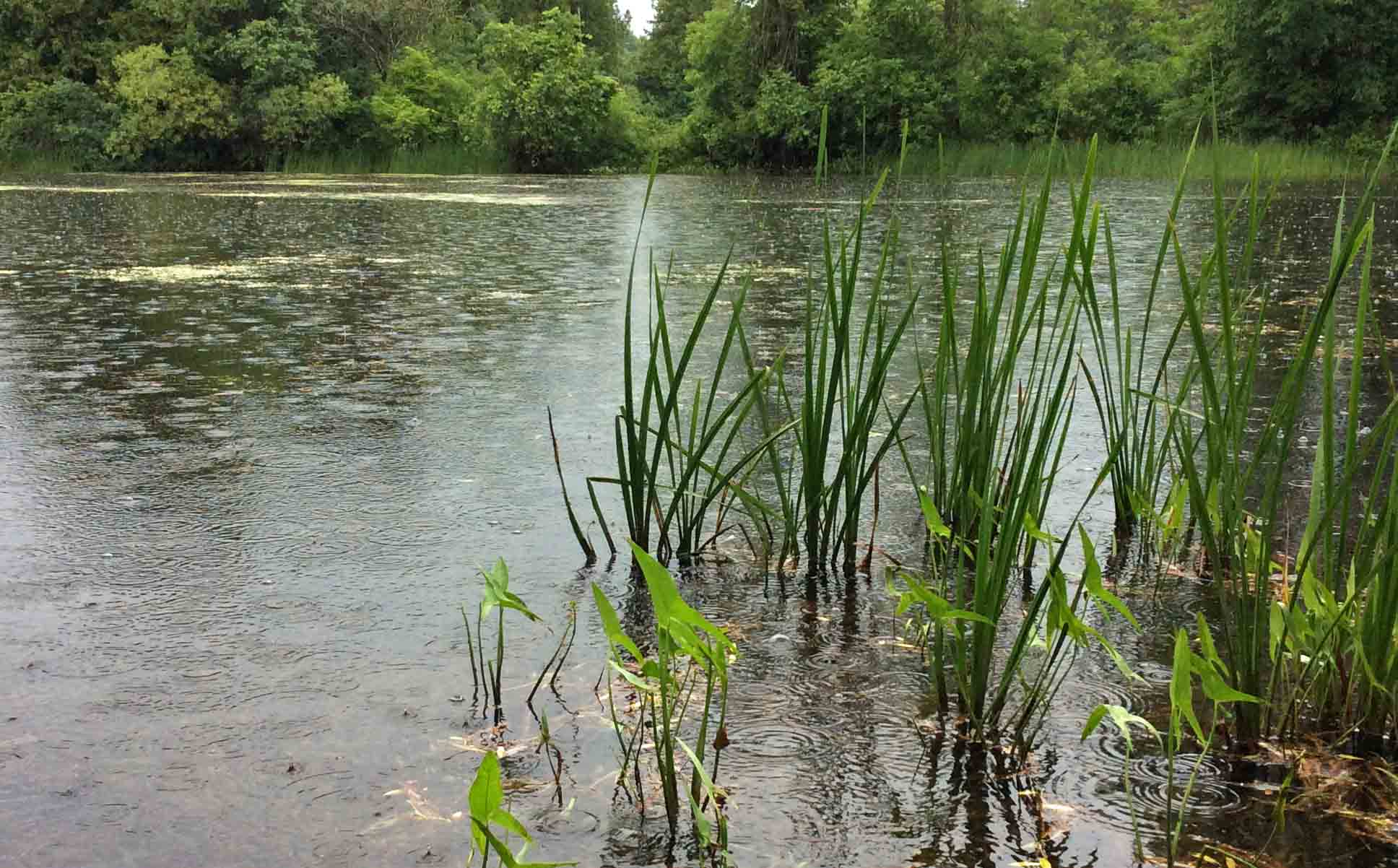
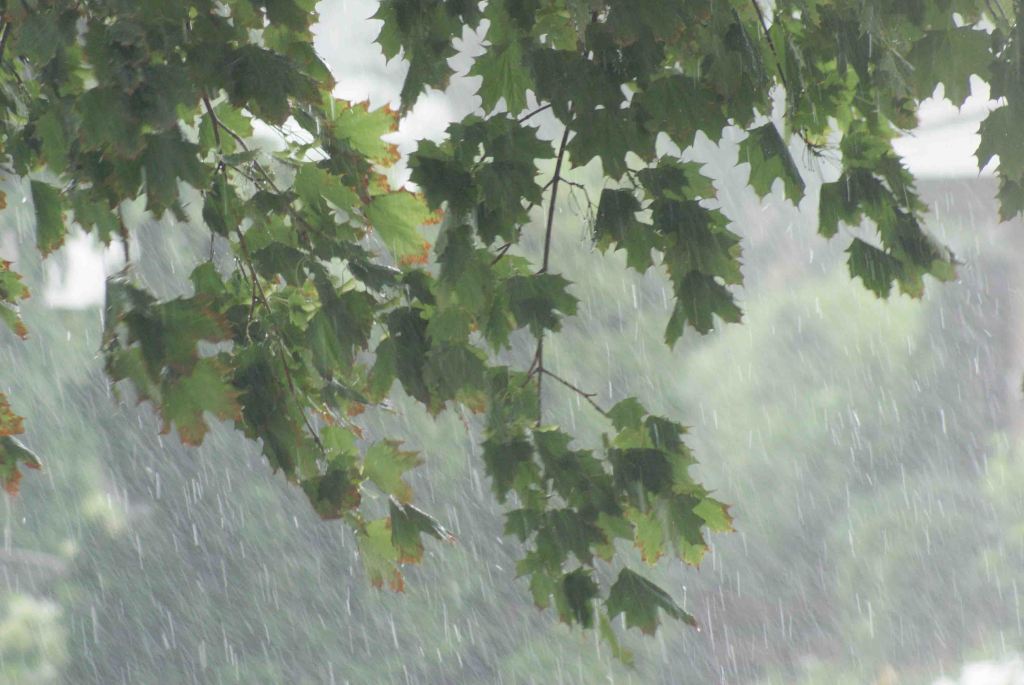
Thanks to chemical companies such as DuPont and others, forever chemicals are currently in rain water globally, and in many places in unhealthy concentrations. These endocrine-disrupting and cancer-causing chemicals often end up in drinking water and include PCBs, phthalates, PFAS, BPAs (used in pesticides, children’s products, industrial solvents and lubricants, food storage, electronics, personal care products and cookware).
If you observe a terrible irony in this short list, also know that the chemical companies, such as DuPont, have known about the dangers posed by these products for decades. And decided to keep it a secret.

Nina Munteanu is a Canadian ecologist / limnologist and novelist. She is co-editor of Europa SF and currently teaches writing courses at George Brown College and the University of Toronto. Visit www.ninamunteanu.ca for the latest on her books. Nina’s bilingual “La natura dell’acqua / The Way of Water” was published by Mincione Edizioni in Rome. Her non-fiction book “Water Is…” by Pixl Press (Vancouver) was selected by Margaret Atwood in the New York Times ‘Year in Reading’ and was chosen as the 2017 Summer Read by Water Canada. Her novel “A Diary in the Age of Water” was released by Inanna Publications (Toronto) in June 2020.
 The Meaning of Water