In an recent article entitled “The world has entered a new era of ‘water bankruptcy’ with irreversible consequences,” CNN correspondent Laura Paddison investigates this statement made by a recent United Nations report. According to the UN report, terms such as “water crisis” or “water stressed” fail to capture the magnitude or extent of our current water situation. The report’s author Kaveh Madani (director of the UN University’s Institute for Water, Environment and Health) argued that, “if you keep calling this situation a crisis, you’re implying that it’s temporary…We can mitigate it.” Madani suggested that by adopting the term ‘bankrupt’, we change the narrative and create a more realistic understanding of the need to adapt to a new reality and new conditions that are more restrictive.
The metaphor is appropriate: If you swap dollar capital for environmental capital—e.g., rain and snow, groundwater aquifers, rain-making trees—and balance extraction vs. renewal, you get a pretty good idea. In this scenario, climate change (global warming) affects both ‘spending’ and replenishment. There is plenty of water on this planet; that’s not the problem. The problem is its quality and availability, where it goes and where it stays and what’s done to it. With overuse and misuse by governments and corporations, rivers and lakes are getting smaller and/or polluted; wetlands are being drained and paved over; aquifers are drying up, land is crumbling and sinkholes caving in, glaciers are shrinking and less snow is falling.
Madani argues that, “many regions are living [unsustainably] beyond their hydrological means,” and suggests that it is impossible to return to previous conditions—something that most of us are unwilling to recognize and accept. Nearly four billion people face water scarcity. Madani gives examples of cities such as Los Angeles, Las Vegas, and Tehran, where expansion and development have disregarded the limited water supplies.
.
.
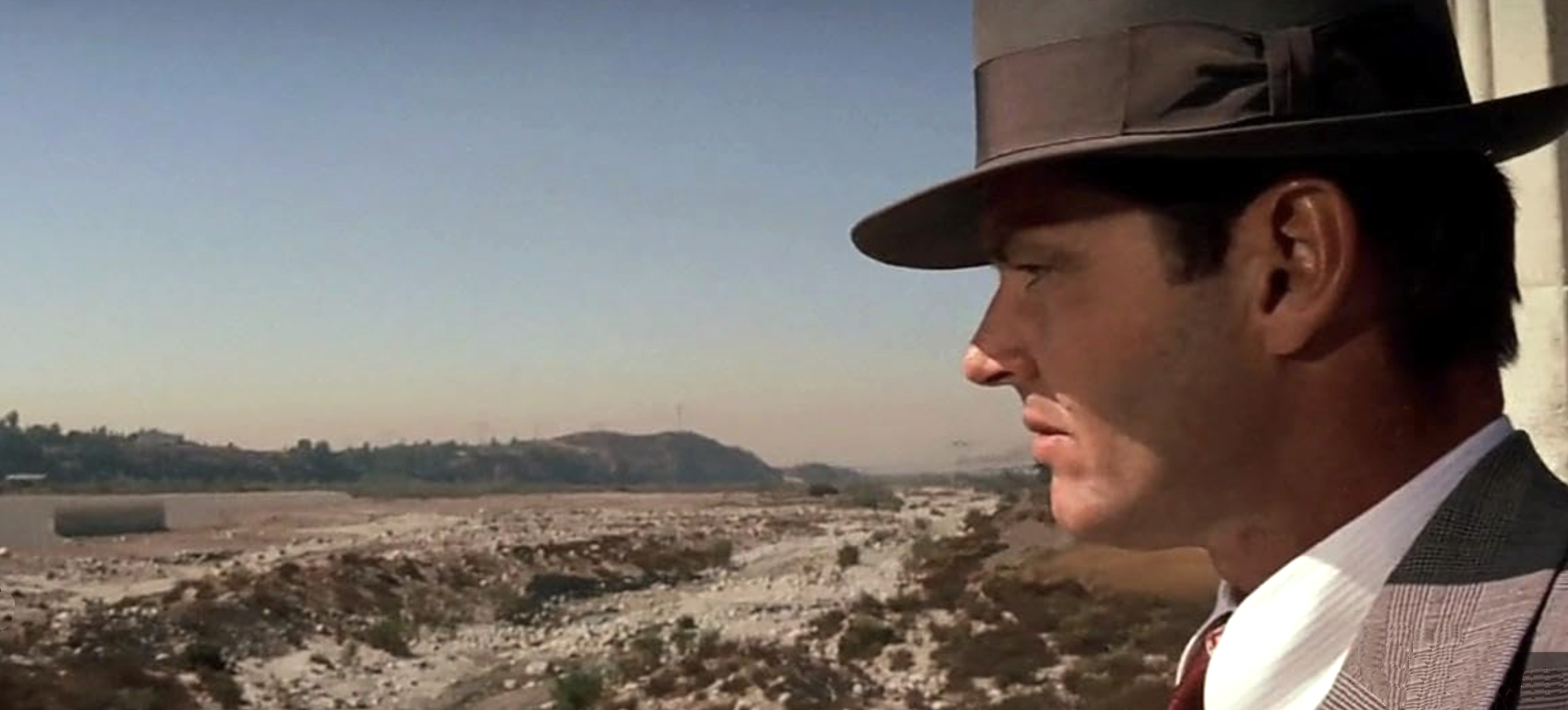
Los Angeles has for years been living on a cheat; check out Roman Polanski’s 1974 film Chinatown (written by Robert Towne) for a fictionalized version of Los Angeles in the late 1930s and how this city has been selfishly stealing water from other watersheds for decades to hydrate its growing population and fill their swimming pools. The film got its inspiration from the water wars at the turn of the 20th Century when Los Angeles transformed into a major urban centre. Real-life “water wars” erupted over water diversions from Owens Valley, east of the Sierra Nevada mountains, when the Los Angeles water department bought up land in east California to divert water from the rural community to sate its growing population, William Mulholland (head of the Bureau of Water Works and Supply) spearheaded the building of an aquaduct to fuel the rapid growth of Los Angeles and used aggressive, deceptive, and questionable methods to secure this ambition. According to Professor John Walton of UC Davis’s Department of Sociology, “The aqueduct was a plan fashioned by a small group of wealthy promoters; the project was a mystery to the public in its early stages; money and power drove it; the ‘little guy’ was in the dark about his or her exploitation; intrigue enveloped city-valley dealings.”
.
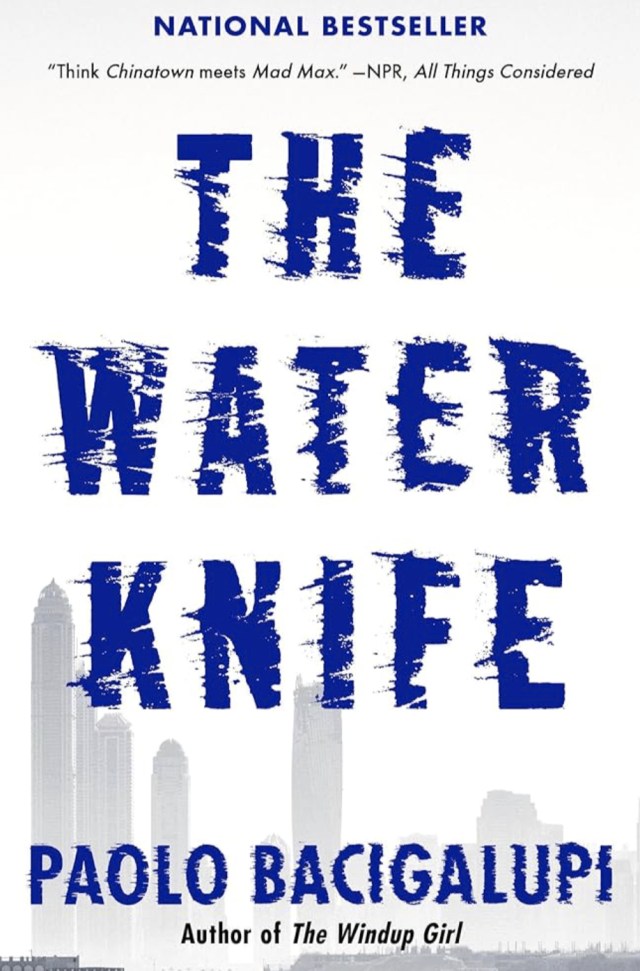
Paolo Bacigalupi’s scifi thriller The Water Knife, about a parched southwestern United States—with corporate militias, border wars, and illegal migrants—gets its inspiration from the current severe water shortages in the US Southwest and associated tensions, where aquifers are drying up, farmer’s fields are turning into dustbowls, and the Colorado River typically dries up before reaching its mouth to the ocean.
.
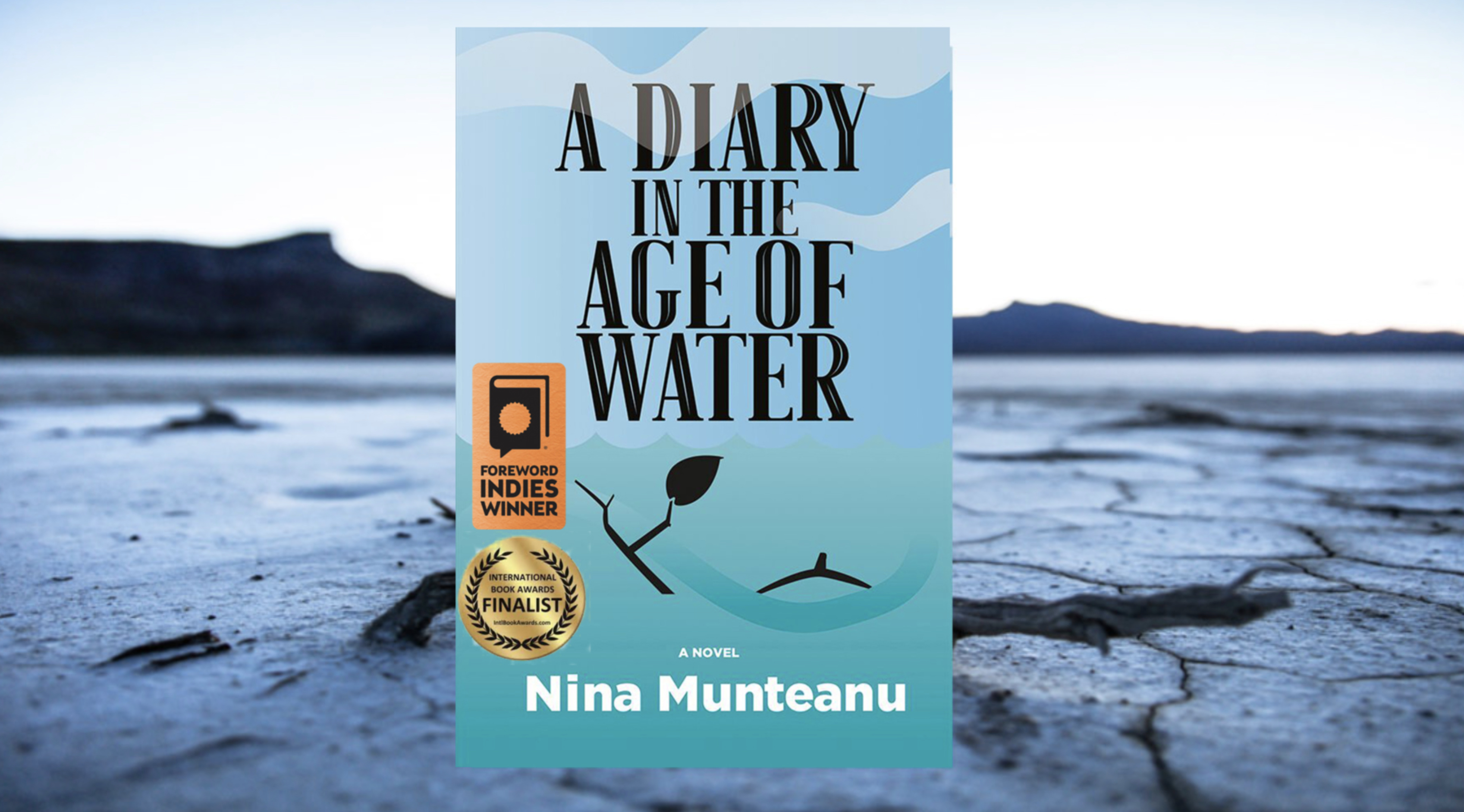
My own eco-fiction novel A Diary in the Age of Water (and its upcoming sequel Thalweg) draws its premise from the NAWAPA proposal of the Army Corps of Engineers in the 1960s (that made it to Congress) to flood the Rocky Mountain Trench in BC with massive river diversions, creating a huge reservoir to hydrate the parched US.
.
.
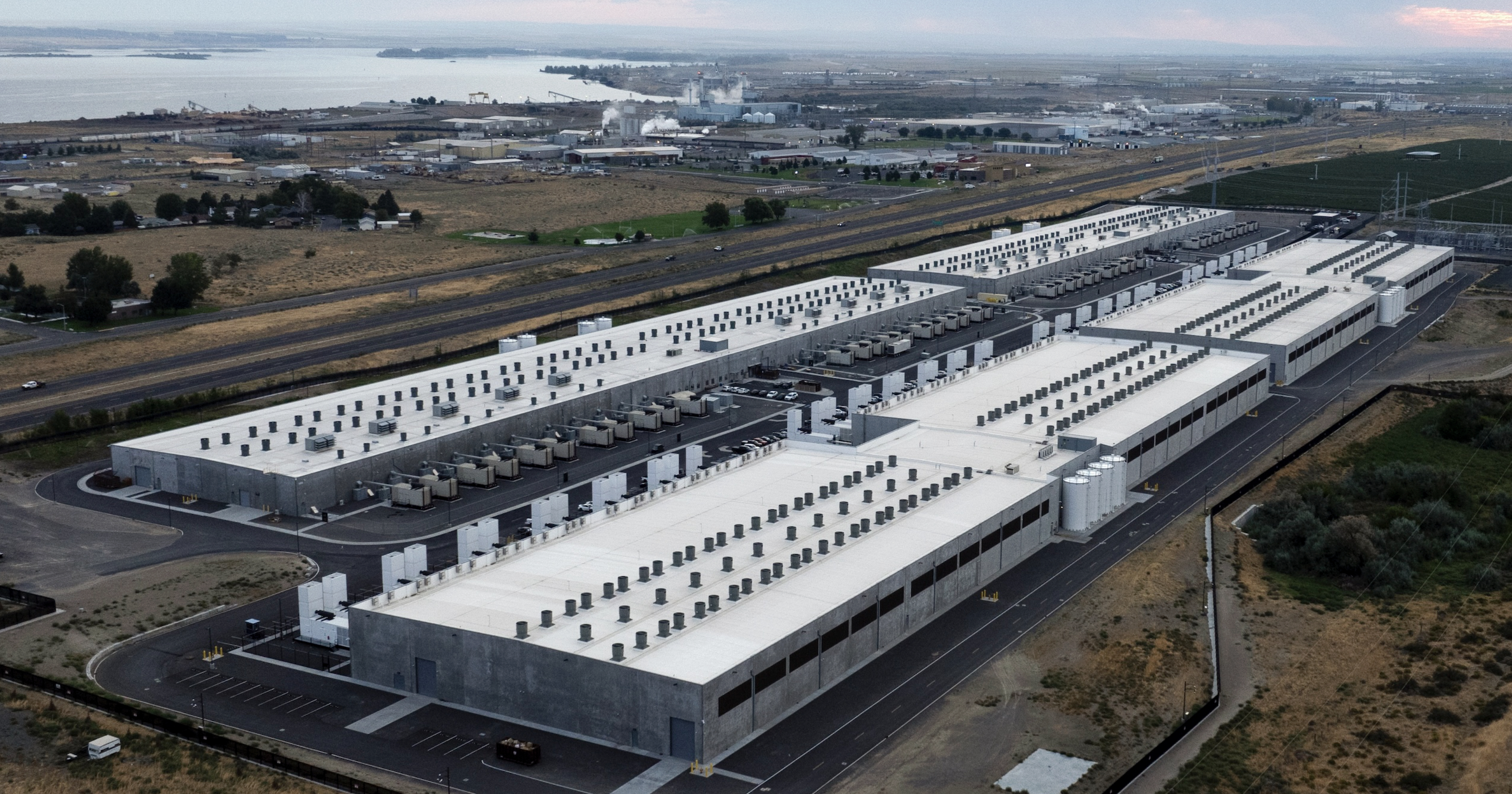
In its recommendations, the UN report points out that current agricultural practices are by far the largest global user of water, and require more sustainable practices. Agriculture currently uses 70% of our freshwater withdrawals—mostly to irrigate water intensive crops. I would add that energy production, the manufacturing industry and the information / AI industry (e.g. data centres) also use large amounts of water—with China, USA and Brazil making up the top water-consuming nations. See my article on the consequences of the massive use of water by data centres all over the world. Large data centre facilities consume hundreds of millions of gallons daily—as much as a small town’s use—to cool its servers and to generate power—often resulting in large water loss through evaporation. Obvious impacts include desertification of the watershed, dried up wells, soaring water costs to local communities, and disrupted or collapsed ecosystems.
.
.
But it isn’t that simple: for instance, what happens to all that water that has gone through the centre (what doesn’t evaporate, that is)? Where does it go and how has it changed (sudden increases downstream or down-lake are catastrophic for aquatic life)? No one seems to be talking about that… Most studies of water consumption and impact focus simply on quantity: what’s consumed and what’s given back. Like it’s a numbers thing. But our relationship with water is far more complicated than that.
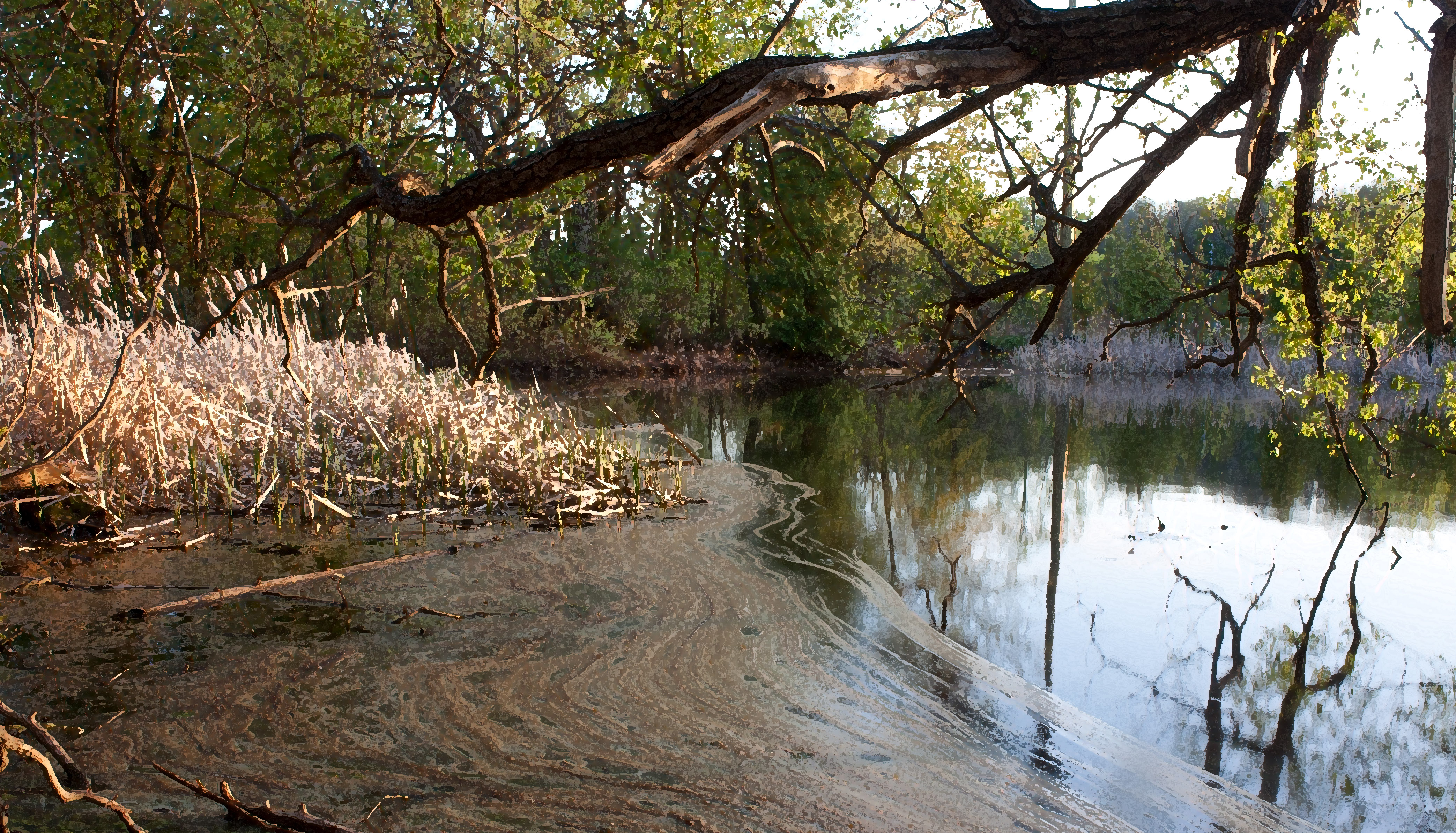
Water is the nourishing hydrator of the entire planet. Water quality is as important—if not more important—than water quantity. For water to do its job, it needs to be clean and oxygenated. But pure water is turning into a rare thing indeed. Despite making up over two-thirds of the planet, water in its freshwater (drinkable) form only makes up 3% of the planet’s total water; the rest being salty seawater. Of that 3%, almost half (40%) is severely polluted (undrinkable) by us. Over 80% of global wastewater returns to the environment untreated, contributing to a crisis in which 1 in 3 people lack access to safe drinking water.
.
.
Few articles I have run across investigate the quality of water returned and the associated ecosystem burden. For instance, let’s compare a medium data centre to a single mining operation:
A medium data centre may use from 300,000 to 5,000,000 gallons of water daily, returning much less water—now heated—back to the ecosystem. Loss of water and thermal pollution of downstream aquatic environments with associated loss of oxygen and increased toxins in the water are likely the principle impacts to the downstream aquatic environment. Thermal pollution alters water chemistry in detrimental ways, causing metabolic stress and mortality of fish, and promoting harmful algal blooms and coral bleaching. Breeding cycles are disrupted, habitats destroyed, and species richness reduced with invasive species favoured.
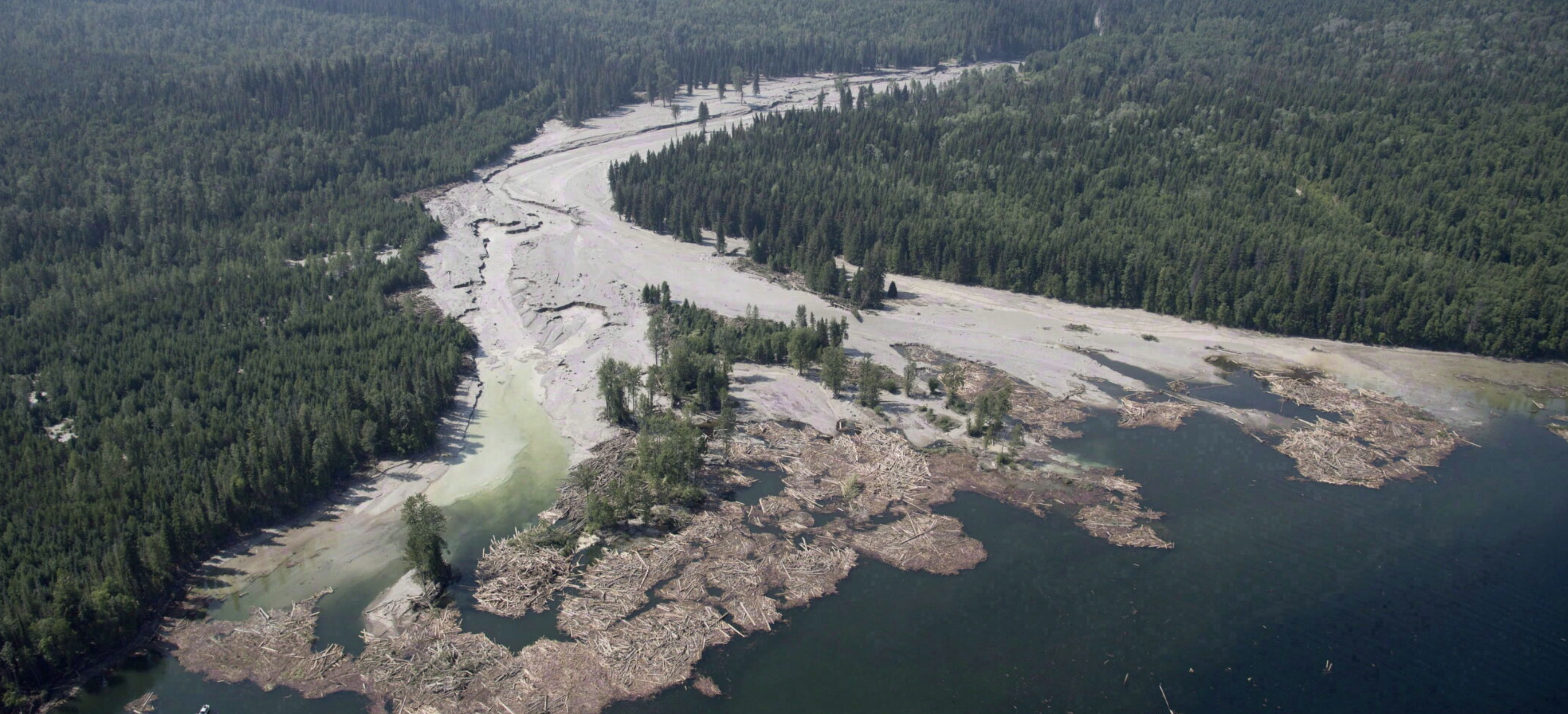
By comparison, a single mining operation may use less than a million gallons of water a day; however, the environmental impact generated by that single mine may be far greater, depending on its operation and tailings (e.g., wastewater generated), etc. The toxic materials in mine tailings—that all too often escape into the environment—carry toxic contaminants that persist and potentially biomagnify, and continue to disrupt and destroy entire ecosystems long after a mine has shut down—particularly if the mine is not tasked with remediation by the government. Mine tailings potentially acidify downstream environments. They often contain highly toxic, carcinogenic and hormone disrupting heavy metals and associated contaminants, causing cumulative and synergistic effects.
.
.
The 2014 collapse of the tailings dam at Imperial Metal’s Mount Polley copper and gold mine released 25 million cubic metres of waste water and tailings (containing highly toxic arsenic, lead, mercury, and selenium) into Hazeltine Creek, Polley Lake, and ultimately Quesnel Lake, a drinking water source. Over a decade later, environmental perturbation is still ongoing.
In my work as an environmental consultant in British Columbia and elsewhere, I was often tasked with documenting persistent environmental impacts downstream or down-lake of a mine decades after it had closed. The Tulsequah Chief Mine in BC that had been abandoned since the 1950s (with failed mitigation), still discharges untreated acid mine drainage (AMD) into the salmon-bearing Tulsequah River, BC, and continues to pose significant risks to aquatic life in the Taku River watershed.
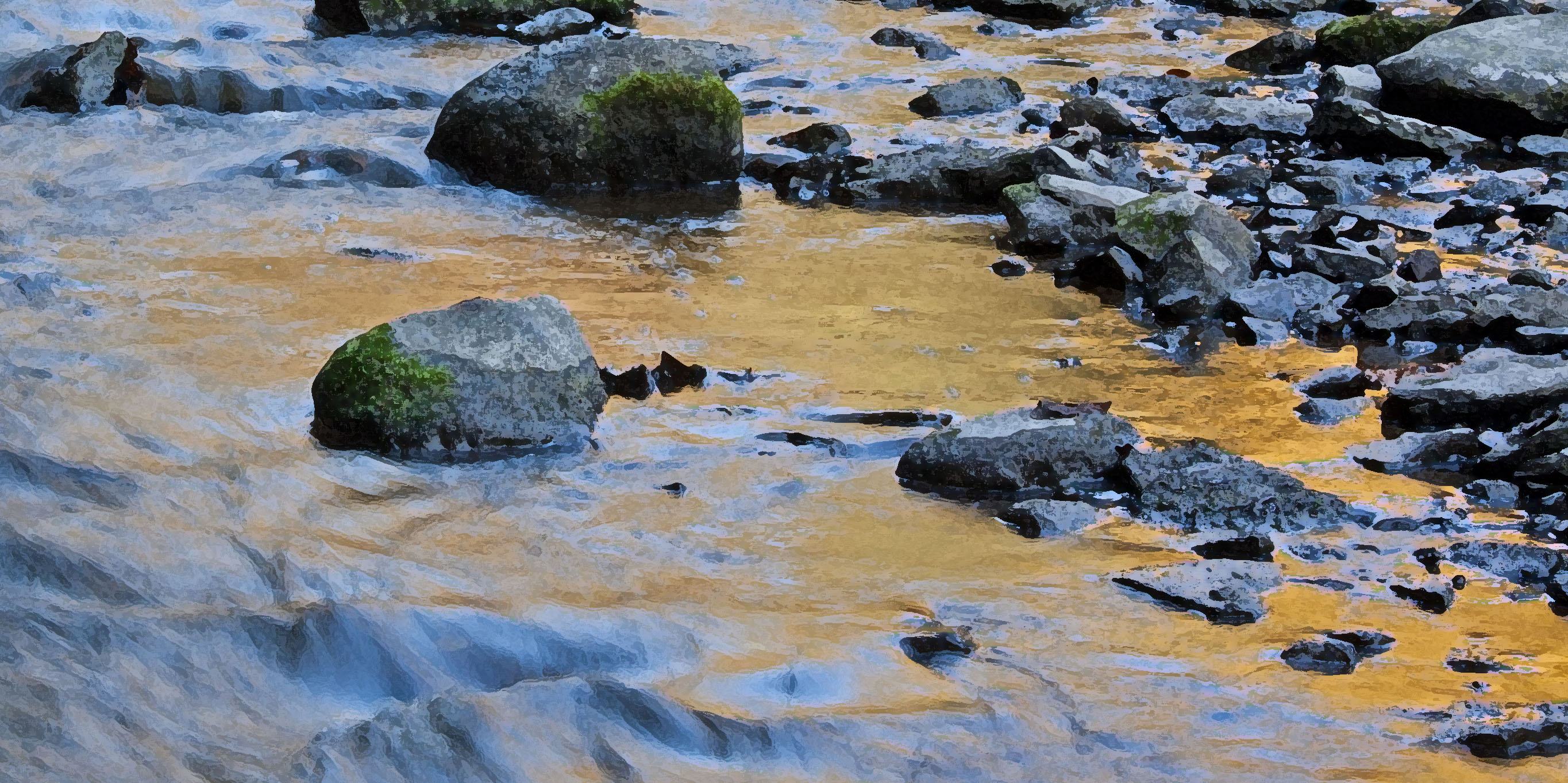
The persistent global impact of leached toxic chemicals from various industrial processes that have found their way into water systems—including rainwater throughout the world—is a far too common story.
.
.
So, regarding the question posed in the title: as a limnologist who has been studying water for over five decades, the answer is unequivocally YES. Recognizing the reality of water bankruptcy as a current phenomenon may help jurisdictions move from enacting insufficient short term emergency actions to adopting long-term strategies that will help reduce irreversible damage and allow us to adapt to a new paradigm. We need to play the long game.
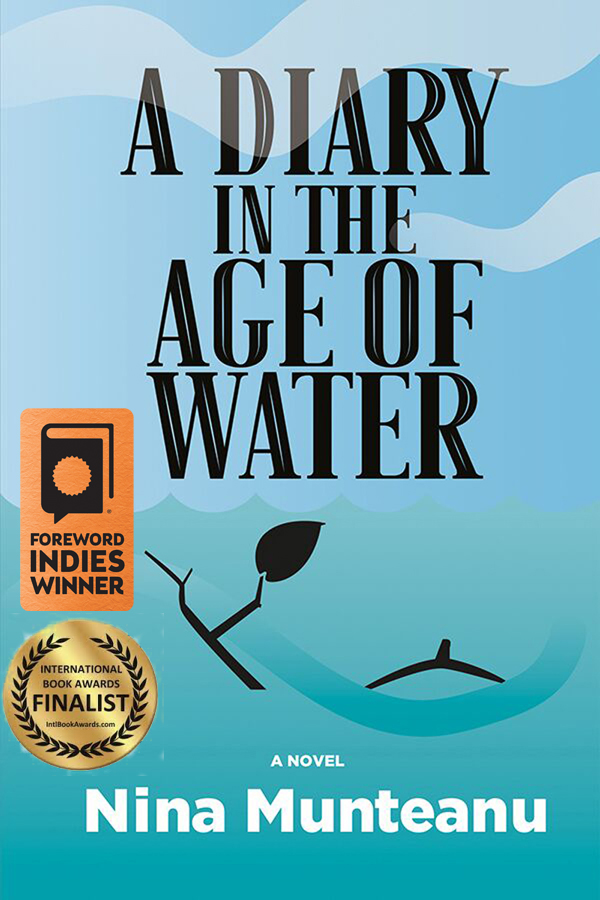
You can read my own take on the growing problem of water shortage and both water’s flagrant disregard and its hoarding by governments, companies, and political individuals in my near-future speculative novel A Diary in the Age of Water. Told through four generations of women and their unique relationship to water—including a limnologist diarist—the novel explores water’s journey during a time of catastrophic environmental change.
.
.

Nina Munteanu is a Canadian ecologist / limnologist and novelist. She is co-editor of Europa SF and currently teaches writing courses at George Brown College and the University of Toronto. For the lates on her books, visit www.ninamunteanu.ca. Nina’s bilingual “La natura dell’acqua / The Way of Water” was published by Mincione Edizioni in Rome. Her non-fiction book “Water Is…” by Pixl Press (Vancouver) was selected by Margaret Atwood in the New York Times ‘Year in Reading’ and was chosen as the 2017 Summer Read by Water Canada. Her novel “A Diary in the Age of Water” was released by Inanna Publications (Toronto) in June 2020.
.
 The Meaning of Water