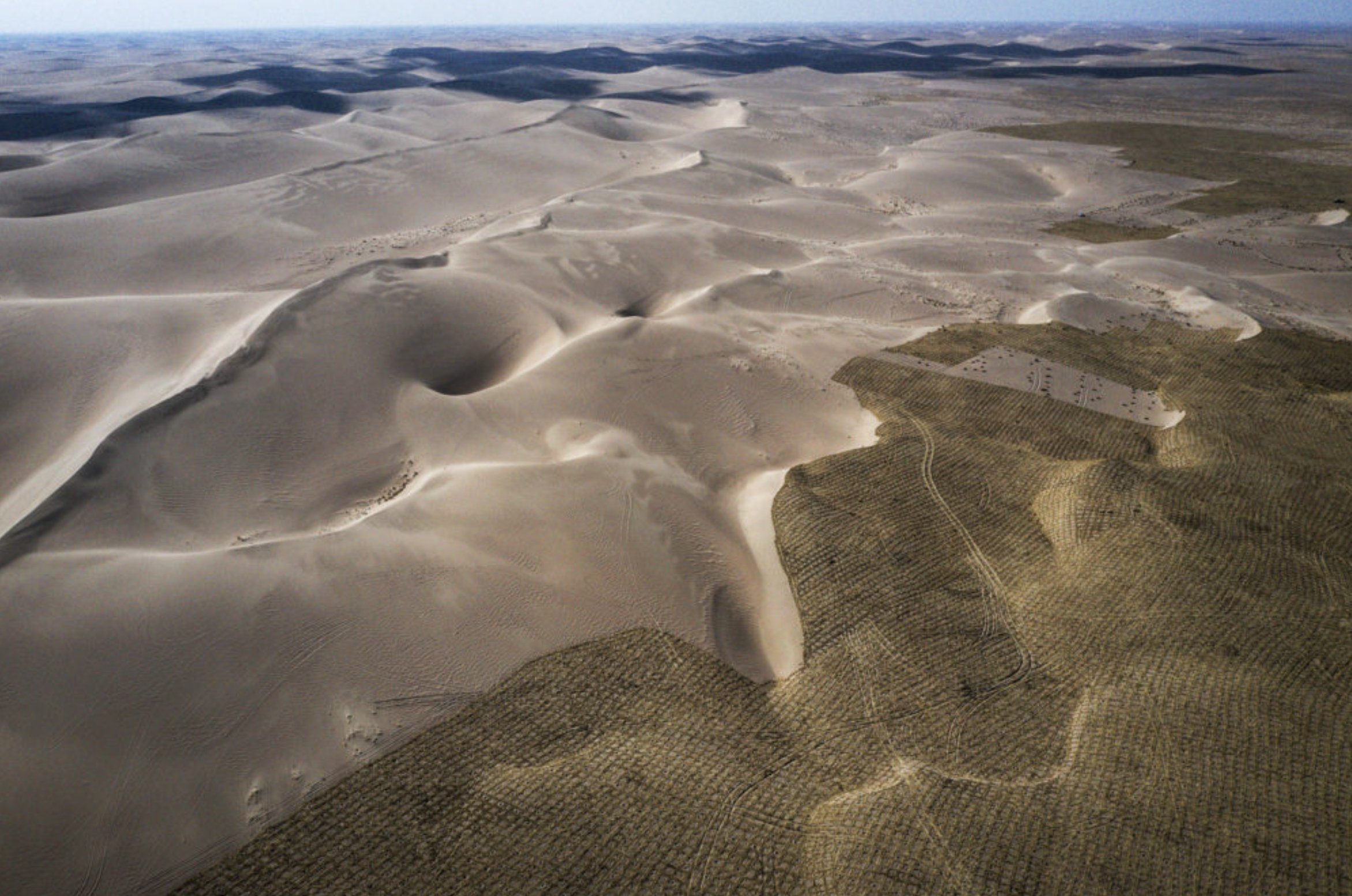
Over the last few decades scientists at the Chinese Academy of Sciences have been experimenting with the creation of biological soil crusts in the Tengger Desert and Hobq Desert of China to reverse desertification in China’s deserts.
Biological soil crusts (BSCs) are essentially a thin layer of living material that forms on a surface, consisting of anything from microalgae and cyanobacteria, fungi, lichen, and moss. These living layers embed in a polysaccharide matrix to cover 70% of drylands and make up to 40% of the Earth’s terrestrial surface. The crust reduces wind erosion by over 90%, preventing sand from blowing away and creating a stable environment where grasses and shrubs can successfully take root. Soil water-holding capacity is increased, which also improves nutrient availability.
.
.
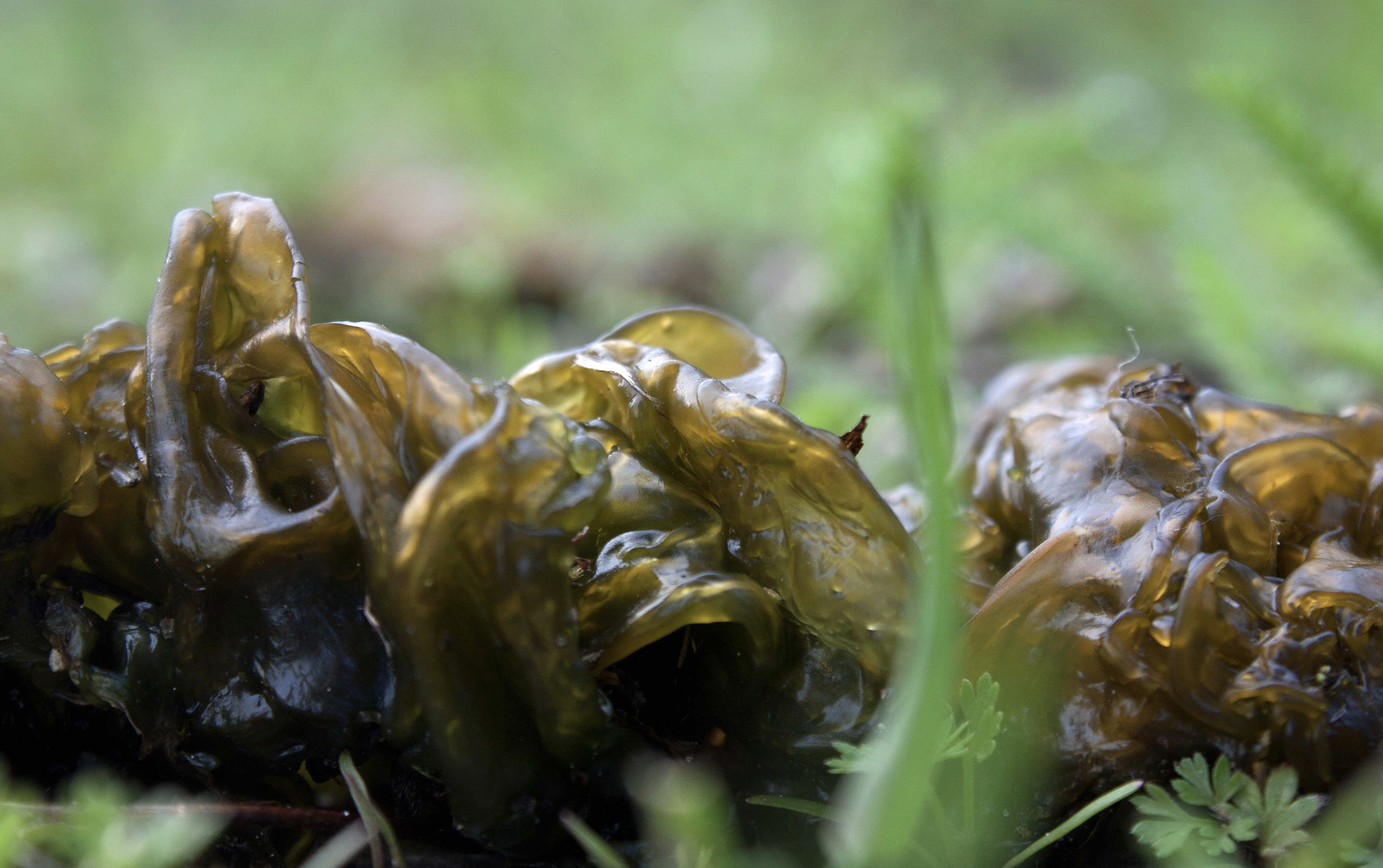
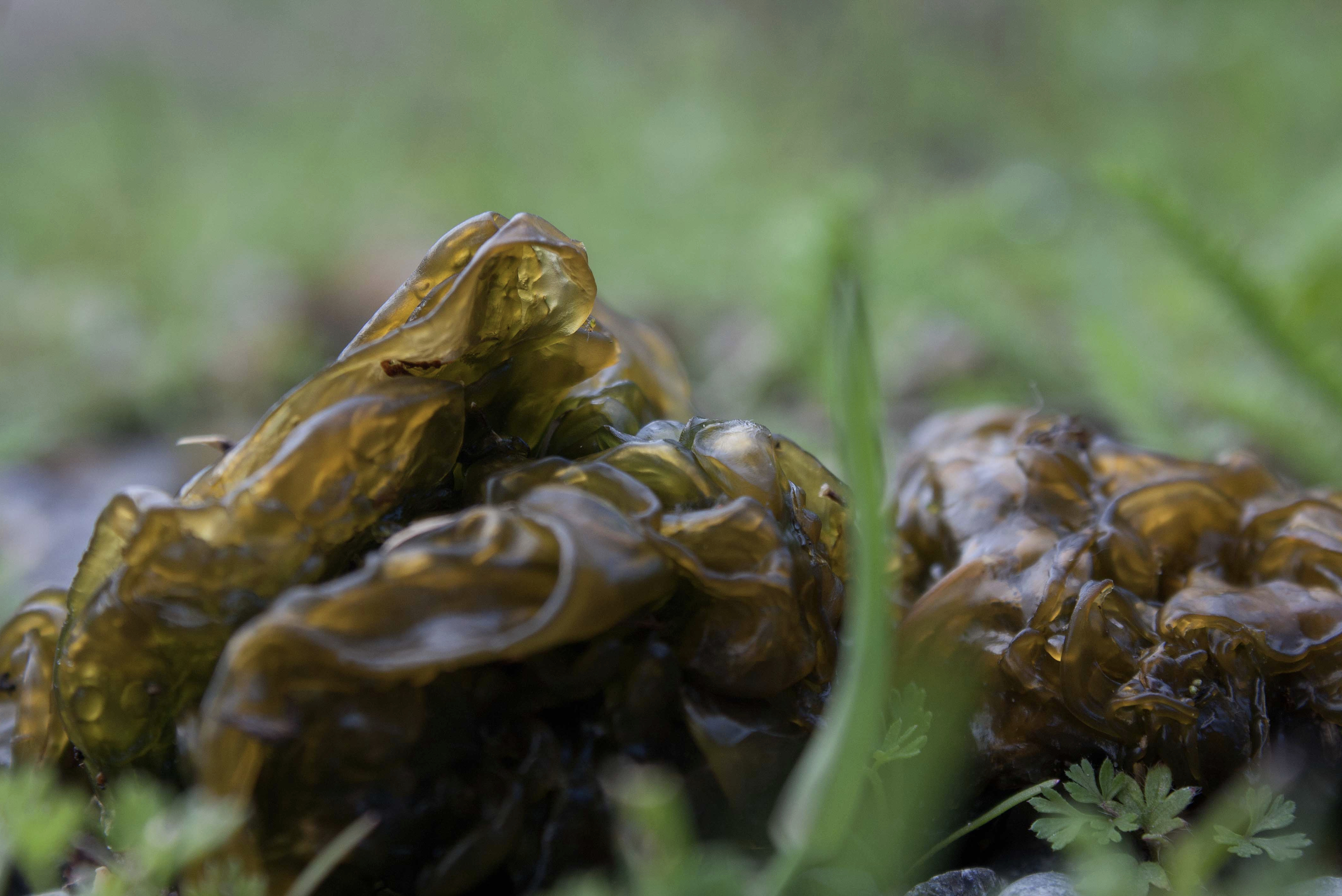
Cyanobacteria (previously known as blue-green algae) are pioneers of BSC succession. The Chinese scientists focused on cyanobacterial inoculation, given its success in accelerating BSC succession from decades to years. The cyanobacteria create a living biological soil crust that improves soil stability, enriches soil nutrients and organic matter, and increases moisture content. The photosynthesizing and nitrogen-fixing cyanobacteria bind loose sand particles together into a thin durable layer and help retain soil water. The crust reduces wind erosion by over 90%, preventing sand from blowing away and creating a stable environment where grasses and shrubs can successfully take root.
.
.
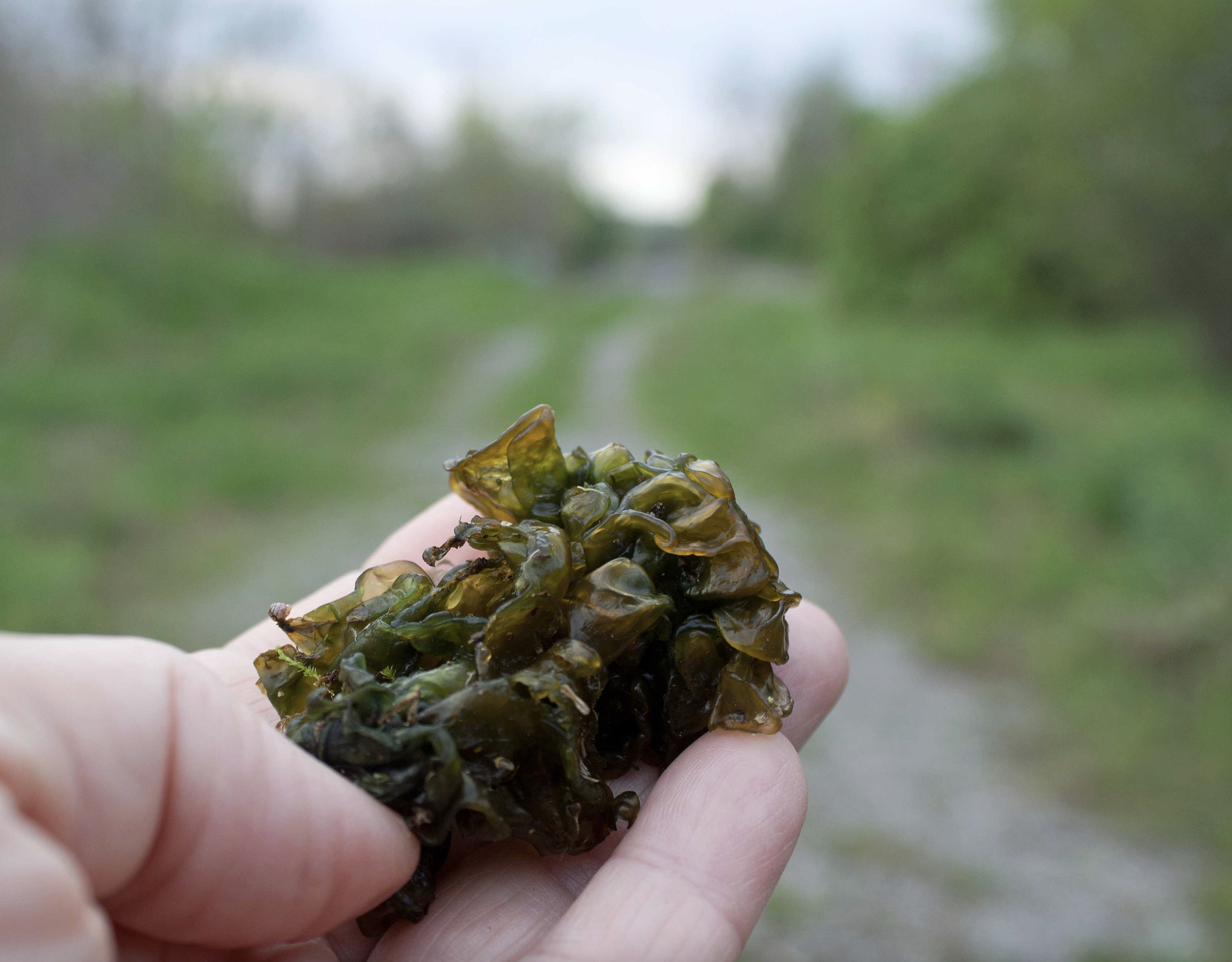
Cyanobacteria play a critical role in primary succession of both terrestrial and aquatic environments; they are among the first autotrophs to colonize barren substrates, forming biological soil crusts (biocrusts or BSCs) and acting as a biofertilizer to engender later plant succession. Nostoc commune is among several cyanobacteria that successfully engage in early succession, creating fertile soils and supporting plant life. In a previous article, I wrote about Nostoc’s amazing properties of resilience and adaptability:
- Early succession colonizer: Nostoc colonizes nutrient-poor sites, forming gelatinous colonies on poor soil or rock surfaces
- Successional dynamics: Nostoc commune helps transition communities to include other species such as Stigonema and may form symbiotic partnerships with fungi and lichen, furthering succession
- Nitrogen fixation: Nostoc contains specialized nitrogen-fixing cells called heterocysts, ultimately adding nitrogen to poor substrates
- Gelatinous sheath: Nostoc’s mucilaginous sheath of polysaccharides and proteins enable it to retain moisture and protect it from high-light stress, helping it survive harsh and dry environments and slowly converting them, in turn.
.
.
The approach by Chinese scientists to use cyanobacteria in forming biocrusts follows an ambitious long-term but less successful strategy to reforest China’s deserts using tree plantations. In 1999, Beijing launched its Conversion of Cropland to Forest Program, sometimes called “grain for green,” and China claimed the program paid more than 100 million farmers across the country to plant trees, ‘restoring’ more than 108,000 square miles of forest. The great green wall project aimed to halt spreading deserts across northern China by planting 100 billion trees by 2050; it was called a “fairy tale” by some ecologists. In fact, that was exactly what it was.
.
.
These efforts were met with major setbacks that included low survival rates for planted trees, groundwater depletion and ecosystem degradation. I remember seeing images of these “green deserts”, early attempts that appeared independent of any knowledge of the intrinsic environment and associated climate and lacked any understanding of the importance of natural complexity. You can’t simply plant trees anywhere and expect them to thrive and do their work—particularly monocrops. I was frankly not surprised to see these endeavors fail.
The Chinese government finally recognized that they needed to acknowledge the natural native ecosystem that best suited these habitats before desertification took hold. They needed to understand that different environments support different vegetative communities; forest plantations (which have their own ecological challenges based on their forest monoculture characteristics) were beyond the water carrying capacity of China’s semi-arid areas.
Canadian forest ecologist Suzanne Simard tells us that ecological processes are very specific to places; is it dry or wet? Inland or coastal? What kind of ecosystem was there originally? She explains that to work with any kind of ecosystem in a really meaningful way to engender productivity “you need to know the place and know it through time … know what belongs together,” something she calls “place-based.” All too often an engineering mindset is used to ‘reengineer’ an environment when an ecological mindset is required for successful restoration.
“Soil processes by their very nature are very slow and happen over thousands of years…The forest is an intimately connected place, it is interdependent; it’s based on these intimate relationships between all the creatures, all the beings in the forest, including the water and the soil and the forest floor and the trees and the animals. They’re all in a relationship and connected together…[and] the energetic centres of the forest are these big old trees, that we call mother trees.”—Suzanne Simard
.
.
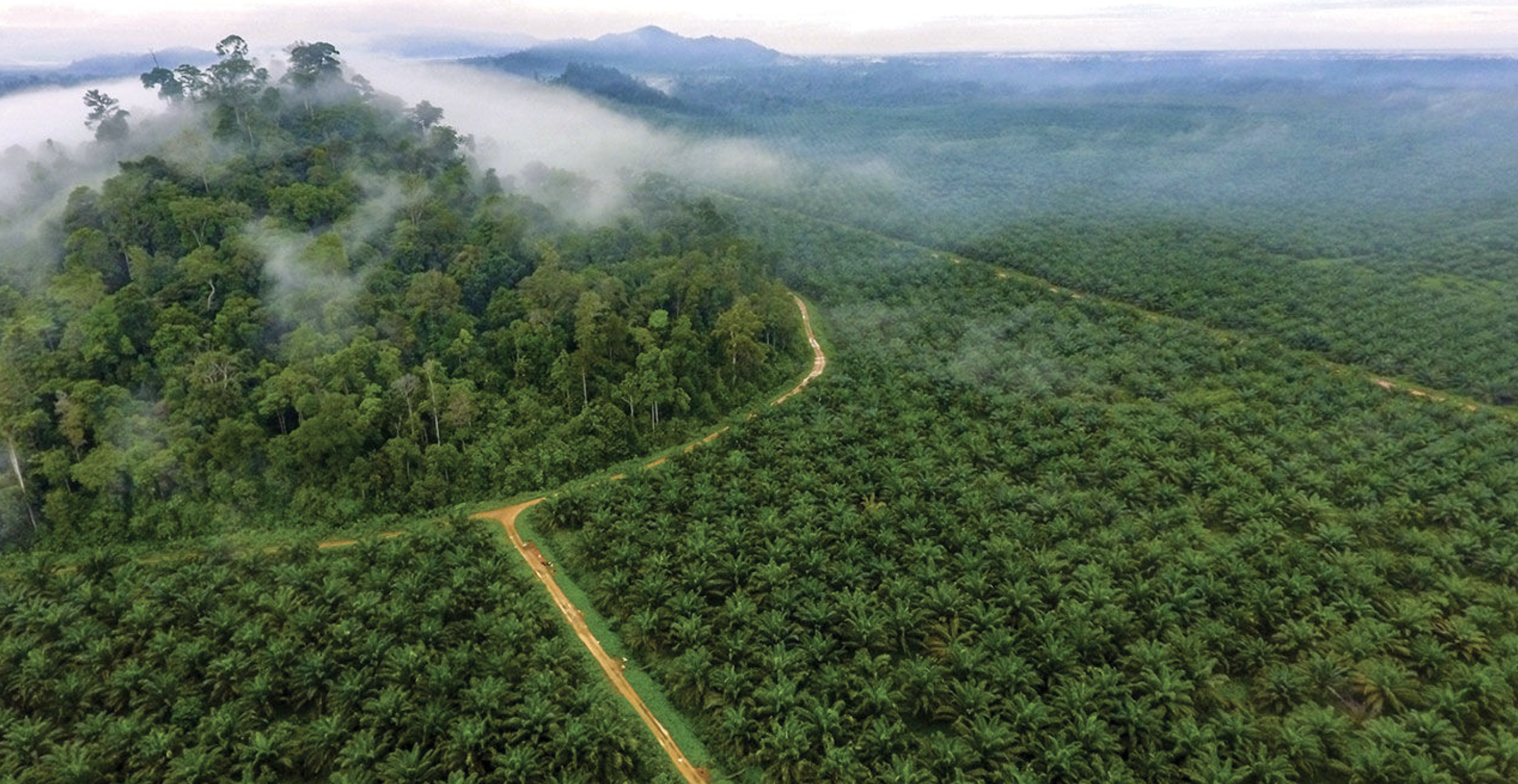
A forest plantation is foremost an unnatural ecosystem—dysfunctional, overly simple, lacking a functional forest floor with rich soil food web and mycorrhizal networks, and prone to ecosystem collapse. A tree plantation normally contains a narrow range of tree sizes and types. These simple forests lack biodiversity and the ability to photosynthesize like a multilayered old forest. Ultimately, they fail for many reasons.
No ecosystem is a static thing; all ecosystems naturally cycle through change and succession. This is Nature’s intelligence working to adapt, change, evolve and continue. Perhaps the Chinese scientists are finally learning this too.
.
References:
Belnap, Jayne and Otto L. Lange. 2003. “Biological Soil Crusts: Structure, Function, and Management.” Ecological Studies Series 150. 506pp.
Deng, S. et. al. 2020. “Biological soil crust succession in deserts through a 59-year-long case study in China: How induced biological soil crust strategy accelerates desertification reversal from decades to years.” Soil Biology & Biochemistry 141.
Simard, Susan. 2026. “The Scaffolding of Life: Cyclical Structures of a Forest. An Interview with Suzanne Simard.” Emergence Magazine. April.
Zhang, Zhihua and Donald Huisingh, 2018. “Combatting desertification in China: Monitoring, control, management and revegetation.” J Clean Prod. 182: 765-775.
.

Nina Munteanu is a Canadian ecologist / limnologist and novelist. She is co-editor of Europa SF and currently teaches writing courses at George Brown College and the University of Toronto. For the latest on her books, visit www.ninamunteanu.ca. Nina’s bilingual “La natura dell’acqua / The Way of Water” was published by Mincione Edizioni in Rome. Her non-fiction book “Water Is…” by Pixl Press (Vancouver) was selected by Margaret Atwood in the New York Times ‘Year in Reading’ and was chosen as the 2017 Summer Read by Water Canada. Her novel “A Diary in the Age of Water” was released by Inanna Publications (Toronto) in June 2020. You can read her just released eco-fiction thriller Gaia’s Revolution by Dragon Moon Press.
.

