Greenonomics recently posted an article on LinkedIn about individual water collection. They asked: What if every rainfall became part of your home’s water supply?
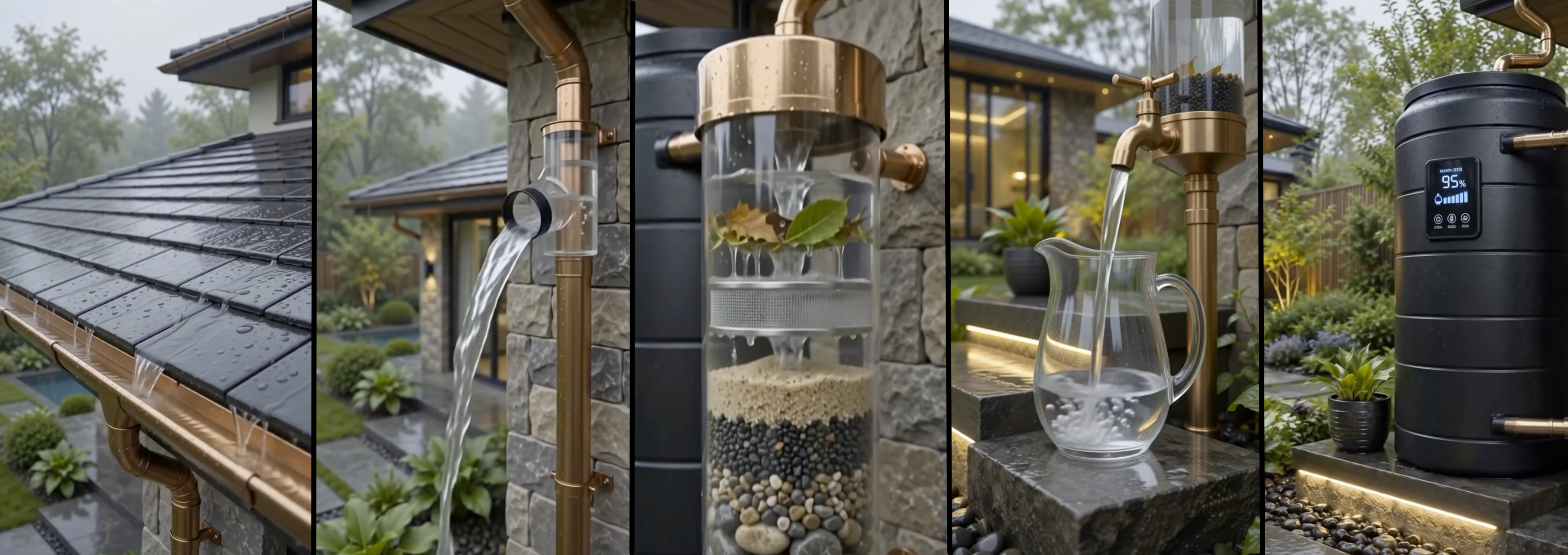
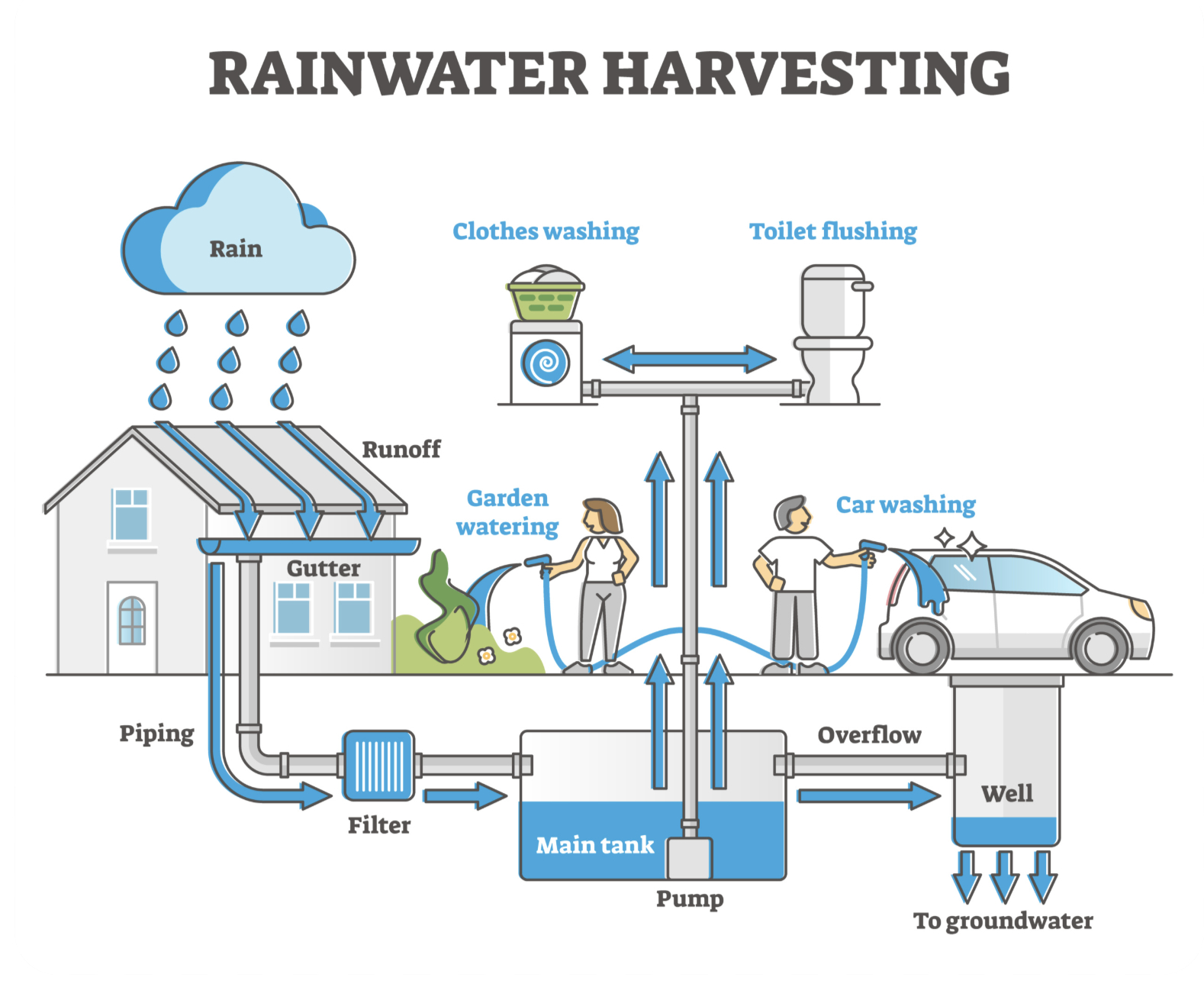
They argued that rainwater harvesting systems can redefine sustainable living by transforming rooftop rainfall into a valuable resource. This would be accomplished through a combination of first-flush diversion, multi-stage filtration, secure storage, and advanced purification. Rainwater could be collected for irrigation, laundry, toilets, and—where regulations and treatment standards allowed—for potable use.
.
.
Decentralized water systems aren’t just smart engineering, they argue: “It’s a smarter relationship with water.” As water becomes more unruly with a warming planet (e.g. droughts, floods, storms, etc.) water collection and treatment can play an important role in a community’s resilience.
Capturing rainwater where it falls can help reduce pressure on municipal supplies, lower water bills, and decrease storm-water runoff. According to Greenonomics, a sustainable home will consume less water by harvesting water, recycling it, and reusing it wisely.
.
Living sustainably is living independently. There is power in that lifestyle.
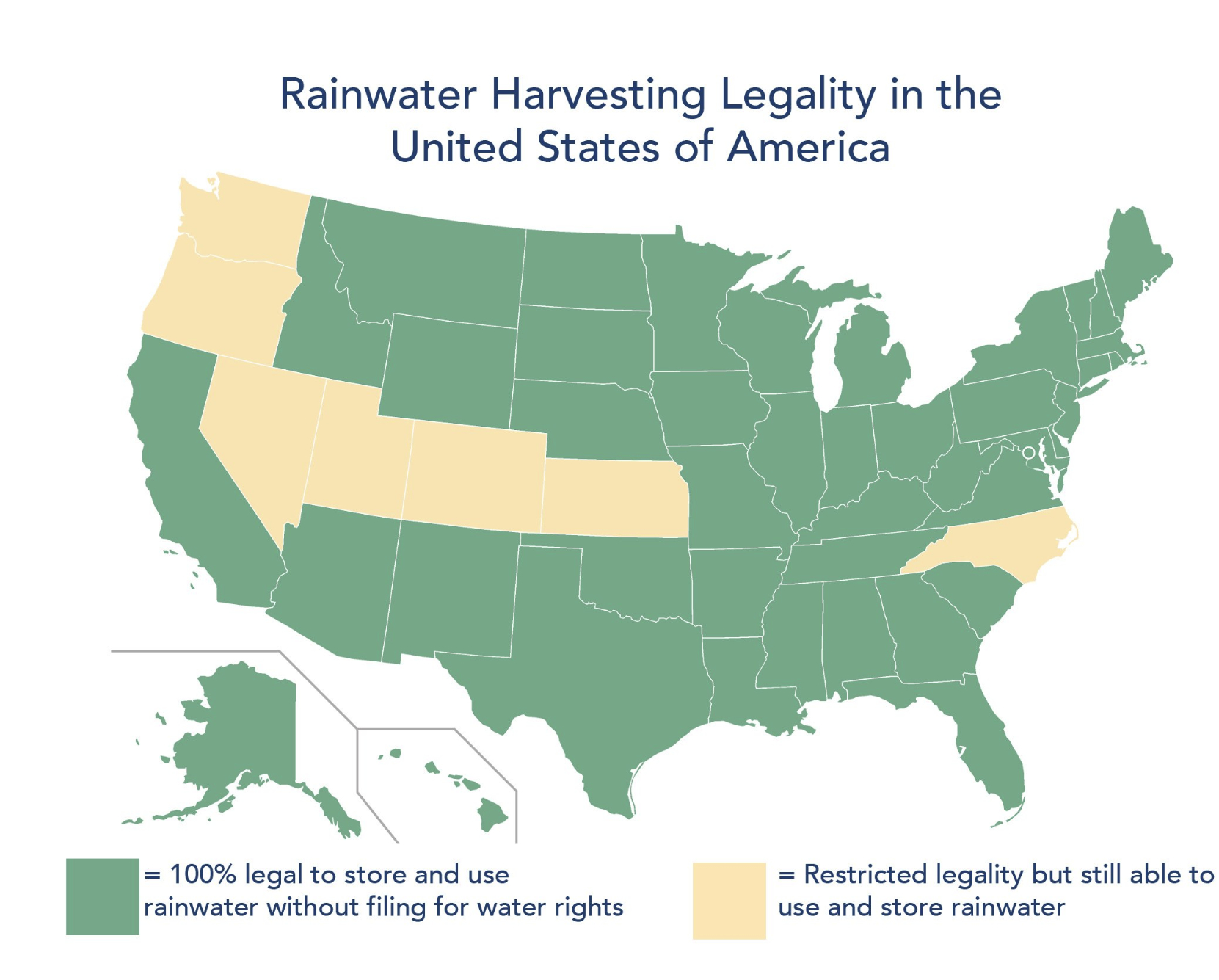
Despite the logistical probability of this practice, some jurisdictions currently restrict water collection by property owners.
Seven states in the United States restrict rainwater harvesting. These include Arkansas, Colorado, Kansas, Nevada, Oregon, Utah, and Washington. In most cases, a permit must be obtained with type and amount of collection stipulated and enforced. Most of these jurisdictions restrict harvesting to only rooftop collection and to non-potable applications. Colorado, Utah, Nevada, Illinois, and Arkansas heavily restrict homeowners from harvesting and using rain that falls on their property. In Colorado, it is illegal to harvest rainwater except for up to 110 gallons of rain barrel storage strictly for outdoor property needs.
Colorado’s 120-year old law “implies that rainwater harvesting is illegal since that rainwater could flow downstream into someone else’s water supply, which would be taking from them if one collected the rain.”
.
Collecting rainwater is legal in Canada. In British Columbia, rainwater belongs to no one and everyone until it is captured. Landowners’ right to harvest rainwater is unrestricted and not subject to concerns of downstream water users.
.
.
What if this changes in the future as choices for water become critical?
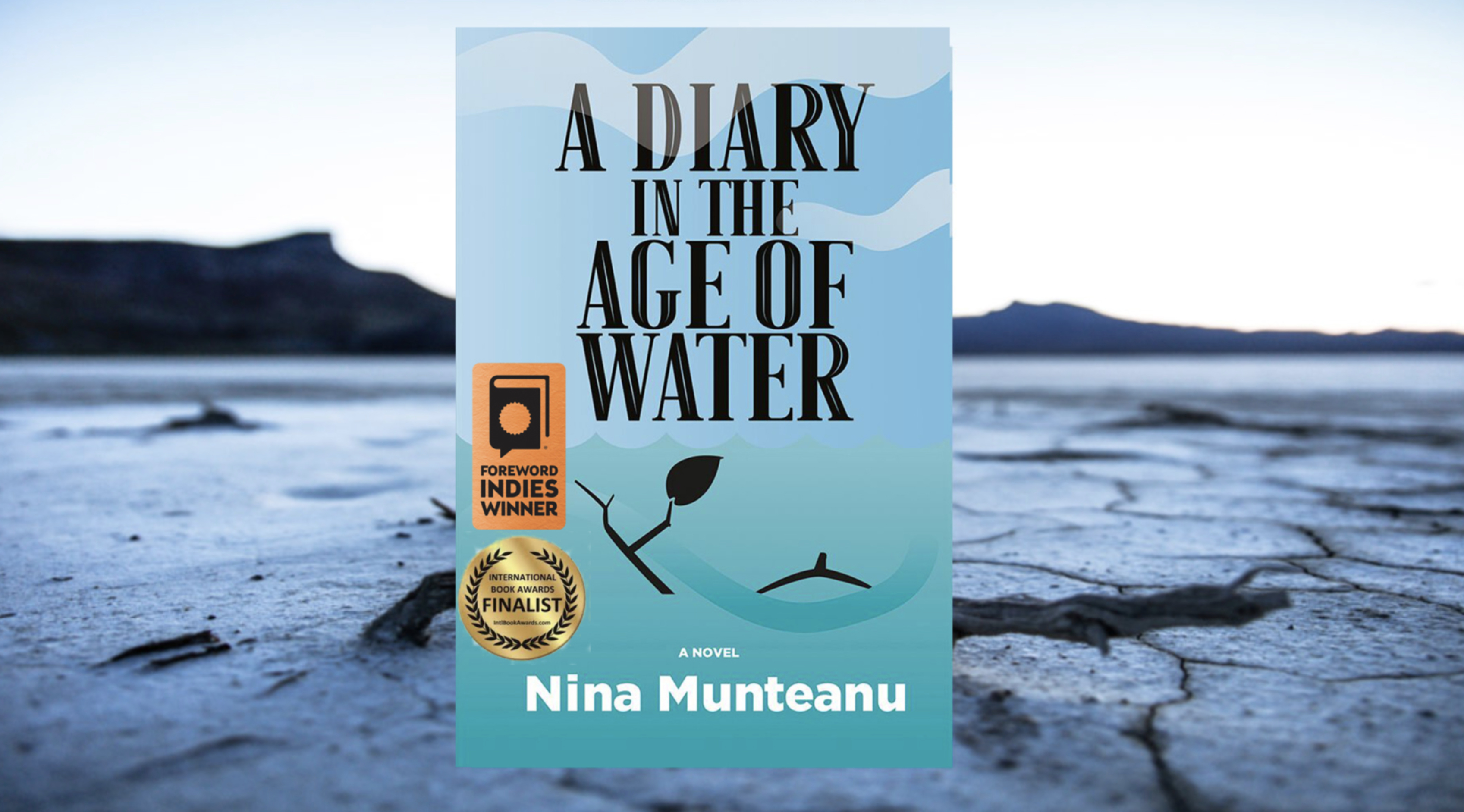
In my eco-fiction novel A Diary in the Age of Water, Lynna, the diarist, secretly catches rainfall on her property in Shaw Street in Toronto. She builds a rain catcher and cistern on her property. In this future Canada, run by the ruthless national water utility CanadaCorp, water is severely rationed, even as it is freely exported to its southern neighbour and elsewhere, and collecting water is forbidden.
The year I went to visit the ocean with my mother, CanadaCorp became the Canadian arm of the WMA. Soon after, they nationalized Canada’s water supply and utilities. The first thing CanadaCorp did was impose a daily house quota of 30 litres/person and a stratified water use tax … Overnight, Canadians were forced to reduce their daily water use from 300 litres a day to 30 litres a day. People had to rethink their daily activities—from staying hydrated to flushing their toilets.
In 2048 Canadians are forced to get their water from the public iTaps using their wCard with water credits, equivalent to $20/litre. By 2049 a ceiling of 3 litres/day is imposed on individual Canadians.
At great risk from the law, Lynna proceeds to collect water on her property, using the wily skills of her mother, Una.
Una always seemed to follow the thalweg. She seemed to always know what water was doing. Even when it braided and curled in on itself. Even when human-made obstructions got in the way; like the increased water tax, followed by the severe water-use quota. Like water, Una found a way around it.
Una fixed things. In Toronto, where I grew up, she used to run a small business called “Mom, Fix It.” She fixed old things that people found valuable again, trading and restoring. As I played with friends in Christie Pits, she cycled from house to house in her converted bicycle, doing odd jobs. She sewed, did plumbing, fixed and restored furniture; she even restored old books. People started bringing all sorts of things for her to fix: even their cats or dogs. She became something of an urban shaman, a medicine woman for a world that didn’t know itself anymore.
She kept a small organic garden. She watered it with a jury-rigged irrigation drip system that used collected rainwater and grey water from the house.
When I was eleven, she sold the house and we moved to the Eastern Townships, where she was originally from, because, “soon the city won’t be a good place to live.”
We lived in her grandmother’s small farmhouse in the country on the outskirts of the town of Magog, where it smelled of manure, wild flowers and lilac. I cycled for an hour to school…
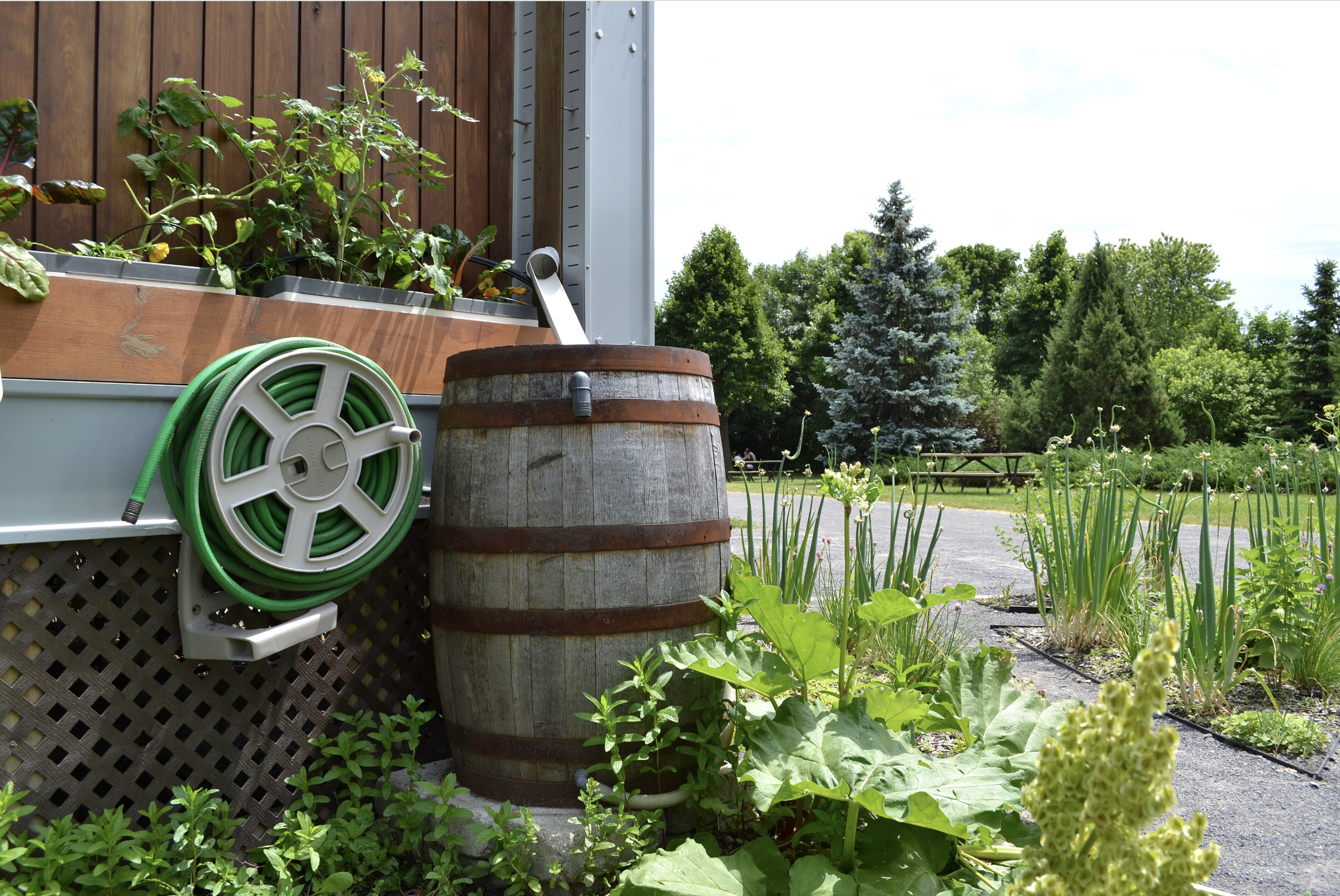
We lived off the grid: on solar power, rainwater and a productive garden. She rigged the down spouts of the farmhouse roof into a set of 65-gallon rain barrels and a huge underground cistern, capturing over 75 thousand litres of rainwater every year. Together, the system stored over 1500 gallons. This was more than enough for our household of two people, five chickens and a cat. She used the harvested rainwater and the grey water she stored—both rich in natural minerals and nutrients—to water our organic garden. We showered using a 5-gallon solar shower bag that she’d rigged above the bathtub. Sunshine from the slanted window above heated our shower water all year.
.
.
References:
Duke, Katie (2014). “Ownership of Rainwater and the Legality of Rainwater Harvesting in British Columbia”. Appeal. Retrieved 2016-03-29.
Munteanu, Nina. 2020. “A Diary in the Age of Water.” Inanna Publications, Toronto. 328pp.
.

Nina Munteanu is a Canadian ecologist / limnologist and novelist. She is co-editor of Europa SF and currently teaches writing courses at George Brown College and the University of Toronto. For the latest on her books, visit www.ninamunteanu.ca. Nina’s bilingual “La natura dell’acqua / The Way of Water” was published by Mincione Edizioni in Rome. Her non-fiction book “Water Is…” by Pixl Press (Vancouver) was selected by Margaret Atwood in the New York Times ‘Year in Reading’ and was chosen as the 2017 Summer Read by Water Canada. Her novel “A Diary in the Age of Water” was released by Inanna Publications (Toronto) in June 2020. You can read her just released eco-fiction thriller Gaia’s Revolution by Dragon Moon Press.
.

