Water is all-powerful. It is the chief instigator and driver of climate and climate change. Water quenches our thirst. Water heals our bodies and the land. Water flows everywhere. It flows underground, on the surface of the land and in atmospheric rivers far above us. Water courses through root, stem and tissue to nurture all life. Water also destroys and kills. Floods. Draught. Storms, tornadoes, and hurricanes. These are all water-driven phenomena. And a common result of one thing: unbalance.
Climate change—the largest existential planetary challenge today—is driven by water. The lack of water. Too much of water. Water’s unruly unbalanced behaviour.
.
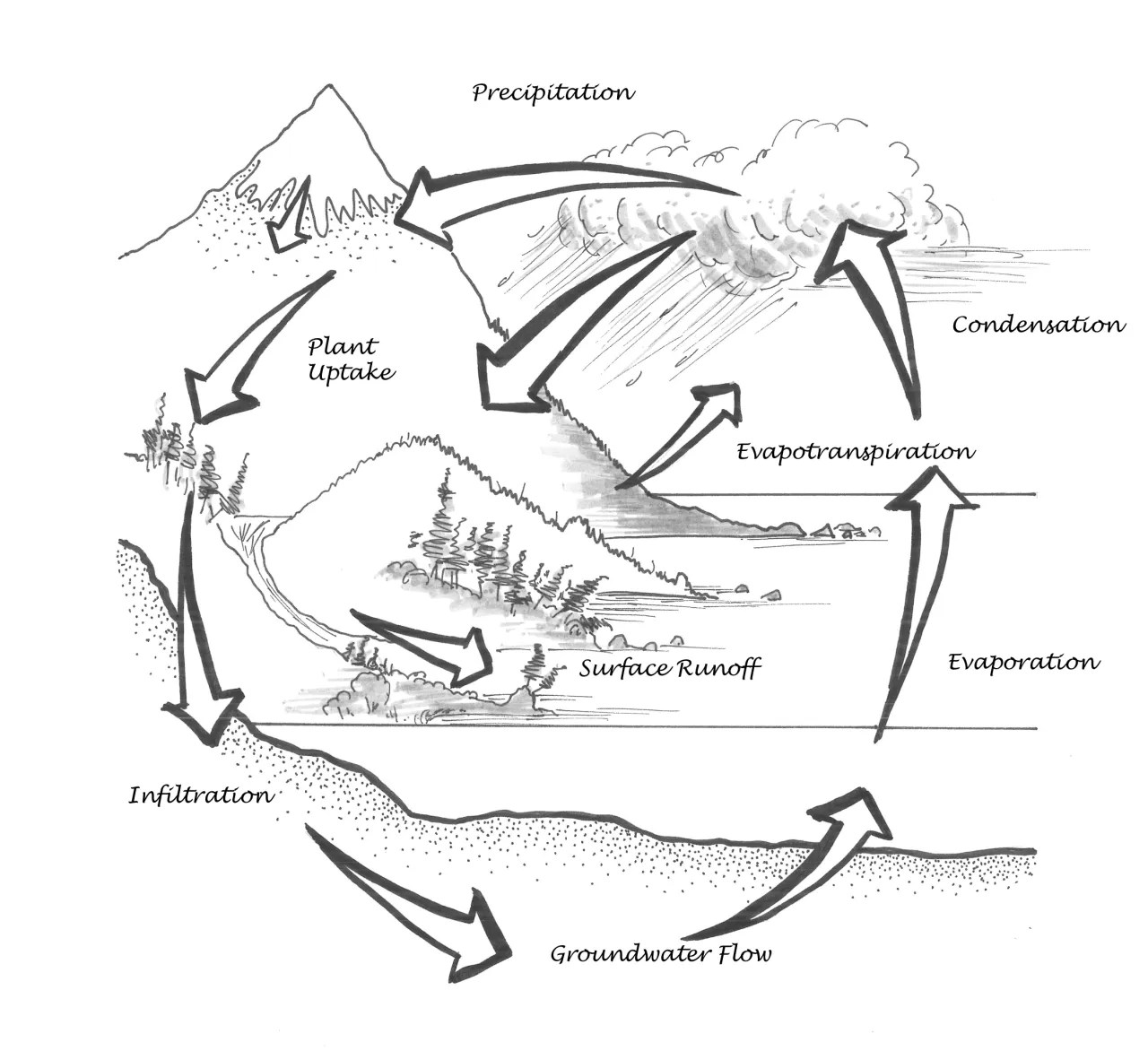
Humanity Is Unbalancing the Water Cycle
At the root of humanity’s disruption of the water cycle is our poor understanding of how we influence it. Our connection to water has quilted the world with unique stories of developing and flourishing civilizations. The oldest civilizations sprang from the fertile floodplains of some of the world’s greatest rivers: the Tigris and Euphrates, the Indus, the Yangtze and Yellow, the Ganges, and the Nile. From the nomadic tribes of our ancient peoples to our modern global network, rivers and their watersheds reflect our evolving relationship with nature.
A river’s story is a story of its people. That relationship has been by turns cooperative, utilitarian, abusive, and disastrous. “Our struggle to control [water] has been behind the rise and fall of some of the greatest civilizations on Earth,” says geologist Iain Stewart. Some societies have successfully and sustainably adapted to water’s rhythms; others, like the ancient Khmer Empire of Angkor, “conquered” water’s rhythms to suit their needs—then collapsed from that very success.
.
.
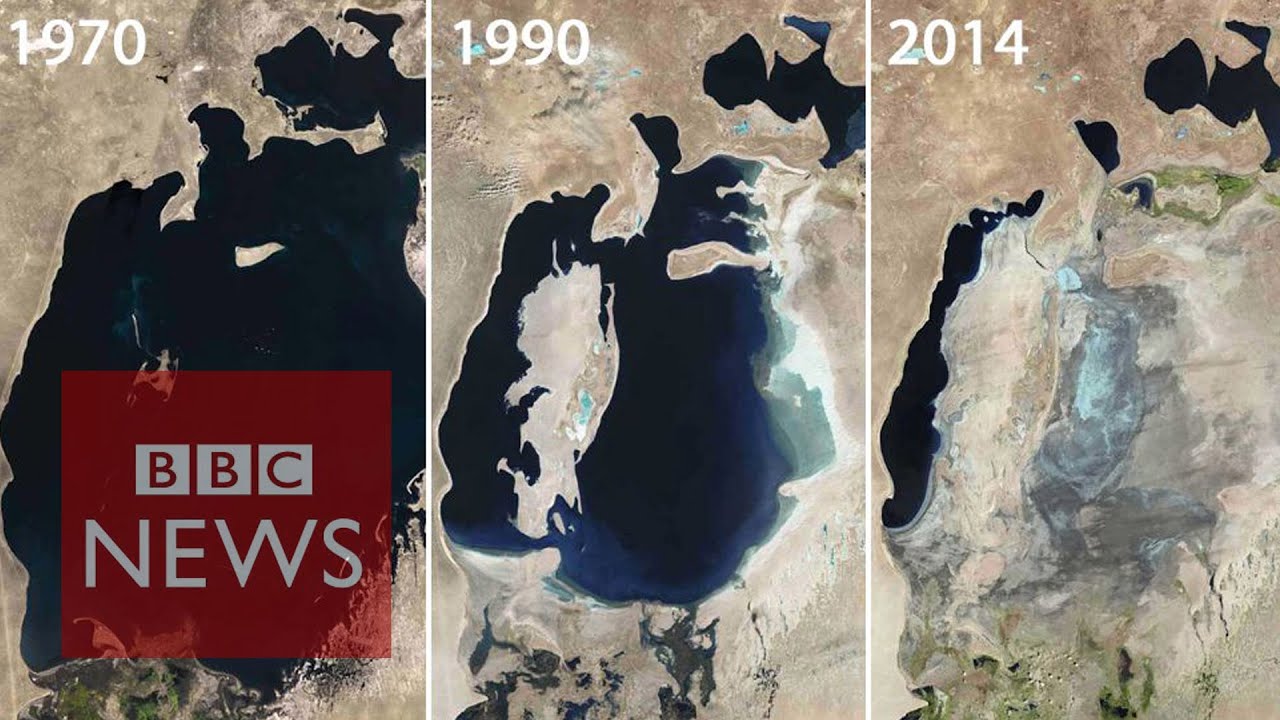
We influence the water cycle as a society and as individuals, from creating large-scale diversions to choosing to drink bottled water instead of tap water. Massive water diversions and the over-exploitation of surface and groundwater have been the hallmark of explosive populations throughout the world for millennia. Angkor flourished for six centuries through the ingenious water collection system of the Khmer, but the deforestation and desertification it caused eventually collapsed the empire. The more recent desertification of the Aral Sea basin—reducing what was once the fourth largest lake in the world into a mud puddle through massive diversion and aggressive extraction for commodity exports—represents one of the world’s greatest ecological disasters, one precipitated entirely by humanity’s actions, which have in turn greatly affected the local climate and hydrological cycle.
We unbalance the water cycle chiefly through water removal and diversion (piping water for agriculture, hydrating a city in drought, exporting the water by the bottle and through commodities in the form of fruits and vegetables). We disrupt a watershed’s capacity to safely and effectively retain water by changing or removing vegetation, draining wetlands, and creating impermeable surfaces through development. We’re effectively stealing water and creating unbalance; all because we lack understanding of ecological consequences—or simply don’t care (which isn’t just sad; it also indicates a lack of wisdom).
.
Impact of Agriculture on the Water Cycle
Prior to the arrival of large-scale agriculture in the 1800s, the cover of native grasses, swamps, wetlands, and woodlands have maintained a water balance through infiltration, reduced soil evaporation, increased soil moisture status, and trapped snow. Nineteenth-century agriculture has left the land bare during the spring runoff period, promoting massive erosion, flooding, nutrient depletion, and micro-climate changes. Huge diversion projects to irrigate vast monocrops are major disturbing forces to regional hydro climate cycles. At the very least, regional temperatures and precipitation/humidity are affected. Redistributing vast volumes of surface water in these massive diversion projects change land-atmosphere energy balances and impact the water cycle in many ways. Stresses to ecosystem include straining local aquifers, reducing downstream river flows, causing salinity spikes, and increasing greenhouse gas emissions.
.
.
The best example is the massive Soviet irrigation project that involved diverting feeder rivers from the Aral Sea to grow cotton in the desert. This once massive sea, half the size of England, simply dried up. The local climate changed, no longer regulated by the large body of water. The Aral Sea, like all great water bodies and their associated vegetation, had provided a buffer for seasonal temperature fluctuations, buffering the winter storms from Siberia. The climate took on an edge and became unruly with a vengeance. High winds now sweep up to 100 million tons of toxic salty dust annually from the exposed bed. Local climates of Central Asia are altered; winters are colder and summers hotter and drier.
.
.
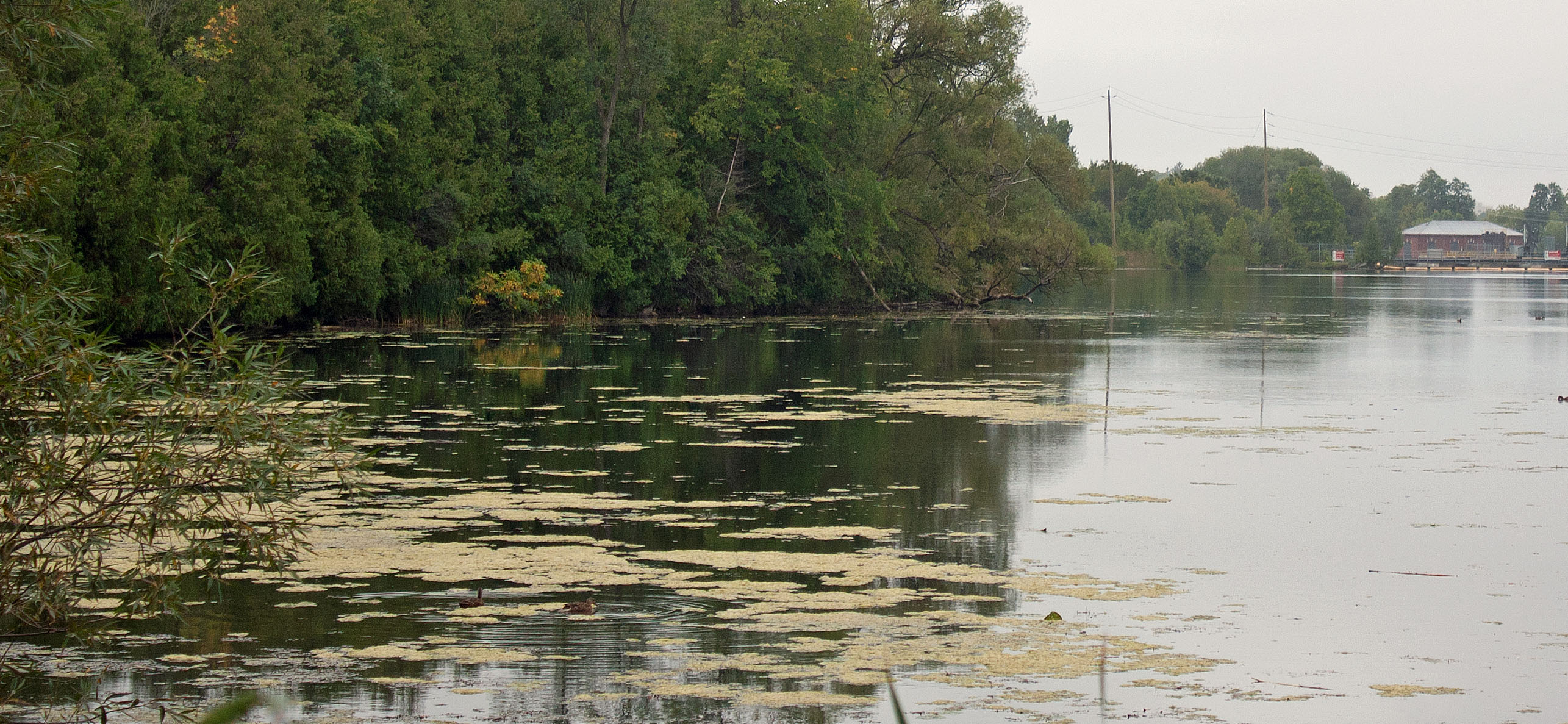
Watercourses may also be polluted with too many nutrients through mismanaged fertilizers—causing advanced eutrophication. The monocrop industry, along with its heavy reliance on pesticides, has contaminated watercourses with toxic compounds that are destroying aquatic life all over the world.
.
Unbalanced Wetlands
.
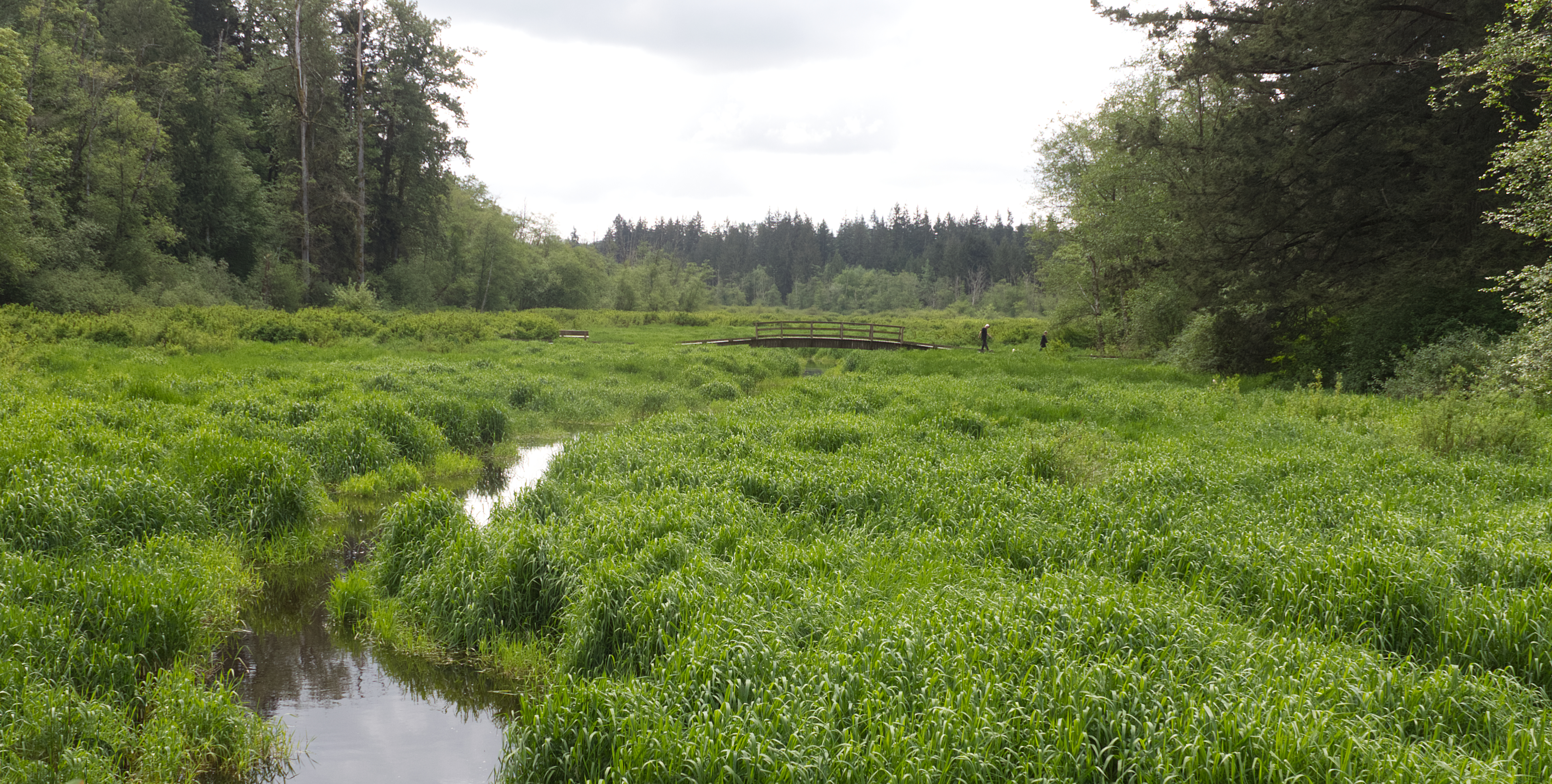
Wetlands have been reduced on the planet by close to 50 percent in the last two centuries, mostly for agriculture and urban development. Estimates in Canada are up to 70%. Given the role that wetlands play in improving water quality and balancing runoff and discharge, these shifts are significant. Surface drainage for agriculture uses have notably increased annual runoff, storm runoff volume, and peak discharges. Straightening main channels has increased peak discharges. While some current agricultural practices, such as summer fallow and minimum tillage, have reduced the increased runoff of nineteenth- and twentieth-century farming practices, the landscape remains transformed.
Aside from the obvious ecosystem services wetlands provide—such as nursery for wildlife, flood control, pollution filter, storm buffer, sea level rise mitigation), they are a major carbon sink, storing carbon for hundreds of years. Wetlands play an important role in maintaining the hydroclimate balance.
.
City Water Unbalance & Urban Runoff
.
The moniker of modern and postmodern era cities has been to cut down trees and engineer “efficient” sprawling cityscapes across veined flood plains—with total disregard to the natural flow of water. Modernist and postmodern architects and engineers “vanquished” Nature, trained the water and sealed the natural environment—vegetation, soil and groundwater—beneath a cap of asphalt, cement and other impervious surfaces. Large rivers and their tributaries—perceived as simple conduits of surface water—were forced into channels that collected and brought water where it was needed—usually in efficient straight lines (not the natural flow of water). Unwanted water puddles were efficiently removed through channelization. Everything made neat and tidy.
The intimate connection of water to its landscape, vegetation and great canopies of trees that once absorbed seasonal torrential rains was not recognized. Groundwater’s need to recharge and its role as a filter was not recognized. The role of the water cycle in the wellness of humanity and our entire planet was not recognized. It is this cycle that the post-modern city has interrupted. With great cost.
Perhaps one of the greatest failings of our school system is that we do not learn this great lesson: that the entire water cycle—from regional to global—intimately connects sea to air to land and ground. Disturb one aspect of that cycle and you disturb the entire cycle. That’s what a cycle is: a whole made of wholes; all connected in a single operating system. There is perhaps no place where we interrupt that cycle more than in the very heart of our cities.
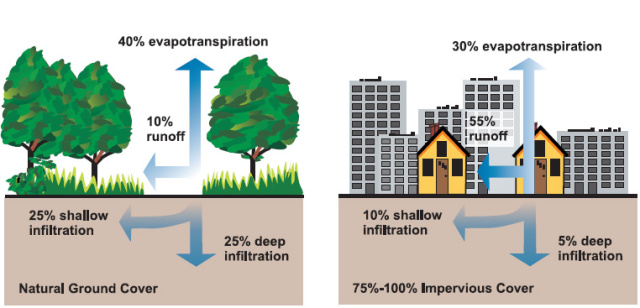
Urbanization changes the local hydrological cycle, mostly through decreasing natural vegetation cover and increasing impervious surfaces. The effect is catastrophically compounded as infiltration of water into the ground decreases, because it can’t get there or it rushes too fast. Less vegetation to softly absorb rainwater results in shorter travel time between water phases and less evapotranspiration back into the atmosphere. This all increases the volume and intensity of runoff while decreasing groundwater recharge.
Our frantic urban pace has spawned a frantic water pace.
Relationship of City Trees & the Urban Forest to The Water Cycle
.
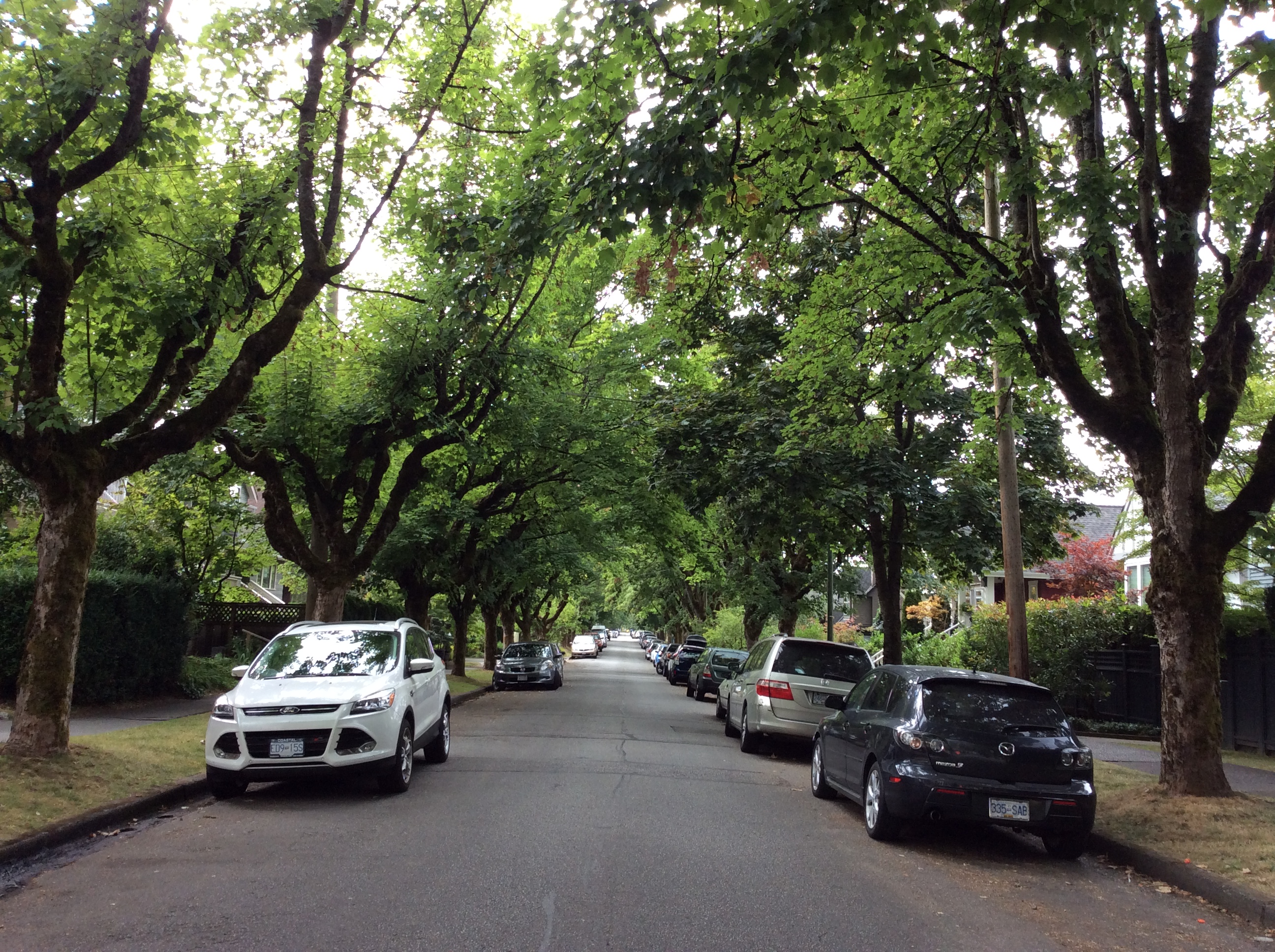
Trees regulate the water cycle, particularly with stormwater absorption and flood reduction. Aside from obvious benefits provided by shade and the reduction of heat islands, trees contribute to climate resiliency, capture carbon and help reduce greenhouse gas emissions. A single tree can soak up to 22 kg of carbon dioxide in a year and produce enough oxygen to sustain two people over that same time. Their root systems help against erosion and help consolidate the soil to more effectively retain water and prevent slopes from slumping.
Trees make rain. Less trees; less frequent rain.
.
.
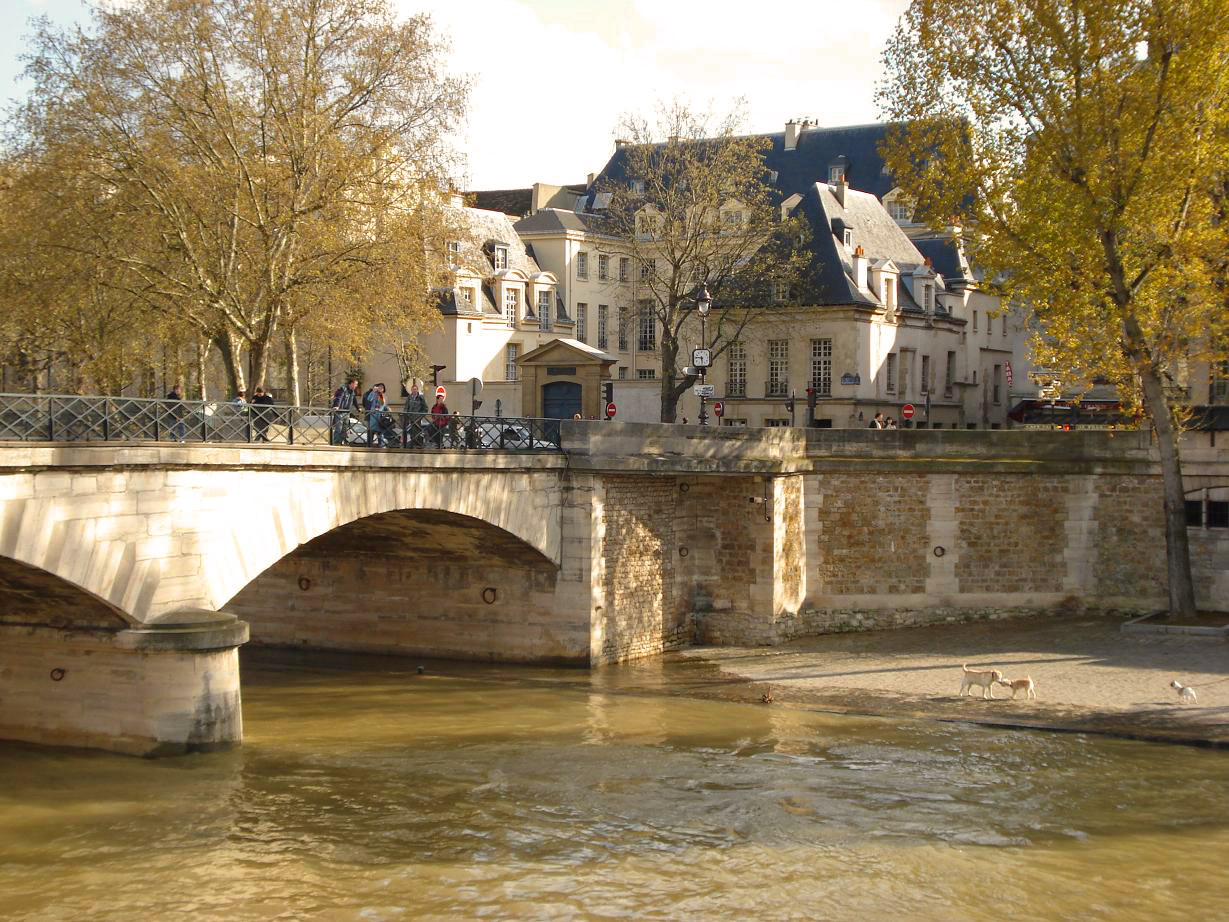
In an area with high impervious surfaces and lack of trees, water—when it finally comes—is unruly. It rushes like a banshee on a rampage, overwhelming the capacity of a city’s drainage systems and causing flash floods, storm surges and overbank flooding. The city is literally in a drought-flood scenario. Impervious surfaces (like rooftops, streets, parking lots and driveways) lower the water table and promote frequent floods. Runoff from impervious surfaces also picks up all kinds of nasty chemicals (e.g., heavy metals and PAHs).
.
Trees Are Water’s Best Friend
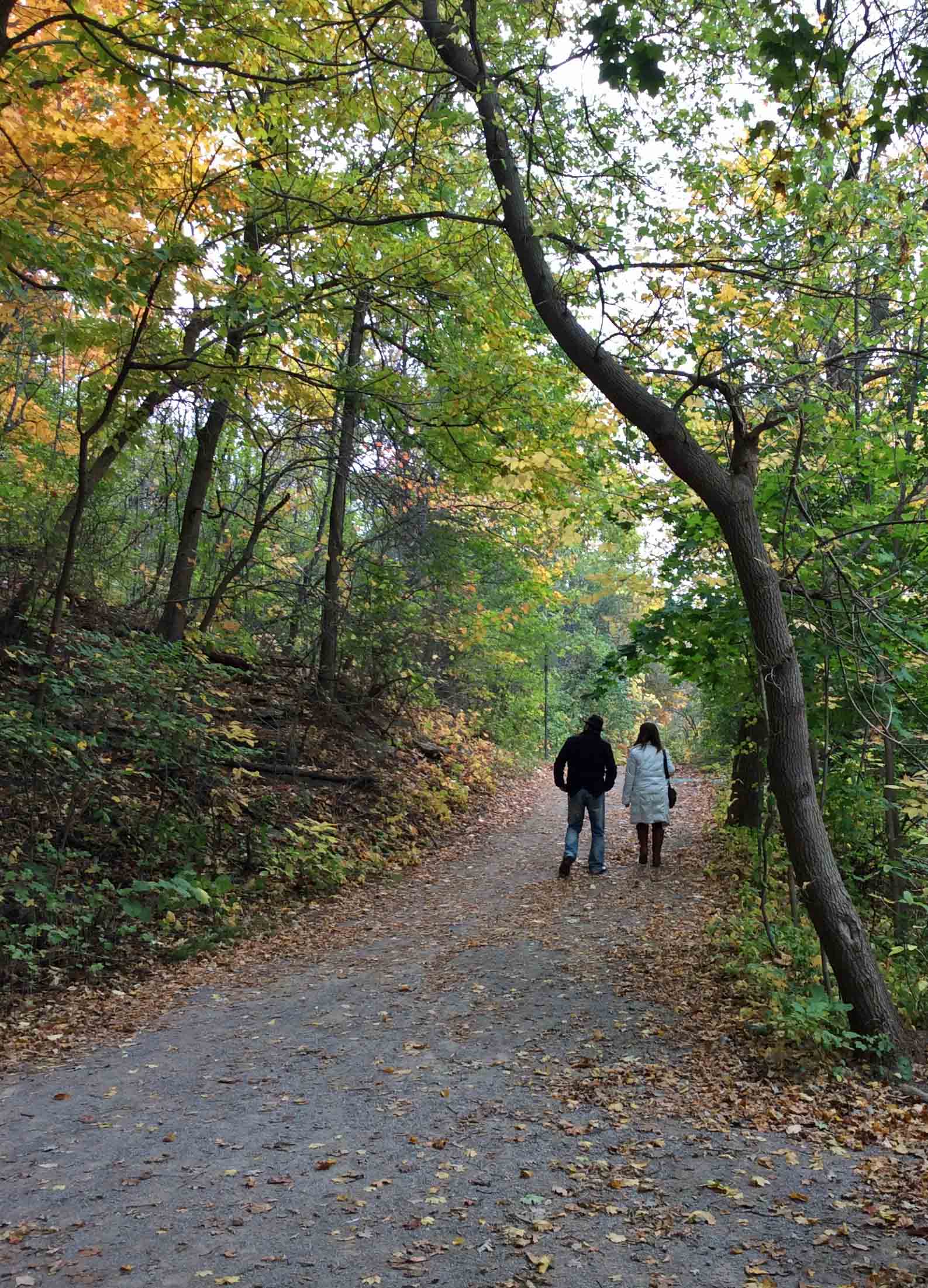
Trees form a natural buffer on any landscape. Functional forests effectively allow a downpour to reach the ground gently rather than in a torrent. Because trees help regulate the natural cycling of water to and from the earth, the removal of trees and vegetation exacerbates the intensity of rain events. These will overwhelm the capacity of a city’s drainage system and cause flash floods, storm surges, and overbank flooding. Impervious surfaces (like rooftops, streets, parking lots, and driveways) promote floods and lower the water table. Water rushes like a banshee on a rampage as drought-flood cycles develop. Most municipal storm sewer systems discharge untreated storm water into streams, rivers, and bays. The excess water can also flow into people’s properties through basement backups and seepage through walls and floors.
Urban forest trail in Streetsville, ON (photo by Nina Munteanu)
.
Keeping The Water Cycle Balanced
.
The study of ecology is chiefly about relationships and balance. Ecologists look at how relationships, processes, input-outputs and so on balance each other in an ongoing march of stable chaos. Predation. Competition and collaboration. Symbiosis. Adaptation. Water flows through it all, balancing everything including its own flow and changes from vapour to liquid to solid and back.
We like to think—engineers, planners, technologists—that we sufficiently understand the service environment* to engineer, design, alter and ‘improve’ the world for our singular use (emphasis on singular). And, somehow, in our eagerness to change and manipulate our world using artificial substitutes, we have succeeded in unbalancing almost everything in our natural world.
Design professionals remain chained to a hubristic anthropocentric worldview with a singular focus. Too many in engineering-technology see the environment as an ‘asset’, something to use, manipulate, commodify and discard at will.
Water is a major casualty of this economically-focused view.
This view is also a huge fallacy. To begin with, we are over two-thirds water. What we do to water, we do to ourselves. If the water cycle is unbalanced, chances are our water—the water inside us—is also unbalanced.
.
.
*Service Environment is a term that has been used by engineering design students in university for decades to describe the environment within which an engineering design must operate. I have always found it a rather limiting and derogatory term that fails to recognize the environment as a stakeholder (another term used by design engineers) and more than providing a service or as static setting for a service (I never quite figured out the true intent of the term). Either interpretation lacks the insight of recognizing environment as an entity with agency.
.
.
References:
Akbari, H. 2002. “Shade trees reduce building energy use and CO2 emissions from power plants.” Environmental Pollution, 116(1), S119-S126. https://doi.org/10.1016/S0269-7491(01)00264-0
Alexander, C. & DePratto, B. 2014. “The Value of Urban Forests in Cities Across Canada. Special Report – TD Economics”. Retrieved from https://www.td.com/document/PDF/economics/special/UrbanForestsInCanadianCities.pdf
Berland, A., Shiflett, S. A., Shuster, W. D., Garmestani, A. S., Goddard, H. C., Hopton, M. E. 2017. “The role of trees in urban stormwater management”. Landscape and Urban Planning, 162, 167-177. https://doi.org/10.1016/j.landurbplan.2017.02.017
Dahl, T.E. 1990. “Wetlands Losses in the United States, 1780s to 1980s.” Washington, DC: U.S. Department of the Interior, Fish and Wildlife Service, 21.
Deng, Haodong, et al. 2025. “Impacts of Continuous Water Diversions by the South-To-North Water Diversion Project on Increased Precipitation and Decreased temperature in Water-Receiving Areas.” Geophysical Research Letters’ 52(7).
Deng, Haodong, et al. 2026. ”Assessing the climatic effects and feedback mechanisms of large-scale crop irrigation using the improved WRF model.” Agricultural Water Management 334.
Escobedo, F. J., Adams, D. C., & Timilsina, N. (2015). Urban forest structure effects on property value. Ecosystem Services, 12, 209-217. https://doi.org/10.1016/j.ecoser.2014.05.002
Glymph, L.M. and H.N. Holtan. 1969. “Land Treatment in Agricultural Watershed Hydrology Re-search.” In: W.L. Moore and C.W. Morgan, Effects of Watershed Changes on Streamflow. Austin, TX: Center for Research in Water Resources, University of Texas Press: 44–68.
Han, D., Shen, H., Duan, W., and Chen, L. 2020. “A review on particulate matter removal capacity by urban forests at different scales”. Urban For. Urban Green. 48.
Huang, Na, et. al. 2026. “Greenhouse Gas Emissions from Water-Diversion Projects: Implications for Water-Resource Allocation and Climate Feedbacks.” Engineering.
Kardan, O., Gozdyra, P., Misic, B., Moola, F., Palmer, L. J., Paus, T., & Berman, M. G. 2015. “Neighborhood greenspace and health in a large urban center”. Scientific Reports, 5. Retrieved from https://www.nature.com/articles/srep11610
Livesley, S. J., McPherson, E. G., & Calfapietrac, C. 2016. “The Urban Forest and Ecosystem Services: Impacts on Urban Water, Heat, and Pollution Cycles at the Tree, Street, and City Scale”. Journal of Environmental Quality, 45(1), 119-124. doi:10.2134/jeq2015.11.0567
Miller, R. W., Hauser, R. J., & Werner, L. P. 2015. “Urban Forestry: Planning and Managing Urban Greenspaces” (3rd ed.). Long Grove, IL: Waveland Press, Inc.
Mörtberg, U. M. 2001. “Resident bird species in urban forest remnants; landscape and habitat perspectives”. Landscape Ecology, 16(3), 193-203. Retrieved from https://link.springer.com/article/10.1023/A:1011190902041
Nowak, D. J., Hirabayashi, S., Doyle, M., McGovern. M., & Pasher, J. 2018. “Air pollution removal by urban forests in Canada and its effect on air quality and human health”. Urban Forestry & Urban Greening, 29, 40-48. Retrieved from https://www.fs.fed.us/nrs/pubs/jrnl/2018/nrs_2018_nowak_001.pdf
Nowak, D. J., Hoehn, R. E., Bodine, A. R., Greenfield, E. J., & O’Neil-Dunne, J. 2016. “Urban forest structure, ecosystem services and change in Syracuse, NY”. Urban Ecosystems, 19(4) 1455-1477. Retrieved from https://link.springer.com/article/10.1007/s11252-013-0326-z
Rahman, M. A., Armson, D., & Ennos, A. R. 2015. “A comparison of the growth and cooling effectiveness of five commonly planted urban tree species”. Urban Ecosystems, 18(2), 371-389. Retrieved from https://link.springer.com/article/10.1007/s11252-014-0407-7
Sandström, U. G., Angelstam, P., & Mikusiński, G. 2006. “Ecological diversity of birds in relation to the structure of urban green space”. Landscape and Urban Planning, 77(1-2), 39-53. https://doi.org/10.1016/j.landurbplan.2005.01.004
Spracklen, Dominick V., Boris Bonn, and Kenneth S. Carslaw. 2008. “Boreal Forests, Aerosols and the Impacts on Clouds and Climate”. Phil. Trans. R. Soc. A 366: 4613–4626.
Sinnett, D. 2018. “Mitigating air pollution and the urban heat island effect: The roles of urban trees”. In I. Douglas, D. Goode, M. Houck, & D. Maddox (Eds.), Handbook of Urban Ecology. Routledge. [In Press] Retrieved from http://eprints.uwe.ac.uk/38014
Tyrväinen, L., Pauleit, S., Seeland, K., & de Vries, S. 2005. “Benefits and Uses of Urban Forests and Trees”. In C. Konijnendijk, K. Nilsson, Th. B. Randrup, & J. Schipperijn (Eds.), Urban Forests and Trees (81-114). New York: Springer Berlin Heidelberg.
Wang, Y. & Akbarib, H. 2016. “The effects of street tree planting on Urban Heat Island mitigation in Montreal”. Sustainable Cities and Society, 27, 122-128. https://doi.org/10.1016/j.scs.2016.04.013
.
.

Nina Munteanu is a Canadian ecologist / limnologist and novelist. She is co-editor of Europa SF and currently teaches writing courses at George Brown College and the University of Toronto. For the latest on her books, visit www.ninamunteanu.ca. Nina’s bilingual “La natura dell’acqua / The Way of Water” was published by Mincione Edizioni in Rome. Her non-fiction book “Water Is…” by Pixl Press (Vancouver) was selected by Margaret Atwood in the New York Times ‘Year in Reading’ and was chosen as the 2017 Summer Read by Water Canada. Her novel “A Diary in the Age of Water” was released by Inanna Publications (Toronto) in June 2020. You can read her just released eco-fiction thriller Gaia’s Revolution by Dragon Moon Press.
.

