I’m a writer—mostly of eco-fiction—with about twenty novels and non-fiction books published. I’ve been teaching writing classes for several decades. One of the things I talk about are the various archetypes novelists use to help identify types of characters that populate their stories. There’s the hero, for instance. The herald, mentor, and, of course the shadow. But the shiftiest of them is the shapeshifter. That’s a character who is not who they seem—obviously. Like Yoda in Star Wars.
The shapeshifter is one of my favourite archetypes. Part of this is because this wily character provides layers upon layers of intrigue for the reader to navigate. These shifty characters are experts in deception, sliding from one persona to another to suit their environment.
I’m also an ecologist; I’ve studied various types of ecosystems throughout Canada and communities that interact within them for over twenty years.
So, when I ran across examples of shapeshifting plants, I was more than intrigued. Imagine: a wily plant like Yoda!
.
Adaptive Plasticity
.
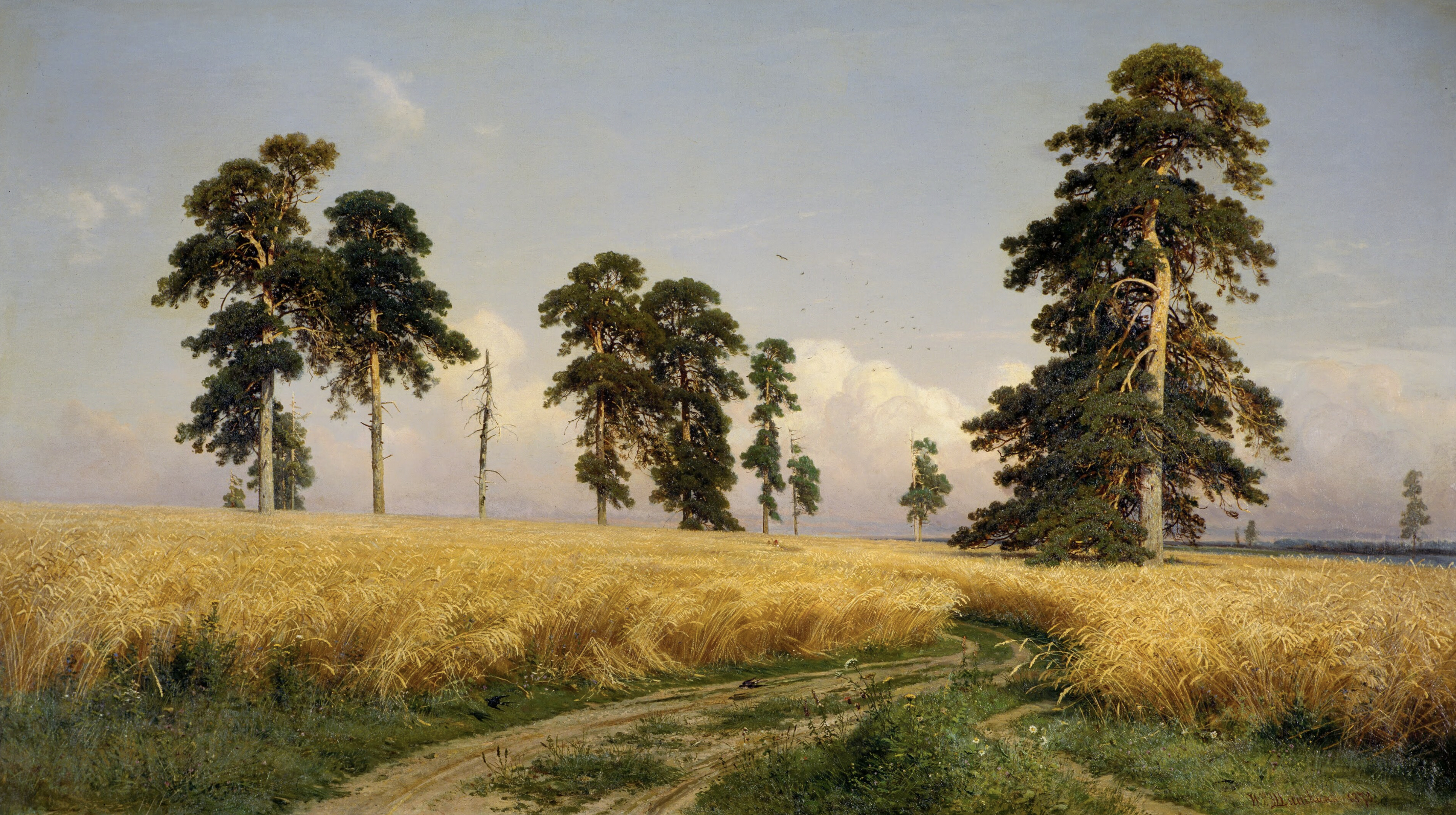
Rye (Secale spp): In the early 1900s, Soviet agronomist Nikolai Ivanovich Vavilov discovered that weeds in crop fields often began to look like the crop itself. Original rye plants, he realized, looked nothing like the grain we now recognize as rye. The original plant, I’m told, was a scraggly and inedible weed. Early wheat farmers weeded out the stubborn rye weed by pulling it ou by hand. But, over time, the rye became so excellent a mimic that it became a crop itself. According to Vavilov, rye had performed an incredible trick of mimicry. “Vavilovian mimicry” now describes a common phenomenon recognized in agriculture, which includes structural and biochemical mimicry (e.g. herbicide resistance). Oats, I’m told, are another example of a grain that started mimicking wheat to become its own excellent crop.
.
.
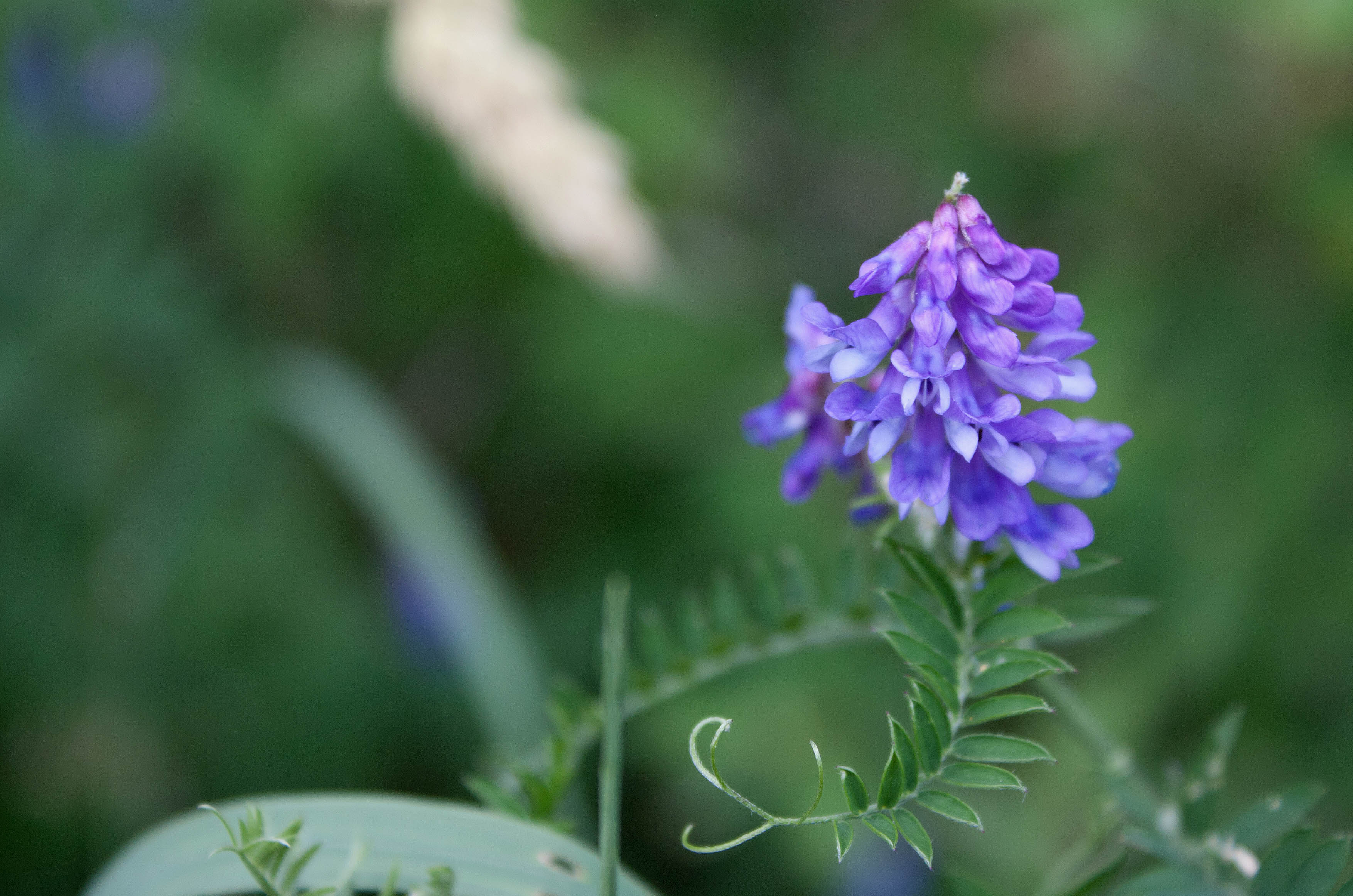
The Common Vetch (Vicia sativa): In her book The Light Eaters, Zoë Schlanger describes how the common vetch, a ubiquitous weed in lentil fields, “masterfully redesigned its previously spherical seeds to be the same flat, round disc shape as lentils themselves…The plant needed not to trick a farmer’s eye but rather make itself impossible to eliminate from the mechanical threshing process.”
This consummate manipulation by plants begs the question of which came first: the chicken or the egg. Slovakian botanist Frantisek Baluska prefers to use the term “co-evolution” to describe the phenomenon of domestication (which implies one partner having more influence over the other). “We are changing them, but they are changing us,” he argues.
.
.
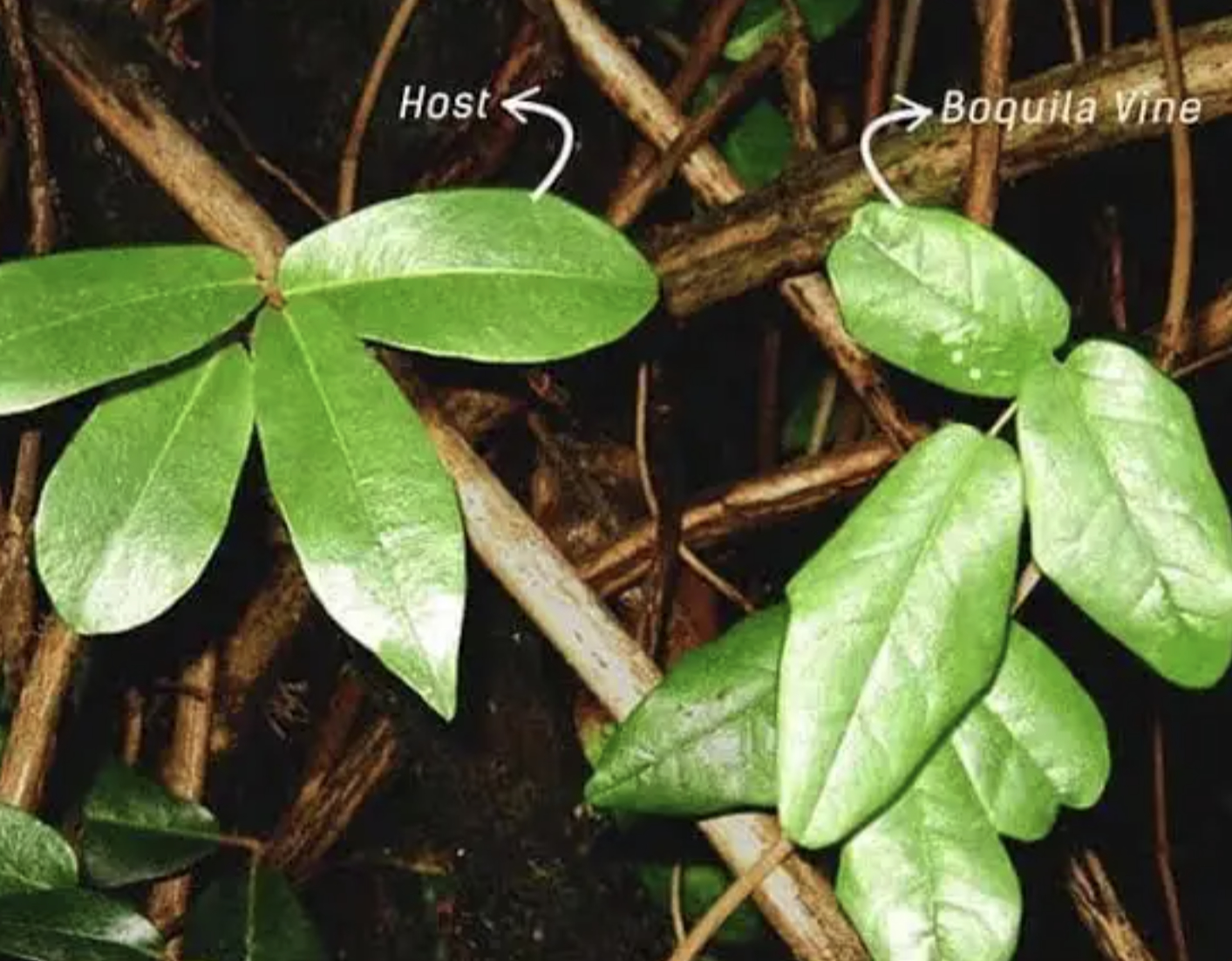
Chameleon Vine (Boquila trifiolata): The star of shapeshifting is the chameleon vine, the only plant known to engage in mimetic polymorphism—the ability to mimic multiple host species, often simultaneously. In 2014, Peruvian ecologist Ernesto Gianoli discovered a common tree vine in the rain forest capable of spontaneously morphing into the shape of almost any plant it grew beside. Boquila trifoliota is a bright-green woody vine that crawls across the forest floor and spirals upward, climbing up trees and shrubs for physical structure. It has oval leaves that normally group into three. Boquila adapts to whatever plant it grows near without needing physical contact; it senses neighbouring plants in real time and morphs its body to match them, often transforming its leaves to match the foliage of different trees at once. It does this by matching leaf size, shape, colour, texture, orientation, and stalk length. Gianoli speculated that the boquila was somehow picking up the information about leaf form through airborne cues (e.g. airborne bacteria that carry genetic material of the neighbouring plants) or some sort of horizontal gene transfer. Other scientists suggested that this occurred through plant ‘sight’ (using ocelli, light-sensing epidermal cells on the leaf’s surface). The boquila’s ability to ‘disappear’ into its host allows it to blend into a larger sea of plants and avoid predation. Gianoli reported at least twenty different species that boquila could mimic.
Gianoli calls this phenomenon adaptive plasticity: the ability of a plant to adjust its behaviour to suit a changing environment. sliding from one persona to another to suit its environment.
.
Thalweg & (Re)Genesis
In my two upcoming eco-fiction thrillers Thalweg (scheduled for release Spring 2027 with Inanna Publications) and (Re)Genesis (upcoming) I explore the phenomenon of adaptive plasticity, through structure, biochemistry and behaviour. You could say, I take it to an extreme. My premise is that the warming climate is accelerating genetic plasticity as life on Earth adapts. And this, of course, includes humans.
Thalweg: In a near-future world of water-scarcity and rising infertility, CanadaCorp, Canada’s national utility, wields gestapo-like power to secure the nation’s water as infertility increases and a climate plague claims many, mostly men, and virgin births are rumored. Amid rising violence, angry religious backlash, and predictions of the ‘end times,’ CanadaCorp conducts secret experiments to ‘save’ humanity from extinction: virgin mothers and their deformed babies—all girls—appear immune. Daniel—a lab technologist—pieces together a startling hypothesis: that women are adapting to men’s inability to live and reproduce in a warming climate. Offspring, all girls, show phenotypic plasticity, shared with other lifeforms—as though the warming climate has increased the fluidity and sharing of interspecific DNA.
(Re)Genesis: when a biochemical conglomerate that has been experimenting with DNA-altering chemicals since the 1950s discovers a shapeshifting chemical, this triggers a global biosemiosis (organisms making meaning of their environment) far beyond humans’ understanding and control.
In an early scene from (Re)Genesis, the protagonist remembers how her recently fired high school teacher brought up phenotypic plasticity in conjunction with global warming and alluded to the poisons pouring into their local reservoir by the local chemical plant: “She said that God was directing Her swarm army—the viruses, which are just packets of DNA or RNA coated in protein—to ride the winds of change and catastrophe.”
God created the Heaven and the Earth through Genesis; Nature is creating the new Heaven and Earth through adaptive plasticity.
.
Biomimicry
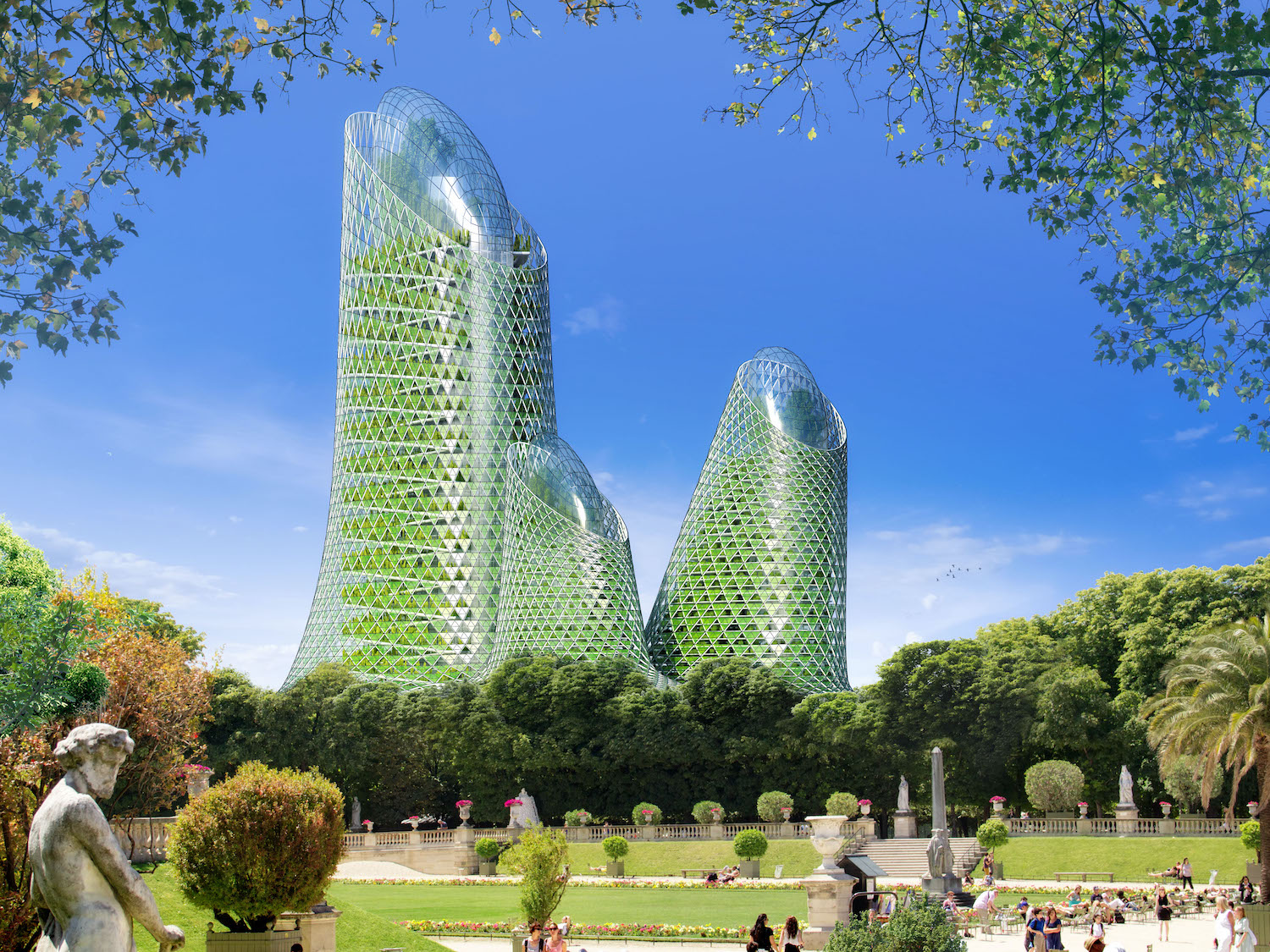
“The architecture of the future will draw inspiration, not from the machines of the 20th century, but from the beautiful flowers that grow in the landscape that surrounds them.” Bob Berkebile and Jason McLennan, Architects
Glass that “breathes” like gills. Solar cells that imitate photosynthesizing leaves. Ceramics with the tough strength of abalone shells. Self-assembling computer chips that form in ways similar to how tooth enamel grows, adhesives that mimic the glue that mussels use to anchor themselves in place, and self-cleaning plastics based on a lotus leaf. From flying algal ships to tissue-storage based on the water bears ability to survive dehydration, Nature has inspired industry.
These are just a few examples of “Biomimicry” or “Biomimetic Design” being applied in large-scale challenges that resemble humanity’s version of adaptive plasticity. Kyosemi, a Kyoto-based company, developed a power-harvesting solar cell that imitates the way trees collect sunlight. Called Sphelar, the product is made up of little spherical cells that can be incorporated into a building’s windows. Unlike standard photovoltaic panels, Sphelar absorbs light from many directions, providing more consistent power generation as the sun moves across the sky. Similarly, Osaka University used the example of the forest canopy to cool buildings (e.g., the Frontier Research Center).
.
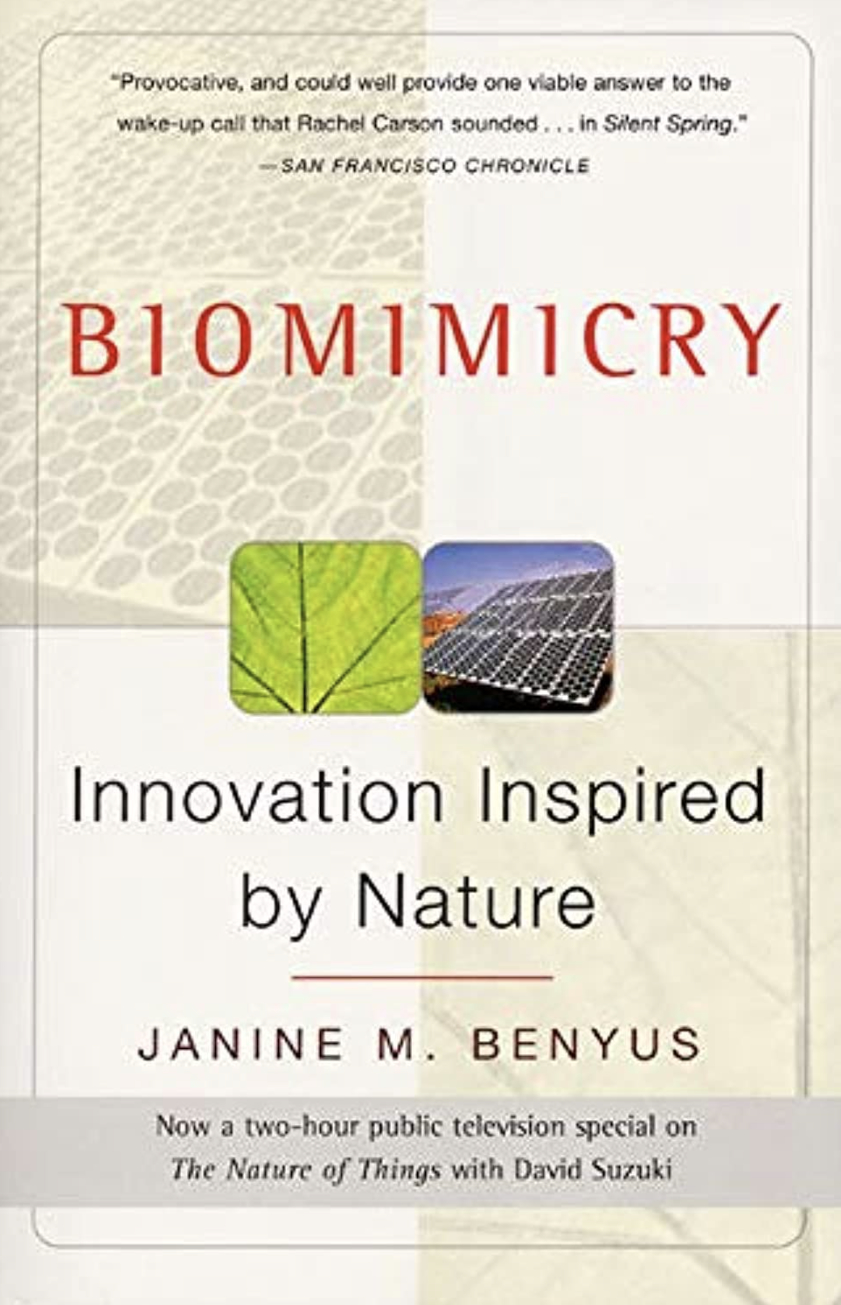
Janine Benyus, leading proponent of nature-based design, first proposed in her book “Biomimicry” that learning from nature would be the perfect tool for eco-design. Engineering inspired by nature can be “functionally indistinguishable from the elegant designs we see in the natural world,” says Benyus, who founded the Biomimicry Institute to research and educate the world on sustainable biomimetic design.
Benyus defines the quest of biomimicry as “the conscious emulation of life’s genius. Innovation inspired by nature.” In her revolutionary book of the same name, Benyus describes how maverick scientists at the Land Institute are remaking agriculture using self-sufficient crops able to “live amicably with their field mates, stay in sync with their surroundings, build soil beneath them and handle pests with aplomb.”
.
What about our individual adaptive plasticity? How prepared for change are each of us? Are we already changing? Read my books Thalweg and (Re)Genesis for one version…
.

.
References:
Benyus, Janine. 1997. “Biomimicry”, Quill William Morrow, New York. 308pp.
Gianoli, Ernesto and Fernando Carrasco-Urra. 2014. “Leaf Mimicry in a Climbing Plant Protects against Herbivory.” Current Biology 24(9): 984-87.
McElroy, J. Scott. 2014. “Vavilovian Mimicry: Nikolai Vavilov and His Little-Known Impact on Weed Science.” Weed Science 62(2): 207-16.
Munteanu, Nina. 2027 (in press). “Thalweg.” Inanna Publications, Toronto, ON.
Schlanger, Zoë. 2024. “The Plant Eaters.” Harper. 304pp.
Ye, C.Y. et al. 2019. “Genomic Evidence of Human Selection on Vavilovian Mimicry.” Nature Ecology and Evolution 3(10): 1474-82.
.

Nina Munteanu is a Canadian ecologist / limnologist and novelist. She is co-editor of Europa SF and currently teaches writing courses at George Brown College and the University of Toronto. For the latest on her books, visit www.ninamunteanu.ca. Nina’s bilingual “La natura dell’acqua / The Way of Water” was published by Mincione Edizioni in Rome. Her non-fiction book “Water Is…” by Pixl Press (Vancouver) was selected by Margaret Atwood in the New York Times ‘Year in Reading’ and was chosen as the 2017 Summer Read by Water Canada. Her novel “A Diary in the Age of Water” was released by Inanna Publications (Toronto) in June 2020. You can read her just released eco-fiction thriller Gaia’s Revolution by Dragon Moon Press.
.

